







Introduction:Kenyan coffee is renowned for its bright acidity and vibrant fruitiness, with the AA and AB grades being the most common specialty-grade choices in the market. This article delves into the official Kenyan coffee grading standards, exploring everything from green bean size and processing methods to the impact of roasting, to help you understand the real differences between AA and AB. It also provides tested pour over and cold brew parameters to guide you in extracting bright acidity and juicy flavors—offering practical tips for both beginners and advanced enthusiasts.
With its unique bright acidity and rich fruity notes, Kenyan coffee holds a notable place in the global specialty coffee market. Among its grades, AA and AB are the most frequently discussed specialty beans. What exactly sets these two grades apart? From green bean size, processing method, to final extraction performance, all factors influence the resulting flavor profile. This article will thoroughly analyze Kenya’s coffee grading system, compare the characteristics of AA and AB, and offer practical pour over and cold brew parameters to help you fully unlock the potential of these two beans.
The grading system for Kenyan coffee is established by the official body known as the Coffee Board of Kenya (CBK), which has been responsible for managing the country’s coffee quality and market trade since 1933. All coffee beans must go through a rigorous grading process, primarily based on bean size, shape, hardness, and cupping score. The design of this system aims to ensure the stability of coffee quality and to provide international buyers with clear quality reference points.
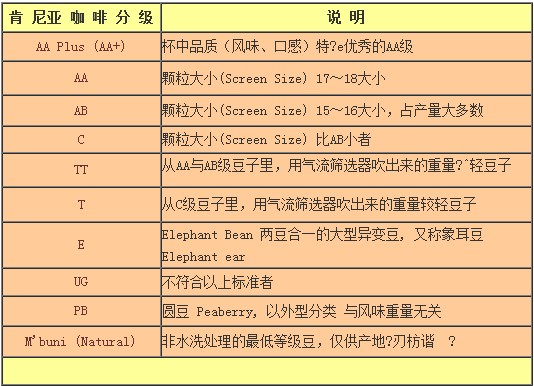
Within the Kenyan grading system, there are eight main grades: E, PB, AA, AB, C, TT, T, and MH/ML. Grade E, also known as "Elephant Bean," refers to an extra-large and rare bean variety, with relatively low production. PB grade consists of peaberries—coffee cherries that produce a single round seed instead of the usual two flat seeds. AA grade is one of the most popular grades in the market, typically grown at altitudes above 6,600 feet, with bean sizes of 17/18 mesh, and offers very high quality potential.
AB grade coffee beans are a blend of Grade A and Grade B. Grade A beans pass through a 6.8 mm sieve, while Grade B beans pass through a 6.2 mm sieve, and the final blend results in a particle size of 16/17 mesh. Although slightly smaller than AA grade, AB beans still retain quite good flavor performance and are relatively more affordable, making them a daily choice for many coffee lovers. Grades below C—such as TT, T, and MH/ML—are generally not considered high-quality specialty coffee due to smaller size or insufficient density.
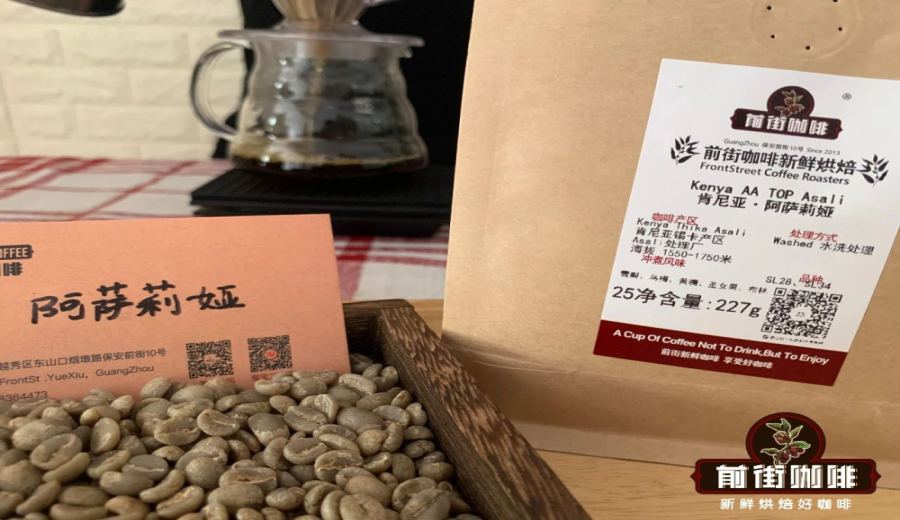
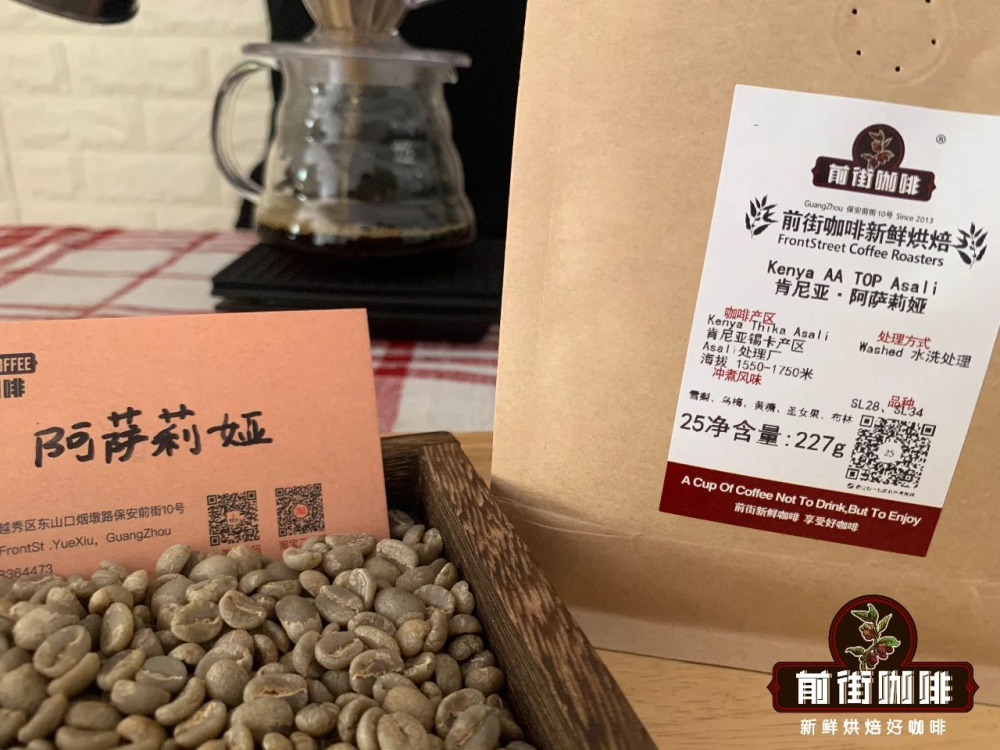
In terms of actual tasting experience, AA-grade coffee such as Kenya’s Asali bean, which uses the SL28 and SL34 varieties and undergoes a 72-hour double washed process, exhibits exceptionally lively berry acidity and a wine-like refined finish. Upon brewing, it releases intense berry aromas, and upon tasting, one can clearly perceive a balanced sour-sweet profile of cherry tomatoes and black plums, with a creamy, sweet aftertaste. This flavor profile is inseparable from its high-altitude growing environment and meticulous processing method.
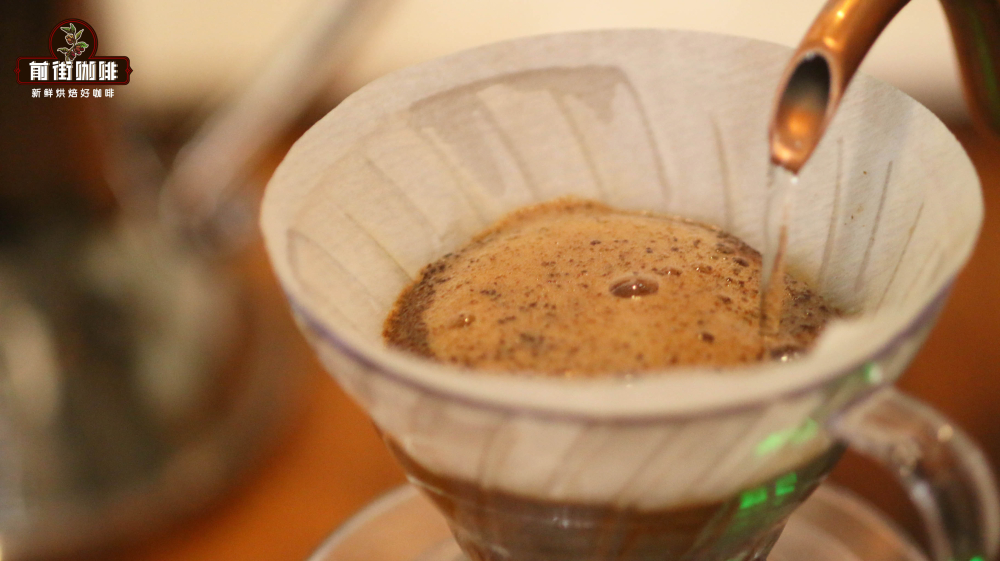
In terms of roasting and extraction, lighter roasts better preserve the floral and fruity notes of high-altitude beans. Since lightly roasted beans have a denser internal structure, it’s recommended to use a high water temperature of 92–93°C along with fine grind (about 80% passing through a #20 sieve) to fully extract the flavor compounds. Tested pour over parameters can be referenced as follows: 15g coffee, 1:15 coffee-to-water ratio, using a V60 filter; first pour 30g water for a 30-second bloom, followed by 95g water, and finally 100g water to complete the extraction, with a total brew time of about 1 minute and 35 seconds. These parameters highlight the bean’s bright acidity and clear layered fruitiness.
For those who prefer cold brew, you can adopt the golden ratio of “coffee grounds + 10 parts hot water + 5 parts ice.” It is suggested to use water at 91–93°C, with a fine grind (EK43s setting 9.5 or C40 around 22 clicks), a 1:11 coffee-to-water ratio (160g hot water) and 75g ice. The three-stage pouring method is as follows: first pour 30g for blooming, second pour 90g with large circular water flow and stirring, and finally pour 45g to finish. This method effectively balances sourness and sweetness, extracting a fresh, juice-like flavor that’s ideal for summer drinking.
Whether you choose AA or AB grade Kenyan beans, the key lies in understanding their grade characteristics and suitable extraction methods. AA grade excels with its bright acidity and complex finish, suiting those who pursue layered flavors; AB grade wins with its higher cost-performance and stable performance. With appropriate roast levels and precise brewing parameters, both can showcase the distinctive regional character of Kenyan coffee.
The above content is compiled by CoffeeHunters, a coffee news website.


