







Category: Coffee Knowledge
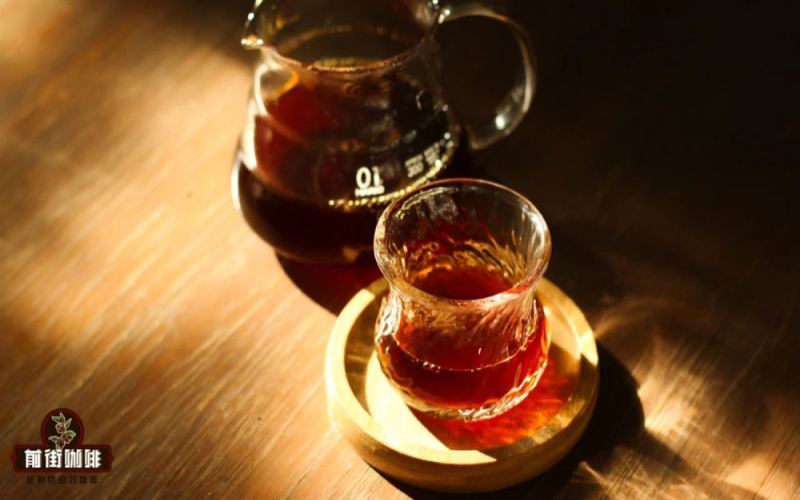
Flavor Analysis and Pour Over Brewing Guide for Costa Rica Finca La Amistad Washed Beans
Established in 1989, Costa Rica’s Finca La Amistad is renowned for its superior geographical conditions and exquisite processing techniques. In 2008, it earned national and international COE recognition. In recent years, the farm has also gained attention for a rare orange-hued fruit mutation variety. This article provides an in-depth look at the farm’s development background, the history of coffee cultivation in Costa Rica, the characteristics of its eight major producing regions, mainstream coffee varieties, and the grading system. It also offers practical pour over parameters and brewing tips to help you better appreciate the unique charm of this washed processed bean. [more…]

The Origin and Flavor Profile of Mocha Coffee: A Complete Guide from the Yemeni Port to Brewing Techniques
Mocha coffee is often misunderstood as a latte with added chocolate, but in fact, it has a much deeper history and a unique flavor background. From the ancient port of Mocha in Yemen to the coffee beans still highly sought after today, this article will take you through the multiple meanings of "mocha", the naming logic of Yemeni Mocha beans, their distinctive flavors, and also provide professional roasting suggestions and pour-over parameters to help you appreciate this classic coffee more deeply. [more…]
Flavor Analysis of Ethiopia's Nine Major Coffee Regions | Characteristics of Heirloom Varieties & Pour Over Recommendations
Ethiopia is a genetic treasure trove of Arabica coffee. Its nine major regions, differing in terrain, altitude, and processing methods, produce coffee beans with vastly distinct flavors. This article delves into the characteristics of renowned regions such as Yirgacheffe, Sidamo, and Harar, analyzing the impact of heirloom varieties and altitude on flavor profiles. It also provides practical pour over recommendations and flavor outlines to help coffee enthusiasts select the most suitable Ethiopian beans based on their taste preferences. [more…]
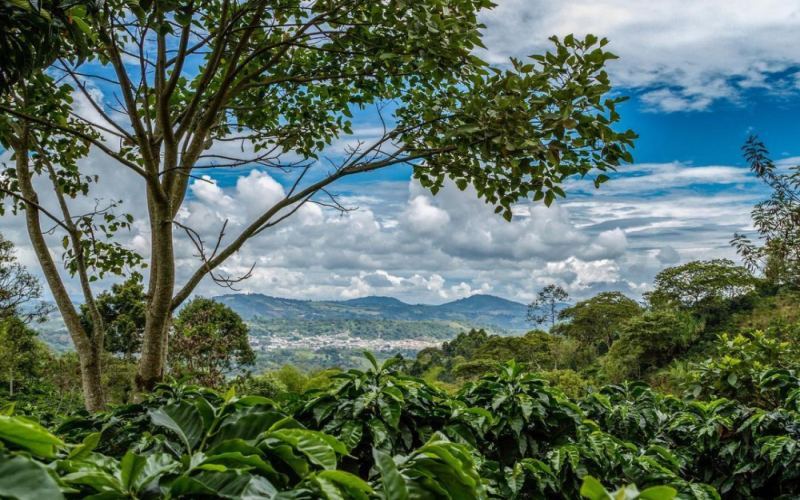
Colombian Paradise Estate SOE Double Anaerobic Washed Coffee Beans: Flavor Profile and Best Pour Over Settings
Colombian Paradise Estate is renowned for its innovative processing methods, and its recently launched double anaerobic washed SOE coffee beans have garnered significant attention in recent years. This article provides an in-depth analysis of these beans from the high-altitude Cauca growing region, using the Castilla variety. It covers everything from the origin environment and the principles of anaerobic fermentation, to varietal characteristics, roasting, and pour over extraction—offering a comprehensive flavor profile and practical brewing parameters to help coffee enthusiasts master the brewing techniques for high-quality SOE. [more…]

A Complete Guide to Green Mountain vs. Blue Mountain Coffee: Price, Flavor, and Origin Differences Explained in One Go
Green Mountain coffee and Blue Mountain coffee may differ by just one character, but they are worlds apart. The former is an affordable single-serve brand from the United States, while the latter is a premium Arabica variety grown at high altitudes in Jamaica and globally recognized as a symbol of high quality. This article will delve into the fundamental differences between the two in terms of origin background, flavor profile, and pricing structure. It also provides practical information on the rarity and cultivation challenges of Blue Mountain coffee, helping you understand why its price remains so high. Additionally, it offers brewing references for professionally washed beans to assist coffee enthusiasts... [more…]

Complete Guide to Kenya’s Double Washed Processing Method: Steps, Flavor Characteristics, and Fermentation Technique Comparisons
Washed processing has long been a classic technique in the specialty coffee world, while Kenya’s signature variations—such as double washed, K72 processing, and dry fermentation—impart unique personalities to the coffee beans during the fermentation stage. This article provides a detailed analysis of the operational logic, procedural differences, and actual flavor profiles of various washed techniques, helping you understand how these methods affect the final cupping experience through details such as the number of fermentation cycles and timing control. It serves as an introductory guide to understanding Kenyan coffee and specialty washed beans. [more…]

A Complete Guide to Sumatra Wet-Hulling: How Mandheling’s Low-Acidity, Bold Aromas Are Created?
Wet-hulling is the core processing method that gives Mandheling its unique flavor profile. This article provides an in-depth comparison between wet-hulling and standard washed processing, exploring everything from Indonesia’s high-humidity climate and the special processing workflow to the way parchment coffee is hulled. It thoroughly analyzes the origins of Mandheling’s low acidity, rich body, and distinctive earthy aromas. Also included are pour over recommendations and practical parameters to help you better appreciate this classic Southeast Asian bean. [more…]
Analysis of Yirgacheffe Coffee Bean Grades | Guide to Flavor Differences Between Natural and Washed Processes & Sweetness Selection
As one of Ethiopia's most representative coffee regions, Yirgacheffe is renowned for its unique floral notes and diverse processing methods. This article delves into the grading logic of Yirgacheffe, compares the differences between washed and natural processing techniques, and explores which method better highlights the sweetness and fruity characteristics of the coffee. It also provides practical advice to help you choose the right Yirgacheffe flavor based on your taste preferences. [more…]
How to Brew Costa Rica Black Soul Coffee? Pour Over Parameters and Flavor Analysis of the Las Lajas Natural Bean
The “Black Soul (Alma Negra)” coffee from Las Lajas Estate in Costa Rica is a medium-light roasted bean renowned for its innovative natural processing method. Sourced from the Central Valley at altitudes between 1300 and 1500 meters, it primarily consists of Caturra and Catuai varieties. This article will delve into its fruity fermentation aroma, layers of dried berries and stone fruit flavors, and provide practical pour over parameters to help you fully experience the unique charm of this certified organic natural bean. [more…]
Analysis of Ethiopian Yirgacheffe Worka Washed Beans | Regional Characteristics and Flavor Pour Over Recommendations
Dive deep into the Gedeo Zone’s Worka sub-region within Ethiopia’s Yirgacheffe area, and the renowned washed coffee processing plant — Worka Washing Station — which produces G1 grade beans. This article explores the unique character of this washed Yirgacheffe from regional background, processing methods to the full flavor profile, and offers practical tasting and pour over suggestions to help you fully appreciate the charm of this specialty coffee. [more…]

A Comprehensive Guide to Costa Rican Honey Processed Beans: Flavor Differences and Roasting Recommendations for Black Honey, Red Honey, and Yellow Honey
Honey processing is a coffee post-harvest method that falls between washed and natural processing, widely used in Central American producing regions such as Costa Rica. By controlling the amount of mucilage retained and the drying method, it can be further categorized into black honey, red honey, and yellow honey types—each significantly influencing the final flavor. This article systematically compares the differences among the three types of honey processed beans, from bean appearance and roasting profiles to cupping performance, to help you master bean selection and brewing essentials. [more…]

What’s the difference between Green Mountain Coffee and Blue Mountain Coffee? Understand price, origin, and flavor all in one go
Green Mountain Coffee and Blue Mountain Coffee may sound similar, but their backgrounds are worlds apart. The former is an affordable American brand focused on eco-friendliness and convenience, while the latter is a premium Jamaican highland coffee renowned for its exceptional flavor. This article will delve into the origins, grades, pricing, and taste profiles of both, and also guide you on how to identify authentic Blue Mountain Coffee and brewing recommendations—helping you choose the coffee that best suits your needs. [more…]
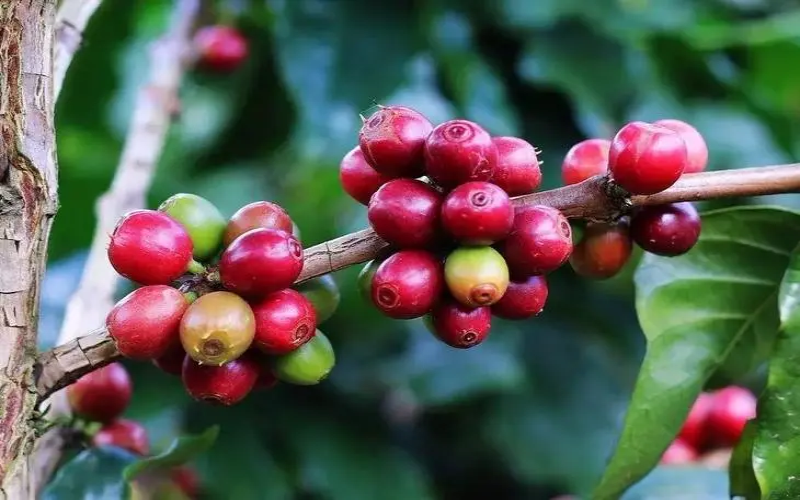
A Comprehensive Guide to Coffee Bean Varieties: Arabica vs Robusta, and an Introductory Guide to Pour Over Coffee Flavors
There are numerous coffee varieties, which often confuse beginners. This article starts with the two major species—Arabica and Robusta—and delves into the origins, physical characteristics, and flavor profiles of common varieties such as Typica, Bourbon, Geisha, Caturra, and Catuai. It helps readers understand how to choose the right coffee beans based on personal taste preferences and improves their ability to identify specialty coffees. [more…]
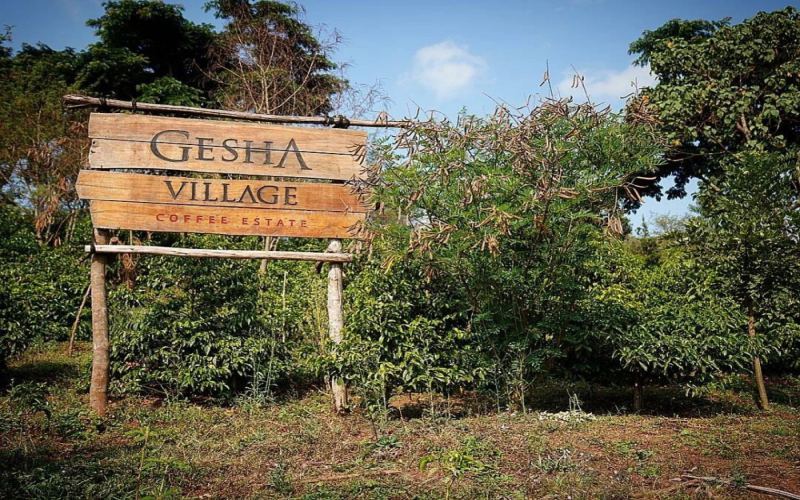
Detailed Guide to the Five Grade Levels of Ethiopian Gesha Village Coffee Beans: Flavor Differences & Brewing Parameter Guide
Coffee beans from Ethiopia’s Gesha Village are renowned for their distinctive flavors, yet are often confused with Panamanian Gesha. This article provides an in-depth analysis of the five grades of Gesha Village—Auction, Gold, Red, Green, and Chaka—breaking down grading standards, flavor profiles, and pour over parameters comprehensively to help you precisely select your preferred beans. It includes professional cupping flavor descriptions and three-stage brewing techniques, offering valuable reference points for both coffee beginners and advanced enthusiasts. [more…]

A Complete Guide to the Differences Between Robusta and Arabica Coffee Beans | Flavor, Composition, Brewing Parameters, and Blending Applications
Robusta and Arabica are the two most prominent coffee varieties in the world, each with distinct flavor characteristics and ideal use cases. This article provides an in-depth analysis of their differences in appearance, composition, and flavor profiles, explores why Robusta beans are often misunderstood, and introduces the potential of specialty Robusta and the Catimor hybrid variety. It also offers brewing parameters and flavor experiences for both Robusta-containing espresso blends and Yunnan Catimor beans, helping readers choose the most suitable coffee beans based on their preferences. [more…]

How to Choose Between Red, Yellow, and Pink Bourbon Coffee Beans? Understand Variety Differences and Pour Over Parameters All at Once
Bourbon coffee is an extremely representative variety within the Arabica family, evolved from Typica, known for its delicate flavors and stable yield. In addition to the commonly seen Red Bourbon, Brazil has also cultivated Yellow Bourbon and the rare Pink Bourbon. These three varieties differ noticeably not only in fruit color but also in flavor profile and cultivation characteristics. This article delves into the origins, genetic background, and flavor profiles of the three Bourbons, and provides pour over recommendations for Yellow Bourbon from Fazenda Rainha, helping you choose based on your taste preferences. [more…]

An in-depth look at the origins of Ethiopian Geisha & top 3 beginner-friendly picks – a pour over coffee selection guide
Geisha, as one of the world’s most premium coffee varieties, originated in Ethiopia but rose to global fame through the extraordinary performance of Panama’s Hacienda Esmeralda. This article delves into the varietal’s history, cultivation challenges, and flavor characteristics, while carefully selecting three distinct beginner-level Geisha coffees. These include classic Panamanian offerings, native Ethiopian beans, and high-value options, all accompanied by detailed flavor profiles and recommended brewing methods to help coffee enthusiasts find the perfect match for their taste preferences. [more…]

Complete Guide to Making Cold Brew Iced Coffee: Flavor Profile, Coffee-to-Water Ratio & Steeping Time Tutorial
Cold brew coffee, achieved through long-duration low-temperature extraction, offers a flavor experience distinct from traditional hot-brewed or iced coffee. This article delves into the brewing principles, flavor profiles, and regional bean variety performance of cold brew iced coffee. It also provides practical guidance on coffee-to-water ratio, steeping time, and filtration techniques to help readers master the key parameters of low-temperature extraction and craft sweet, rich, and layered cold brew creations. [more…]
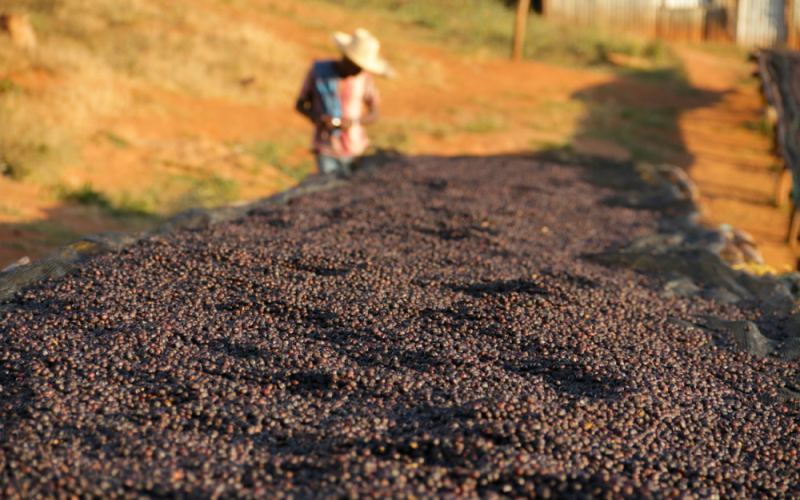
In-depth Analysis of Ethiopian Guji Region Coffee: Flavor Characteristics and Pour Over Parameters Guide
As the birthplace of coffee, Ethiopia's diverse regions produce a rich and varied flavor profile. This article takes you deep into how the unique geographical conditions of the Guji region shape its flavor characteristics, and extends to analyzing the features of well-known regions such as Sidamo and Yirgacheffe. It also provides practical pour over parameters and step-by-step instructions to help you grasp the key points of tasting and explore the refined charm of high-altitude African coffee. [more…]
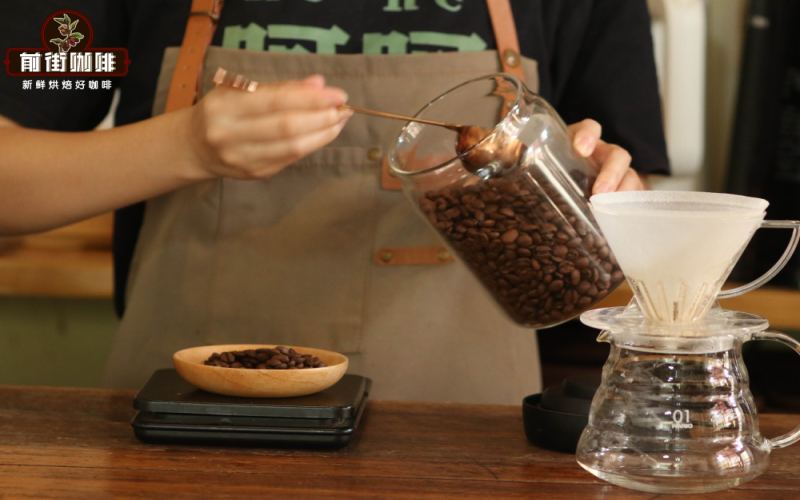
What’s the difference between pour over and siphon coffee? Extraction principles, flavor analysis, and practical comparison
Pour over and siphon are two classic specialty coffee brewing methods, each with its own unique extraction logic and flavor profile. This article delves into their historical backgrounds, operational principles, key parameter settings, and—through a real-world case study using Yemeni Mocha beans brewed both ways—guides you through the differences from both scientific and sensory perspectives, helping you find the brewing style that suits you best. [more…]