







Introduction:From being seen as a bitter beverage to becoming part of daily life, China’s coffee culture is evolving rapidly. Ichiro Iwasaki, Japan’s first Asian champion in the World Barista Championship (WBC), has collaborated deeply with Luckin Coffee, driven by his passion and expertise, aiming to shape a national coffee brand for China. This article delves into Iwasaki’s coffee journey, his behind-the-scenes collaboration with Luckin, and his perspective on the shifting trends in China’s coffee consumption.
From Nestlé and Starbucks to today’s Luckin, the role of coffee in the hearts of Chinese consumers has continuously transformed. Once considered a “bitter black drink,” coffee has now become part of many people’s daily routines, and the profession of barista is gradually gaining recognition. Among them, Japanese coffee master Ichiro Iwasaki is a key figure that many consumers have come to know through Luckin. This post-90s barista, who won the first Asian championship in the WBC, not only possesses exceptional skills but also holds deep affection for coffee.
Iwasaki believes that a good cup of coffee can resonate from within—no complex background knowledge is needed, nor does it have to be astonishing from the first sip. As long as it genuinely tastes good to people, it’s a successful coffee. This philosophy also makes his collaboration with Luckin all the more meaningful. What kind of experiences made him a standout in Asia’s coffee scene? And how does he view the potential of the Chinese market?
Iwasaki’s story began in Fukuoka, Japan. He was born into a family that ran its own home-roasted coffee shop, growing up immersed in the aroma of coffee. At the age of 16, he chose to drop out of school to focus on coffee making. Three years later, he moved to Tokyo to join the renowned Maruyama Coffee. There, he not only worked but also continued his studies and actively participated in coffee competitions. At the ages of 22 and 23, he consecutively won the JBC Japan Barista Championship for two years in a row, showcasing extraordinary talent and dedication.
However, for Iwasaki, domestic glory was just the beginning. He always believed that Asian baristas could also secure a place on the world stage. At 24, he represented Japan at the WBC World Barista Championship and emerged victorious, becoming the first Asian champion in the competition’s history.This achievement is not only personal glory for him but also a significant milestone for Asia’s specialty coffee.
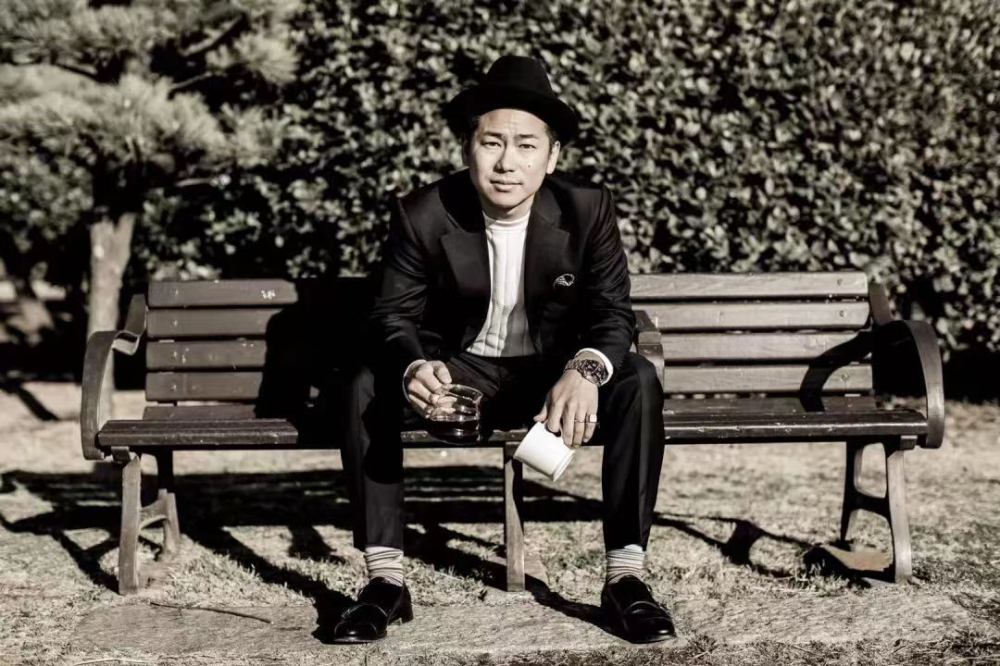
When discussing the secret to his success, Iwasaki emphasizes his dedication to coffee beans. He has almost stringent standards for bean selection, firmly believing that each type of bean has its unique terroir characteristics. Only by deeply understanding and respecting these traits can the full potential of the coffee be revealed. To find the most ideal green beans, he has traveled to producing regions multiple times to communicate directly with farmers, among which Costa Rica is a place where he has invested considerable effort and is even regarded as his second hometown.
After winning the world championship, Iwasaki did not stop there. He conducted lectures and teaching sessions globally under his personal brand, committed to promoting coffee culture. Starting in 2017, he began collaborating with Luckin Coffee, becoming an important member of Luckin’s master team. The team also includes WBC Italy Champion Andrea Lattuada and WBC China Champion Pan Zhimin, making it a formidable lineup.
Speaking of the opportunity to collaborate with Luckin, Iwasaki said that Luckin’s commitment to coffee quality and emphasis on research and innovation align perfectly with his philosophy. More importantly, Luckin is dedicated to building a national coffee brand for China, a vision that deeply moved him. He believes that “China is an economic powerhouse, and its consumers deserve their own coffee brand,” so he is willing to contribute his expertise and face the challenges together with Luckin.
This collaboration goes far beyond symbolism. Every season, Iwasaki personally flies to Beijing to discuss and develop new products with Luckin’s R&D team. He pointed out that Chinese consumers’ tastes change rapidly, requiring the team to constantly track market trends and flexibly adjust recipes and flavors to meet diverse needs.
Looking back on his first visit to China five years ago, Iwasaki observed that many consumers valued the atmosphere of coffee shops more than the coffee itself. Some would even sit in a café all day just to enjoy the environment. However, he also noticed that the Chinese market is gradually maturing. Nowadays, more and more consumers are focusing on the quality of the coffee itself—ordering takeout via mobile apps and enjoying coffee in the office has become a daily routine for many urbanites.
For Iwasaki, this shift represents progress. He believes it shows that consumers are no longer buying just for the environment but are truly falling in love with coffee as a beverage. Although not every city has reached the same level of maturity, the trend is gradually taking shape in first- and second-tier cities. As he puts it, “Consumers starting to like coffee for the coffee itself—that’s the most important change.”
The above content is compiled by CoffeeHunters, a coffee news website.


