








Introduction:Geisha and Java — two uniquely flavored coffee beans, one renowned for its floral and fruity notes, the other often regarded as a distant relative of Geisha. This article takes you deep into the similarities and differences between these two sun-dried coffee beans, covering everything from variety origins, processing methods, green bean appearance, roast profiles, to actual flavor comparisons in pour over and cupping. Whether you’re just starting out or seeking new flavors, you’ll gain practical insights on selecting beans and brewing.
Geisha and Java, two coffee varieties with distinctly different yet equally captivating profiles — the former famous for its floral and fruity aromas, the latter considered a distant relative of Geisha and beloved by some coffee enthusiasts. Taking Panama Jensen Estate Geisha and Bolivia Java as examples, this article provides an in-depth comparison of their varietal heritage, green bean appearance, processing methods, roast curves, and the nuanced differences in their final pour over and cupping flavors, helping readers more comprehensively understand these two highly distinctive sun-dried coffees.
Geisha: A Star Variety from Ethiopia to the World
Geisha (Geisha), first discovered in 1931 in the Gesha forest of Ethiopia, was later sent to the Kenya Coffee Research Institute. In 1936, the variety spread to Uganda and Tanzania, and then entered Costa Rica in 1953. However, until the end of the last century, Geisha had not garnered much attention until it stood out at Panama’s Hacienda La Esmeralda, winning numerous domestic and international coffee competitions and achieving instant fame.
Geisha has extremely high environmental requirements, needing high altitude, cloud-covered surroundings, fertile soil, and ample sunlight and thermal accumulation — all of which contribute to its unique aroma and flavor characteristics.

Java: A Distant Relative Originating from Ethiopia
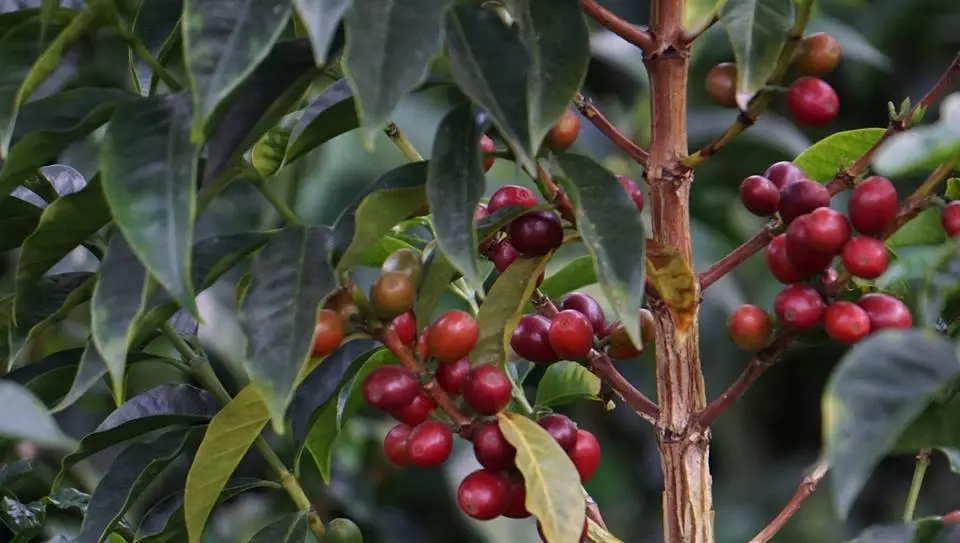
Java (Java), though its name may evoke Indonesia, actually originates from the primeval forests of Ethiopia. This variety was collected by local tribes, then brought to Indonesia via Yemen, where it was named Java. For a long time, many believed it to be a branch of Typica, but genetic research shows that Java actually originates from Ethiopia’s Abysinia variety.
Java spread from Indonesia to the island of Timor, then moved on to Cameroon in Africa, and was first released for farmer cultivation in the 1980s. As for Central and South America, it was introduced to Costa Rica in 1991 through CIRAD under the push of Benoit Bertrand, while Bolivia’s Java came via Nicaragua.
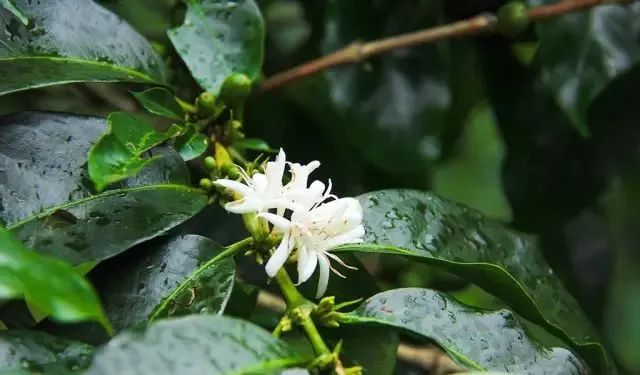
Sun-Dried Processing: The Traditional Art of Natural Drying
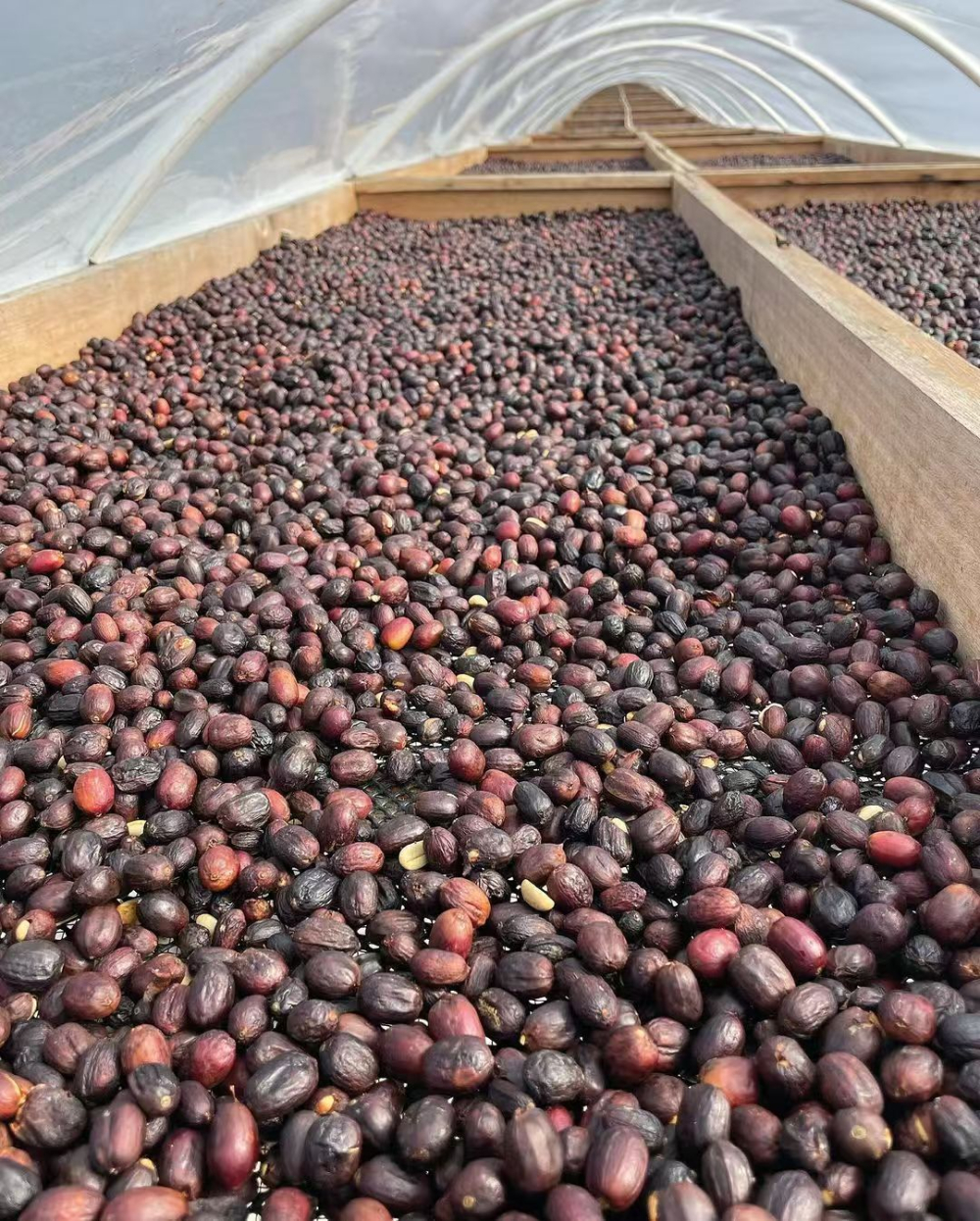
Both of these coffees are processed using the sun-dried method. During processing, harvested coffee cherries are first placed in water tanks to remove unripe or defective floaters, leaving behind mature, plump fruits. Next, the whole coffee cherries — including pulp, mucilage, and parchment — are placed on raised beds and slowly dried under the sun. They must be constantly turned during this period, with the entire drying process lasting about two to four weeks until the moisture content drops to around 12%. Finally, a hulling machine is used to remove the hardened outer layers, leaving clean green beans.
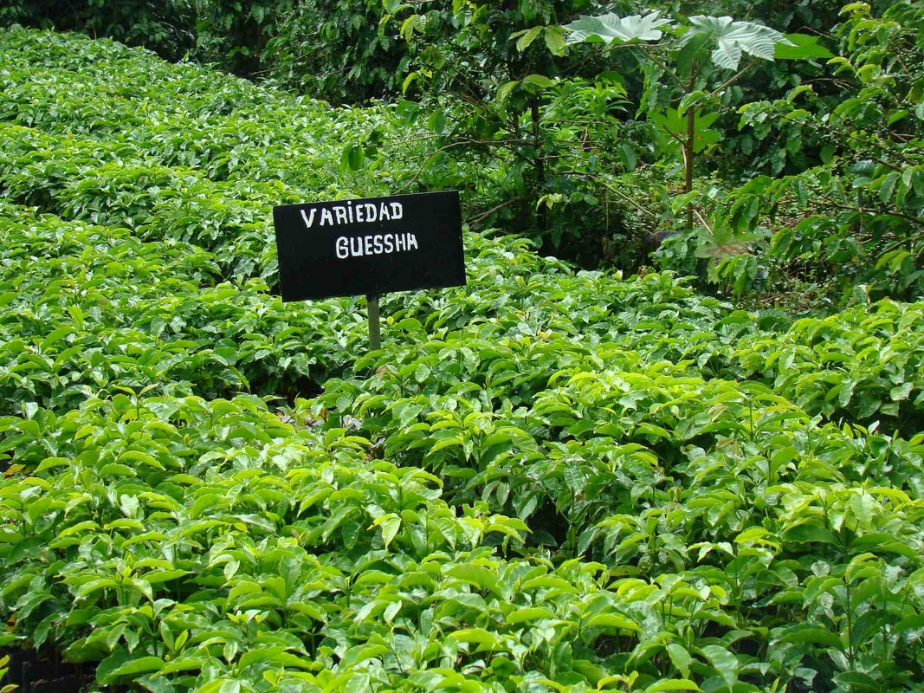
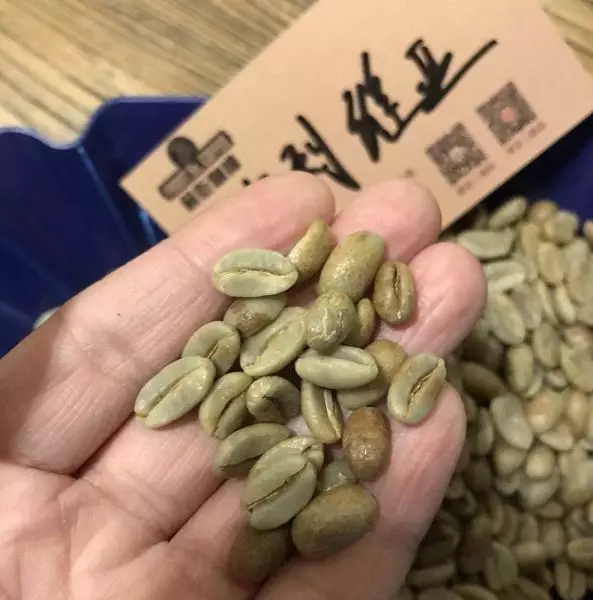
Green Bean Appearance Comparison: Slender vs Round
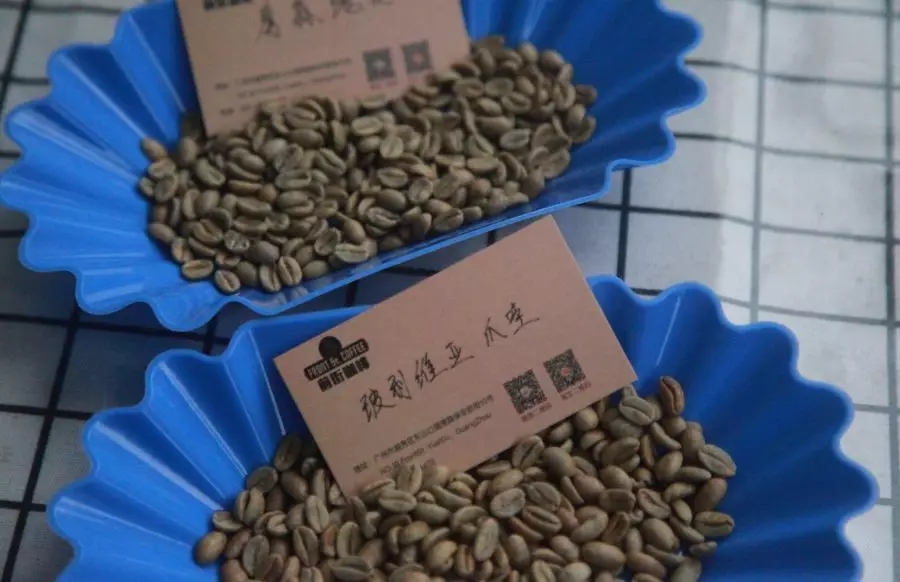
In terms of green bean appearance, Bolivia Java beans are noticeably more slender with pointed ends; in contrast, Panama Jensen Geisha beans are shorter and more rounded in shape. These visual differences also help in selection and roasting.
Roast Curve Analysis: Subtle Differences in Temperature and Time
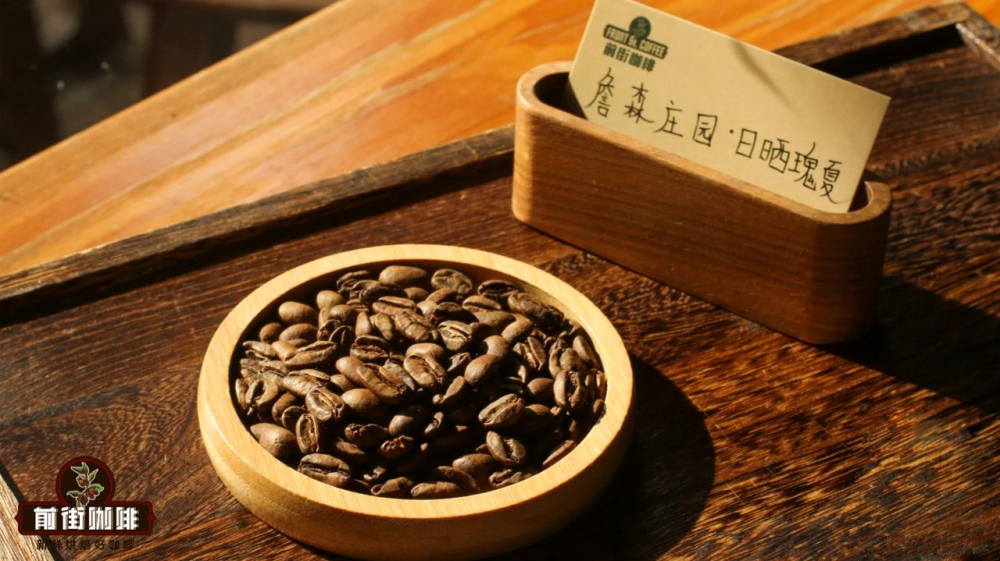
In roasting, Jensen Geisha reaches its yellowing point at around 5 minutes, with first crack starting at 8 minutes 50 seconds at a temperature of 184.3°C. First crack development continues for 1 minute and 30 seconds before dropping, with a drop temperature of 195°C. The Agtron bean color value is 77.8, the roast tone value is 93.7, and the Roast Delta is 11.9 — this is a medium-light to medium roast, capable of fully showcasing Geisha’s floral, fruity, and sweet aromatic layers.
Bolivia Java also begins yellowing at 5 minutes, but first crack starts slightly earlier at 8 minutes 37 seconds at a temperature of 181.8°C. First crack development lasts for 1 minute and 30 seconds before dropping at 190.5°C. The Agtron bean color value is 63.8, the roast tone value is 81.8, and the Roast Delta is 18 — indicating a slightly darker roast that helps highlight Java’s nutty and fermented aromas.
Flavor Profile: Sensory Experience in Cupping and Pour Over
In cupping, Jensen Geisha exhibits rich fermented aromas of ripe fruit, accompanied by complex flavors such as maple syrup, lemon, citrus, apple, rose, dark chocolate, pomegranate, ripe grapes, peach, and dark berries. It offers a balanced acidity and sweetness with distinct layers. Bolivia Java, on the other hand, gives off hazelnut aromas, with creamy, hazelnut, and almond sweetness on entry, alongside a blend of citrus and tropical fruit acidity, plus a hint of fermented wine-like character.
Recommended Pour Over Parameters: V60 filter, brew ratio 1:15, water temperature 90°C, grind size similar to fine sugar (80% passing through a Chinese standard #20 sieve), total brew time of approximately two minutes.
Using the above parameters for pour over, Jensen Geisha delivers a distinct entrance of tropical fruit and berry acidity and sweetness, with prominent maple sweetness, and an aftertaste that releases cocoa, grape, and rose tea aromas. Bolivia Java greets the palate with bright citrus, lime, and hawthorn acidity, followed by a mid-palate of fruity chocolate and vanilla cream notes. As it cools, sweet orange acidity emerges, and even when chilled, it retains subtle maple sweetness along with jasmine and rose floral notes, with a lasting cane sugar sweetness.
Summary: Clean vs Layered, a Dialogue of Two Flavor Profiles
Overall, Panama Jensen Geisha presents a cleaner, clearer flavor and mouthfeel profile, making it ideal for coffee lovers who enjoy pure fruitiness and sweetness. Bolivia Java, meanwhile, showcases richer layers and complexity — from nuts and fermentation notes to fruits and florals, each sip brings a new surprise. These two sun-dried coffee beans each have their own charm, and are worthy additions to your bean selection list, whether for everyday drinking or deeper exploration of coffee flavors.
The above content is compiled by CoffeeHunters, a coffee news website.


