







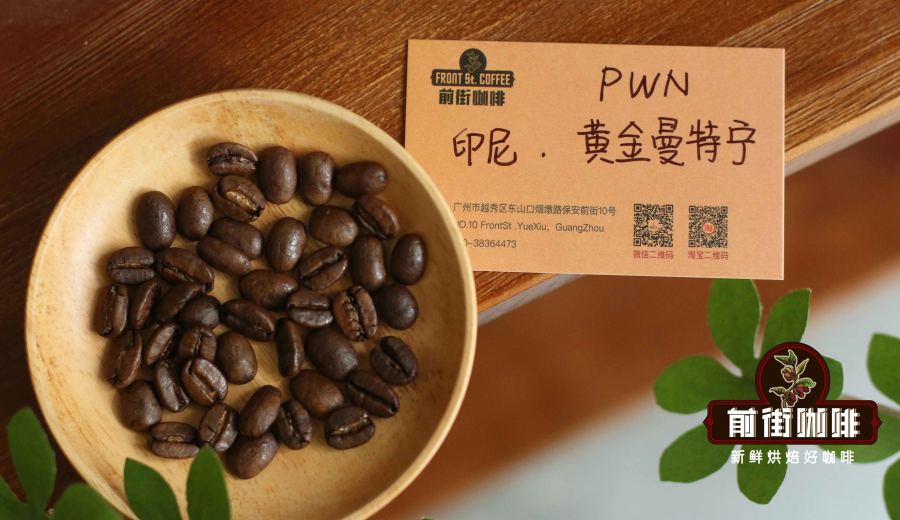
Introduction:Delve into the varietal origins of Sumatra Mandheling, the PWN Golden Mandheling certification, and the unique characteristics of the Aceh growing region. Learn about the differences between the Ateng variety and Typica, as well as how the wet-hulling process shapes its distinctive flavor profile. Also included are professional pour over recommendations, featuring practical parameters such as the Kono filter, 88°C water temperature, and a 1:15 coffee-to-water ratio, helping you master the brewing techniques for this classic dark roast bean.
Mandheling coffee comes in a wide variety of styles—even within the same growing region, flavors can differ greatly depending on the variety, processing method, or roast level. Among the many Mandheling coffees, PWN Golden Mandheling is highly praised for its clean and distinct flavor profile and prominent sweetness. Compared to the more common Typica-based Mandheling, it lacks the earthy and herbal undertones but offers brighter notes of citrus and stone fruits. This article will detail the varietal origins of Mandheling, the characteristics of Indonesia’s main growing regions, and the classic wet-hulling process, along with a set of practical pour over parameters so you can brew layered Sumatran flavors at home.
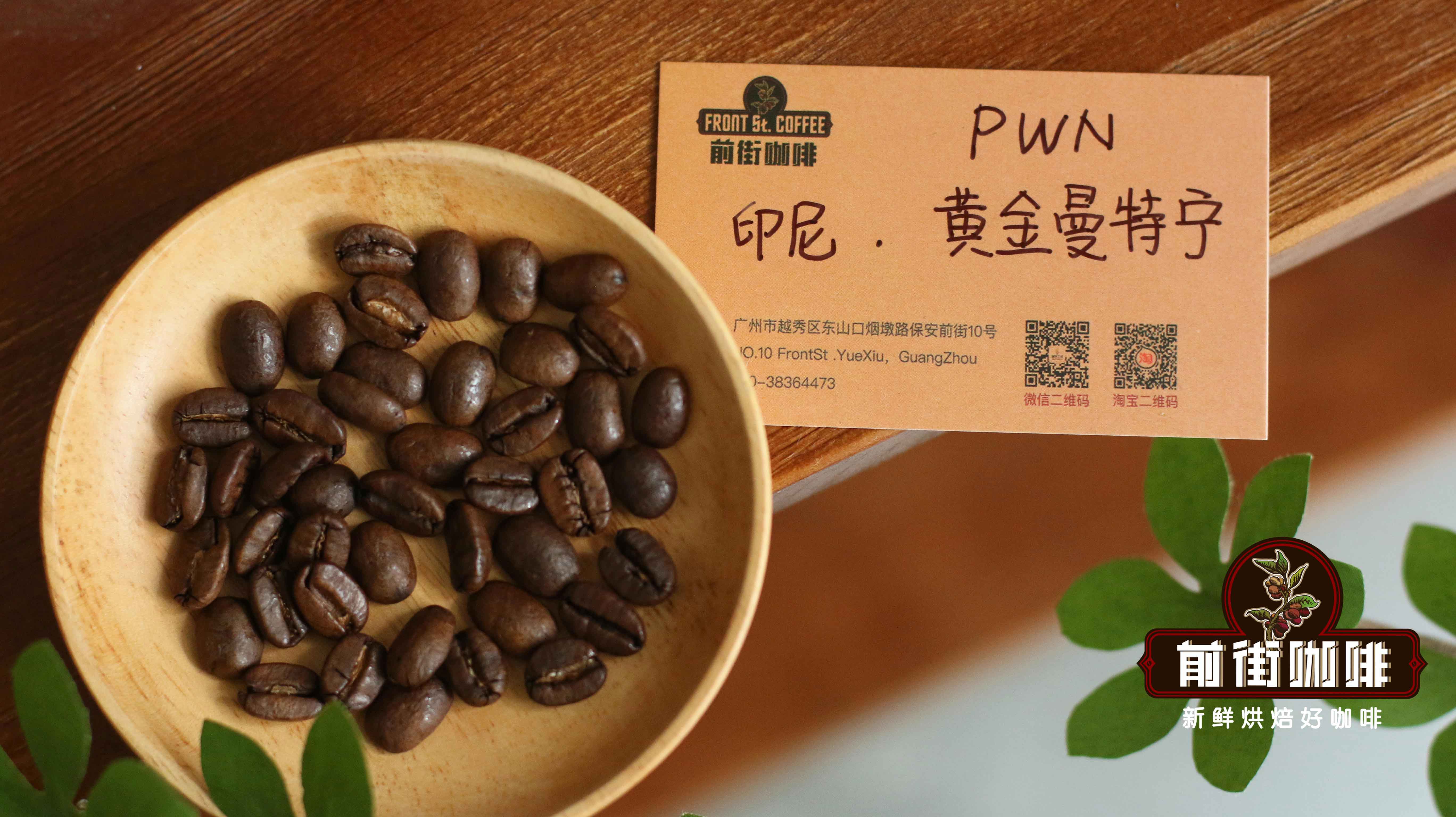
In the coffee menu of one brand, you can find several Mandheling varieties with different flavor profiles, including Tiger Mandheling, Aged Mandheling, Wahana Estate Natural, and Lintong Mandheling. Although all categorized as Mandheling, each has its own strengths in detail. Notably, PWN Golden Mandheling uses the Ateng variety (commonly known locally as Catimor), which contrasts with the other Typica-based versions. The Ateng variety is known for its high yield and strong disease resistance. Although it has been controversial in the past due to its Robusta lineage, with careful selection and post-harvest processing, it can still deliver remarkable flavor potential.
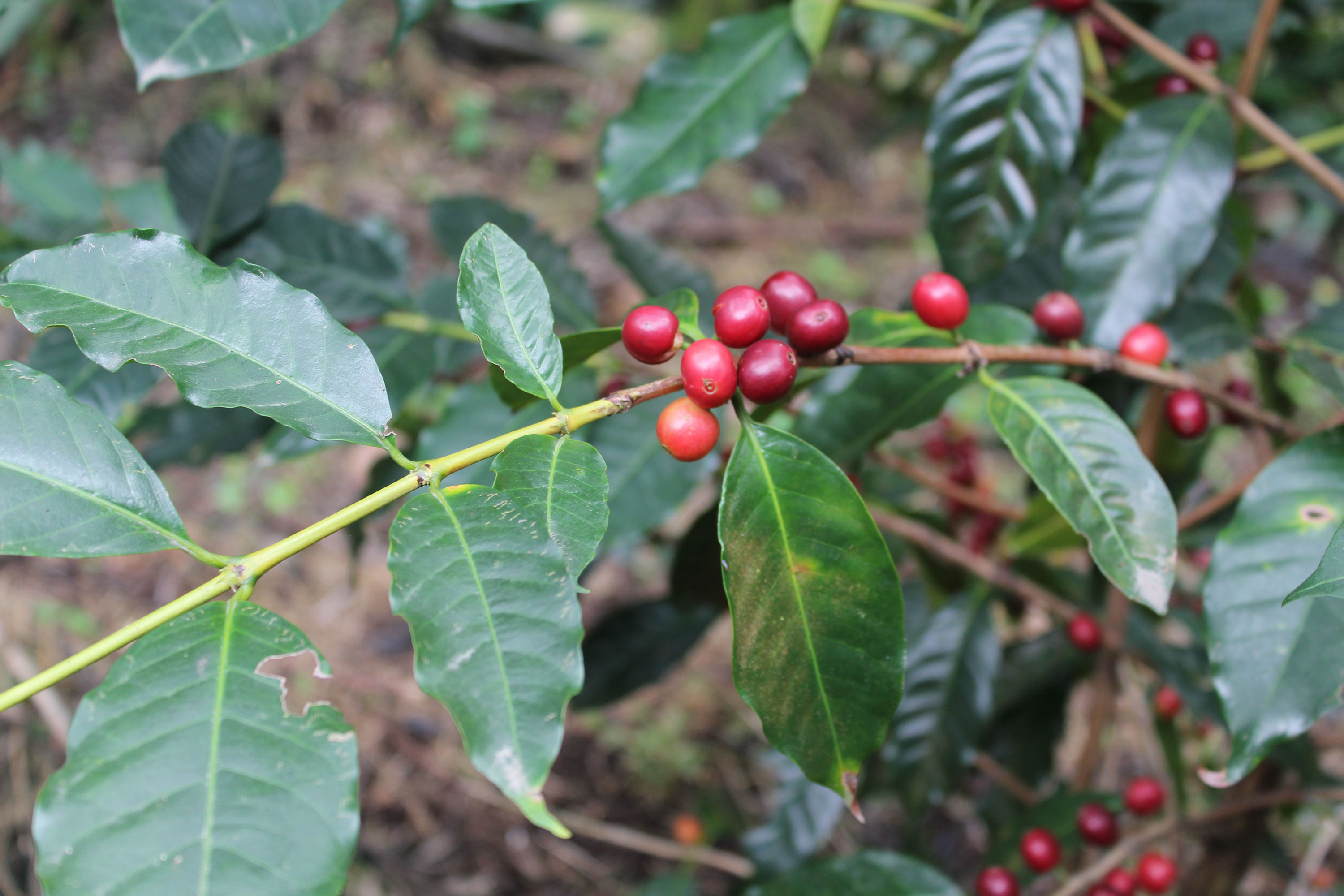
Catimor is a man-made hybrid developed by crossing the Timor Hybrid (Tim/Timor) with Caturra. It was initially created to improve yield and disease resistance. This variety exhibits good tolerance to coffee leaf rust and coffee berry disease (CBD), and can thrive in medium to low altitude environments, making it widely cultivated across Asia and Central and South America. However, due to its genetic background, some consumers feel it lacks the complexity of traditional pure Arabica varieties. That said, variety is just one factor influencing flavor—post-harvest processing, selection standards, and roasting strategies are equally crucial.
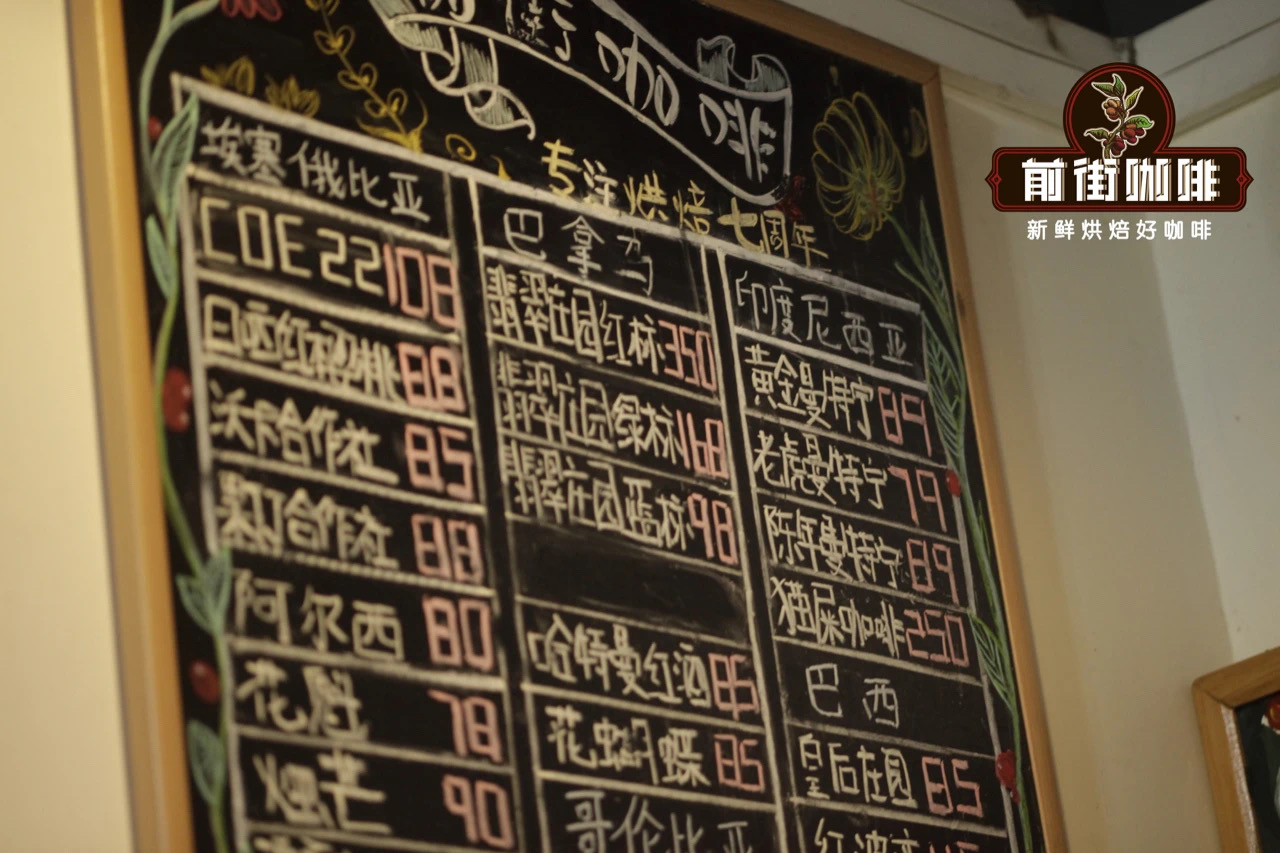 Take PWN Golden Mandheling as an example: this coffee is exclusively supplied by PWN (Pawani) company and comes with its official certification and origin documentation. Each batch is packaged in specially made jute sacks printed with the PWN logo to ensure authenticity. Since “Golden Mandheling” has been trademarked by PWN, it’s common to see ordinary Mandheling being passed off as the real thing. When purchasing, customers can ask to see the PWN factory certificate and packaging labels to confirm whether it’s the genuine product sourced from PWN. This coffee mainly comes from the Gayo Highlands in northern Sumatra, where the climate and soil conditions produce beans that generally exhibit more elegant flavor profiles, making it more favored by the specialty market compared to beans from the Lake Toba region.
As for the origin of the name “Mandheling,” it actually doesn’t come from a place, but rather from the Mandailing (or Mandailing) ethnic group, who traditionally grow and process coffee in the region. According to legend, during World War II, a Japanese officer asked local Sumatrans where their coffee came from. The locals mistakenly thought he was asking about their ethnic group and answered “Mandailing.” Due to language translation issues, this eventually evolved into the globally recognized term “Mandheling.” It’s worth noting that Mandheling coffee usually refers to Arabica grown in northern Sumatra, not a specific variety. Its common traits include a full body, low acidity, and unique herbal and spicy notes.
A key factor behind Mandheling’s distinctive character is its traditional “wet-hulling” (Giling Basah) processing method. This technique is mainly used on small farms in Sumatra, Sulawesi, and Papua. After harvesting, the coffee cherries undergo depulping, and the mucilage-covered beans are typically left to rest for about a day to allow natural fermentation to remove excess mucilage. Next, the beans are hulled to remove the parchment layer before they are fully dry (with moisture content around 30%–35%), which is quite different from the usual practice of drying to completion before hulling in both sun-dried and washed processes. This early hulling results in the beans’ characteristic bluish-green color and helps reduce overall acidity while enhancing a full body and earthy, spicy finish—key elements of Sumatran coffee’s flavor profile.
 If you want to brew a balanced and layered Mandheling at home, here’s a battle-tested pour over recipe: use a Kono filter, set the water temperature to 88°C, and aim for a 1:15 coffee-to-water ratio, with a medium-coarse grind (approximately 70% passing through a standard Chinese #20 mesh sieve). These parameters are designed to prevent the bitterness caused by over-extraction of dark roast beans at high temperatures, while fully highlighting the coffee’s caramel, nutty, and subtle spice notes. The unique structure of the Kono filter allows for even and stable water flow through the coffee bed, and its shorter ribs at the bottom help improve extraction uniformity and enhance mouthfeel richness.
For actual brewing, follow these steps: start by pouring about 30ml of hot water for a 30-second bloom to activate the coffee grounds; then pour 120ml of water in a circular motion from the center outward; finally, pour another 75ml in a circular motion, keeping the total brew time around 2 minutes. Note that different roast levels and grind sizes may affect flow rate, so adjust pouring speed and total water volume as needed to achieve the best flavor.
The above content is compiled by CoffeeHunters, a coffee news website.


