







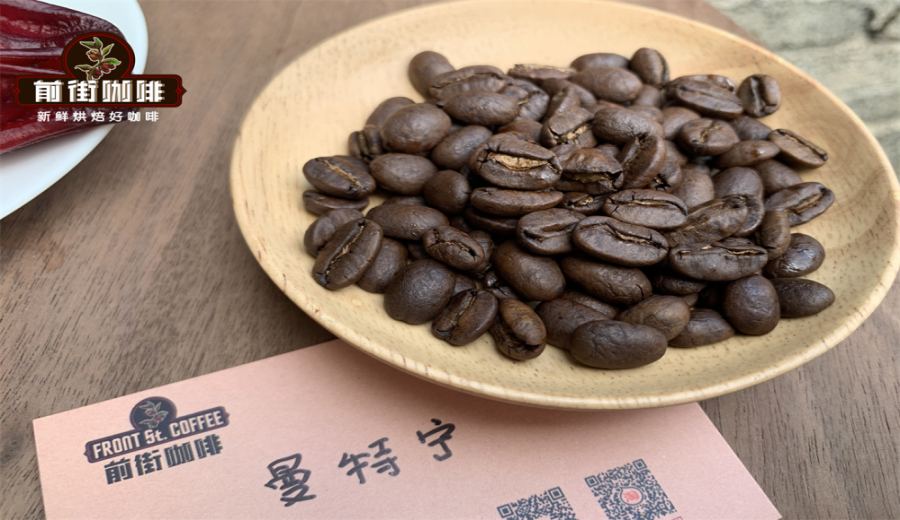
Introduction:Mandheling coffee is beloved by coffee enthusiasts for its rich and full-bodied flavor. But is "Mandheling" a place of origin or a coffee variety? This article delves into this common misconception, traces its fascinating origins from World War II, and focuses on Indonesia’s Sumatra region. It introduces the bean characteristics and classic flavor profile of Mandheling, as well as the rigorous selection process and optimal brewing recommendations for premium Golden Mandheling. This helps readers gain a more comprehensive understanding of this classic coffee bean.
Mandheling coffee is renowned for its bold and intense flavor, making it a top choice for many coffee lovers in their daily routine. However, there is widespread misunderstanding about the origin of the name "Mandheling," with some even believing it refers to a type of coffee variety. In reality, "Mandheling" is not a variety but a transliteration of the name of an ethnic group in Indonesia — the Mandailing people. This article begins with this interesting historical anecdote, guiding you through the development background of Indonesian coffee, the characteristics of its main producing regions, while focusing on the bean appearance and flavor profile of Sumatran Mandheling. It also details how the highly praised Golden Mandheling undergoes meticulous selection and provides recommended brewing parameters to help you better appreciate the charm of this classic coffee.
Among the many Indonesian coffees, Sumatran Mandheling is the most representative. Although Indonesia introduced coffee cultivation as early as 1696, initially concentrated on Java Island, over time Sumatra has become the primary source of high-quality Mandheling. Most coffee produced in this region is of the Robusta variety, but what truly brought fame to Sumatra is the Arabica variety known as Mandheling. Due to the influence of the local climate, soil, and high-altitude environment, Sumatran Mandheling features a rich, bold flavor with low acidity, yet it possesses unique aromas and sweet notes.
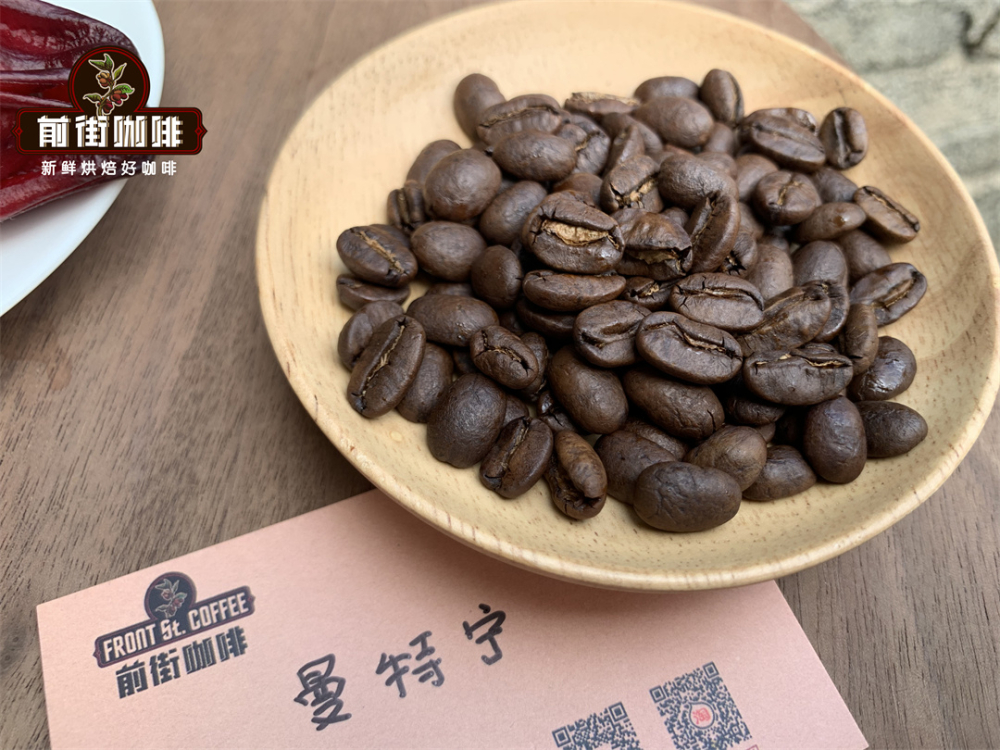
Speaking of the origin of the name "Mandheling," there is actually an anecdote related to World War II. According to records, a Japanese soldier once drank an amazing cup of coffee at a café in Indonesia and asked the owner for its name. Due to a language barrier, the owner misunderstood the question as "Where are you from?" and answered "Mandailing people." After the war, the soldier, reminiscing about the delicious coffee, imported fifteen tons of so-called "Mandheling" coffee beans to Japan through an intermediary. These beans quickly gained market acclaim, and the term "Mandheling" has since become widely known. Though originating from an ethnic group, the name has become one of the synonyms for premium Indonesian coffee.
If you’re looking for an entry-level Indonesian coffee, many brands include Mandheling in their everyday blends. These coffees are usually affordable and suitable for daily consumption, helping drinkers familiarize themselves with the flavors of different regions. The characteristics of Mandheling lie in its concentrated flavor, noticeable bitterness that is not harsh, rich aroma with subtle sweetness and low acidity. Its overall profile is bold and solid, making it ideal for coffee lovers who prefer a strong taste.
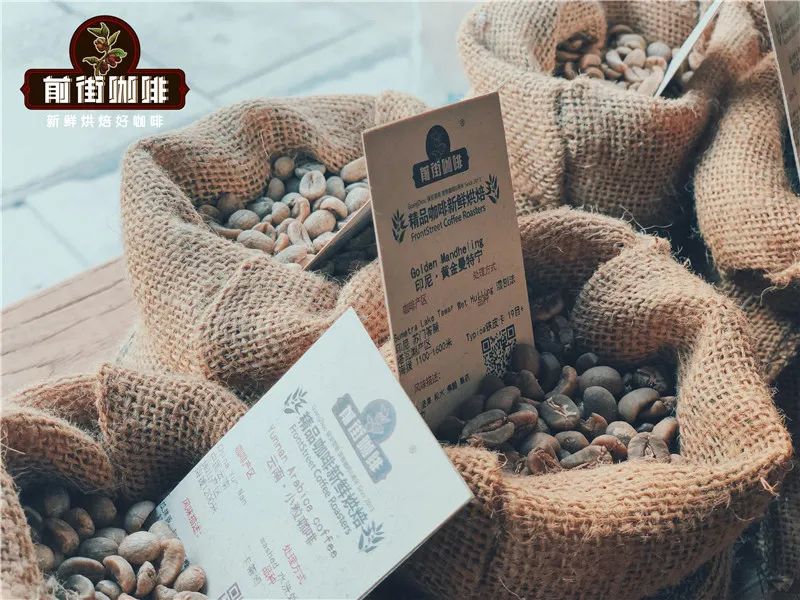
The appearance of Sumatran Mandheling green beans is often less aesthetically pleasing compared to beans from other regions — they tend to be larger in size and more prone to defects, which is related to the local growing environment and the difficulty of harvesting and sorting. Therefore, strict manual sorting is usually required before roasting; otherwise, inconsistencies in bean quality can affect the final flavor. Additionally, different roast levels can significantly influence the taste profile of Mandheling, making it one of the more challenging single-origin beans in the eyes of many baristas.
If you're seeking higher-quality Mandheling, consider trying the carefully selected "Golden Mandheling." The reason this coffee includes the word "Golden" in its name is directly related to its outstanding bean appearance. Golden Mandheling beans are plump, uniformly sized, and have almost no visible defects, thanks to its rigorous selection process. In fact, Golden Mandheling mostly comes from the Gayo Highlands in Aceh Province, Sumatra, Indonesia. This region, due to its geological and climatic conditions, generally produces coffee of exceptional quality. The green beans are purchased by the well-known local company PWN (Pusat Niaga Wahana), which has long been deeply involved in the premium Mandheling market and has access to stable sources of high-quality growing regions.
To ensure the high quality of each Golden Mandheling bean, the green beans undergo one mechanical screening and three rounds of manual handpicking after harvest, retaining only those beans that are intact and free from obvious flaws. Such a stringent selection standard not only gives Golden Mandheling an attractive appearance but also results in a clearer and more layered flavor profile. As a result, the price is naturally higher than regular Mandheling, but for consumers seeking the ultimate flavor experience, it is definitely worth a try.
In terms of brewing, Golden Mandheling is best showcased with a medium-dark roast. It is recommended to use a Kono or V60 filter. A 1:15 coffee-to-water ratio is suggested — that is, 15 grams of coffee grounds to 225 milliliters of water — with water temperature controlled at around 88°C. The grind size should aim for a 20-mesh sieve passage rate of 70–75%, equivalent to a medium-fine grind. For specific brewing, you can use a pulsed pouring method: start by pouring 30 grams of water for a 30-second bloom, then pour in small circles until you reach 125 grams for the first pour. Once the water level drops, continue pouring to 225 grams, and remove the filter just before the water level exposes the coffee bed. If using a Kono filter, the total brew time is recommended to be about 2 minutes and 10 seconds; with a V60, about 2 minutes, with adjustments possible based on actual conditions.
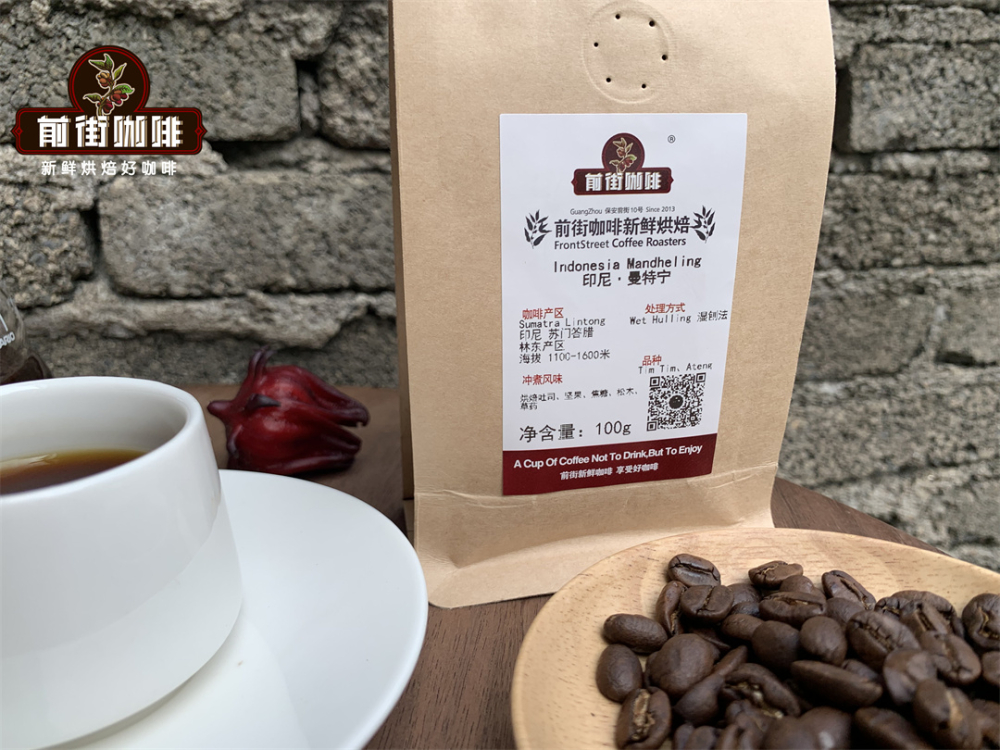
In summary, Mandheling coffee not only has a name rooted in fascinating history, but its regional characteristics and meticulous selection process also make it a classic in the hearts of many coffee lovers. From the bold richness of Sumatra to the refined flavors of Golden Mandheling, as long as you master the correct brewing method, you can fully experience the multi-layered charm of this coffee.
The above content is compiled by CoffeeHunters, a coffee news website.


