







Introduction:Want to easily brew a pour over coffee with rich and balanced flavor layers at home but don’t know where to start? This article systematically introduces the key points of selecting basic pour over tools, methods for judging the freshness of coffee beans, suitable grind sizes, water quality recommendations, and the detailed process of the three-stage pouring technique. Using Panamanian Boquete washed Geisha as an example, it explains the entire process from blooming to pouring and dripping, helping beginners quickly master the core skills of pour over coffee.
As a delicate and flexible brewing method, pour over coffee has gained increasing popularity among coffee enthusiasts in recent years. However, many beginners often feel at a loss when faced with a series of tools and operational steps. This article will systematically explain the basics of pour over coffee, covering tool selection, coffee bean freshness judgment, grind size settings, water quality requirements, as well as powder-to-water ratio, water temperature control, and the three-stage pouring technique, helping you build a complete brewing framework.
First, preparing a basic set of pour over tools is the first step to getting started. You’ll need freshly roasted coffee beans, filtered or spring water, a pour over kettle, a filter cone, a server, a grinder, filter paper, an electronic scale, and a thermometer. In addition, maintaining a relaxed and pleasant mood is also an important factor in brewing great coffee.
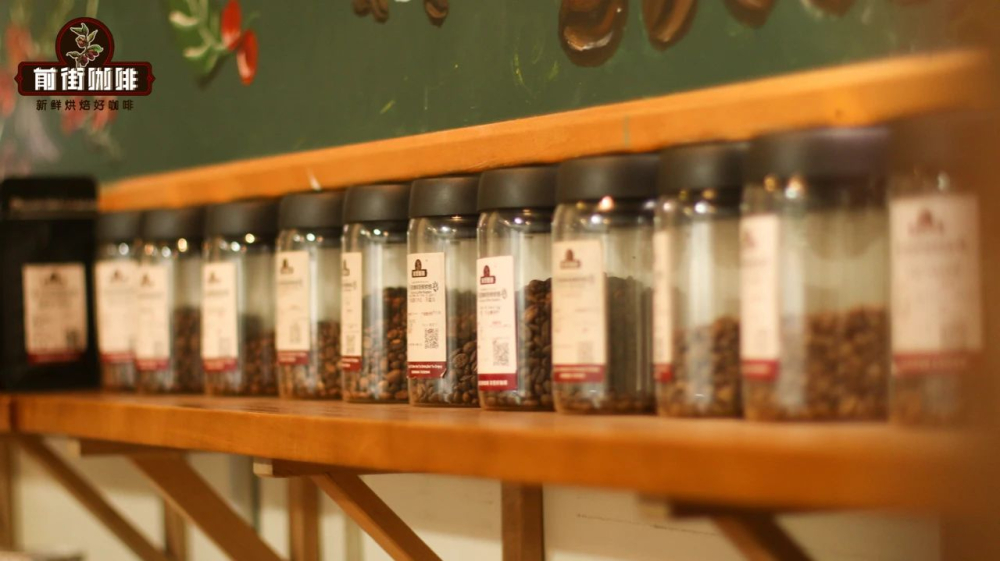
When it comes to coffee beans, freshness is key to flavor. Generally speaking, coffee beans exhibit their optimal flavor between the 4th and 30th day after roasting. Beans right after roasting continue to release carbon dioxide, and brewing them too early can affect extraction uniformity; whereas after more than a month, aroma and flavor compounds gradually diminish. Therefore,it is recommended to choose coffee beans roasted within one to four weeksto achieve the best flavor performance.
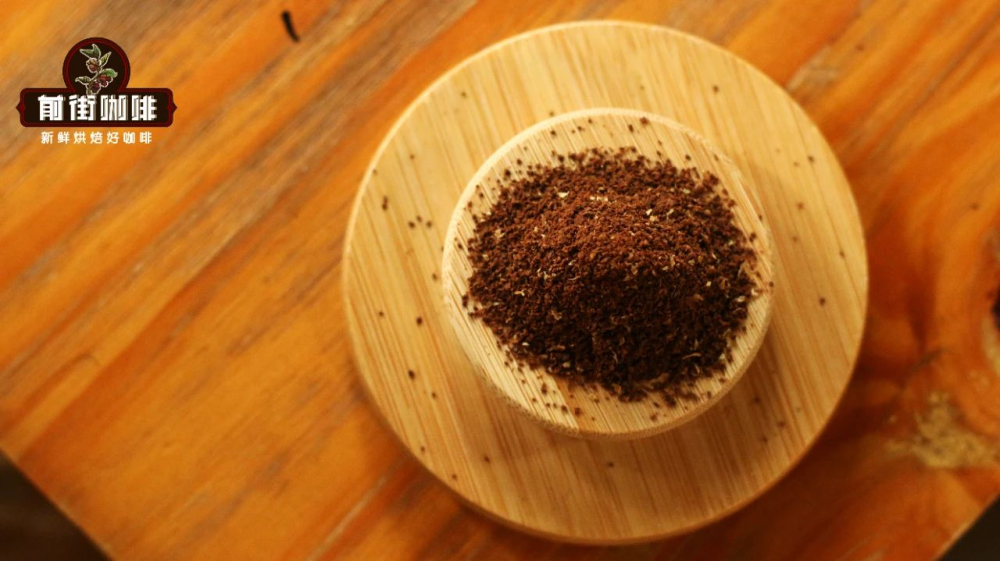
Next is the choice of grinder. Different roast levels require different grind sizes. For medium-light to medium roasted coffee beans, it is recommended to grind them to a texture similar to fine sugar,with a sieve size of China’s No. 20 standard sieve, achieving a passing rate of about 75% to 80%; for medium-dark to dark roasted beans, it is recommended to grind them to a coarseness similar to white sugar,with a sieve passing rate of about 65% to 70%. Such adjustments help optimize extraction uniformity and overall flavor expression.
Water is the main carrier of coffee flavor, and its quality directly affects the final extraction results. It is not recommended to use purified water, as its lack of minerals can lead to a flat flavor; while mineral water, due to its higher mineral content, may interfere with extraction balance. The ideal choice is filtered spring water or tap water processed through a home water filter. If you’re unsure about your home water quality,you can opt for stable-quality filtered water as an alternative.
For the pour over kettle, beginners are advised to use a gooseneck kettle with a thin spout. This type of spout design helps control the stability of the water flow and the accuracy of the pouring point, thereby improving extraction consistency. As for the filter cone, the V60 is an excellent choice for beginners due to its large holes and spiral rib design, which not only presents rich flavor layers but also allows adjustment of flow rate based on pouring rhythm. Additionally, the server must be made of material that is resistant to both high and low temperatures to avoid cracking due to temperature differences during brewing.
An electronic scale and thermometer are essential tools for controlling brewing parameters. The electronic scale is used to accurately measure the weight of coffee grounds, the amount of water poured, and the total weight, while the thermometer is used to confirm the water temperature. Based on experience,medium-light to medium roasted beans are suitable for a water temperature of 90°C to 92°C, whilemedium-dark to dark roasted beans are better brewed at 87°C to 89°C, as water temperatures that are too high or too low can easily lead to over-extraction or under-extraction.
In terms of powder-to-water ratio, a common and balanced setting is 1:15, meaning 1 gram of coffee grounds to 15 milliliters of water. For example, using 15 grams of coffee grounds, the total water poured would be 225 milliliters. This ratio ensures sufficient extraction while maintaining balanced and layered flavors. If the amount of coffee grounds is increased, the pouring time should be extended accordingly, and attention should be paid to how the bed thickness affects flow rate.
For beginners, the three-stage pouring method is an effective way to master pour over techniques. This method, through segmented pouring, not only aids in uniform extraction but also helps better control brewing time and rhythm. In practice, taking 15 grams of coffee grounds and 225 milliliters of water as an example, first pour 30 milliliters of water for a 30-second bloom, which awakens the coffee grounds and releases initial aromatic compounds; then pour 100 milliliters in the second stage, bringing the total water to 130 milliliters, paying attention to even water flow and raising the coffee bed height; finally, pour the remaining 95 milliliters in the last stage to reach a total of 225 milliliters, with the entire extraction process completed within approximately 2 to 2 minutes and 10 seconds.
Taking Panamanian Boquete washed Geisha as an example, it offers a rich flavor profile, often featuring white jasmine, citrus acidity, citrus notes, and caramel sweetness, with a honey and green tea-like freshness in the aftertaste. Recommended brewing parameters are as follows: use a V60 filter cone, control the water temperature at 91°C to 92°C, use 15 grams of coffee grounds, a grind size about the size of fine sugar (20号 sieve passing rate of 80%), and a powder-to-water ratio of 1:15. Through the three-stage pouring method, the elegant and complex fruit and floral notes of Geisha can be fully expressed, delivering a sensory experience akin to sipping fruit tea.
Pour over coffee is not just a brewing method, but also a journey of exploring flavors. By mastering basic tools, understanding parameter settings, and gradually adjusting through the three-stage pouring technique, even beginners can enjoy a professional-level coffee experience at home.
The above content is compiled by CoffeeHunters, a coffee news website.


