







Category: Coffee Knowledge
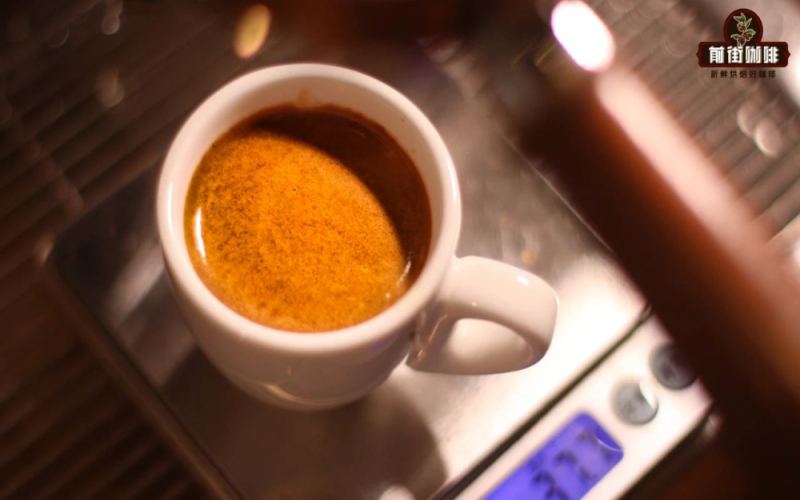
How to choose decaf coffee beans? Analysis of four decaffeination processes and flavors – A guide to healthy consumption
Decaf coffee has become the go-to choice for many drinkers who want to reduce their caffeine intake but don’t want to give up the flavor of coffee. But what exactly is decaf coffee? What are the common decaffeination methods? How do its nutritional and antioxidant contents compare to regular coffee? This article will provide a detailed analysis of the history of decaf coffee, international standards, the four mainstream decaffeination techniques, and compare the pros and cons of decaf vs. regular coffee to help you make a smarter choice. [more…]
Costa Rica Carnet Bahia Beans: How the Raisin Honey Process Enhances Pour Over Flavor?
Want to understand how the raisin honey process affects a coffee’s sweetness and acidity? This article dives deep into the Bahia specialty beans from the Carnet Estate in Costa Rica’s Tarrazú region. From high-altitude cultivation and the unique mucilage-retention technique to the crucial details of waterless drying, we’ll guide you through the unique charm of these high-sweetness, multi-layered acidity beans—and provide practical pour over brewing suggestions. [more…]

How does the Colombian Finca El Paraíso Sakura SOE taste? A full breakdown of pour over brewing and processing methods
The Sakura series from Colombia’s Finca El Paraíso has garnered significant attention in recent years, particularly the Castillo variety processed with double anaerobic washed fermentation, which stands out for its unique flavors of mugwort, berries, and strawberry jam. This article provides an in-depth analysis of the high-altitude specialty bean’s growing region, varietal characteristics, and detailed processing techniques, along with professional roasting profiles and pour over recommendations to help coffee enthusiasts understand its SOE potential and actual flavor profile. [more…]
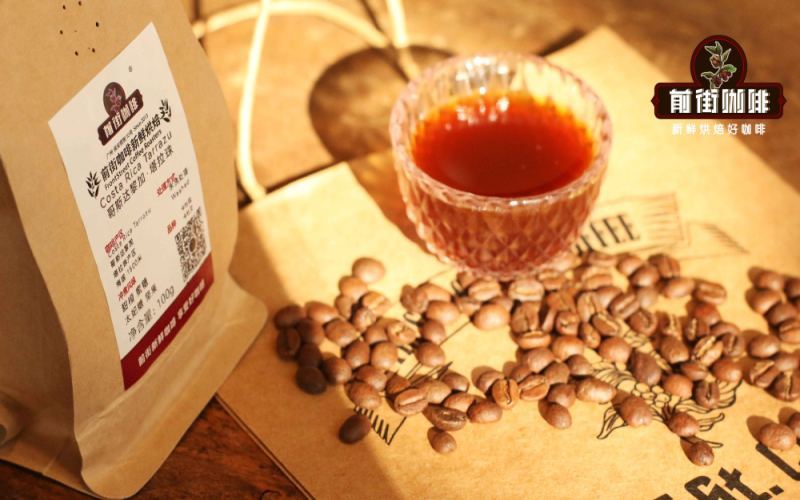
A Comparison of Natural Process Coffee Beans from Costa Rica's Three Major Regions: Tarrazú, West Valley, and Central Valley – A Flavor Analysis
Even though they all use the natural processing method, coffee beans from the three major regions of Costa Rica—Tarrazú, West Valley, and Central Valley—each have distinct flavor profiles. This article provides a detailed comparison of three specialty beans: the Pilón Processing Plant, Genesis, and Black Soul. We explore everything from regional environments, processing methods, roast profiles, to cupping notes and pour over flavors, helping you gain an in-depth understanding of the local characteristics and diversity of Costa Rica’s natural process coffees. [more…]
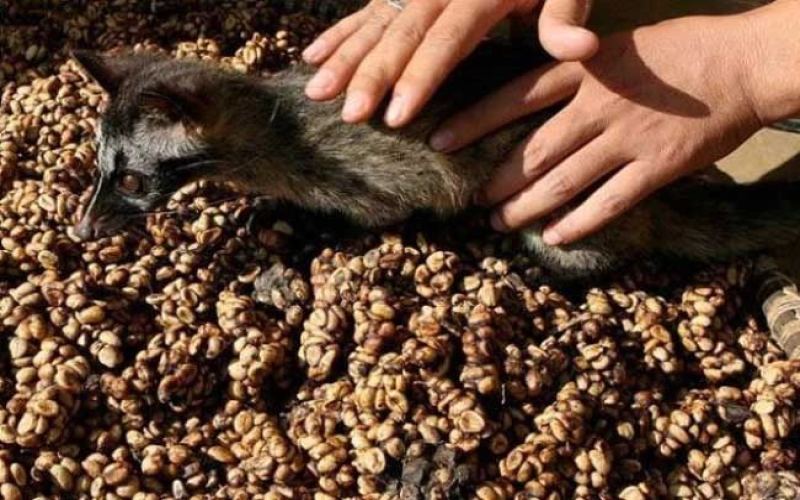
Is civet coffee specialty coffee? Unveiling the truth about Kopi Luwak’s flavor and production
Civet coffee (Kopi Luwak), commonly known as cat poop coffee, is hailed as one of the most expensive coffees in the world, renowned for its unique fermentation process and rare production volume. But is this Indonesian-origin coffee considered specialty coffee? What about its true flavor profile, the counterfeit products on the market, and the related animal ethics issues? This article delves into the production process, flavor characteristics, authenticity identification, and reasonable alternatives to Kopi Luwak, providing a comprehensive guide for bean selection. [more…]
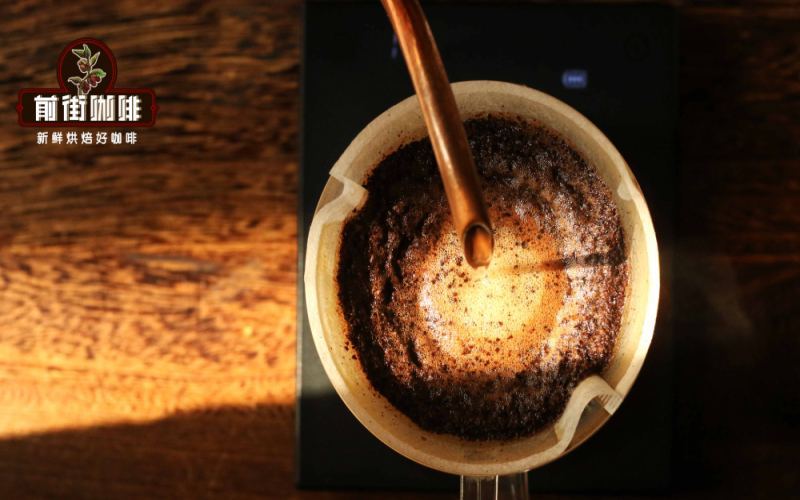
Is your pour over coffee too weak and flavorless? Analyzing under-extraction and concentration issues with adjustment tips
Finding your pour over coffee tasting watery and lacking flavor is a common issue many coffee enthusiasts face. This problem usually stems from two main causes: under-extraction or overly low coffee liquid concentration. This article will delve into the specific manifestations and causes of these two scenarios, and provide practical adjustment suggestions including grind size, water temperature, brew ratio, and brewing time to help you master pour over techniques accurately and brew rich, balanced coffee. [more…]
Ethiopia Sidamo Kebado Natural G1 | Pour Over Specialty Bean Recommendation & Flavor Analysis
Sidamo · Kebado is a premium Natural G1 specialty coffee bean sourced from elevations above 1800 meters in southern Ethiopia, rigorously selected through the "Red Cherry Project." It boasts a rich profile of fruity aromas, intense chocolate notes, and a full-bodied mouthfeel. This article delves into its origin background, processing method, and recommended brewing techniques, making it an essential guide for readers seeking an entry-level Ethiopian-flavored coffee bean. [more…]

How Are Colombian Coffee Grades Classified? A Complete Guide to Huila Washed Beans' Flavor Profile & Pour Over Parameters
Colombian coffee is renowned for its mild acidity, nutty undertones, and sweet aftertaste, making it a top choice for beginners in the pour over community. This article delves into Colombia’s green coffee grading system—from Supreme and EP to U.G.Q screen size standards—clarifies common misconceptions about Excelso, and highlights the unique flavor profile of washed beans from the Huila region. Paired with tested V60 three-stage extraction parameters, it guides you to explore the refined qualities of high-altitude coffee without breaking the bank. [more…]

Complete Guide to Ethiopia’s Nine Major Coffee Regions: Exploring Heirloom Flavors and Pour Over Parameters
As the birthplace of Arabica coffee, Ethiopia boasts the world’s richest coffee gene pool. This article delves into the terroir characteristics, altitude, and processing methods of the country’s nine specialty coffee regions—from the citrusy floral notes of Yirgacheffe to the wild fruity profiles of Harrar—guiding you through the unique flavor profiles of each origin. It also provides background on the classification of Heirloom heirloom varieties, along with practical V60 pour over parameters and roasting suggestions to help you understand the journey from regional traits to cup flavors. [more…]
Ethiopian Kafa Forest Wild Arabica: A Genetic Treasury and Aroma Decoded
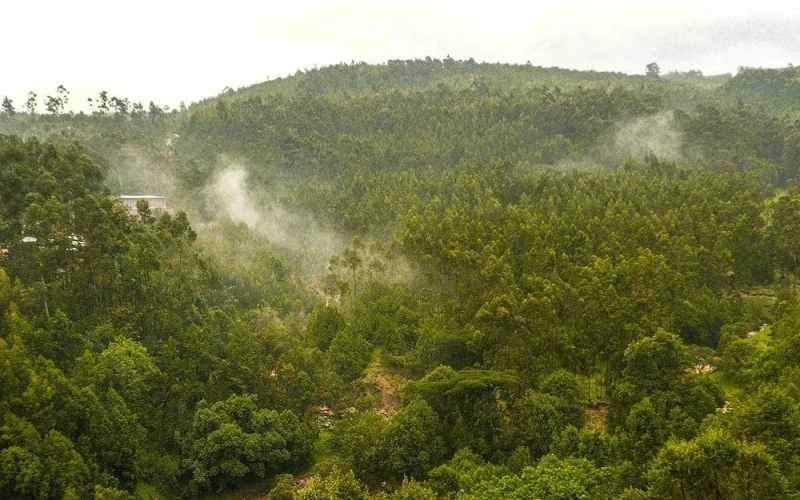
Step into the Ethiopian Kafa Biosphere Reserve, hailed as a "natural museum of coffee varieties," to explore the origins and diversity of wild Arabica coffee. This article delves into the historical background, ecological environment, challenges faced by this coffee genetic treasure trove, and how a cup of wild coffee from this region, through washed processing, reveals layered flavors of bergamot, floral notes, and apricot. [more…]
Yirgacheffe Washed vs. Natural: Flavor Differences and Grade Selection Guide
As a classic representative of Ethiopian coffee, Yirgacheffe offers distinctly different drinking experiences through its washed and natural processing methods. This article delves into the processing workflows, flavor profiles, and grade standards of the two techniques, helping you accurately choose between washed or natural Yirgacheffe beans based on your brewing preferences and budget, and explore the multi-layered charm of Ethiopian coffee. [more…]

How to Choose Colombian Coffee Beans? A Complete Guide to Varieties, Regions, Grading, and Brewing Parameters
Colombia is the world’s third-largest coffee producer, renowned for its bright acidity, rich sweetness, and unique flavor complexity. This article provides an in-depth analysis of the evolution of Colombia’s major coffee varieties, such as Caturra, Colombia, and Castillo, explains the characteristics of each producing region, the official grading system, and also offers practical pour over and espresso brewing recommendations to help you better understand the specialty coffee potential nurtured by the Andes Mountains. [more…]

Complete Guide to Cold Brew Coffee: Flavor Analysis, Extraction Ratio & Light Roast Bean Recommendations
With its refreshing and smooth characteristics, cold brew coffee has become the top choice for iced coffee in summer. This article delves into the scientific principles behind low-temperature, long-duration extraction, details recommended coffee-to-water ratios and grind sizes for home brewing, and recommends several light roast beans suitable for cold brew. It helps you master this handmade coffee skill and enjoy a purer coffee flavor. [more…]
Complete Guide to Geisha Coffee Grading: Differences Between Green & Black Label at Hacienda Esmeralda & Gesha Village, Plus Pour Over Recommendations
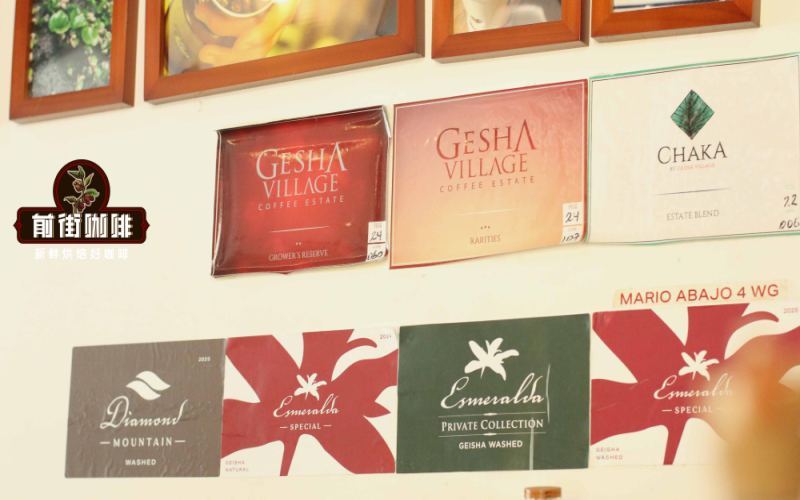
As a representative of top-tier specialty coffee, Geisha coffee has a complex and representative grading system. Hacienda Esmeralda and Gesha Village in Ethiopia each have their own independent grading systems, ranging from Red Label, Green Label to Auction lots, and Gold Label, among others. Different grades not only vary in flavor but also represent different production volumes and quality thresholds. This article delves into the grading logic of the two major estates, detailing the flavor profiles, regional information, and suitable brewing methods for each batch, along with practical pour over recommendations — an in-depth guide to understanding Geisha. [more…]
How to Roast Geisha Coffee? A Complete Guide to Washed vs. Natural Processing & Pour Over Parameters
Geisha coffee is renowned for its distinctive jasmine aroma, bright citrus notes, and honey-like sweet aftertaste, making it a highly sought-after variety among specialty coffee enthusiasts worldwide. This article delves into the roasting strategies for Geisha, exploring how medium-light roasting perfectly highlights its floral and fruity flavors. It also compares the characteristics of different growing regions and processing methods, while providing practical pour over recommendations and storage tips to help you master the charm of Geisha from beginner to advanced level. [more…]
In-depth Analysis of Colombia Finca El Paraíso 'Sakura' Beans: Double Anaerobic Washed SOE Pour Over Flavor & Extraction
These 'Sakura' coffee beans from Colombia’s Finca El Paraíso are renowned for their double anaerobic washed process and the Castillo variety, boasting unique mugwort and berry notes. This article will break down the logic behind their flavor profile step by step—from the regional background, varietal characteristics, processing method to the optimal pour over setup—and provide practical roasting and extraction parameters to help coffee enthusiasts fully unlock the potential of this SOE. [more…]
Tanzania vs Kenya Coffee Flavor Comparison | Kilimanjaro AA Bean Brewing Guide
Tanzania and Kenya are both renowned East African coffee-growing regions, yet their coffees exhibit vastly different flavor profiles. Kenyan beans are celebrated for their bright acidity, while Tanzanian beans showcase a smoother body with rich wine-like aromas. This article delves into the growing environment, bean variety characteristics, washed processing methods, grading system of Tanzanian Kilimanjaro AA-grade coffee beans, and provides expert roasting profiles and pour-over parameters. It also explains the formation and selection logic of peaberry beans, helping you choose and brew the best cup possible. [more…]
Analysis of Colombia Paradise Estate Double Anaerobic Beans | Complete Guide to Pour Over Parameters and Flavor Experience
Anaerobic fermentation processing has become an innovative focus in the specialty coffee industry. Through precise control in an oxygen-free environment, it imparts unprecedented complexity to coffee beans. This article takes Colombia Paradise Estate’s double anaerobic fermented coffee as a case study, delving into its brewing principles and actual flavor profile, while providing a complete pour over solution. This enables you to grasp key details from bean selection to brewing, experiencing the perfect balance between delicate fruitiness and rich body. [more…]
Analysis of Ethiopia Sun-Dried Red Cherry Project Beans: Roasting Curve, Processing Method, and Pour Over Recommendations
The Red Cherry Project (Operation Cherrie Red, ORC) is an Ethiopian specialty coffee quality enhancement initiative driven by Dutch coffee trader Trabocca. By carefully selecting 100% ripe red cherry fruits and producing in small batches, it achieves unique flavors. This article delves into the sun-dried beans under this project, covering the design of the roasting curve, the impact of the processing method on flavor, as well as the cupping flavor profile and pour over parameter recommendations, providing you with insights for tasting and [more…]
Guide to Colombian Coffee Bean Varieties and Grading: A Complete Overview of Flavors from Caturra to Castillo
Want to dive deep into the variety characteristics and export grading system of Colombian coffee? This article will take you on a journey through classic Caturra to the disease-resistant new variety Castillo, exploring the diverse flavor profiles of Colombian coffee, and analyzing the FNC’s rigorous grading standards to help you better grasp the essence of this major South American coffee-producing country. [more…]