







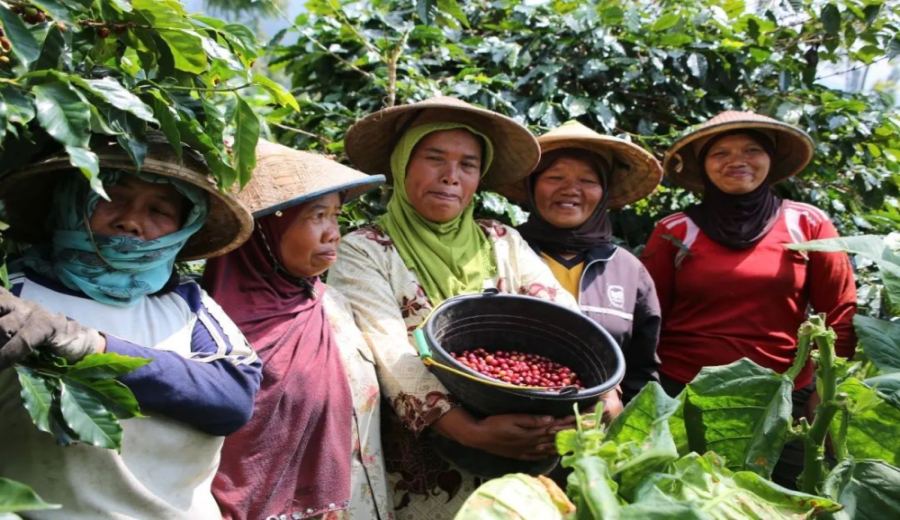
Introduction:Want to delve deeper into the richly flavorful and low-acid Indonesian Mandheling coffee? This article starts with the region’s geography and climate conditions, detailing the unique characteristics of Sumatra’s four renowned coffee-growing areas—Lake Toba, Lake Tawar, Lintong, and Gayo in Aceh—and provides an in-depth analysis of the “wet hulling” process, the key technique behind Mandheling’s distinctive profile. It also offers professional pour over recommendations and real-world examples from well-known roasters to help you grasp the full knowledge map from green bean to cup.
Although Mandheling coffee is the most representative coffee variety from Sumatra, Indonesia, it is not actually the name of a producing region but a transliteration derived from the Mandailing tribe located in northwestern Sumatra. The origin of this name has an interesting World War II anecdote: a Japanese soldier once drank a coffee in an Indonesian café that was richly aromatic and full-bodied. When he asked the shop owner about it, he mistakenly thought the reply referred to the Mandailing region. After the war, this coffee became known as “Mandheling” and gradually came to represent Sumatran Arabica coffee.
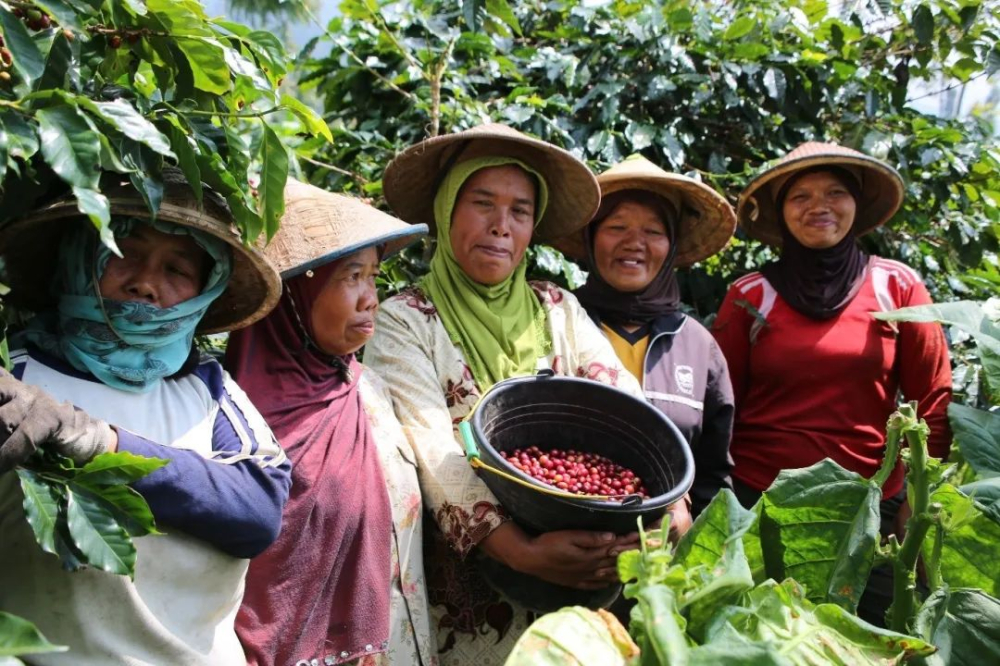
Indonesia is the world’s largest archipelagic country, with its capital in Jakarta, bordering Malaysia, East Timor, and Papua New Guinea. As early as the late 17th century, the Dutch introduced the Arabica Typica variety from Yemen to Indonesia, starting with Java Island and later expanding to Sumatra and Sulawesi. However, a major rust disease outbreak in 1877 led many Arabica coffee plantations to switch to the more disease-resistant Robusta. Today, Robusta accounts for 90% of Indonesia’s total coffee production, while Mandheling remains one of the classic Arabica varieties still cultivated in Sumatra.
Indonesia has a tropical rainforest climate with no distinct seasons throughout the year. Average temperatures range between 25–27°C, with annual rainfall of about 1600–2200 mm. In addition, many areas are located in volcanic zones, resulting in mineral-rich soils that are very suitable for coffee cultivation. Coffee is typically grown at elevations between 900–2100 meters, with around 1200 meters being the most common. The region has two main harvest seasons per year: the primary season runs from September to October, and the secondary season from May to June.
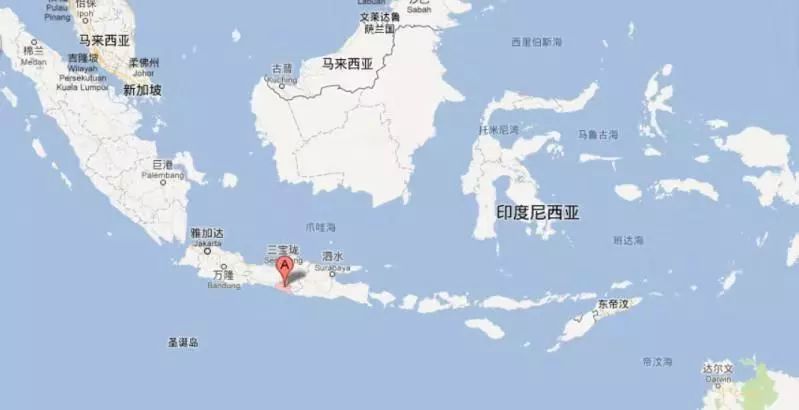
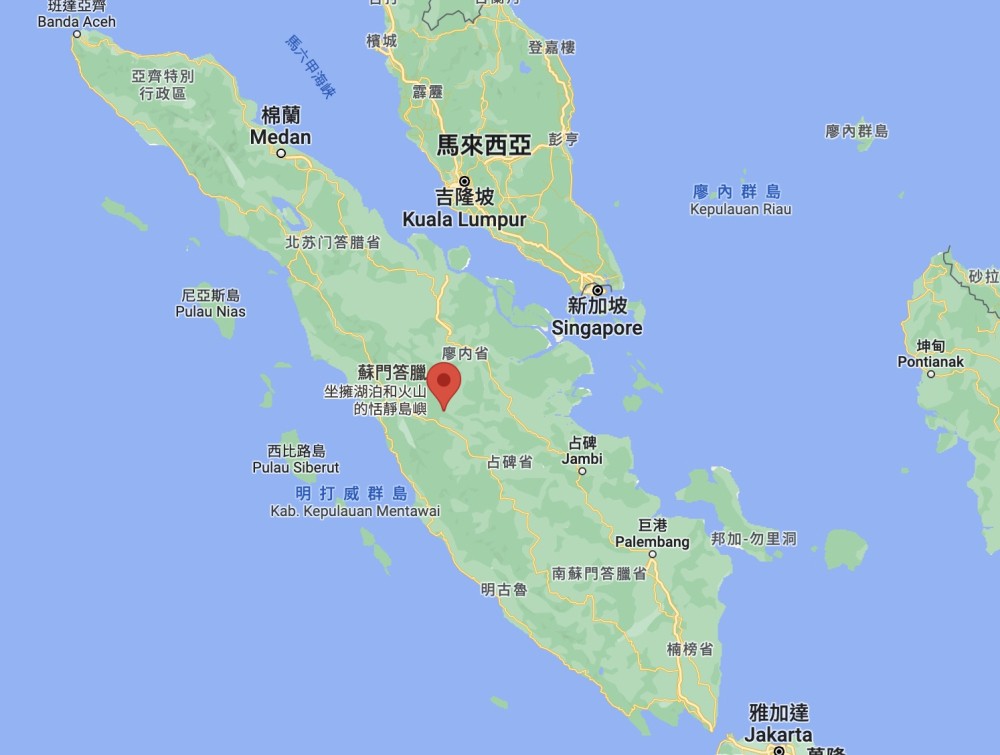
The well-known coffee-growing regions of Sumatra are mainly concentrated in two provinces—Aceh and North Sumatra. Among them, the Gayo Mountains in Aceh Province surround Lake Tawar, at elevations of about 1110–1600 meters. The coffee is grown by local indigenous smallholders under shaded conditions and is mostly processed using the pulped natural method, resulting in a rich, bold, and vibrant flavor profile. This area is highly representative as the source of “Aceh Coffee” or “Lake Tawar Coffee.” Meanwhile, North Sumatra is famous for its Lake Toba and Lintong regions. Lake Toba, the world’s largest volcanic lake, sits at an elevation of about 900 meters, and the coffee produced in the surrounding mountainous areas is what people commonly refer to as “Mandheling.” Lintong is the most representative producing area within the Lake Toba region, and its coffee is often seen as an affordable entry-level option with a bold flavor that retains the classic Sumatran characteristics.
Although Lake Tawar is smaller in size than Lake Toba, it has shown impressive quality and yield performance in recent years. Lintong Mandheling, on the other hand, can sometimes exhibit inconsistent flavors due to varying quality control during harvesting and processing, yet it faithfully presents the distinctive spice and herbal aromas unique to Sumatran coffee. As such, it is often recommended as an introductory choice for experiencing Indonesian Mandheling flavors.
The most distinctive coffee processing method in Sumatra is undoubtedly “wet hulling,” locally known as Giling Basah. Though this technique may appear similar to the more common washed process, it is actually quite different. Due to Sumatra’s persistently humid weather and frequent rainfall, methods like sun drying or traditional washed processing can easily lead to over-fermentation or mold growth. As a result, the region developed a method involving rapid hulling and short-term drying.
The specific process is as follows: first, the coffee fruit’s skin and pulp are removed, leaving the parchment-covered beans coated with sticky mucilage. These beans undergo brief water tank fermentation (some processing facilities even skip the fermentation step), after which they are spread directly on the ground to dry. Because of the humid conditions, drying is slow. To accelerate the process, processors often remove the parchment layer (i.e., the inner husk) earlier, exposing the green beans directly to the sun. At this stage, because the beans still retain a certain level of moisture, friction and high heat can cause physical deformation, resulting in the so-called “elephant ear” or “puckered foot” appearance. This is actually a typical characteristic of wet hulling, not a defect.
This processing method gives Mandheling coffee its intense, bold, and low-acid flavor, often accompanied by unique earthy, spicy, and herbal notes, making it distinctly different from coffees produced in other regions.
When it comes to high-quality Mandheling, “Golden Mandheling” is definitely a star product in the market. Produced and carefully selected by Indonesia’s PWN company, only beans sized 18 mesh or larger are chosen, with no more than three defects per 300g sample, all graded as G1. Each batch also undergoes three rounds of manual hand-picking to ensure cleanliness and sweetness. Compared to traditionally dark-roasted Mandheling, many roasters opt for medium-dark roasts to highlight its classic bold and mellow profile.
Here are the pour over recommendations for both Lintong Mandheling and Golden Mandheling: use a Kono filter cone (its ribs extend to the bottom, resulting in slower flow rate, which helps enhance extraction and body). Water temperature should be controlled at 88°C, with a coffee dose of 15 grams and a coffee-to-water ratio of 1:15. The grind size should be medium-coarse (about 75% passing through a Chinese No. 20 sieve). The specific steps are as follows: start by pouring double the coffee dose (approximately 30 grams) of water for a 30-second bloom to release CO₂; then continue pouring in small circles until reaching 125 grams, followed by a second pour to 225 grams, then stop pouring. Allow the drips to finish before removing the filter cone. The total brew time is approximately 2 minutes. Finally, gently swirl the coffee before pouring it into the cup for tasting.
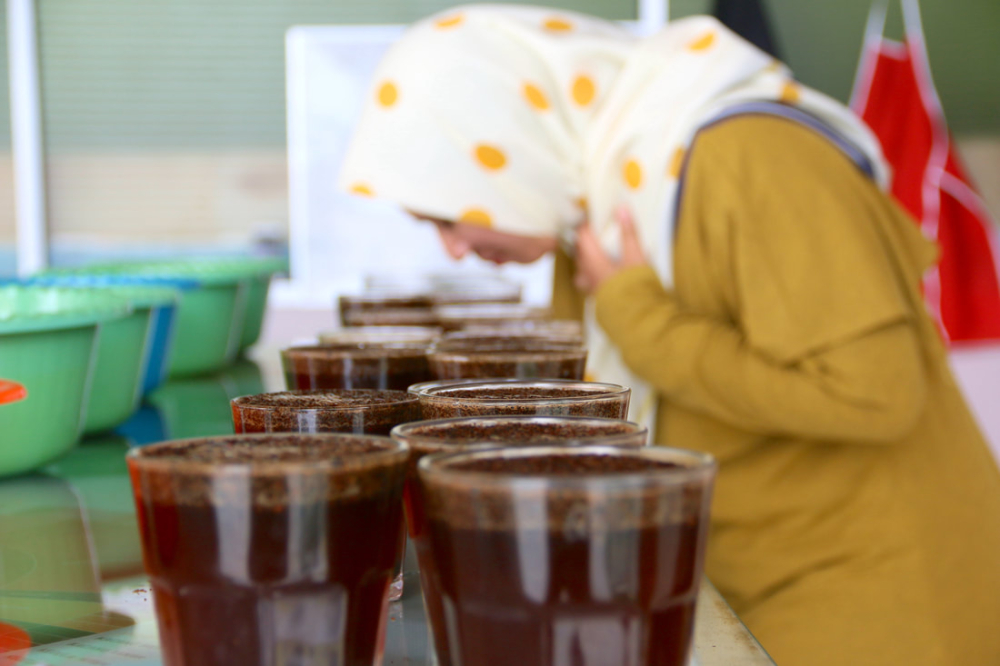
Based on actual tasting feedback, Lintong Mandheling delivers a balanced flavor profile with herbal, chocolate, and caramel notes; whereas Golden Mandheling offers a more refined experience, showcasing multi-layered flavors including nuts, spices, herbs, licorice, chocolate, and caramel—it’s an excellent choice for advanced coffee enthusiasts.
The above content is compiled by CoffeeHunters, a coffee news website.


