







Introduction:Want to understand the flavor characteristics of genuine Blue Mountain No. 1 coffee and how they come through in drip bag form? This article dives deep into the pricing logic and regional grading system of Blue Mountain No. 1 drip bags, while also guiding you to master the correct brewing techniques and key parameters—from water temperature and coffee-to-water ratio to water flow control—step by step, explaining how to brew a cup of coffee that comes close to the true Blue Mountain flavor. It also compares the differences between drip bags and pour over methods to help you make a smarter choice.
The flavor of a drip bag coffee is largely determined from the very beginning by the grade of coffee beans used. When we opt for high-grade Jamaican Blue Mountain No. 1 beans to make drip bags, what kind of taste profile can they deliver? This article will start with the basic principles of drip bags, explore the authentic production region and strict grading system of Blue Mountain coffee, analyze the pricing structure of a certain brand’s Blue Mountain No. 1 drip bags, and guide you through the actual flavor performance and key considerations during the brewing process. Additionally, it will clarify a common misconception: Blue Mountain-flavored coffee is not the same as genuine Blue Mountain coffee, and it will also analyze how different extraction parameters affect the final taste.
The most critical factor in the quality of a drip bag coffee is the grade of coffee beans inside. If you choose high-quality Blue Mountain No. 1 coffee beans, what kind of flavor surprise will the resulting drip bag bring to your palate?
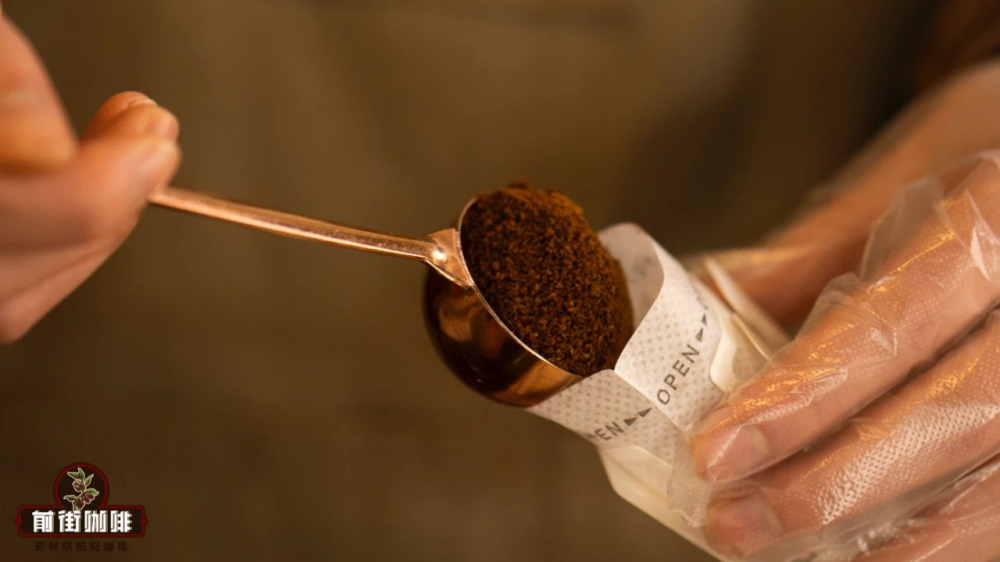
So-called drip bag coffee is essentially pre-roasted coffee beans that are ground into powder and then packed into filter bags with “ears” on both sides. You just hang the “ears” over the edge of a cup and pour hot water to complete the extraction. Each pack usually contains a fixed amount of coffee grounds—for example, a certain brand’s Blue Mountain No. 1 drip bags contain 10 grams per pack. Using a 1:15 coffee-to-water ratio and adding 150 grams of hot water, you can extract approximately 130 grams of coffee liquid.
Compared to pour over, using drip bags is simpler, requiring no additional equipment such as a kettle, filter cone, filter paper, grinder, or thermometer. For those who want a convenient way to enjoy high-quality coffee, it’s an excellent choice. Although most drip bag filters are made of non-woven fabric, they can still effectively filter out coffee grounds. With just hot water and a cup, you can enjoy a rich and aromatic coffee anytime.
So what exactly qualifies as “authentic Blue Mountain coffee”? First, we need to clear up a common misconception: the so-called “Blue Mountain flavor,” “Blue Mountain blend,” or specially formulated Blue Mountain coffees you often see on the market are usually just commercial names and have nothing to do with the genuine Jamaican-grown Blue Mountain No. 1 coffee.
True Blue Mountain coffee is produced exclusively in the Blue Mountains of eastern Jamaica. This region is not only a famous tourist destination but also features fertile, mineral-rich volcanic soil. Coupled with an altitude of up to 2,256 meters and a climate characterized by frequent rainfall and significant day-night temperature variations, the coffee cherries mature slowly under near-perfect conditions, accumulating ample flavor compounds that create its distinctive richness and sweetness.
As early as 1948, the Jamaican government established the Coffee Industry Board (CIB) to oversee coffee cultivation and quality control, ensuring that Blue Mountain coffee meets certain standards. According to local law, only coffee grown at elevations between 910 and 1,700 meters within the four designated administrative regions of Saint Andrew, Saint Thomas, Portland, and Saint Mary—and using the Typica variety—can be called “Jamaica Blue Mountain.” These areas account for only one-third of the total Blue Mountain planting zone, which shows how rare beans that meet the criteria truly are. The CIB further classifies Blue Mountain coffee into NO.1, NO.2, NO.3, and Peaberry based on bean size and defect rate. Among them, NO.1 is the highest grade, requiring green beans to be between 17 and 18 mesh and with a defect rate below 3%. Due to the stringent screening process, the yield of Blue Mountain No. 1 is extremely low. As a result, many cheap “Blue Mountain flavor” coffees on the market are often just dark roasted blends, with no relation to real Blue Mountain coffee.
Upon arrival from the origin, Blue Mountain No. 1 green beans are typically packed in wooden barrels—a practice distinct from other origins. Wooden barrels help maintain the beans’ moisture content and aroma, protecting them from external environmental influences. This is also one of the authentic identifying features of Jamaican Blue Mountain coffee. A certain brand also displays Blue Mountain wooden barrels and origin certificates in its stores for consumer reference and identification.
So, how does the actual flavor profile of Blue Mountain No. 1 drip bag coffee perform? Thanks to the use of high-quality NO.1 grade Blue Mountain beans, this drip bag typically offers aromas of dark chocolate, roasted hazelnuts, and caramel. Upon tasting, it presents a velvety-smooth, rich mouthfeel, with soft and layered acidity and a long-lasting aftertaste—making it a high-quality option that closely resembles the pour over experience. In a certain brand’s product lineup, Blue Mountain No. 1 green beans are priced at 158 RMB per 100 grams, plus around 20 RMB in processing fees for every 10 packs, bringing the overall price to about 178 RMB. Since drip bag coffee requires pre-ground beans, it’s recommended to use freshly roasted beans to preserve maximum flavor. The brand ensures the coffee is shipped within five days of roasting, allowing consumers to enjoy it during its optimal flavor window.
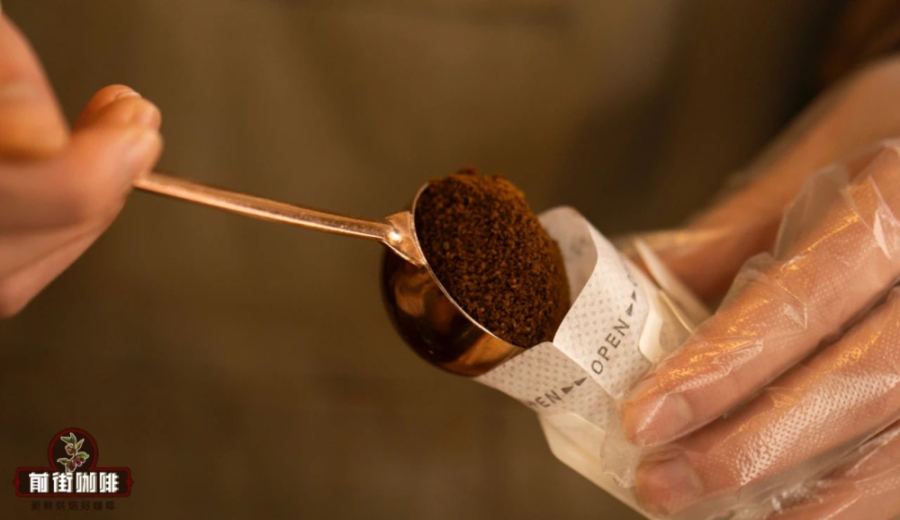
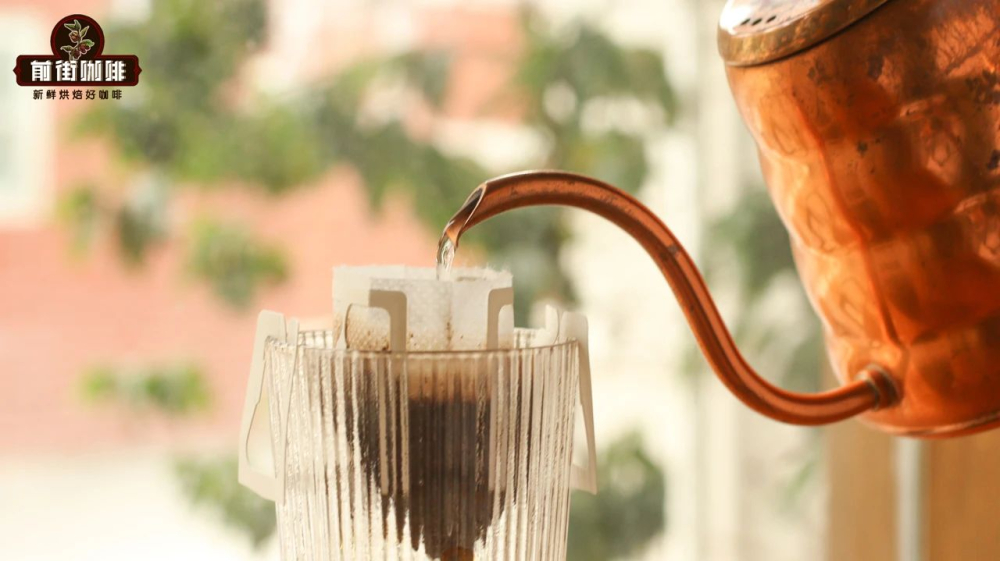
During actual brewing, you can follow these steps: prepare a clean cup, a kettle, and hot water at the appropriate temperature. Tear open the drip bag packaging, cut along the dotted line to open the non-woven fabric pouch, and hang the two side “ears” over the rim of the cup to secure it. The first step is to bloom—pour a small amount of hot water to wet all the coffee grounds and let it sit for about 10 to 20 seconds to release the aromas. Then, slowly pour hot water in a steady, fine stream until the liquid level approaches the rim of the cup. Once the dripping slows to just a little remaining, add more water until full and wait for the dripping to finish. Finally, give it a gentle stir and enjoy.

During the brewing process, several details can significantly impact the final coffee flavor. If the taste turns out too light or lacks complexity, it could be due to insufficient water temperature, a high coffee-to-water ratio, or too fast a water flow. It is recommended to use hot water between 86 and 93°C, a range that can fully extract the sweetness and aroma of Blue Mountain coffee. If you can’t raise the water temperature, you can moderately extend the brewing time to compensate. As for the coffee-to-water ratio,1:15 is a recommended baseline value, which can be fine-tuned according to personal taste; meanwhile, water flow control is key. It is advised to use a thin stream of water, maintaining a stable speed to avoid too fast a flow that may lead to uneven extraction and affect the balance of the taste.
The above content is compiled by CoffeeHunters, a coffee news website.


