







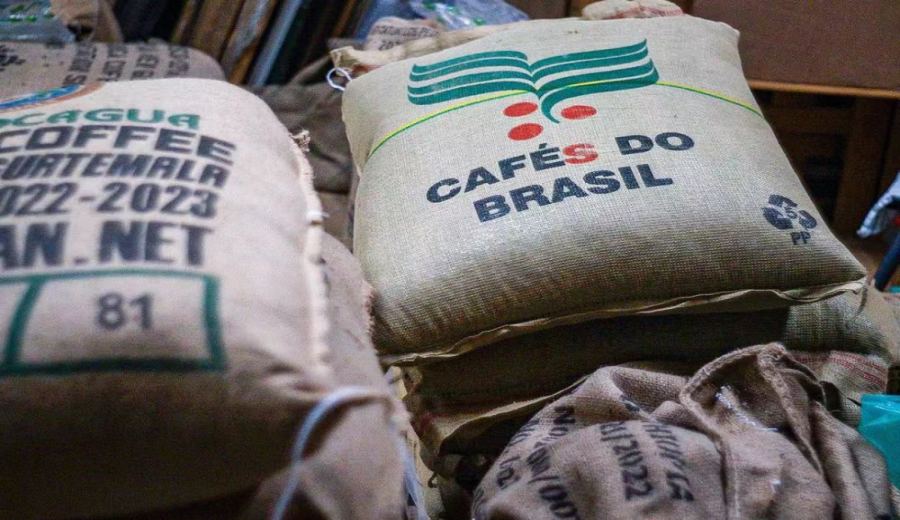
Introduction:As the world’s largest coffee-producing country, Brazil’s Arabica beans are renowned for their stable production capacity and diverse flavor profiles. This article delves into the geographical characteristics and bean variety performance of major Brazilian coffee regions such as Cerrado and Minas Gerais, with a focus on the unique flavor profile of the Red Bourbon variety. It also provides practical pour-over brewing parameter suggestions and an analysis of Brazil’s official coffee grading standards, helping you master the essence of Brazilian coffee from origin tracing to brewing practice.
Brazil is not only the world’s leading coffee producer but also holds the top position by accounting for approximately one-third of global production. Even after facing the dual challenges of frost and drought in 2020, its coffee-growing territory remains unmatched. The country’s numerous regions, varying in geology, altitude, and climate, produce coffee beans with distinctly different flavors. This article will systematically introduce Brazil’s major Arabica coffee regions, including Bahia, Minas Gerais, Cerrado, São Paulo, Paraná, and others, exploring their growing environments and flavor characteristics. It also details the flavor profile, pour-over brewing recommendations, and Brazil’s official coffee grading system for a well-known brand’s Brazilian Cerrado Red Bourbon coffee beans, offering coffee enthusiasts a comprehensive understanding of the origins and brewing practices behind their cup of Brazilian coffee.
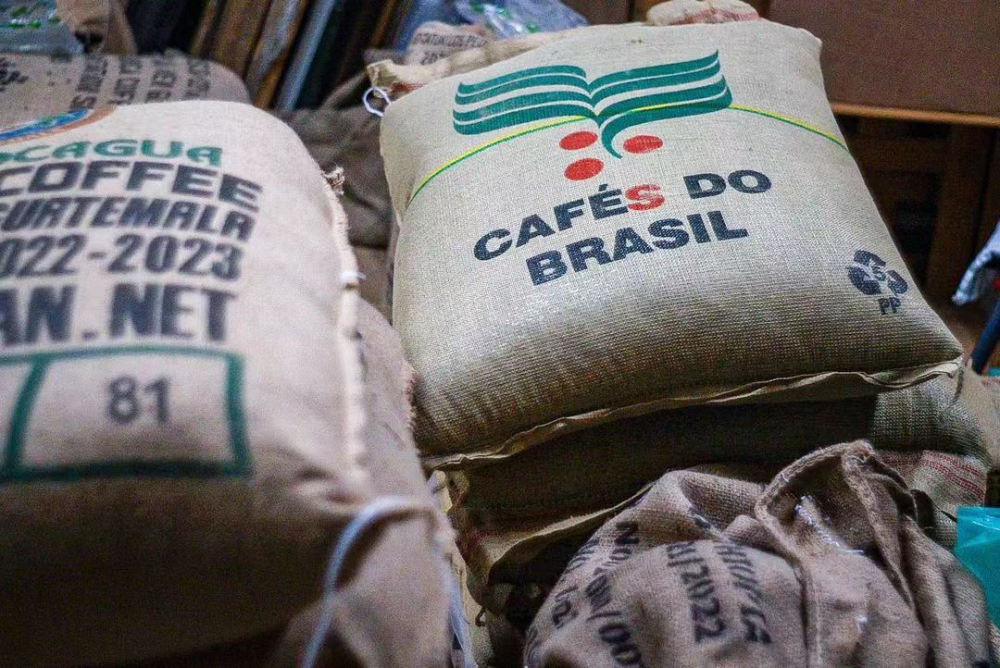
Brazil’s coffee map can be divided into multiple distinctive regions, among which the more representative ones include Bahia, Chapada Diamantina, Cerrado Bahia|West Bahia, Planalto de Bahia, Minas Gerais, Cerrado, Sul de Minas, Chapada de Minas, Matas de Minas, São Paulo, Mato Grosso and Mato Grosso do Sul, Espírito Santo, and Paraná. Each region, due to its unique geographical conditions, endows its coffee beans with a distinctly different personality. The following will introduce the planting characteristics and flavor trends of these regions one by one.
Located at the easternmost tip of Brazil, the Bahia region is vast in area, and in recent years, an increasing number of high-quality coffees have been produced here. Notably, in the 2009 Cup of Excellence competition, five out of the top ten coffees were from Bahia, gradually bringing this region into the spotlight of the industry.
The name Chapada Diamantina originates from the diamond rush of the 19th century, and to this day, remnants of gold and diamond exploration can still be found in the area. Some coffees in this region are grown using biodynamic farming methods, an organic cultivation approach that emphasizes natural cycles. The region is adjacent to the Serra do Espinhaço National Park, situated in the quartzite mountains of the Jequitinhonha River basin, with altitudes ranging between 720 meters and 1,480 meters—very suitable for coffee cultivation.
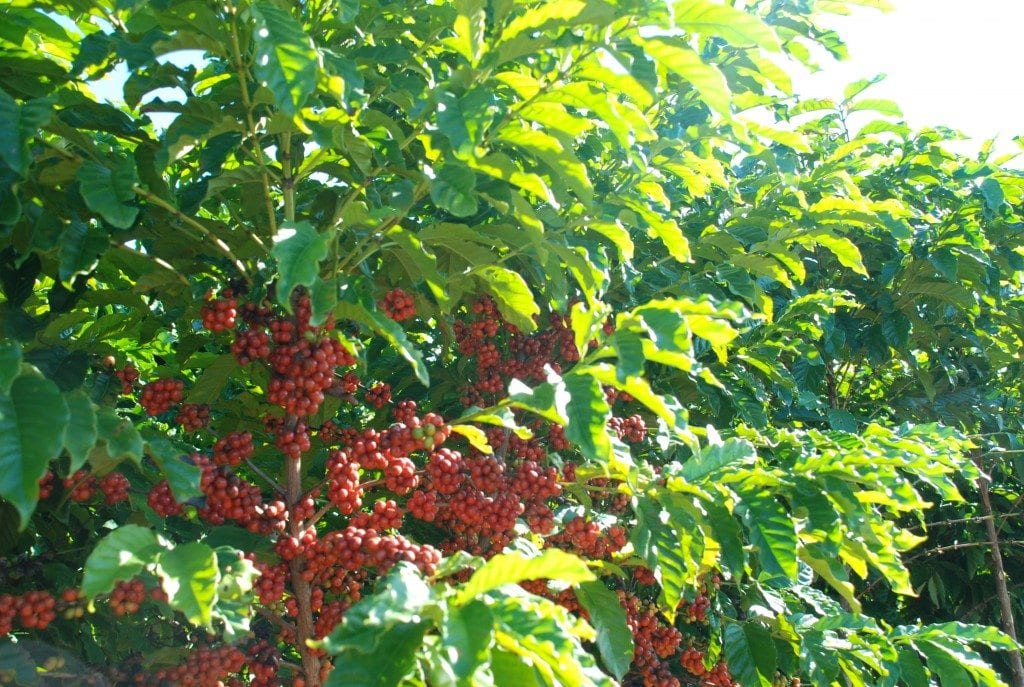
Cerrado Bahia|West Bahia is known for its large-scale, industrialized, and irrigated farming. In the late 1970s, the government introduced incentive policies to attract farmers to settle in the area. Although the altitude is not high, the climate is stable and the sunlight is abundant, which helps increase yield, leading to rapid development.
Planalto de Bahia is one of Brazil’s most technologically advanced coffee-producing regions, with planting and harvesting largely reliant on mechanization. Thanks to its well-developed irrigation systems, the uniform ripeness of coffee cherries results in extremely high production efficiency. Notably, Antônio Rigo de Oliveira from the Chaçará São Judas Tadeu farm in Piatã city scored an outstanding 91.22 points (out of 100) at the 2015 Brazilian Pulped Naturals Cup of Excellence, and because his score exceeded 90 points, he was awarded the Presidential Coffee Seal. This region has a relatively high altitude, a warm climate with dry summers and rainy winters, producing coffee with prominent sweetness, mostly low-acid and intensely flavored Catuaí varieties.
Minas Gerais is Brazil’s largest coffee-growing state, accounting for nearly half of the country’s total production and also a major source of specialty coffee. The state is home to Brazil’s highest mountain range, with planting altitudes ranging from 100 meters to 1,500 meters. Its highest point, Pico da Bandeira, stands at 2,891.9 meters, providing ideal growing conditions for coffee.
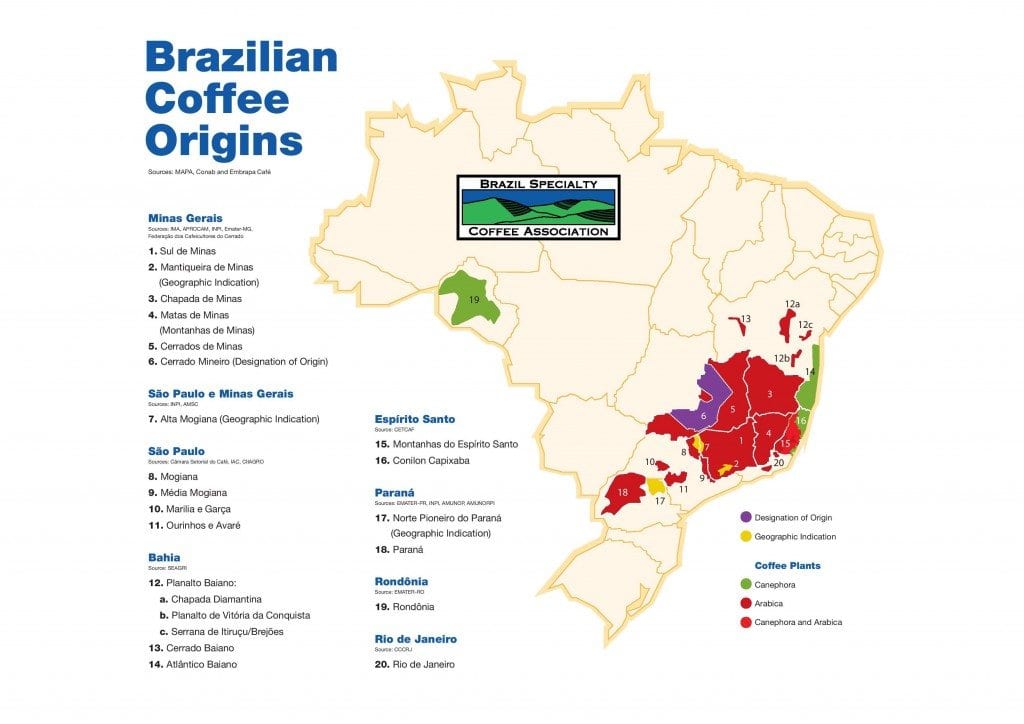
Cerrado is a well-known high-quality coffee-producing region in Brazil, where a certain well-known brand has also sourced coffee from the Baixada Estate. Cerrado coffee is grown on the savannah at altitudes of 850 to 1,200 meters, with an average annual temperature of about 20°C. The distinct dry and wet seasons and cool climate create unique flavors. This region mostly uses the Pulped Natural processing method, where coffee beans are dried along with their pulp and mucilage, preserving rich organic matter and minerals. This results in coffee with intense aroma, subtle sweetness, and chocolatey notes, delicate lemon-like acidity, balanced mouthfeel, and a long aftertaste.
A well-known brand’s Brazilian Cerrado Red Bourbon coffee beans are sourced from the Cerrado region, with the Red Bourbon variety, semi-washed processing, and planted at an altitude of about 1,000 meters. Its aroma is gentle and refined, with an overall elegant flavor profile; the taste is low in acidity, smooth, and balanced, making it a relatively mild type among Brazilian coffees. It is recommended to use a KONO filter, with water temperature controlled at 88°C, a coffee dose of 15 grams, a coffee-to-water ratio of 1:15, and a grind size of 75% passing through a #20 sieve. Brewing follows a three-stage extraction: first, a 30-second bloom with double the water volume (about 30 grams); then, pour water in small streams from the center outward in circles to 125 grams, wait for the water level to drop by half, and then pour to 225 grams to finish, with a total extraction time of about 2 minutes.
Sul de Minas (Southern Minas) has an average altitude of 950 meters and a temperature of about 22°C, producing about 30% of the country’s coffee, mostly from small family farms. The region mainly features Catuaí, Mundo Novo, and Icatu varieties, with flavors often characterized by lemon acidity and fruity notes, and a full body.
Chapada de Minas is the first region in Brazil to receive the Origin Denomination (Cerrado Mineiro) certification, a status similar to wine regions. The area consists of 55 municipalities, with altitudes ranging from 800 to 1,300 meters and distinct seasons, suitable for producing specialty coffee. Common varieties are Mundo Novo and Catuaí, with relatively higher acidity, medium body, and sweetness, and some areas are suitable for mechanized production.
Matas de Minas is located in the Atlantic Forest, featuring undulating terrain and a warm, humid climate, with 80% of farms smaller than 20 hectares. This region is known for its specialty coffees, often with sweet notes such as caramel and chocolate, and the main varieties are also Catuaí and Mundo Novo.
São Paulo is a historically significant coffee-producing state in Brazil and is also home to the main export port of Santos. Notable regions include Mogiana and Centro-Oeste de São Paulo. Mogiana, with altitudes of 900 to 1,100 meters and a mild climate, features diverse terrain and produces coffee with balanced sweetness, mainly Mundo Novo and Catuaí varieties. The Centro-Oeste region, with its rolling hills, is mostly composed of small and medium-sized farms. A certain well-known brand has praised the Yellow Bourbon coffee from the Queen’s Estate in this region, where the semi-washed processing imparts bright acidity and tropical fruit aromas, while the dominant notes remain nuts and chocolate.
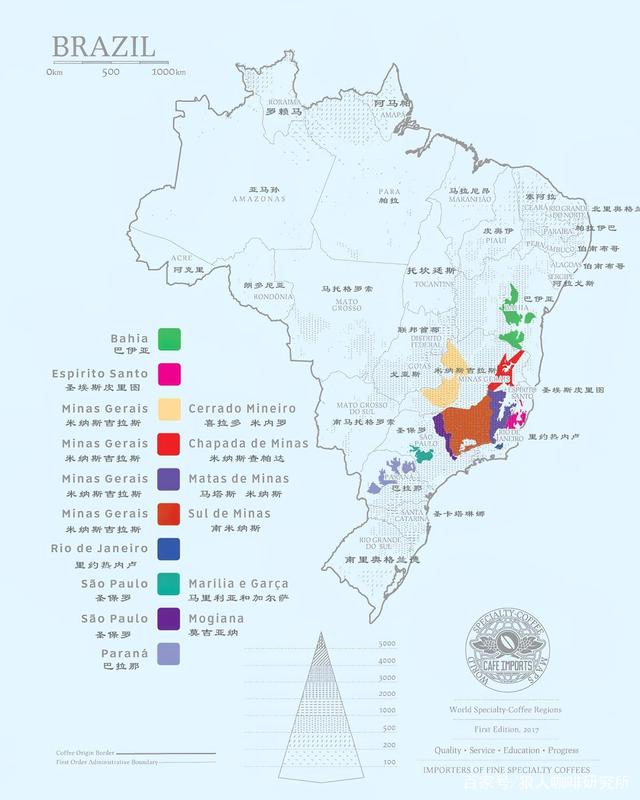
Paraná is the southernmost coffee-producing region in Brazil. Though small in area, it accounts for 25% of the country’s production and once altered population distribution due to coffee cultivation. The region has lower altitudes, but the coastal climate provides favorable conditions for coffee growth.
Brazil’s coffee grading system is diverse, primarily based on the rate of visual defects, cupping quality, and bean size. The official grading is divided into two main categories: type and cupping. Type grading is based on the number of defective beans in a 300-gram sample, categorized from Grade 2 to Grade 8, with lower numbers indicating higher quality, and black beans being the most severe defect. Cupping evaluation is mainly sensory-based, with classifications including Strictly Soft, Soft, Hard, ‘riada’, ‘rio’, and ‘rio zona’, ranked from highest to lowest. This grading system, with a long history and profound impact, not only ensures export quality but also directly influences the final value of the coffee.
The above content is compiled by CoffeeHunters, a coffee news website.


