







Introduction:Did you know that Mandheling is actually part of the Arabica family? This article delves into the three major Arabica varieties, introduces the origin background and wet-hulled processing method of Mandheling, and analyzes the variety classification, authenticity identification, and flavor profile of Golden Mandheling. It helps you understand why it can still deliver richly layered aromas and tastes even under heavy roasting.
When you walk into a café, you often hear the term “Arabica,” but do you truly understand what it means? Currently, the world’s commercial coffee is mainly divided into three categories: Arabica, Robusta, and Liberica. The widely popular Mandheling is actually an important branch under Arabica. This article will detail the origins of Arabica, the characteristics of its mainstream varieties, and explore in depth the origin, processing method, and market positioning of Golden Mandheling, helping you understand the connection between Mandheling and Arabica from the root, and grasp the key factors in evaluating the quality of Golden Mandheling.
Many chain coffee brands emphasize using “100% Arabica,” but this statement is overly vague. In fact, Arabica originated in Ethiopia and is the most consumed coffee variety globally, accounting for about 60% of total production. It features bright flavors, mild acidity, and rich aromatic layers. Robusta, on the other hand, is valued for its strong environmental adaptability and disease resistance, making it an economical choice in the market. Its flavors are bold but often come with woody or earthy undertones. Although Liberica is rarely seen in the market, it was once known for its unique shape and smoky floral notes, though it is now seldom circulated. Additionally, Excelsa was originally considered a separate variety but is now classified under Liberica, often used in blends to add complexity.
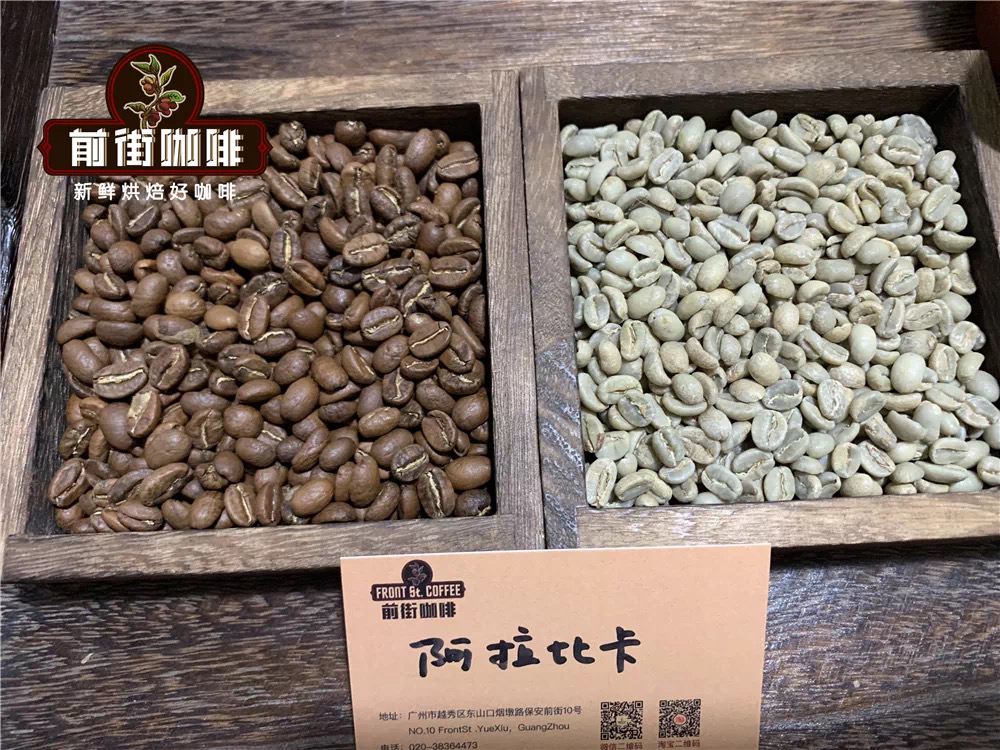
Arabica coffee trees prefer high altitudes, stable rainfall, and partial shade. They are shorter in stature, easier to manage, but sensitive to climate changes, requiring more meticulous care. Compared to other varieties, Arabica offers a richer flavor spectrum and finer acidity, but is also more susceptible to pests and diseases, so its quality is closely tied to growing conditions.
Among the many Arabica varieties, Typica, Bourbon, Catimor, and Heirloom are more common types. Typica is known for its slender bean shape and elegant citrus acidity, but due to its weak disease resistance and low yield, it is now mostly found in high-altitude specialty regions. For example, Jamaican Blue Mountain originates from the Typica lineage. Blue Mountain coffee grows between 2,000 and 5,500 feet above sea level, nurtured by volcanic soil and cool climates, resulting in delicate flavors with a unique sweetness. Only a few regions in the world can produce coffee of comparable quality.
Bourbon is a natural mutation of Typica, with rounder beans, softer acidity, and caramel and nutty notes. It is commonly found in high-altitude regions such as Brazil. Its fruits turn from green to deep red as they ripen, eventually becoming dark red—known as “Red Bourbon”—and is an important base variety for many specialty coffees.
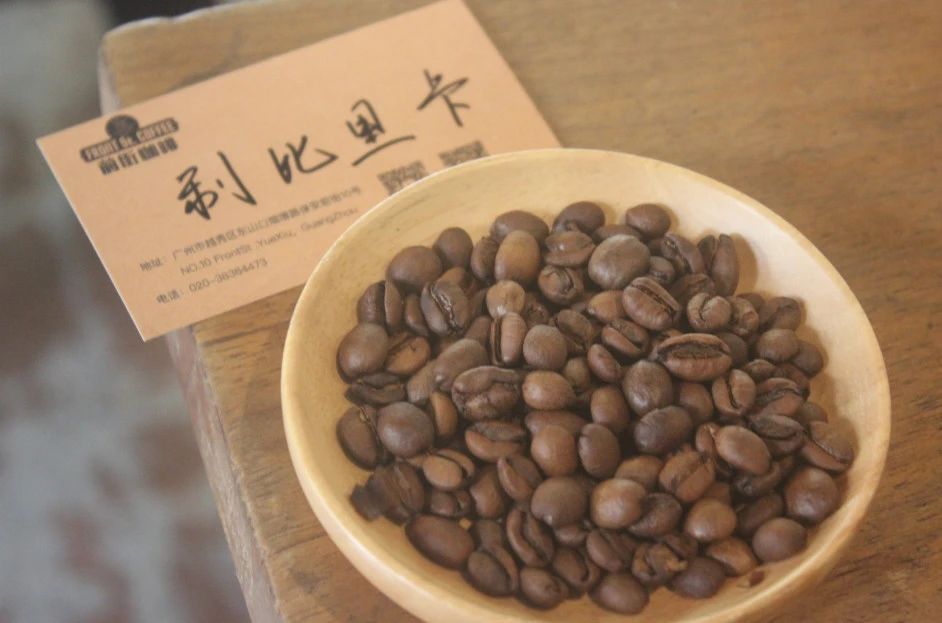
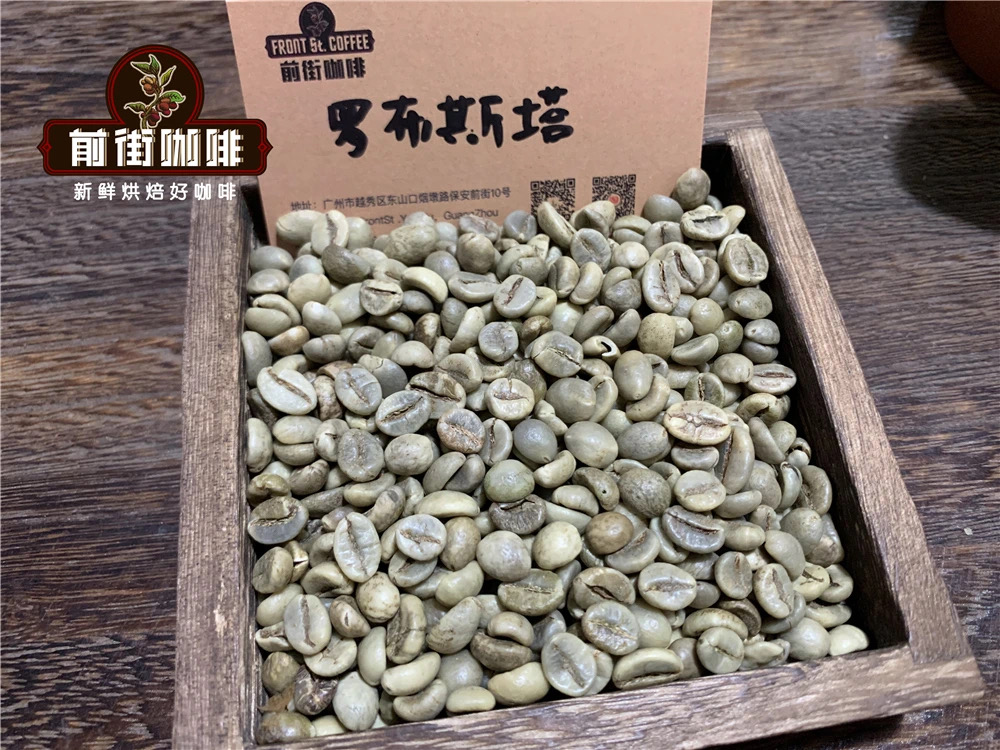
As for Catimor, it is a hybrid variety cultivated to resist coffee leaf rust. It boasts strong disease resistance and high yields, and is widely planted in Southeast Asia, especially in Indonesia and Yunnan. Many consumers, when tasting Indonesian Golden Mandheling, may notice the term “ateng” on the packaging, which is actually the local Indonesian name for Catimor. Despite the different name, Catimor is still an Arabica variety, so Golden Mandheling is definitely part of the Arabica family. This bean, processed using Indonesia’s unique wet-hulling method, features intense herbal, spicy, and dark chocolate aromas, with a full body and low acidity, making it highly favored by heavy coffee drinkers.
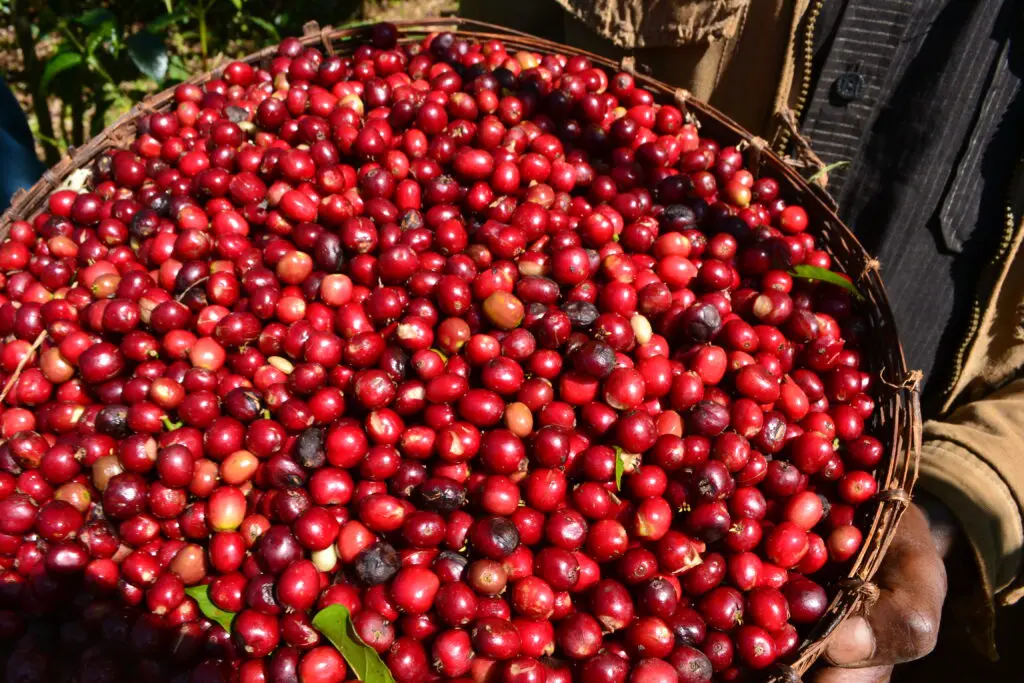
Wet-hulling is a coffee processing method unique to the Sumatra region of Indonesia. The steps include: first removing the skin of the coffee cherry, then fermenting to remove the mucilage layer, followed by initial drying to about 50% moisture content, further drying to 25–35%, and finally removing the parchment layer and air-drying to a final moisture content of 12–13%. This process imparts rich earthy and herbal notes to the coffee while maintaining a full-bodied structural texture. Notably, the Mandheling from Wahana Estate in Sumatra’s Sidikalang uses the natural sun-drying method, enhancing tropical fruit and fermented wine-like aromas, offering a flavor profile distinctly different from the wet-hulled version.
As for the oft-mentioned “Golden Mandheling,” it is actually a premium-grade Mandheling from Aceh, Sumatra, Indonesia. Based on the Catimor variety, it undergoes strict selection and high-level processing, paired with medium to medium-dark roasting, showcasing layers of spice, nuts, and dark chocolate. It’s important to note that the name “Golden Mandheling” has been registered as a trademark by Indonesia’s PWN company. Therefore, only the version produced by PWN can be considered authentic. When purchasing, consumers can identify genuineness through the PWN logo on the packaging and the factory certificate. Usually, genuine products are transported in gunny sacks bearing the PWN mark.
In addition to Golden Mandheling, Indonesian Mandheling offers a variety of other flavor profiles, such as Tiger Mandheling, Lintong Mandheling, Aged Mandheling, and Wahana Estate Mandheling, each showcasing different processing methods and variety characteristics. Ranging from herbal spices to tropical fruits, they provide a rich array of choices. For coffee newcomers or those seeking new flavors, understanding these differences can help you find the one that suits your taste best.
In summary, Mandheling is not only part of Arabica but has also become the top choice for many heavy coffee drinkers due to its unique origin and processing methods. Whether you prefer the fruity diversity of Ethiopian heirlooms or the bold herbal notes of Indonesian Mandheling, you can find your own coffee experience within the diversity of Arabica.
The above content is compiled by CoffeeHunters, a coffee news website.


