








Introduction:Limu is a relatively niche yet highly promising coffee-growing region in Ethiopia, distinguished by its unique flavor profile that sets it apart from the more renowned Yirgacheffe and Sidamo. This article delves into one of the region’s representative coffee lots — the Limu Tianlai Natural, which won third place in the AFCA African Fine Coffee Competition. It covers the growing environment, processing methods, G2 grade standards, flavor profile, and offers practical pour-over parameters, making it ideal for enthusiasts eager to explore new flavors or expand their coffee horizons.
Although Limu is one of Ethiopia’s important coffee regions, compared to Yirgacheffe or Sidamo, it has lower production and has traditionally been more focused on the European and American markets, making it less accessible in regions like Taiwan or Hong Kong. However, in recent years, an increasing number of coffee lovers have started paying attention to this terroir, especially the Limu Tianlai Natural, which won third place in the AFCA African Fine Coffee Competition. Its distinctive flavor profile has sparked discussion. This article will focus on the background of this coffee lot, its processing techniques, grade specifications, flavor characteristics, and includes pour-over recommendations to help readers gain a fuller appreciation of the charm of Limu coffee.
Taking this award-winning lot as an example, it uses a local native variety (commonly referred to as Heirloom), grown at an altitude of approximately 1,900 meters, representing a typical high-altitude Ethiopian cultivation environment. The region, named Limu, is located in the southwestern part of the country, with climatic conditions conducive to coffee growth and mineral-rich soil that imparts a unique regional character to the beans. Like many Ethiopian coffees, those from Limu are mostly cultivated by smallholder farmers and processed in traditional and meticulous ways.
The Limu Tianlai Natural employs the traditional Natural (dry) process, whereby harvested coffee cherries are dried with the fruit flesh still intact, allowing the sugars and flavor compounds within the pulp to gradually penetrate the seed (the coffee bean). This method imparts a richer fruity aroma and sweetness but also demands optimal weather conditions and highly skilled processing techniques. It is understood that this particular lot comes from the local Kesageisi Farm, which rigorously controls the drying environment and duration during processing. Its outstanding performance in the competition, earning third place in the AFCA, speaks volumes about its quality.
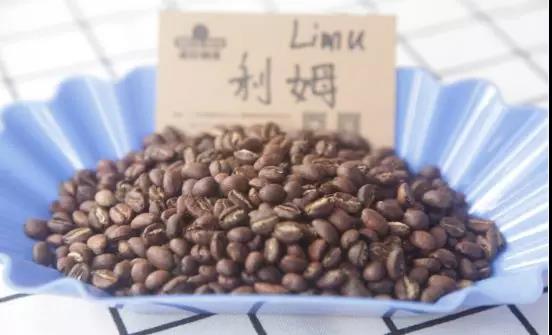
In terms of grading, this coffee belongs to Ethiopia’s G2 grade, which typically refers to high-quality green beans with a low percentage of defects after sorting, generally suitable for the specialty coffee market. Though not as rare as G1, G2 beans still offer a high level of flavor consistency and drinking value, making them a choice for many roasters and baristas. This particular lot is roasted to a light-to-medium level, preserving the delicate nuances of the native variety while maintaining a balanced body, making it suitable for various brewing methods, including pour over, French press, siphon, and even moka pot.
In terms of flavor, Limu coffee shows clear differences compared to the more well-known Yirgacheffe or Sidamo. In comparison, Limu has a lighter body, and its floral and citrus notes are more subdued, yet it carries a unique grassy aroma, a soft cocoa undertone, and a hint of sandalwood. The finish is delicate, with layers of ripe fruit and wine-like notes. Specifically, bright acidity reminiscent of strawberries and passionfruit often stands out, accompanied by lingering notes of fermented fruit, resulting in an overall balanced and intriguing flavor structure.
For coffee enthusiasts who enjoy pour-over brewing, here are some practical parameters for reference: It is recommended to use a small Hario grinder set to grind size 3.5 (approximately the coarseness of white sugar), with a coffee-to-water ratio of 1:16 — that is, 15 grams of coffee grounds to 240cc of water. Water temperature should be controlled between 88–90°C, with a total brew time of around 1 minute and 55 seconds. The specific steps are: start with a 30-second bloom using 30cc of water, then continue pouring until reaching 240cc, and remove the filter at the end of the total brew time. Please note, these parameters are suggested for use with a Hario filter cone; adjustments to grind size and water flow may be needed if using different filter cones or brewing devices.
For readers who are new to specialty coffee, if you are already familiar with the bright floral and fruity notes of Yirgacheffe or the rich citrus profile of Sidamo, you might want to try this uniquely flavored natural-processed coffee from Limu. It can not only broaden your flavor experience but also give you a deeper understanding of Ethiopia’s coffee diversity. Furthermore, many coffees from the Limu region are grown organically, which is not only environmentally friendly but also better highlights the true character of the land and coffee variety. Whether as a daily drink or as a starting point for exploring niche origins, Limu coffee is well worth adding to your coffee list.
The above content is compiled by CoffeeHunters, a coffee news website.


