







Introduction:Sidamo is a renowned high-altitude specialty coffee region in southern Ethiopia, famous for its diverse microclimates and native coffee varieties. This article will take an in-depth look at the naturally processed 74158 variety coffee produced by the Hamasho washing station in Sidamo, exploring everything from the growing environment and processing methods to the actual flavor characteristics. It aims to help readers fully understand this uniquely flavored, versatile specialty coffee bean suitable for various brewing methods, as well as gain insight into the advantages of its variety and the details of its processing.
Sidamo is located in southern Ethiopia, bordering Kenya, and is one of the world’s most celebrated regions for specialty coffee. The area sits at elevations ranging approximately from 1,400 to 2,200 meters, with varied terrain, deep volcanic soils, and a unique combination of microclimates and numerous native coffee varieties. These factors contribute to the coffee's remarkable diversity in aroma, acidity, and aftertaste. Among its offerings, Sidamo has not only produced well-known beans like Huaku, but also specialty washing stations like Hamasho, which are noted for their delicate floral notes.
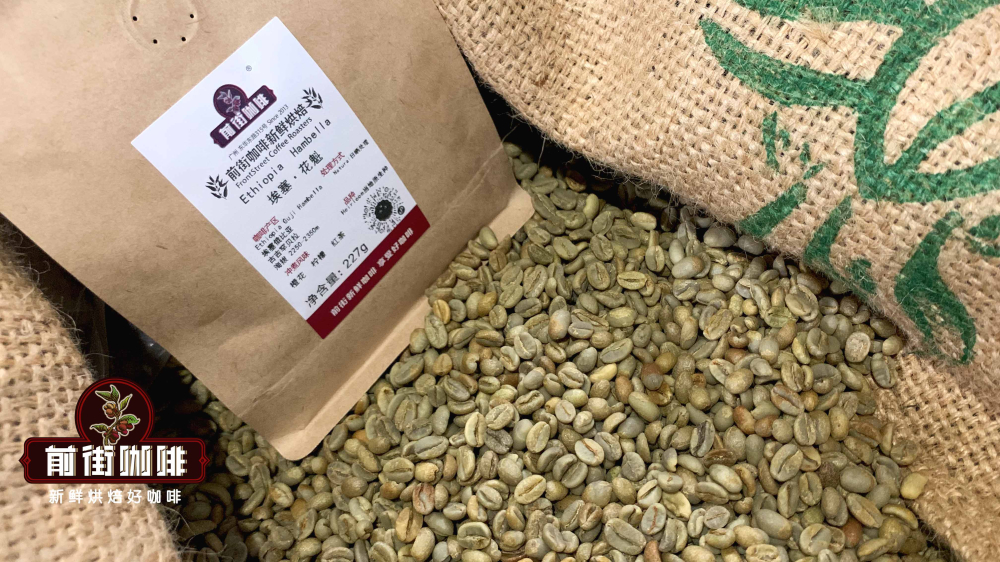
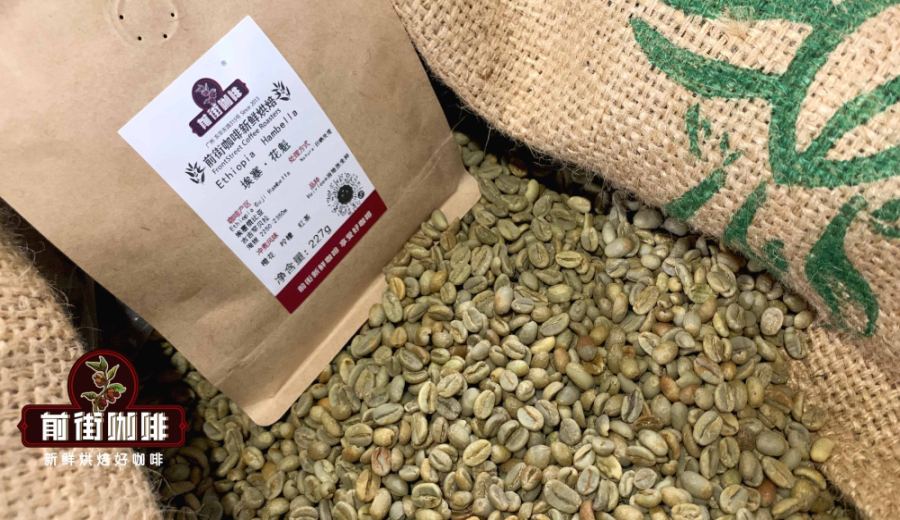
Overall, Sidamo green coffee beans are typically light green in color, small to medium in size with an elongated oval shape, yet the cherries are firm and plump. After washed processing, the beans often exhibit a notably rich body and long-lasting aftertaste. Due to the wide variety of soil compositions and microclimate conditions, coffees produced by different villages or washing stations can vary significantly in flavor profile, earning the region its reputation as a “flavor treasury.” According to past international evaluation data, between 2010 and 2012, Sidamo frequently received high scores of 92 to 94 in authoritative competitions, demonstrating the excellent quality of its green beans.
The region’s terrain includes mountains, plateaus, river valleys, and plains, with soils covered in well-draining, organic-rich volcanic earth. The soil layer can be nearly two meters deep, with the surface often appearing dark brown or brownish. This type of soil effectively retains nutrients and maintains fertility through natural cycles, providing an ideal environmental foundation for the growth of coffee plants.
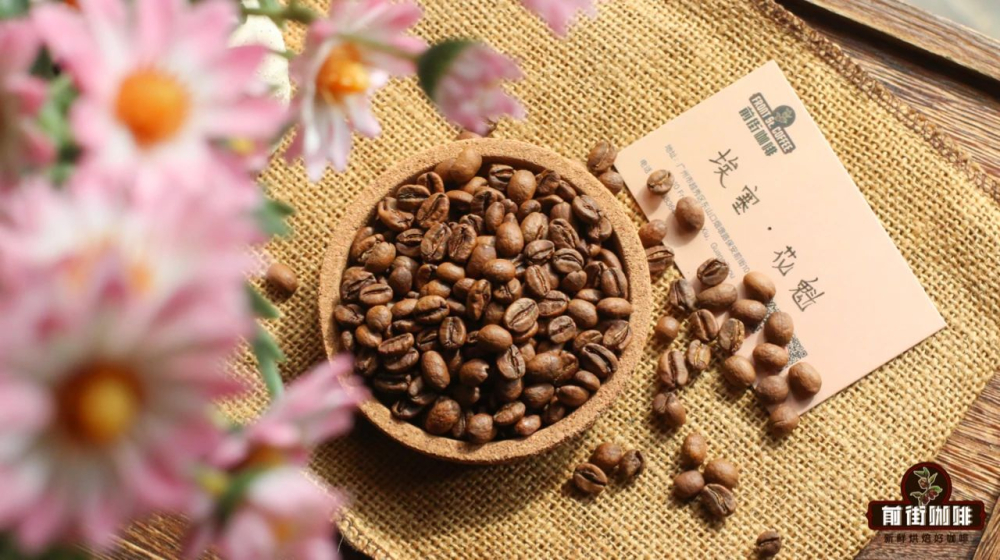
To experience the classic floral and fruity profile typical of traditional Sidamo, the new-season naturally processed Huaku coffee beans are a classic choice. These beans come from the Buku Able washing station in the Guji-Hambela region, grown at altitudes between 2,250 and 2,350 meters from Ethiopian native varieties, using the natural processing method. They display intense citrus, strawberry, passion fruit, and fermentation aromas, with a tea-like mellow finish. Suitable for most brewing methods, they are a popular entry-level option for many coffee enthusiasts.
In addition to Huaku, Sidamo’s vast region also hides several other specialty coffees worth savoring. For instance, coffee from the Hamasho washing station offers delicate floral notes and a diverse range of fruit flavors. This coffee often presents layered aromas such as magnolia, mango, guava, and peach, and performs exceptionally well when brewed using methods like pour over, cold brew, French press, or even a smart dripper.
The Hamasho washing station is located in Hamasho village, north of the town of Bensa. "Hamasho" means "snake" in the Sidamo language, symbolizing strength and spirituality in local culture. Coffee farming here is mainly carried out by smallholder farmers, but thanks to the region’s exceptional geographical conditions and subsequent collaboration with Daye Bensa Coffee, the overall coffee quality has seen significant improvement.
Established in 1996, Daye Bensa Coffee is a highly respected local coffee trading company that maintains partnerships with dozens of washing stations and thousands of coffee farmers. It not only supplies high-quality green beans but also provides guidance on cultivation and post-harvest processing techniques, making significant contributions to elevating the overall standard of the coffee industry. Eliyas, the founder of the previously popular Elto coffee, also worked at Daye Bensa and accumulated extensive experience in the region.
After partnering with Daye Bensa, the Hamasho washing station has seen notable improvements in quality control and processing techniques. Its coffee has won awards in both domestic and international coffee evaluations and has gained the favor of both coffee professionals and consumers. The washing station primarily grows disease-resistant varieties from the 74 series developed by the Jimma Agricultural Research Center (JARC). The 74158 variety featured here is one of the members of that series.
The 74158 variety coffee beans are notably uniform in appearance, small and round, with a screen size of around 10 to 12. This consistency stems not only from the cultivation of a single variety but also from the Hamasho washing station’s strict selection and processing procedures. During the green bean harvest, only fully ripe red coffee cherries are selected, and a secondary screening is used to remove underripe or overripe fruits, ensuring that every bean entering the post-harvest stage has the best possible foundation.
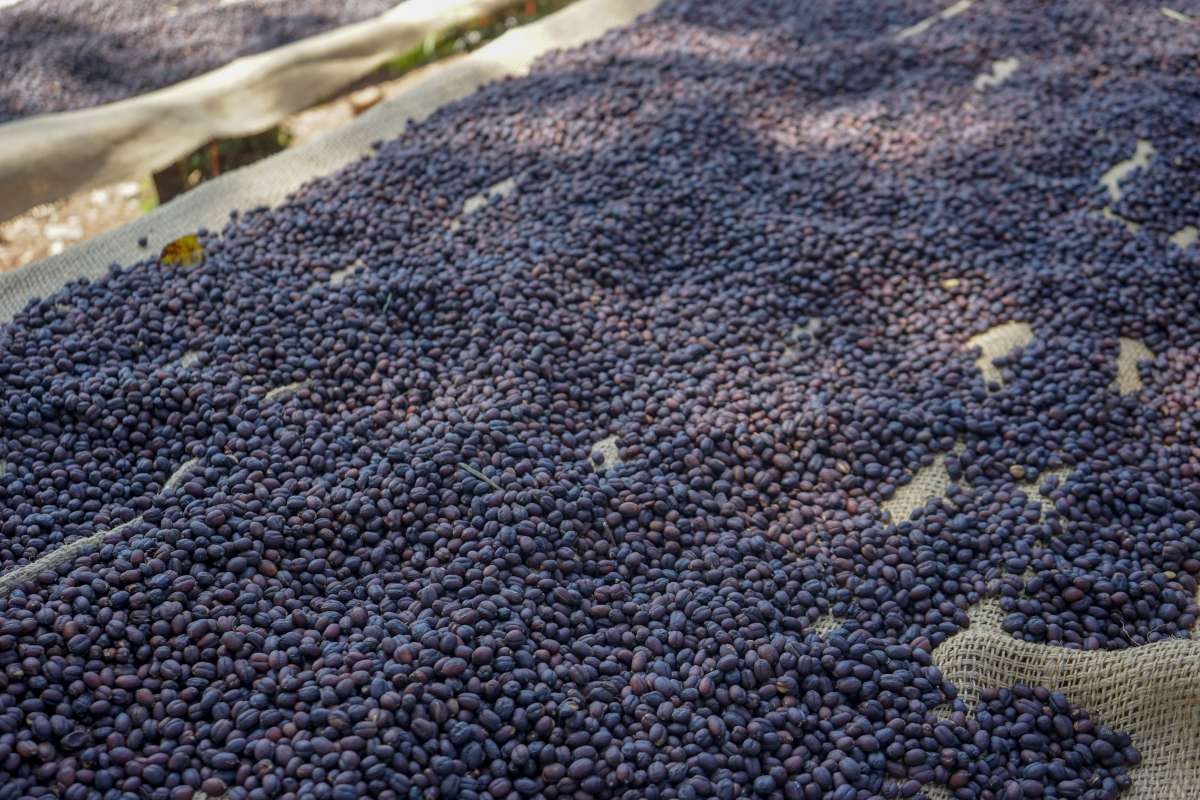
The 74158 coffee introduced here is processed using the natural method. Before sun-drying, harvested red cherries undergo an initial screening to remove defective ones, then they are evenly spread on drying beds for a 2 to 3 week sun-drying process. During this period, the cherries are continuously turned to ensure even drying and prevent mold. Once the moisture content reaches the desired range, hulling is performed in preparation for export.
In terms of roasting recommendations, a medium-light roast best highlights the unique flavors of 74158. Through multiple cuppings and adjustments to the roasting profile, the optimal medium-light roast level was chosen to bring out its full potential. These Hamasho 74158 coffee beans are produced in the Bensa region, at an altitude of about 1,920 to 2,020 meters, and feature distinct aromas of strawberry, floral notes, guava, sweet orange, honey, and green grapes. They are suitable for various brewing methods, especially pour over.
At the grinding stage, this coffee already emits a pleasant dry fragrance, including sweet scents like perfume lemon, strawberry, and starfruit. After brewing, it delivers a rich and balanced flavor profile, making it a truly rewarding Sidamo specialty coffee worthy of in-depth appreciation.
The above content is compiled by CoffeeHunters, a coffee news website.


