








Introduction:Want to understand the unique charm and brewing secrets of cold drip coffee? This article delves into the extraction principles of cold drip coffee, compares it with hot brewing, and details key parameters such as coffee-to-water ratio, grind size, and drip rate. It also recommends single-origin beans suitable for low-temperature extraction and practical blending options, guiding you to master the skills needed to brew rich and smooth cold drip coffee at home.
As September arrives, the south remains enveloped in heat. For many coffee enthusiasts, a refreshing and crystal-clear iced coffee is the perfect choice to beat the summer heat. In specialty cafés, a setup that resembles scientific lab equipment often catches customers’ curiosity—this is the professional equipment used to make cold drip coffee. Originating from the Netherlands, cold drip coffee uses ice water to slowly extract flavors over an extended period at low temperatures, bringing out the coffee’s rich yet gentle layers, resulting in a truly distinctive flavor profile.
The birth of cold drip coffee is said to date back to the Netherlands, hence it is also known as Dutch-style drip coffee. Its most distinctive feature is the abandonment of high-temperature hot water in favor of slowly dripping ice water. By extending the extraction time in a low-temperature environment, the aromatic compounds in the coffee are delicately released, creating a taste experience that is entirely different from hot brewing. Through a laboratory-like drip device, the ice water uniformly seeps through the coffee grounds drop by drop, fully showcasing the charm of low-temperature extraction.
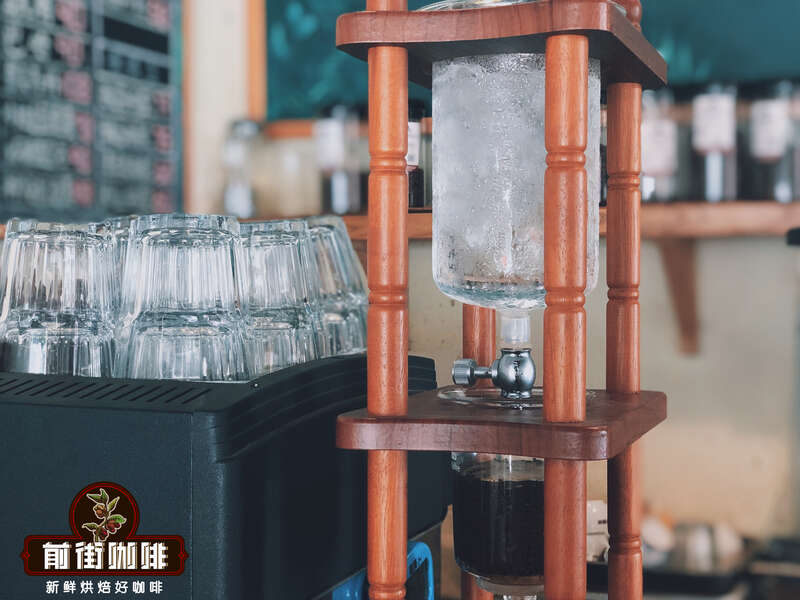
The core principle of cold drip coffee lies in the “collaboration of time and low temperature.” Different water temperatures significantly affect the flavor presentation of coffee, and a low-temperature environment effectively suppresses the release of astringent substances. Under prolonged ice water immersion, the coffee liquid, after resting, is then placed in the refrigerator for oxidation, which can evoke subtle fermented aromas, making the overall taste smoother and fuller. Since there is no high-temperature involvement throughout the process, not only are fewer impurities released, but the caffeine content is also relatively lower, making it more suitable for those seeking a delicate flavor profile.
The difference between ice water and hot water extraction is mainly reflected in the efficiency of flavor molecule release. High temperatures cause tannic acid to rapidly decompose into quinic acid, quickly releasing layered tastes of acidity, sweetness, and bitterness, but it can also easily bring out unwanted woody fiber off-flavors prematurely. In contrast, low-temperature extraction, through slow and prolonged infiltration, can only extract small-molecule flavors such as floral and fruity notes, while larger-molecule substances like smoky or dark roast characteristics are less likely to dissolve. Therefore, cold drip coffee better preserves the original pure flavors of the coffee beans, resulting in a softer taste, distinct layers, and a long-lasting aftertaste.
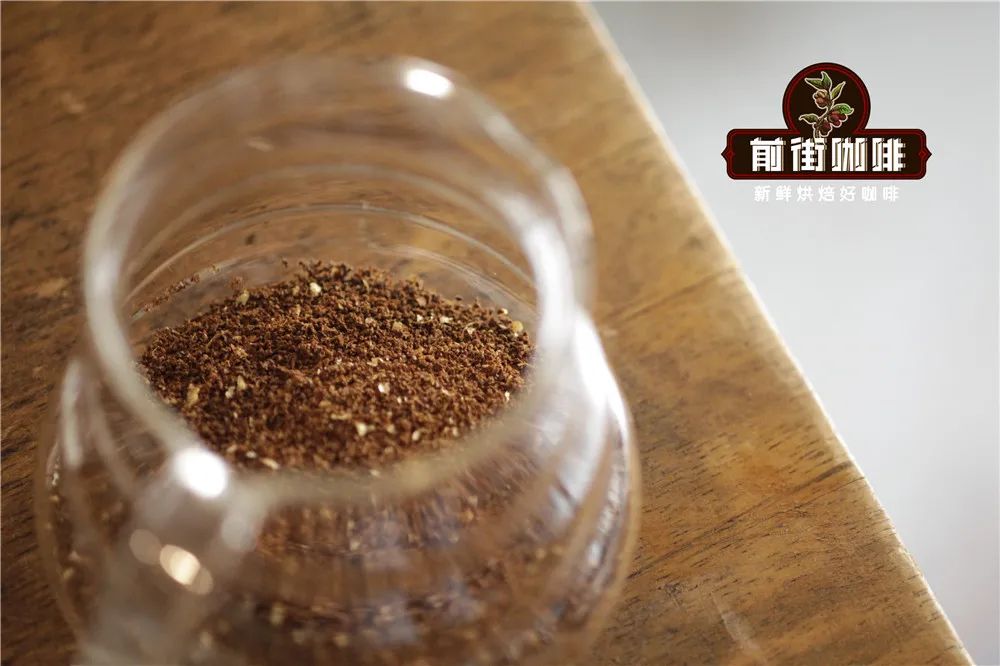
When making cold drip coffee, there are several key elements to pay special attention to. The first isgrind size. It is recommended to choose a coarseness similar to sugar granules. Tested with a Chinese standard No. 20 sieve, the passing rate should be controlled between 75% and 85%—slightly finer than the typical pour over grind, but not too fine, to avoid channeling effects that could lead to over-extraction or bitterness. The next iscoffee-to-water ratio. The recommended range is 1:10 to 1:12. The coffee liquid extracted at this ratio can be consumed directly or adjusted in concentration by adding ice cubes according to personal preference.
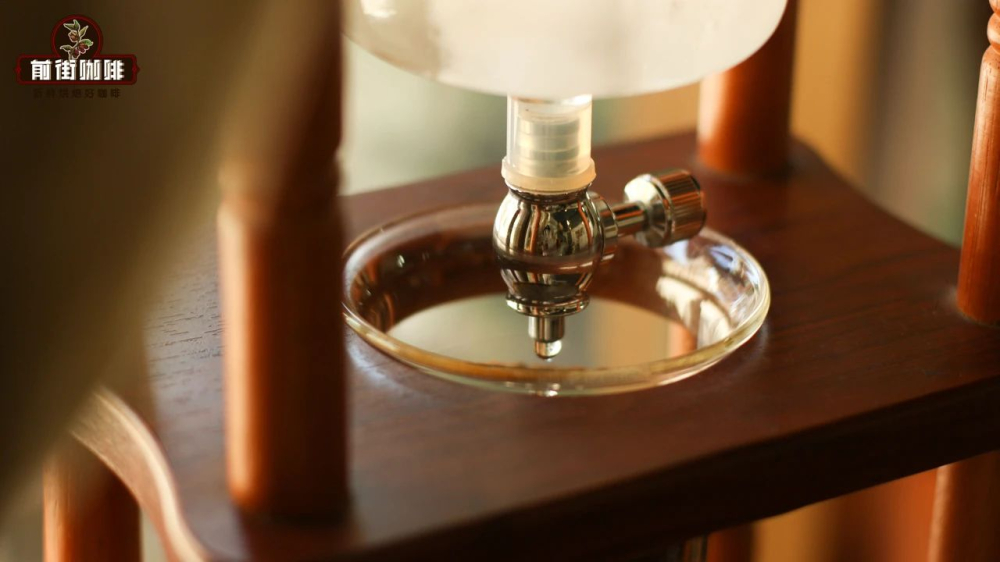
Before starting the extraction, be sure to moisten the coffee grounds with a small amount of water to help the coffee bed reach a water-saturated state, improving the uniformity of subsequent extraction. Additionally, it is recommended to place a piece of filter paper on top of the coffee bed to ensure even distribution of the water droplets, avoiding under-extraction in certain areas due to concentrated dripping points, which could affect the overall flavor. This step is crucial for the balance of the final product.
Generally speaking, the extraction time for cold drip coffee is recommended to be controlled between 12 to 14 hours. Overly long steeping may lead to excessive flavor release, resulting in unnecessary bitterness. After extraction, it is recommended to pour the coffee liquid into a sealed container and place it in the refrigerator for 12 to 24 hours of oxidative resting. This process is not fermentation in the traditional sense, but rather, through the accumulation of carbon dioxide pressure inside the bottle, it encourages further release of flavor molecules, making the taste richer. However, note that the resting time should not exceed three days to avoid the influence of airborne bacteria on coffee quality.
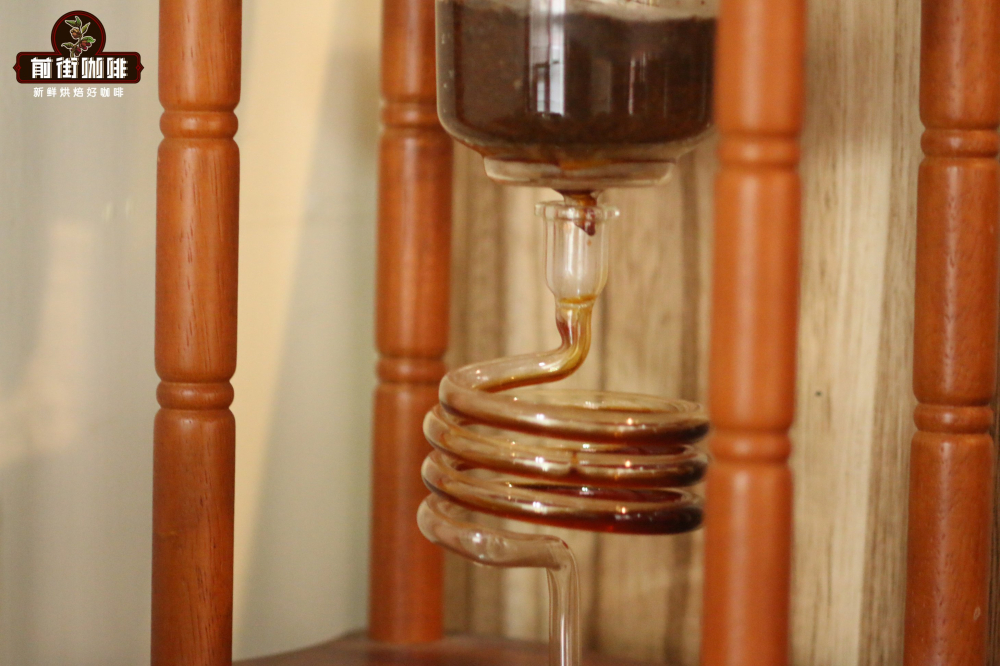
As for coffee beans suitable for cold drip extraction, medium to medium-light roasts are ideal. These beans typically exhibit rich floral, fruity notes, and fermented characteristics, which can fully leverage the advantages of low-temperature extraction. For example, Costa Rica’s Musician Series or Honduras’ wine barrel-processed beans are good choices. Some cafés use blends to combine the characteristics of different beans—for instance, one bean providing clear aromas and another enhancing flavor layers—to create a more balanced and nuanced taste profile.
Here is a practical brewing reference: Use 60 grams of coffee grounds (a 20-gram Geisha blend paired with 40 grams of sherry cask beans), with a coffee-to-water ratio set at 1:10, and a total of 600 milliliters of ice water mixture. During operation, place a round filter paper at the bottom of the coffee chamber and press it flat, then add another layer of filter paper to ensure even water distribution. The pre-soaking step, similar to the bloom in pour over, helps improve overall extraction consistency. The drip rate is recommended to be adjusted to 7 drops per 10 seconds, and the device should be placed in a cool, vibration-free location to avoid external interference during extraction. Finally, refrigerate the finished coffee liquid for overnight oxidation to enjoy a more harmonized cold drip coffee.
The above content is compiled by CoffeeHunters, a coffee news website.


