







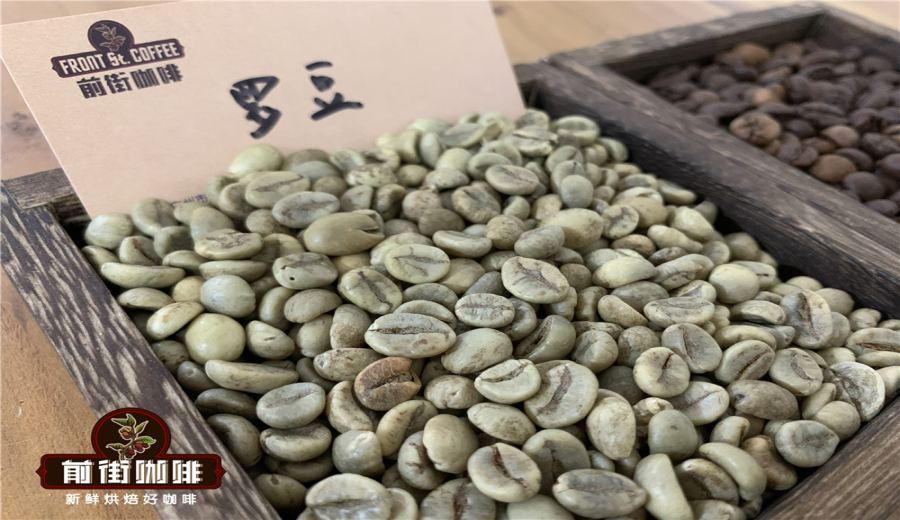
Introduction:Robusta is often regarded as a low-grade coffee bean, but in reality, it plays an indispensable role in the coffee industry. This article delves into the origins of Robusta, its characteristics, how it differs from Arabica, and its pivotal position in Italian espresso blends. By understanding its high caffeine content, strong disease resistance, and how proper roasting and blending can highlight its unique flavors, we aim to help coffee enthusiasts rediscover this often underrated bean variety.
For frequent coffee drinkers, the name Robusta should not be unfamiliar. Often referred to as "luodou" (a phonetic nickname), this coffee variety has long been labeled as having "poor flavor" or "low quality," and its popularity lags far behind that of Arabica. But is such an evaluation fair? In fact, Robusta not only holds an important position in the global coffee supply chain but also demonstrates irreplaceable value in certain applications. This article will guide you through a comprehensive re-evaluation of Robusta—from its botanical background and cultivation traits to its flavor profile and market positioning.
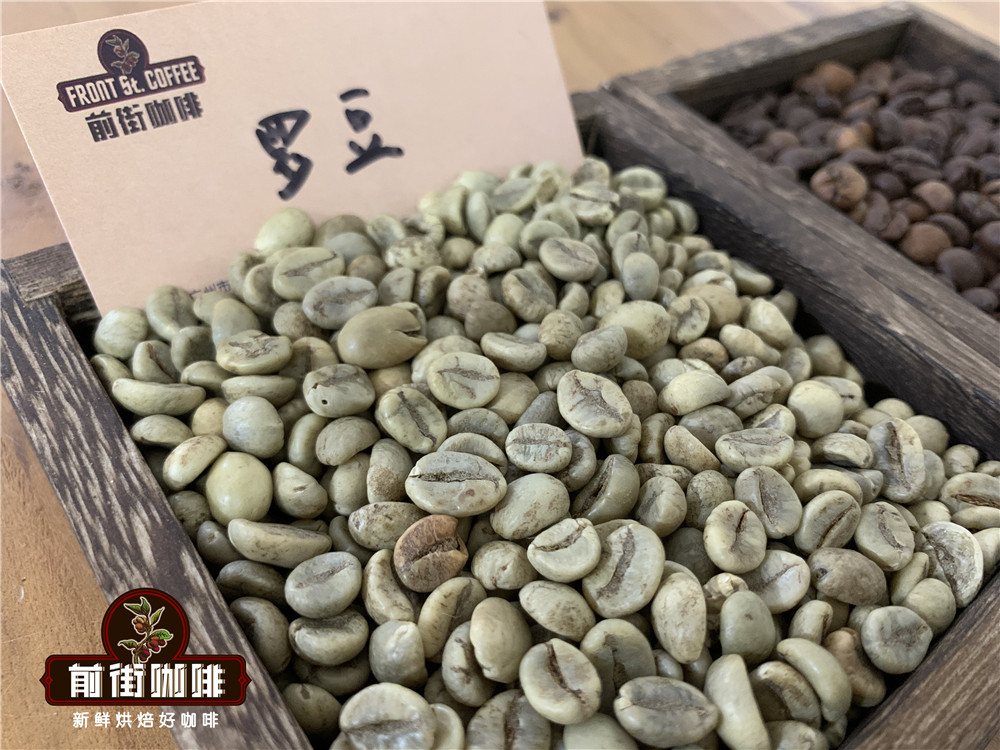
The scientific name of Robusta is Coffea canephora var. Robusta (often simply called Coffee Robusta Linden), and it is one of the world’s major cultivated coffee varieties and a key ingredient in many commercial coffee products. As early as the late 19th century, the outbreak of coffee leaf rust devastated Arabica crops, nearly destroying many coffee farms. Although some attempts were made to switch to Liberica, its low yield and poor flavor prevented widespread adoption. Against this backdrop, Robusta emerged as a standout. Originally native to Uganda and the Congo region in Africa, it boasts extremely strong disease resistance and environmental adaptability. Not only does it grow quickly, but its resistance to pests and diseases also far surpasses that of Arabica, quickly winning favor among farmers.
From a taxonomic perspective, Robusta belongs to the Coffea canephora species, also known as Congo coffee or robusta-type coffee. Compared to the more common Arabica, only Robusta within the Coffea canephora species has been widely commercialized, almost becoming synonymous with the species. Additionally, hybrid varieties derived from crosses between Robusta and Arabica—such as Timor and Catimor—are now widely planted and classified under the broader Arabica category.
In terms of cultivation conditions, Robusta exhibits extremely high adaptability. It tolerates high and low temperatures, drought, and humidity, with much less demanding growing environment requirements compared to Arabica. More importantly, Robusta contains a caffeine content as high as 1.7% to 3.0%,nearly double that of Arabica. This high caffeine level not only gives it stronger natural pest resistance but also enables it to thrive in low-altitude regions without relying on the cool climate of high altitudes like Arabica does. As a result, Robusta can be grown on flat land using mechanized methods on a large scale, reducing production costs and increasing yield per unit area, which is why it is generally sold at a lower price. For example, most coffee grown in China’s Hainan region is Robusta.
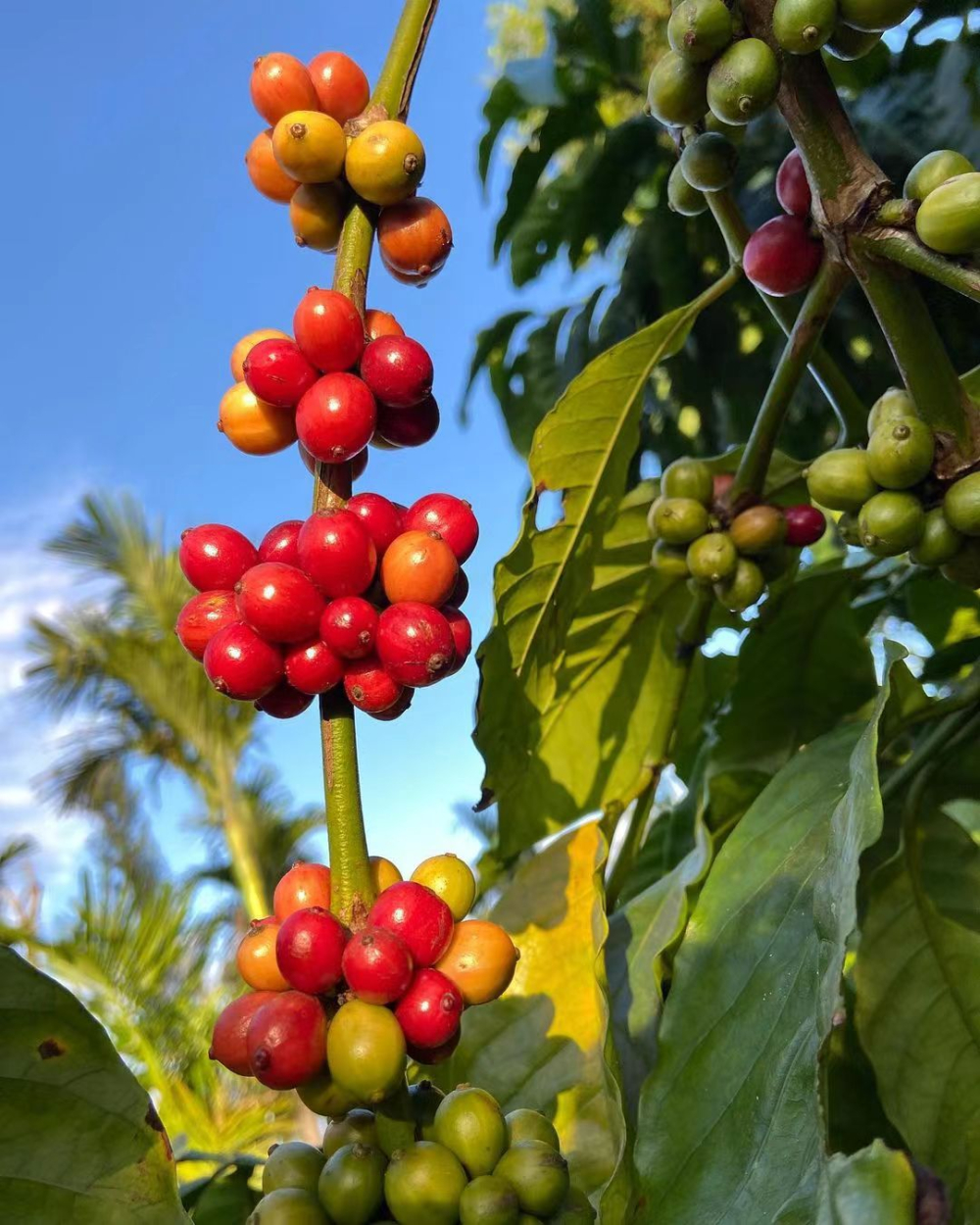
However, despite these advantages, Robusta generally receives poor evaluations in the consumer market. This is closely related to its flavor characteristics. Scientific analysis shows that Robusta coffee cherries have higher levels of chlorogenic acid and lower levels of sucrose. Chlorogenic acid is the main cause of bitterness and astringency, while sucrose is the foundation of coffee aroma and sweetness. As a result, Robusta often exhibits low acidity, pronounced bitterness, and a relatively dull flavor. Common flavor descriptors include walnut, peanut, hazelnut, barley tea, and grains. If processed improperly, it may also produce a strong earthy taste or even an unpleasant rubbery note—reasons why many people avoid it, commonly referred to as the "luodou taste."
However, deeply roasted Robusta can reveal a completely different charm. During the high-temperature roasting process, the beans accumulate a large amount of carbon dioxide gas, which allows them to release rich and fine oily crema when extracted as espresso. This crema not only enhances visual appeal but also brings a more intense, mellow aroma and mouthfeel to the coffee. In fact, traditional Italian espresso is characterized by its bold, low-acid, and heavy-bodied profile, aligning perfectly with the flavor direction of dark-roasted Robusta. Especially in Italy, where consumers prefer strong-tasting coffee with rich crema, many Italian espresso blend recipes deliberately include a certain proportion of Robusta to enhance the overall richness and complexity of the flavor.
If you’re curious about Robusta but unsure whether you can accept its intense original flavor, it’s recommended to start with blended beans. For instance, combining 10% washed Robusta with Arabica beans from other regions can often yield surprisingly good results. Taking a classic Italian blend as an example, its composition includes 30% washed Colombian beans, 60% Brazilian pulped natural beans, and 10% washed Robusta. This ratio not only preserves the rich crema and solid body released by deeply roasted Robusta but also balances the overall acidity, sweetness, and aroma through the Arabica component. The final espresso extraction features a golden, thick layer of crema, with a smoky bitterness upon entry, followed by a creamy, smooth mouthfeel and a clean, lingering aftertaste.
The above content is compiled by CoffeeHunters, a coffee news website.


