







Introduction:Yirgacheffe is one of the classic coffee-growing regions recognized by specialty coffee enthusiasts worldwide, renowned for its bright acidity and citrus & floral flavor profiles. This article delves into the evolution of the Yirgacheffe region, the ECX grading system, its geographical and growing environment, the uniqueness of the native Heirloom variety, and how processing methods such as washed and natural affect flavor. Finally, three representative processed flavor profiles are recommended to help readers make more precise choices based on personal preferences.
Yirgacheffe is not just a small town in Ethiopia, but also a key name in the global specialty coffee map. This sub-region located in the northwest of the Sidamo zone is famous for its unique citrus, lemon aroma, and jasmine notes, paired with bright acidity and a clean mouthfeel, making it a top choice for many pour over coffee lovers. This article will take you deep into the charm of Yirgacheffe from the perspectives of regional history, geographical conditions, and processing techniques.
As early as the mid-20th century, Yirgacheffe and surrounding areas primarily used traditional natural processing methods for coffee beans, which did not yet exhibit the astonishing flavor characteristics seen today. It wasn’t until the 1970s, when the first washed coffee processing station in the Sidamo zone was established locally and advanced washed processing technologies and equipment from Central and South America were introduced, that a turning point in Yirgacheffe’s flavor profile began. Washed processing not only improved the overall quality of the coffee beans but also allowed the distinct fruity acidity of citrus and lemon, along with floral characteristics, to be fully expressed, laying the foundation for its classic style described as “soft yet layered, like fruit tea.”
To promote the internationalization of the coffee industry, the Ethiopian government registered the flavor profiles of three major regions, including Yirgacheffe, as trademarks in 2004, and established the Ethiopian Commodity Exchange (ECX) in 2008. Under the ECX system, coffee beans are strictly graded and categorized based on region, processing method, and cupping results, ensuring buyers can choose coffees with specific flavor characteristics according to their needs. The so-called “Yirgacheffe flavor” typically refers to coffee with prominent citrus and lemon fruit aromas, accompanied by subtle floral notes, with overall bright acidity, a clean mouthfeel, and well-defined layers—sometimes even described as “soft yet distinctive, like a cup of fruit tea.”
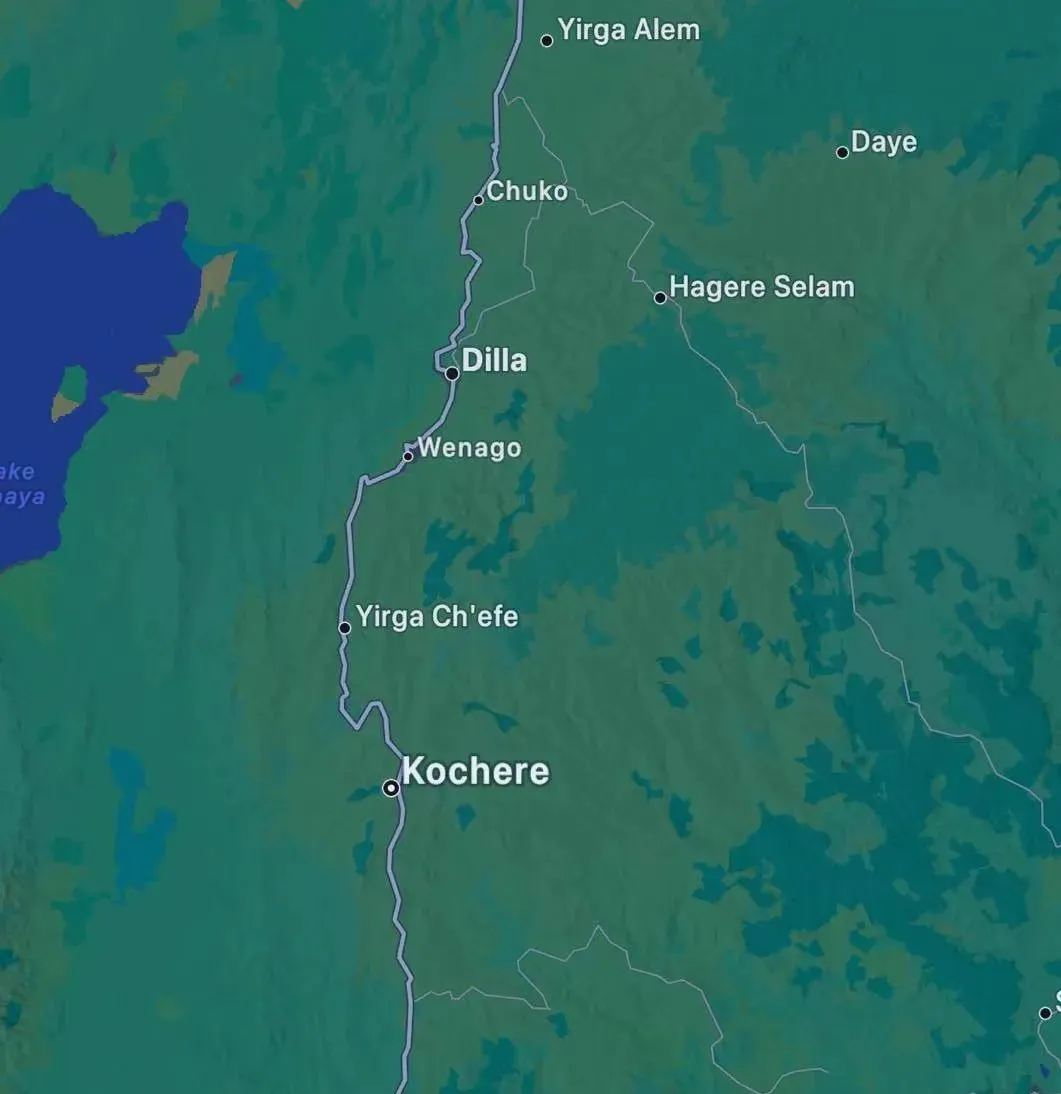
According to the ECX classification criteria, in addition to the town of Yirgacheffe itself, surrounding regions such as Wenago, Gelena Abaya, and Kochere, due to similar geography and microclimates, also often produce coffee that falls under the Yirgacheffe flavor category. In fact, the coffee from these areas shows little difference in aroma and taste compared to the core Yirgacheffe region, hence they are also considered part of the same flavor group.
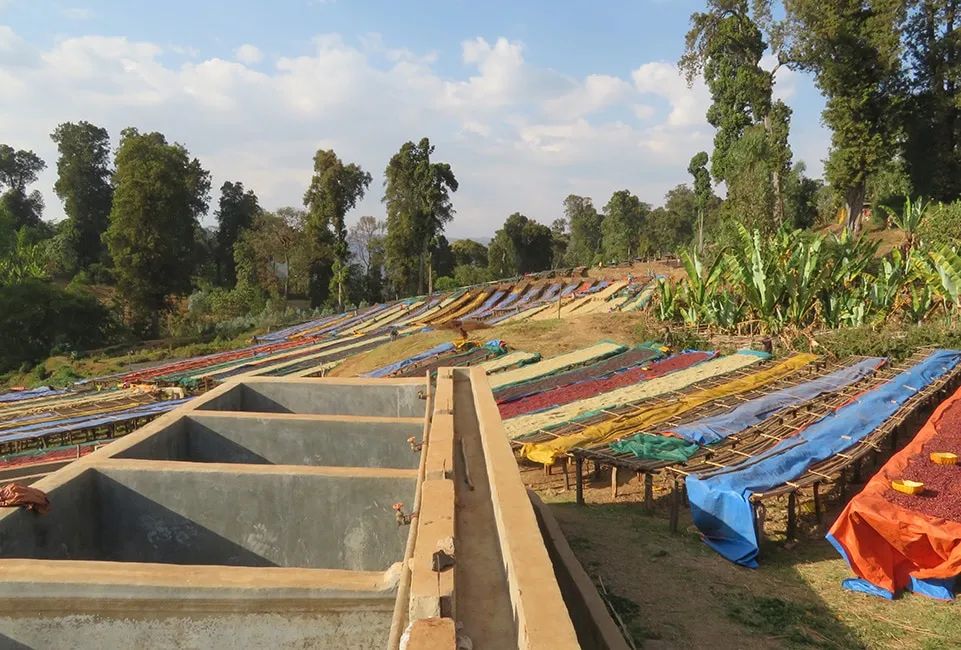
The Gedeo zone, where Yirgacheffe is located, sits on a plateau at altitudes between 1100 and 2300 meters, featuring deep red soil and mildly acidic land, along with a well-drained, organic-rich cultivation environment that provides ideal growing conditions for coffee trees. This area is not only the core production zone of Yirgacheffe but also includes well-known sub-regions such as Kochere. Together, these regions constitute what the market refers to as the “Yirgacheffe flavor zone.”
It is worth mentioning that although Yirgacheffe belongs to the Sidamo province, its flavor characteristics are so distinctive that it has long carved out its own niche in the specialty coffee market. Meanwhile, the three surrounding sub-regions—Wenago, Kochere, and Gelena Abaya—were officially incorporated into the classification system in 2009, further attesting to the delicacy and uniqueness of the coffee produced in these areas, worthy of separate appreciation and collection.
In terms of variety, Yirgacheffe mainly cultivates the Ethiopian native Heirloom variety. This is a general term referring to numerous coffee varieties that have evolved naturally over time locally and have not undergone commercial selection. Since most Ethiopian coffee is grown by smallholders in mixed varieties and often coexists with other crops, dozens or even hundreds of different varieties are often harvested together and then exported under the name Heirloom. Therefore, Heirloom is not a single variety but rather a “blended batch” with high diversity. Each batch may vary slightly in bean shape and flavor expression, which also contributes to the varied and unique charm of Yirgacheffe’s flavors.
Depending on the processing method, Yirgacheffe also showcases diverse flavor profiles. If you prefer a refreshing, sweet-tart taste with undertones of honey and green tea, washed Yirgacheffe is a good choice, with its clear and bright flavors often regarded as a representative of everyday drinking beans. If you want to experience more intense fruit aromas and a richer mouthfeel, naturally processed Yirgacheffe can retain more complexity from fruit fermentation, delivering intense tropical fruit notes. Additionally, many processing mills offer special versions such as fruit tincture-processed beans, enhancing specific aroma characteristics and adding more diversity to Yirgacheffe’s expressions.
In summary, Yirgacheffe is not just a place name, but also a symbol of flavor. From the fresh citrus of washed processing, the rich fruitiness of natural processing, to the versatile potential of the Heirloom native variety, this region offers a wealth of options for coffee lovers. Whether you’re just starting out or already have some experience, exploring the various processing methods and flavor expressions of Yirgacheffe can add more depth and enjoyment to your coffee experience.
The above content is compiled by CoffeeHunters, a coffee news website.


