







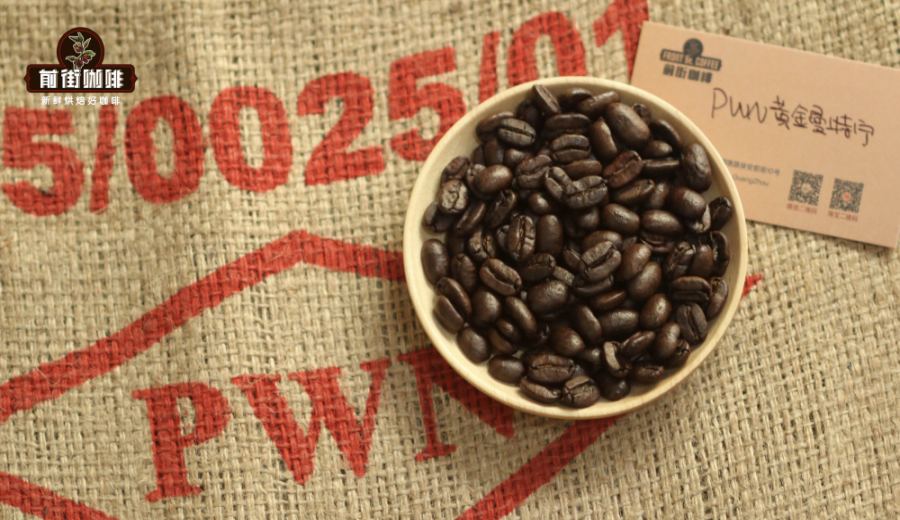
Introduction:Indonesian Mandheling coffee is renowned for its distinctive herbal profile and rich body, a result largely owed to the unique "wet hulling" processing method. This article delves into the differences in processing steps between wet hulling, washed, and honey methods, explores how these influence final flavor, and offers Mandheling bean selection tips along with practical pour over parameters to help you better appreciate the charm of this classic coffee.
Indonesian Mandheling coffee is widely loved for its bold, full-bodied taste and unique herbal and medicinal aromas, all closely tied to its distinctive “wet hulling” processing method. Compared to the more common washed or honey methods, wet hulling not only shapes Mandheling’s unique character but also helps it stand out among coffees from various origins.
Why does Indonesia opt for wet hulling? This is related to the region’s high-temperature and high-humidity climate. In such moist environments, traditional sun-drying or washed processing leads to slow drying and a higher risk of mold. Wet hulling, by removing part of the outer husk early on, shortens the overall drying time, effectively reducing fermentation and mold risks while enhancing the coffee’s body and earthy flavors. This method not only accelerates processing but is also more economically viable for local smallholder farmers.
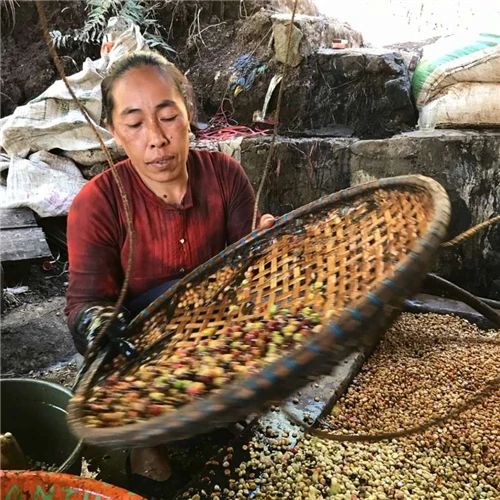
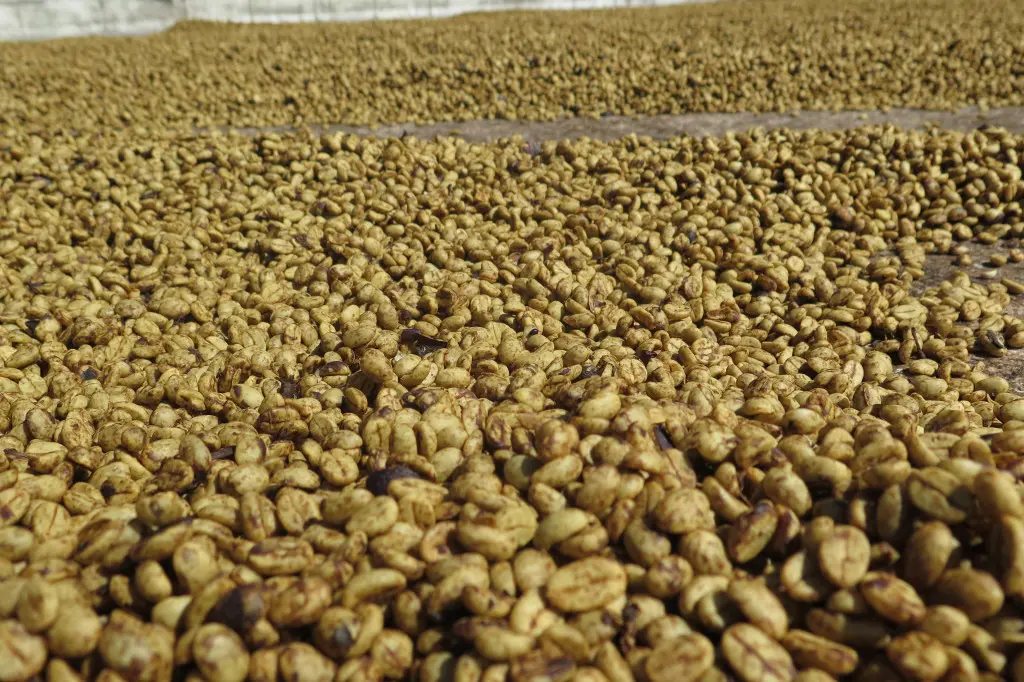
The typical wet hulling process unfolds as follows: First, farmers harvest ripe coffee cherries and use water flotation to remove unripe beans and impurities. Next, a pulper removes the fruit flesh and outer skin, leaving the mucilage-covered parchment. These mucilage-coated beans undergo brief fermentation to break down the mucilage, then are washed and pre-dried until their moisture content drops to around 20%–24%. At this semi-dry stage, the inner parchment is removed by machine, followed by a second drying phase until moisture content reaches 12%–13%, completing the entire process.
Notably, because the inner parchment is removed before the beans are fully dry, the beans at this stage have a fragile structure and are prone to deformation under mechanical pressure, resulting in the so-called “elephant ear” appearance—a key origin of the name “wet hulling.” Additionally, at this stage the beans are exposed to high heat and humidity, and if not carefully managed, can easily develop musty or earthy off-flavors. Thus, precision in the process is crucial.
In contrast, the washed method focuses on removing mucilage and impurities through fermentation and clean water washing, which more effectively reduces defects and mold risks. The resulting coffee typically features bright acidity and a clean mouthfeel—for example, a well-known shop once offered Yirgacheffe Guddu using this method. Brazil, with its dry climate and limited water resources, developed the honey (or pulp natural) method, where the fruit skin and some mucilage are first removed, then the beans are sun-dried on raised beds until moisture content reaches about 11%–13%. This approach retains more sweetness and fruity notes but requires strict control over even drying to avoid uneven drying or bean cracking.
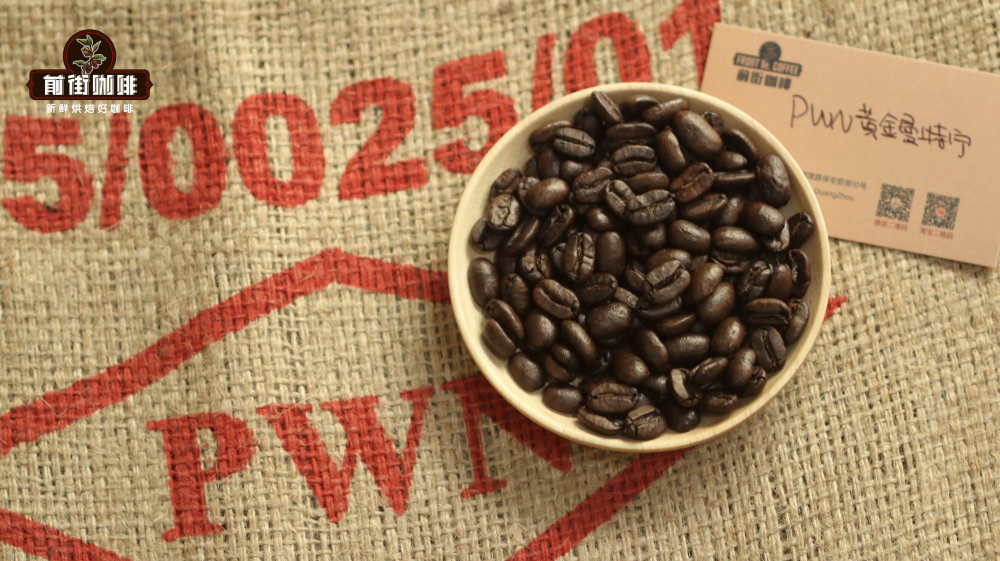
Mandheling processed via wet hulling usually exhibits low acidity, a full body, and flavor notes of soil, tobacco, and even chocolate—closely linked to its longer drying time and brief fermentation. For beginner coffee enthusiasts, it’s recommended to start with cost-effective Lintong Mandheling to experience the foundational flavors of this method; advanced drinkers might try premium selections like PWN Golden Mandheling to explore richer layers and finer details.
Mandheling can be brewed in various ways—pour over, French press, siphon, or AeroPress all work—but pour over best highlights its body and aromatic qualities. It’s recommended to use a KONO filter cone for extraction. Its specially designed short ribs on the lower-middle section and smooth upper curve reduce contact between the filter paper and air, extending water flow time and thereby improving extraction efficiency and coffee concentration, delivering a fuller mouthfeel.
Suggested pour over parameters are as follows: Use 15 grams of coffee grounds (adjust based on filter size; generally 1–2 servings suit 15–20 grams), with a 1:15 coffee-to-water ratio (ranging between 1:13 and 1:17, fine-tuned to taste), ground to approximately 70% passing through a Chinese No. 20 standard sieve—that is, medium-coarse grind, suitable for highlighting dark roast profiles. The recommended brewing temperature is 87°C, using a three-stage pouring method: start with a 30-gram bloom for 30 seconds, then pour up to 125 grams, wait for the water level to drop halfway before adding the remaining 100 grams. Maintain a steady pour throughout to ensure even extraction.
It’s important to note that the above parameters are suited for freshly roasted beans—ideally within 5 days post-roast—for optimal flavor. Freshly roasted PWN Golden Mandheling often presents a solid body and rich aroma, featuring layers such as cedar, spices, dark chocolate, and toasted hazelnuts. The finish is clean with a caramel-like sweetness, leaving a memorable aftertaste.
The above content is compiled by CoffeeHunters, a coffee news website.


