







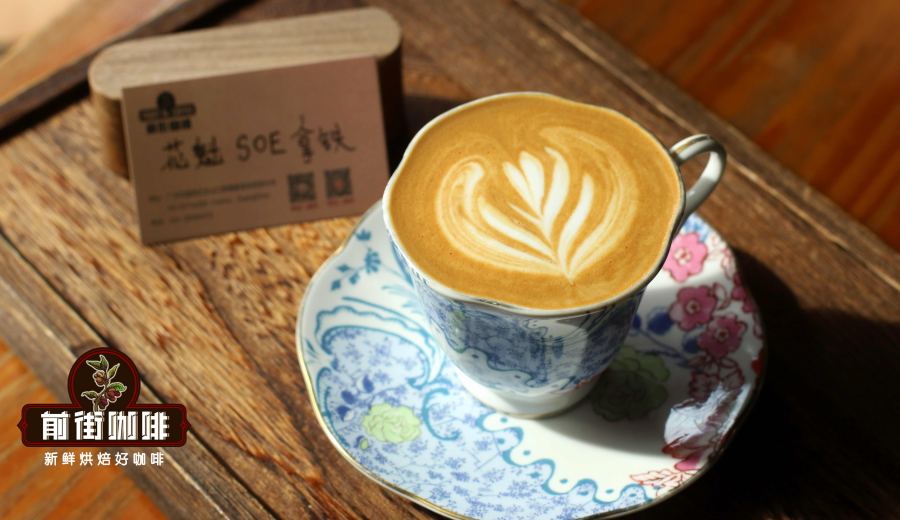
Introduction:As an important branch of specialty coffee, SOE (Single Origin Espresso) has garnered increasing attention from coffee enthusiasts in recent years. But how is it different from regular single-origin coffee? And why do some cafés choose not to offer SOE? This article delves into the definition of SOE espresso, how it differs from single-origin beans, and explores how to bring out its unique flavors through roast profiles, extraction parameters, and milk pairings. It also recommends bean varieties well-suited for SOE production, helping you better understand this fascinating coffee craft.
SOE, short for Single Origin Espresso, translates literally in Chinese as “single-origin espresso.” Although the name includes “single origin,” SOE is not synonymous with specialty coffee. Only when distinctly flavorful single-origin coffee beans are selected and processed with appropriate roasting and extraction methods can they showcase unique regional characteristics and rich taste profiles.
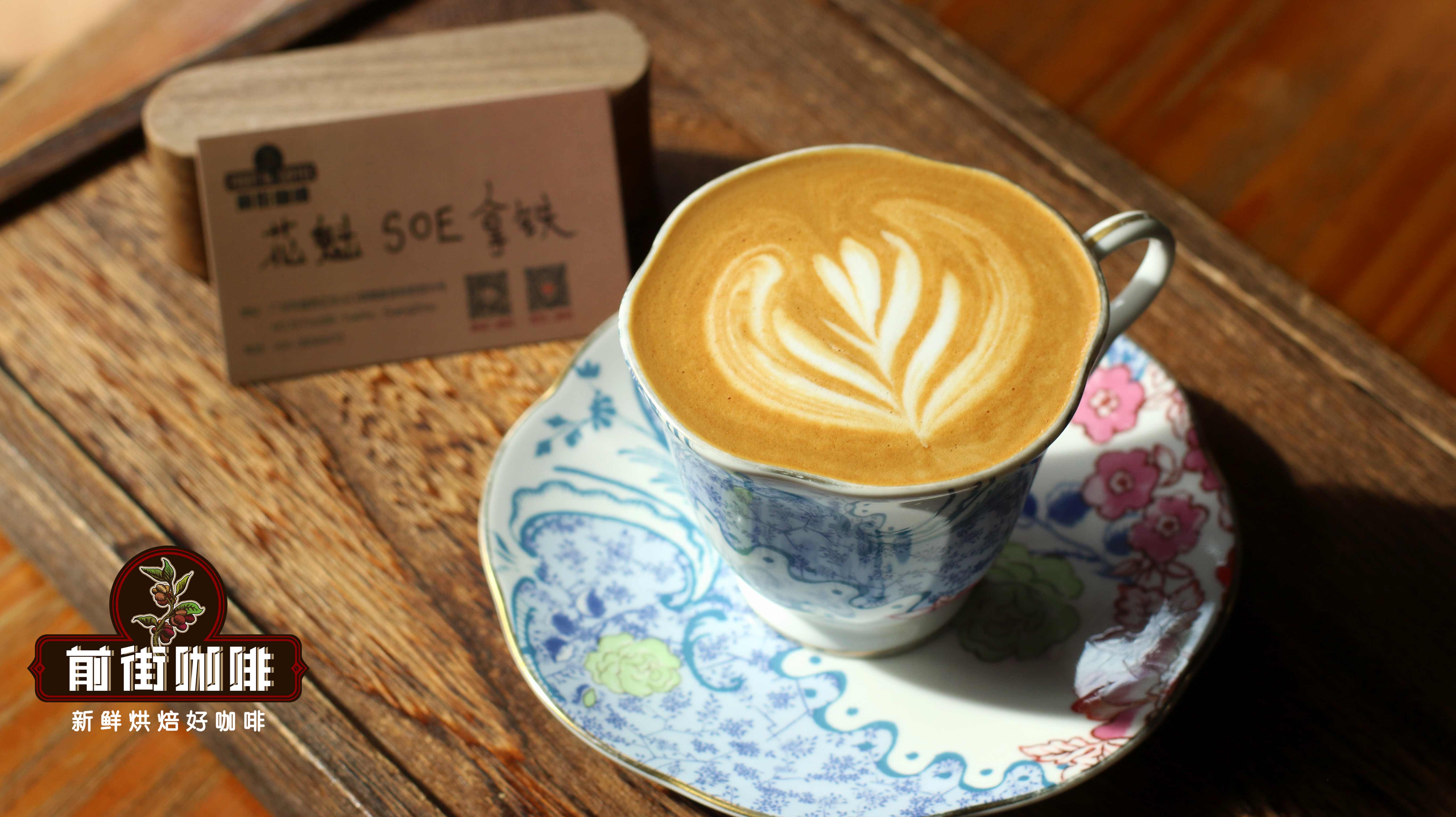
With the rise of the specialty coffee trend, more and more consumers are paying attention to SOE, and it’s common for people to ask cafés if they offer such options. However, some shops choose not to include it on their regular menu due to concerns about flavor stability. This is actually related to the inherent nature of SOE: during high-pressure extraction, both the strengths and weaknesses of the beans—such as bright acidity, sweetness, or defects—are amplified. As a result, higher demands are placed on bean quality, roast consistency, and extraction technique.
For example, if you use an African natural-processed bean with pronounced citrus and lemon notes to make SOE, the high pressure of the espresso machine will intensify these flavor characteristics, making the acidity more vibrant—but it may also make potential sharpness or inconsistencies more noticeable. That’s why achieving a stable and balanced extraction result is harder to control, which is one of the main reasons why some coffee shops opt not to serve SOE.
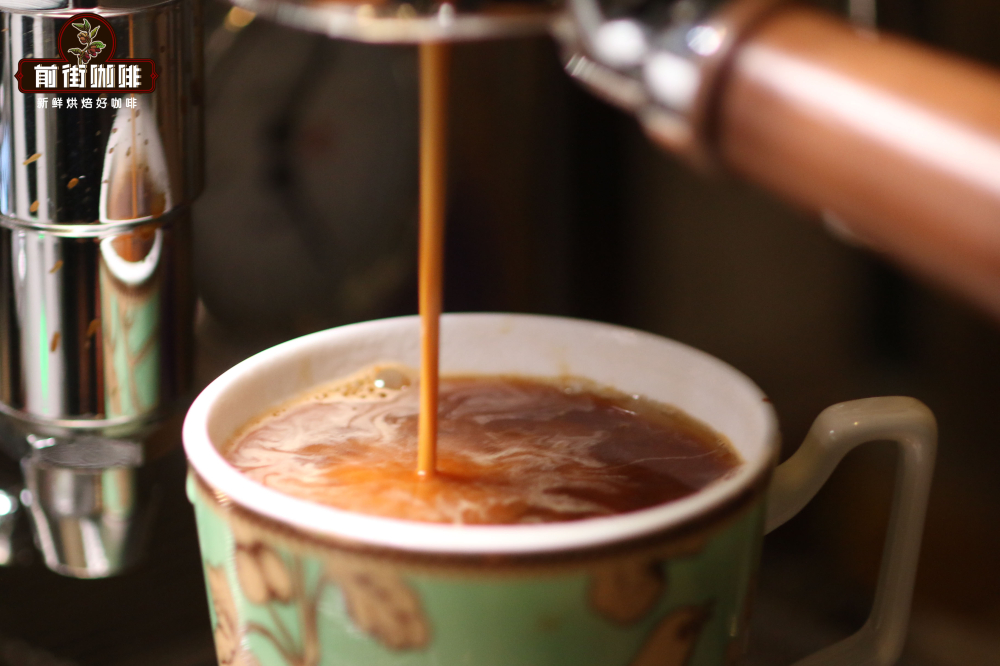
If taken literally, some might think, “Isn’t SOE just espresso made with single-origin beans?” In fact, that statement is only half true. While SOE is indeed made from single-origin coffee beans, the challenge lies in how to enhance the unique personality of that origin through roasting and extraction without amplifying its potential flaws.
Therefore, SOE requires more precise adjustments in roast profile, grind size, brew ratio, and even milk pairing. For instance, roasting too dark may mask the origin’s characteristics, while roasting too light may cause the acidity to stand out excessively and lead to uneven extraction. If using lightly roasted beans, the harder bean density can also affect flow rate during extraction, thereby impacting overall balance. These variables make the stability of SOE output harder to achieve compared to regular blends.
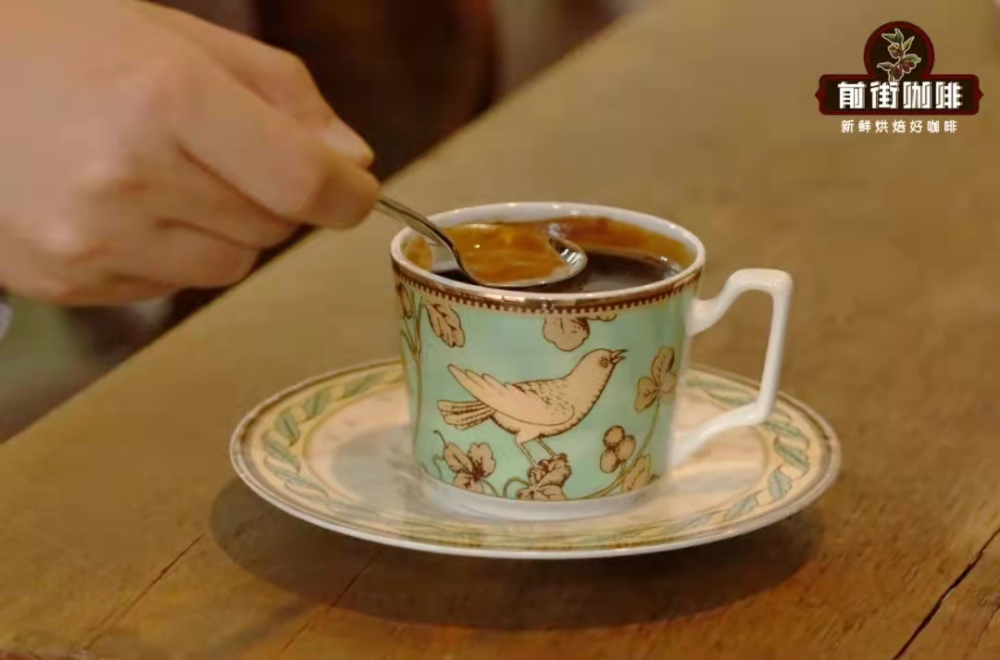
In real drinking scenarios, aside from being enjoyed purely as espresso, many specialty cafés also offer milk-based drinks based on SOE, such as SOE lattes or SOE cappuccinos. In these cases, milk not only softens the intense flavors of the coffee but also complements the unique character of the beans, creating a more balanced and layered taste experience—similar to how blends are applied with varying ratios of milk.
So, which coffee beans are suitable for making SOE? The key lies in whether the “flavor profile is distinct and consistent.” Generally speaking, selecting single-origin beans with clear regional characteristics can better highlight the charm of SOE. For example, readers who enjoy bright acidity and floral notes might prioritize naturally processed beans from African origins, such as Ethiopia’s Natural Guji Hambela, which features prominent citrus, berry, and floral qualities. Those who prefer sweet, dried fruit or nutty profiles might opt for honey-processed or special washed beans from origins like Costa Rica or Brazil. For those interested in tropical fruit flavors, varieties from Central and South America such as Sidra or similar offerings are also great choices.
During actual roasting and extraction, since SOE beans are generally not roasted to very dark levels, the release of flavor compounds is relatively subtle. In this case, adjusting grind size and extraction parameters is necessary to improve extraction yield and flavor expression. Common practices include extending extraction time, fine-tuning the grind setting to a finer degree, or even moderately increasing the dose to ensure sufficient extraction of aroma and sweetness from the beans. Additionally, because SOE coffee usually has higher intensity and layers of flavor, it’s recommended to reduce the milk ratio when pairing with milk, allowing the coffee’s core character to stand out more and preventing the flavor from being diluted and losing its distinctiveness.
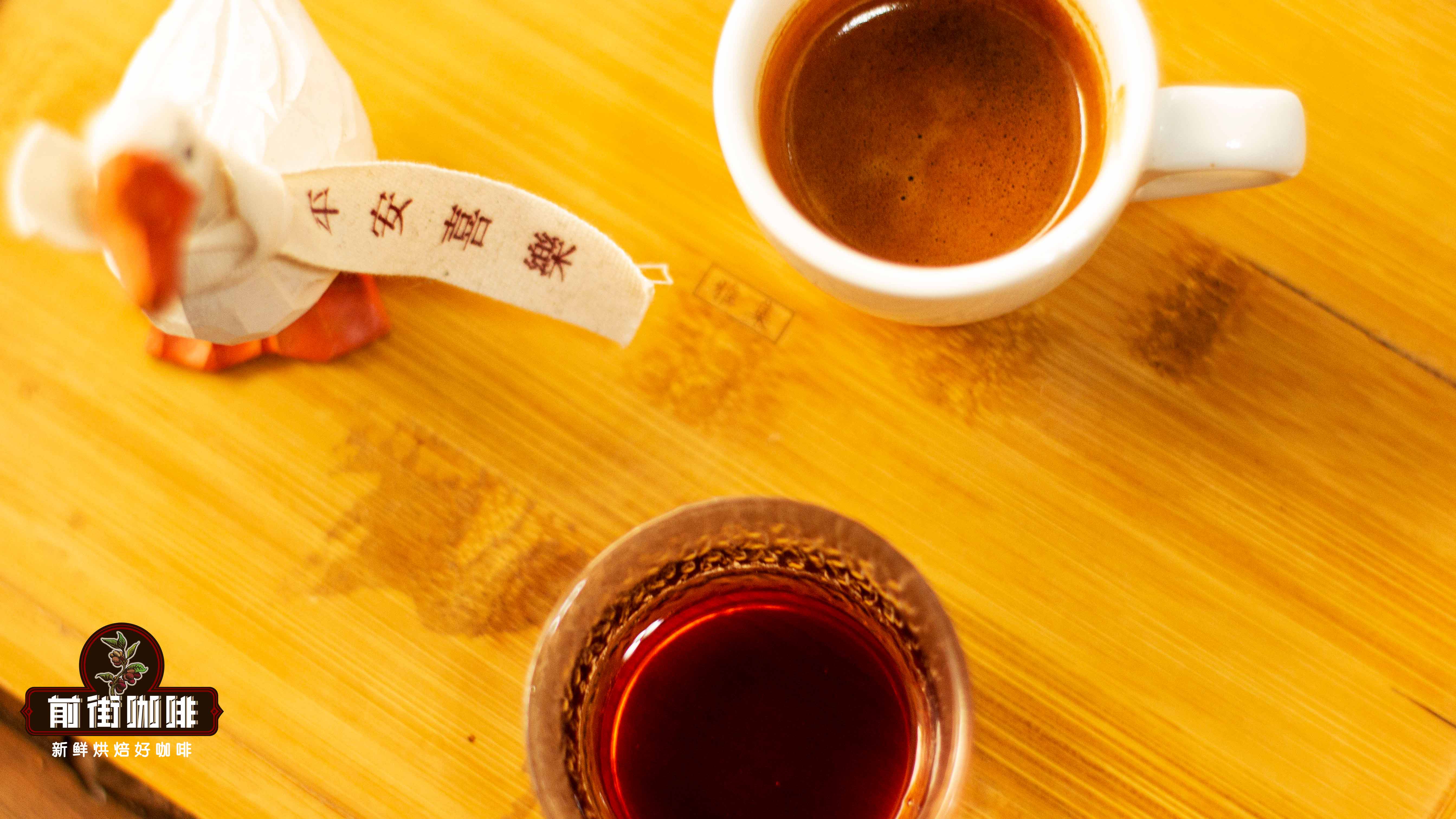
In summary, SOE espresso is a form of coffee that can highly express the flavors of a single origin, but it also places higher demands on bean selection, roasting techniques, and extraction methods. Whether you want to understand the production principles behind SOE or are looking to select suitable beans to try yourself, mastering these basic concepts will enable you to explore the world of specialty coffee more deeply and confidently.
The above content is compiled by CoffeeHunters, a coffee news website.


