








Introduction:Did you know? Although Geisha coffee is famous for its Panamanian origins, its original variety actually comes from Ethiopia. This article takes an in-depth look at the origin background, varietal characteristics, and processing methods of the Front Street Coffee Gesha Village Estate Gold Label Geisha, while also comparing its flavor profile with that of Panamanian Geisha. Whether you're a coffee enthusiast or a beginner, you'll learn how to identify the unique character of Geisha through origin and processing methods.
When it comes to Geisha, many people first think of the high-altitude coffee farms of Panama. However, few realize that this variety, which once dominated global coffee competitions, originally comes from Africa—Ethiopia. Today, we’re introducing you to a Gold Label Geisha from the Gesha Village Coffee Estate in Ethiopia, grown in the Oma plot of the estate, using the Geisha 1931 variety and processed via meticulous natural (sun-dried) method. How does this African highland Geisha differ in flavor from the more familiar Panamanian version? Let’s explore everything from its origin story to what you taste in the cup.
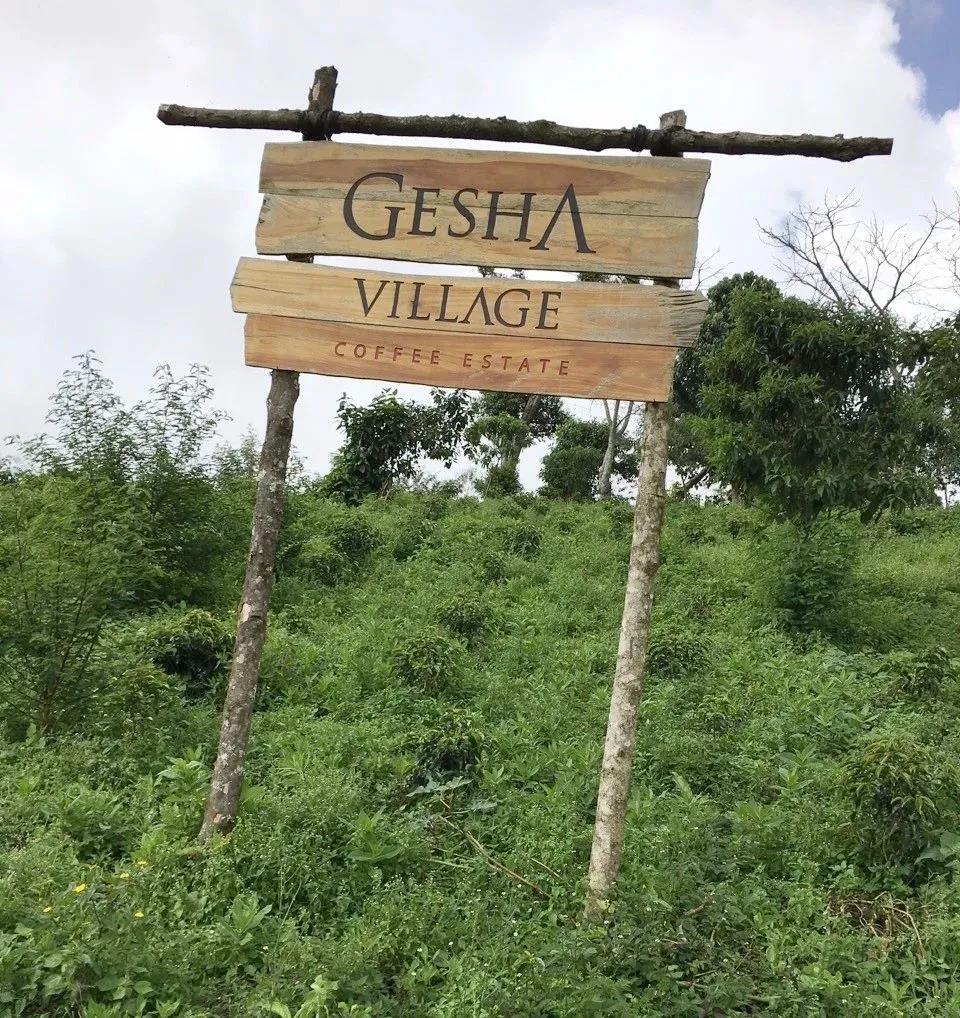 The story of Gesha Village Estate began in 2007. At that time, documentary filmmaker Adam Overton and his wife Rachel Samuel, a photographer, were shooting a coffee-themed documentary for the Ethiopian government in the Gera Coffee Forest of the Bench Maji region. This trip inspired them to create their own coffee brand and estate.
By 2009, after advice from renowned mule estate owner and BOP judge Willem Boot, the Overtons decided to return to Ethiopia to search deeper into the roots of the Geisha variety. They eventually arrived in Bench Maji—a region in southwestern Ethiopia near South Sudan, where several villages are called Gesha and are believed to be the likely birthplace of the Geisha variety.
With Willem Boot's help, Adam ventured into the jungles around the estate and unexpectedly discovered a paradise-like virgin forest, where they found various wild coffee trees. Among them, the most precious was the wild Geisha. It was later confirmed that this forest was the famous Gori Gesha Forest—the place where the Geisha variety was first discovered. They collected seeds from the native Geisha trees there, selected them, and planted them at Gesha Village, establishing the estate about 12 miles from the forest, covering an area of 475 hectares.
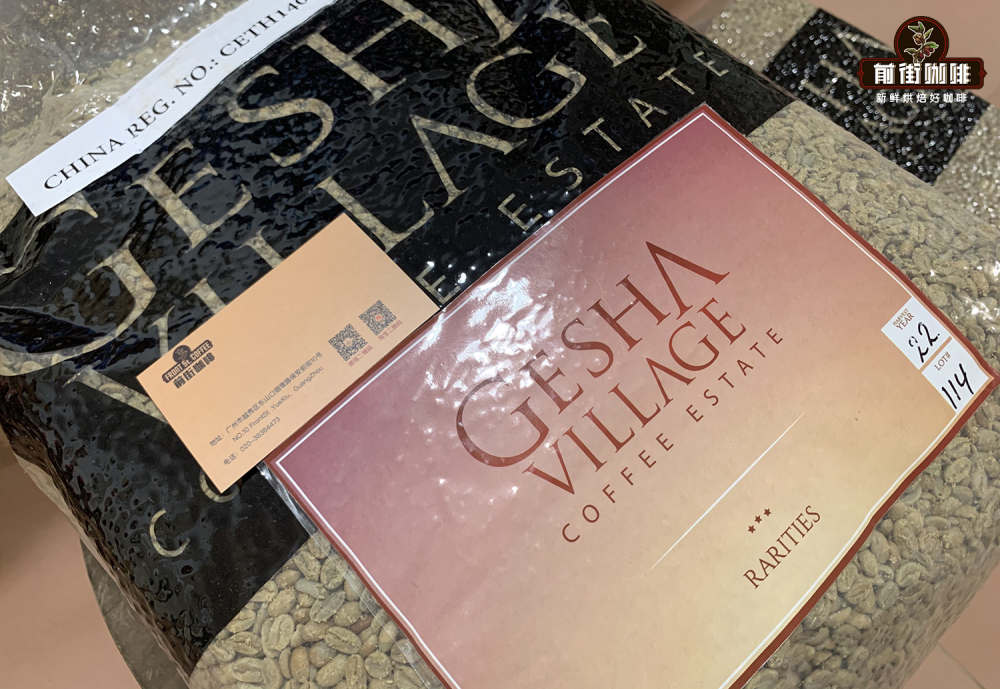 Unlike most smallholder family farms in Ethiopia, Gesha Village Estate is a large-scale, highly managed modern coffee farm, with its own washed processing facility and laboratory. More importantly, it focuses solely on cultivating the Geisha variety, rather than the mixed varieties commonly labeled only as “Ethiopian heirloom.”
Within Gesha Village, three main varieties are planted, each named after the teams involved in the expedition: Gesha1931, Gori Gesha, and Illubabor, provided by the Ethiopian Coffee Research Center. Among these, Gesha1931 is identified through plant morphology, bean characteristics, and cupping results as the variety closest to the Panamanian Geisha parent; while Gori Gesha was personally collected by the estate owner from the Gori Gesha Forest and has not been found elsewhere.
Gesha Village Estate classifies its coffee products into four grades: RARITIES (Gold Label), GROWERS RESERVE (Red Label), SINGLE-TERRAIN (Green Label), and CHAKA. The Gold Label, or RARITIES, accounts for only 10% of annual production and represents the top-tier quality, second only to auction lots. This grade is often the first choice for international coffee competition contestants—for instance, both the Australian and Japanese champions at the 2018 WBC World Championship in the Netherlands used this batch of Geisha. The Gold Label offers clear traceability of origin and processing, a rich and stable flavor profile, and is the flagship specialty coffee of Gesha Village.
The Gold Label Geisha introduced here comes from the Oma plot in the central-southern part of Gesha Village, planted with the Gesha1931 variety, which is genetically similar to Panamanian Geisha. The meticulous natural (sun-dried) process is one of the keys that allows this batch to express intense tropical fruit and floral notes.
In the natural process, floaters and impurities are first removed, then the coffee cherries are evenly spread on African-style raised beds in thin layers to dry, covered with protective materials to avoid overexposure or foreign contamination. During drying, the cherries are frequently turned and sorted to remove defective beans. The entire drying period lasts approximately 18 to 30 days. This method imparts a rounder acidity, rich sweetness, and complex fruit aromas—key features that distinguish it from washed processing.
In terms of roasting, since this batch is from the 2020 new crop with a relatively high moisture content, the drying phase needs to be extended. A medium-light roast level is recommended to preserve the bright fruitiness. Practical roasting reference parameters are as follows: using a Yangjia 800N roaster, charge weight 500g, charge temperature 175°C, initial flame power 130, air damper 3; turnaround occurs at about 1 minute 36 seconds, when the roaster temperature drops to 92.8°C, increase the air damper to 4 and raise the flame to 140 at the 3-minute mark; when the bean surface turns yellow and grassy notes fade (around 152.6°C, 6 minutes 26 seconds), enter the main drying phase, reducing air and heat; at about 8 minutes 20 seconds, when the beans show wrinkles and dark spots and the aroma turns roasty, that signals the pre-first crack stage; first crack begins at 9 minutes 55 seconds, increase air damper to 5, develop for 1 minute 30 seconds, then drop the coffee at 193.5°C.
For brewing, a pour over method is recommended: use 15g of coffee, a 1:15 coffee-to-water ratio, with a fine grind (about 78% passing through a #20 sieve), and water temperature controlled at 90°C. The technique involves wetting the filter and preheating the equipment; during the bloom phase, pour 30g of water and let it degas for 30 seconds; then pour in small circles until reaching 125g for the first pour, pause when the water level is about to uncover the coffee bed, then continue pouring to 225g. Total brew time is around 2 minutes. Under these parameters, you can typically expect intense jasmine floral notes, along with a complex fruitiness of peach, apricot, honeydew, and citrus, with a honey-like sweetness in the aftertaste.
The above content is compiled by CoffeeHunters, a coffee news website.


