







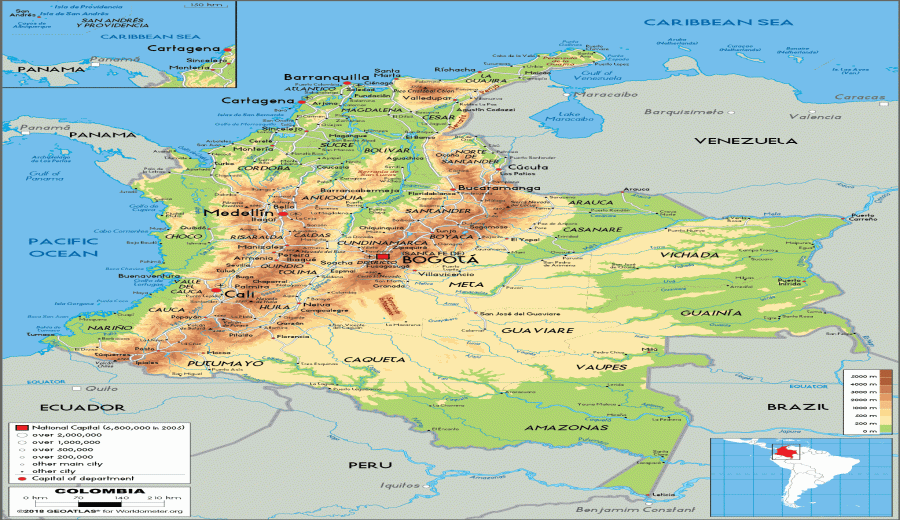
Introduction:The Huila region of Colombia, blessed with high altitudes and fertile volcanic soil, produces Arabica coffee with rich and layered flavors. Its notes of nuts, chocolate, and caramel have won the hearts of coffee lovers worldwide. This article delves into the geographic advantages of the Huila growing region, its green bean grading system, and offers practical advice on washed processing and pour over brewing to help readers master the optimal extraction method and experience the pure charm of Colombian coffee.
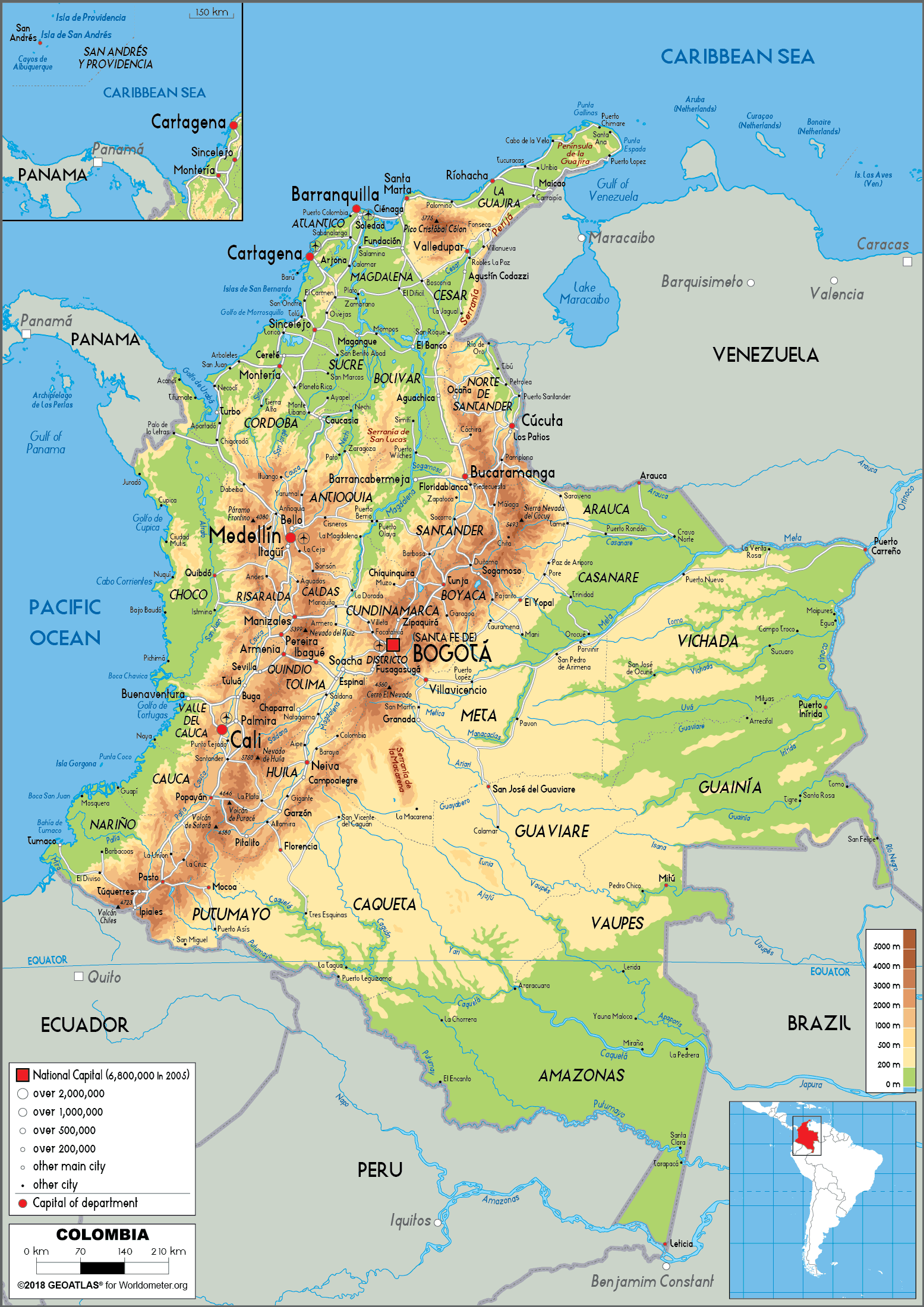
Colombian coffee has long been celebrated for its smooth mouthfeel, bright acidity, and balanced flavors—all of which are inseparable from its exceptional geographic environment. Located near the equator, Colombia is traversed from south to north by the majestic Andes Mountains, creating diverse microclimates and ecosystems. In particular, Huila Province benefits from high-altitude terrain, abundant water sources, and the nourishment of volcanic soil, resulting in coffee beans with unique aromatic and flavor profiles.
The global prominence of Colombian coffee is underpinned by a robust industrial support system, with the Colombian National Federation of Coffee Growers (FNC) playing a pivotal role. Since its establishment in 1927, the FNC has been dedicated to improving coffee quality, safeguarding the rights of coffee farmers, and actively driving technological advancements in the industry to address challenges such as climate change and pests. Under the guidance of the FNC, Colombian coffee farmers generally adopt meticulous manual cultivation and processing methods to ensure that each batch of coffee beans showcases its regional characteristics.
Colombia’s coffee grading system is highly rigorous, primarily evaluating beans based on size, defect rate, and cupping performance. The highest grade, Supreme (Special), requires that at least 95% of the green beans in every 500 grams are of 18 mesh size or larger—that is, screened through a mesh number 18 or higher. The higher the mesh number, the larger the beans that pass through the sieve. Additionally, coffee beans undergo strict defect classification, including primary defects (such as moldy or black beans) that affect flavor, and secondary defects (such as broken or unripe beans) that affect appearance. Based on the number of defects, coffee beans are categorized into three grades: AA, A, and G, ensuring consumers can select products that suit their preferences.

Among the many growing regions, Huila stands out as a key source of premium Colombian coffee due to its unique geographic conditions. Situated in the southern part of the country, Huila has an average altitude of over 1,500 meters, with rivers crisscrossing the landscape. The combination of humid air, cool monsoons, and fertile volcanic soil provides an ideal environment for coffee trees. The Arabica coffee from this region typically features intense notes of nuts and chocolate, along with a pronounced caramel sweetness, delivering a clean and smooth mouthfeel that is representative of Colombian coffee flavors.
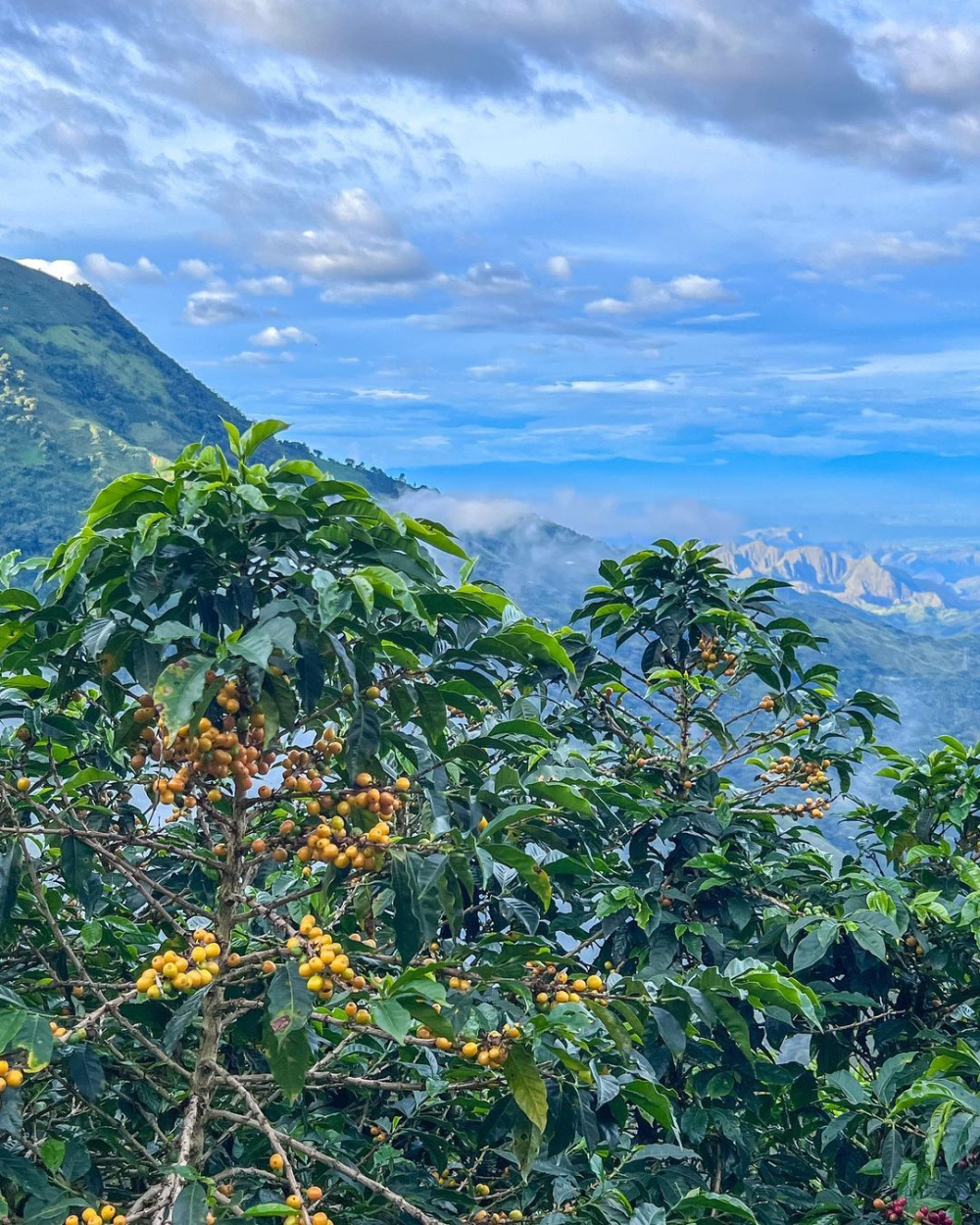
Coffee beans from the Huila region often exhibit rich complexity in cupping, transitioning from nutty tones in the first sip, to chocolatey sweetness in the mid-palate, and finishing with lingering sweetness. This flavor profile makes Huila coffee an excellent choice for novice coffee drinkers, while also satisfying seasoned enthusiasts seeking distinct regional characteristics.
In terms of processing methods, Colombian Huila coffee is predominantly washed, a technique that highlights the region’s distinctive flavors while maintaining clarity. The traditional washed process involves: first removing the skin and pulp, then fermenting the parchment coffee in cement tanks for about 24 hours to break down the mucilage layer through natural acid-base reactions; subsequently rinsing thoroughly with clean water to remove residual mucilage; and finally spreading the parchment coffee evenly on drying beds to reduce moisture content to 12.5% using either sun drying or mechanical methods. This processing method not only preserves the original aroma of the coffee beans but also imparts brighter acidity and a cleaner mouthfeel.

For readers looking to brew Huila coffee at home, it is recommended to use a medium grind size and moderate water temperature to avoid over-extraction or flavor loss. Specific parameters can be referenced as follows: using a KONO filter, water temperature around 90°C, grind size equivalent to 75% passing through a standard #20 sieve (approximately medium-fine to medium grind), with a coffee-to-water ratio of 1:15 and a coffee dose of 15 grams. The brewing process can employ a three-stage pouring method: the first pour involves adding hot water twice the weight of the coffee grounds (about 30 grams) for a 30-second bloom; followed by pouring in small circles from the center outward until reaching 125 grams for the first drawdown; once the coffee bed descends to the middle of the filter, continue pouring with the same fine stream until reaching 225 grams, with total extraction time controlled to around 2 minutes. This method helps fully highlight the nutty and chocolatey core notes of Huila coffee, while maintaining a smooth and balanced mouthfeel.
The brewed Huila coffee typically presents a pronounced chocolate aroma, with noticeable sweetness upon tasting, a clean profile free of off-flavors, and a lingering, pleasant aftertaste. Whether as a daily brew or an entry point to exploring Colombian coffee flavors, Huila-grown coffee beans deliver a satisfying drinking experience.
The above content is compiled by CoffeeHunters, a coffee news website.


