








Introduction:Sumatra Mandheling is renowned for its bold, rich flavor profile, with its unique wet-hulled processing method imparting deep herbal and chocolatey notes to the beans. This article provides an in-depth exploration of Mandheling’s historical origins, the story behind PWN Golden Mandheling, and a detailed introduction to five representative Mandheling bean varieties—including Lintong, Tiger, aged, and Wahana Natural—breaking down everything from regional characteristics and processing techniques to flavor profiles. It also offers professional roasting recommendations and practical pour-over parameters to guide coffee enthusiasts in comprehensively discovering the allure of Sumatran Mandheling.
As one of Indonesia’s most iconic coffee-growing regions, Sumatra produces Mandheling coffee that holds a respected place in the global specialty coffee market. Its prominence is not only due to the region’s unique geography and climate but also because of the wet-hulling processing method employed there, which gives the beans a bold and layered flavor profile. This article will comprehensively unravel the mysteries of Sumatran Mandheling, covering its historical background, processing techniques, bean characteristics, and recommendations for roasting and extraction.
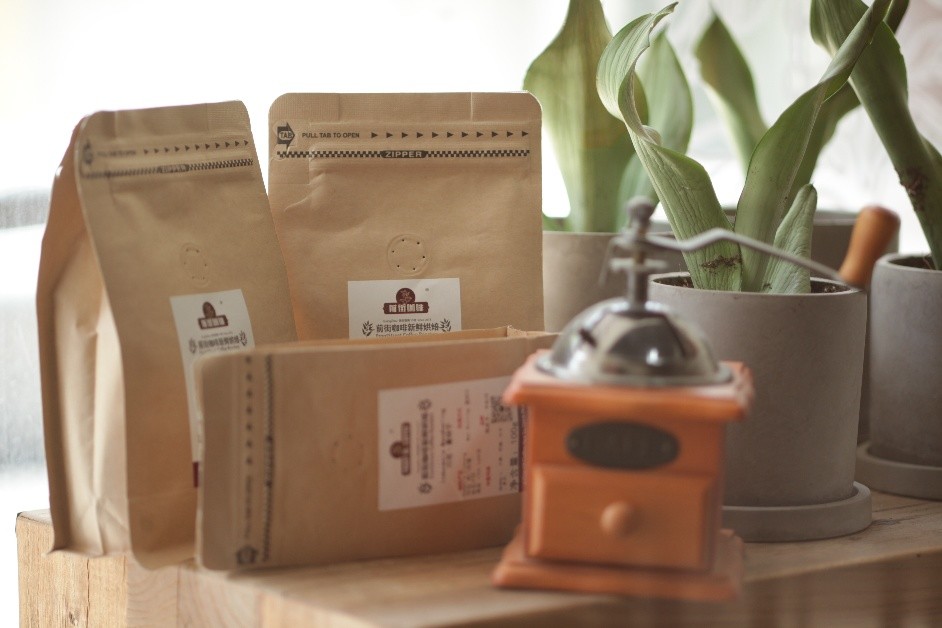
When it comes to Mandheling, many people immediately think of its intense herbal, spicy, and chocolatey aromas. However, these flavors are inseparable from Sumatra’s special humid climate and the wet-hulling processing method. Additionally, the name “Mandheling” actually originates from an indigenous tribe in Indonesia. It gained international recognition largely because Japanese soldiers after World War II developed a strong attachment to the local coffee and introduced it through trade channels.
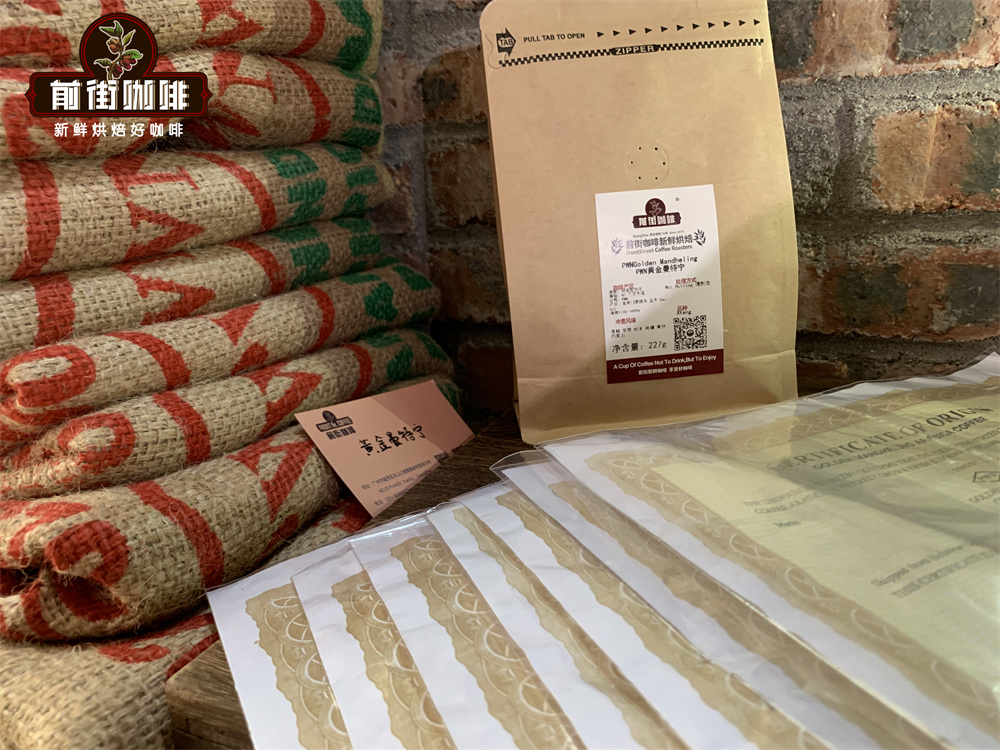
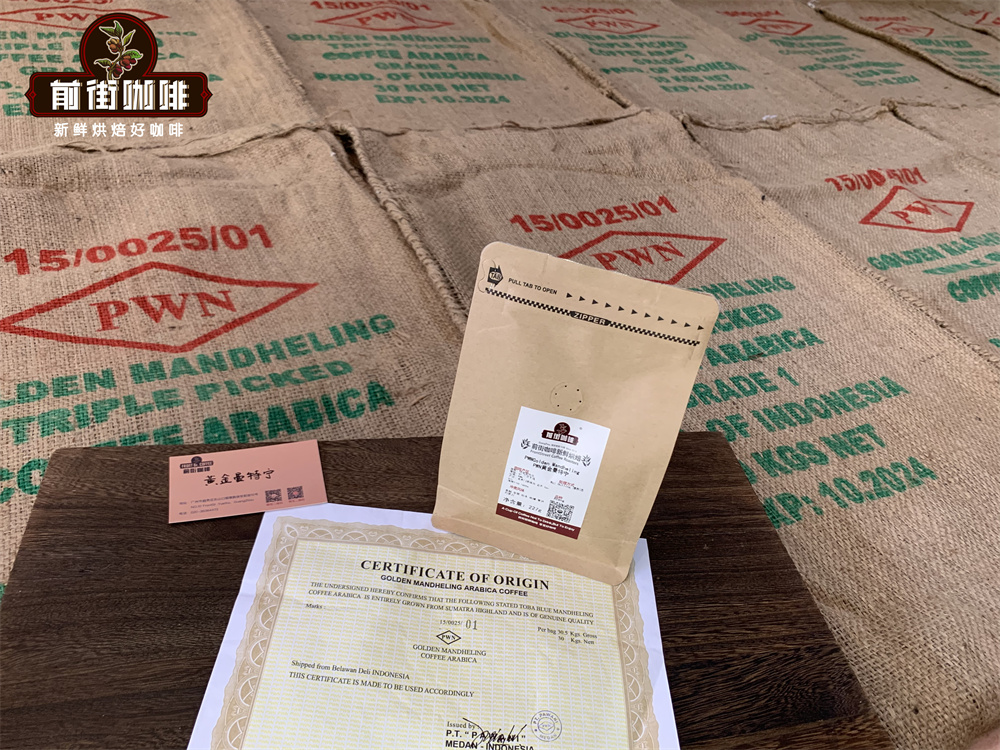
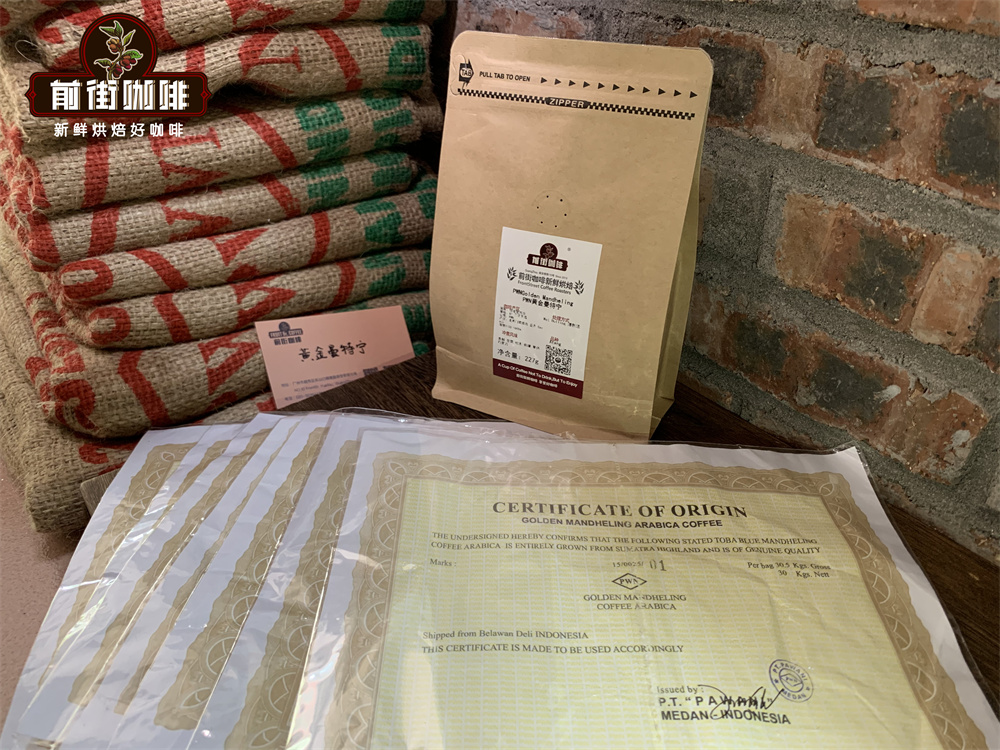
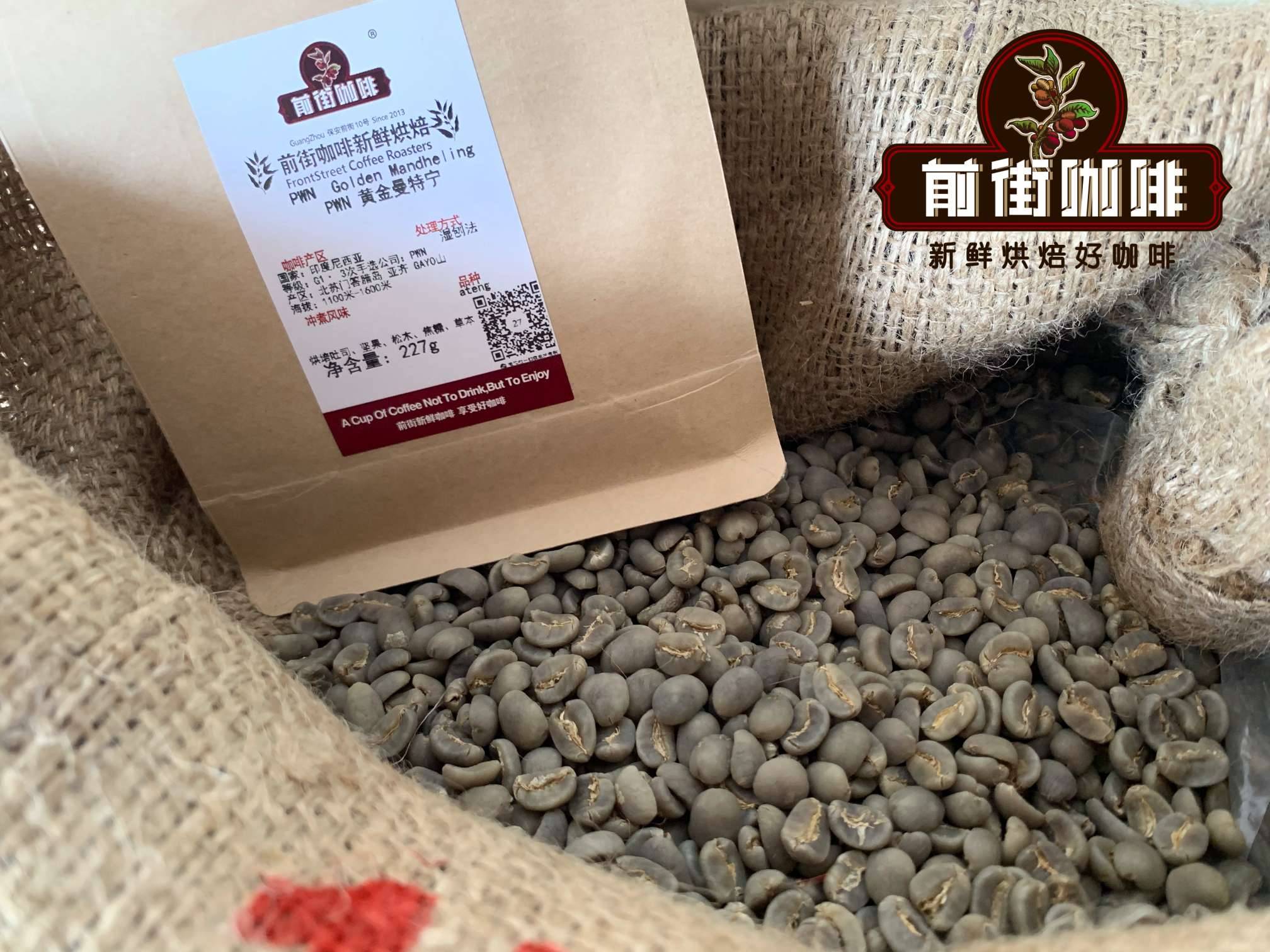
Among them, PWN (Pwani Coffee Company) has played a pivotal role. This exporter, headquartered in Medan and founded by a Chinese-Indonesian family, has been dedicated to exporting high-quality Sumatran coffee beans to the Japanese market since 1957. The Golden Mandheling they provide is a top-tier bean variety that undergoes multiple rounds of manual sorting, ensuring uniform color and minimal defects. Typically, only beans larger than eighteen screens are selected, with no more than three defects per 300-gram sample, qualifying it as G1 grade. It’s worth noting that although the name “Golden Mandheling” was coined by the Japanese market, the trademark is owned by PWN. This differs from the domestically registered “Gold Top Mandheling” in Japan. Although the two have similar flavor profiles, their market positioning and packaging strategies have cultivated their own distinct followings.
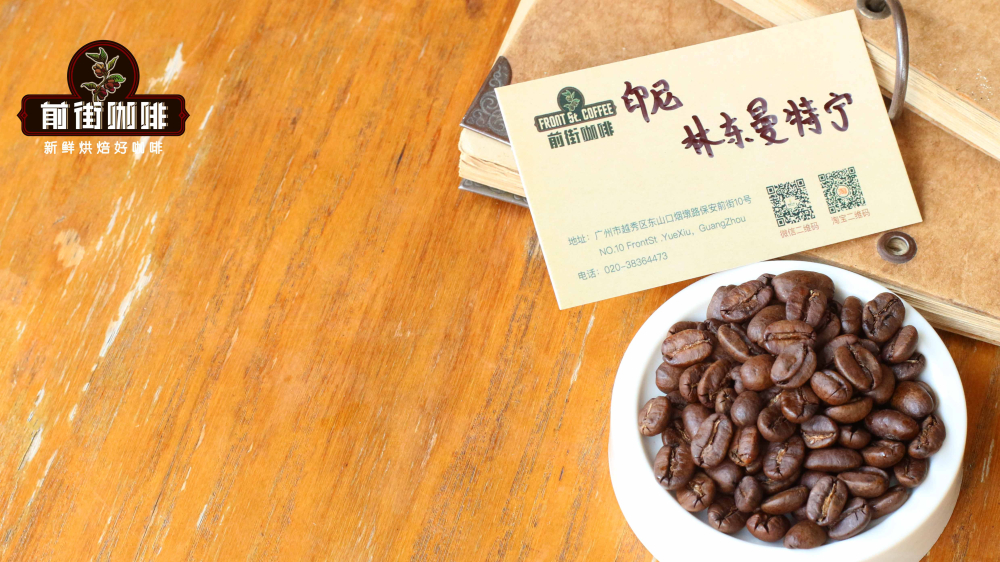
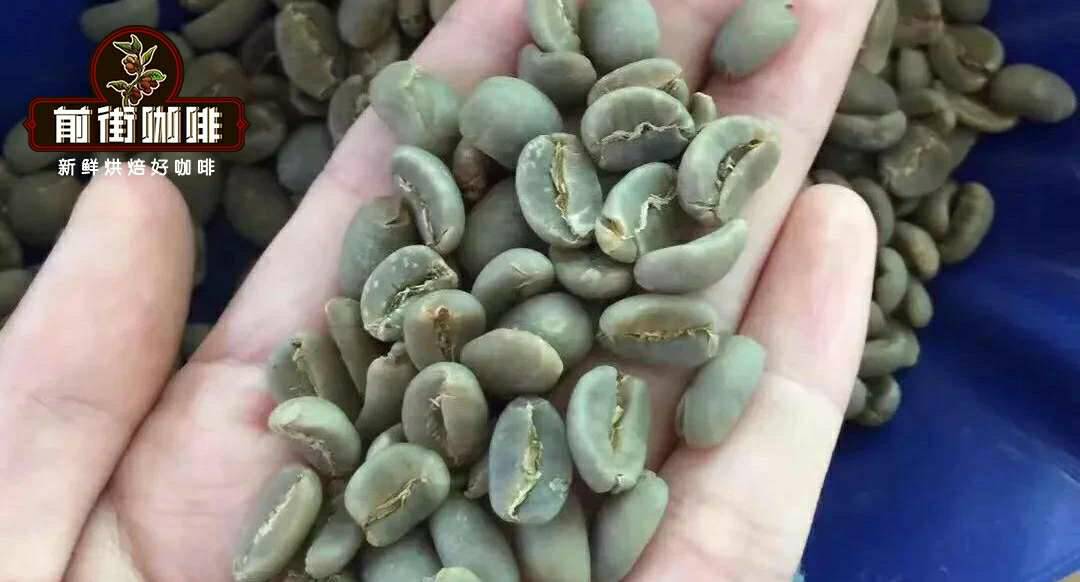
The most representative Mandheling varieties from Sumatra include Lintong, Tiger, aged, and Wahana Estate Natural, each with its own unique flavor expression and processing method. Take Lintong Mandheling as an example—this variety, grown in central-northern Sumatra near Lake Toba, is processed using the traditional wet-hulled method. Its flavor is dominated by low acidity and a full-bodied, rich chocolate and caramel profile. However, during processing, the semi-hard, semi-wet green beans are prone to being compressed when the parchment layer is removed, causing the beans to crack and form the distinctive “elephant hoof” shape. While this is considered one of Mandheling’s hallmarks, it is not classified as a defect.
Another notable variety is Tiger Mandheling, produced at the high-altitude Tiger Estate in northern Sumatra. The coffee cultivation areas here are primarily located around Lake Toba in Aceh Province and North Sumatra, making it a significant Arabica-producing region in Indonesia. Tiger Mandheling emphasizes herbal notes reminiscent of traditional Chinese medicine, and it adheres to strict sorting standards—only beans larger than seventeen screens with a defect rate below 4% can bear this name. It showcases a rich and clean profile of nuts and dark chocolate.
For coffee enthusiasts who enjoy aged flavors, aged Mandheling is an unmissable choice. But “aged” doesn’t mean simply leaving the green beans untouched for a long time. Instead, it involves carefully controlled storage environments where temperature and humidity are regulated, allowing the beans to slowly mature over two to three years. This process gradually transforms the initial sharp acidity into a mellow sweetness and complex sugary aromas. Such coffees usually turn yellowish-brown in color and develop a rounder, deeper flavor profile.
If you’re looking to try a different processing method, Wahana Estate Natural Mandheling offers a fresh alternative. Unlike the common wet-hulled method, this bean is processed using the natural (sun-dried) method, which involves evenly spreading ripe coffee cherries on drying beds and turning them frequently over a period of about two to three weeks—longer if weather conditions require. This method preserves more fruity notes and fermentation layers, delivering tropical fruit aromas and a pronounced sweetness, along with a smoother mouthfeel.
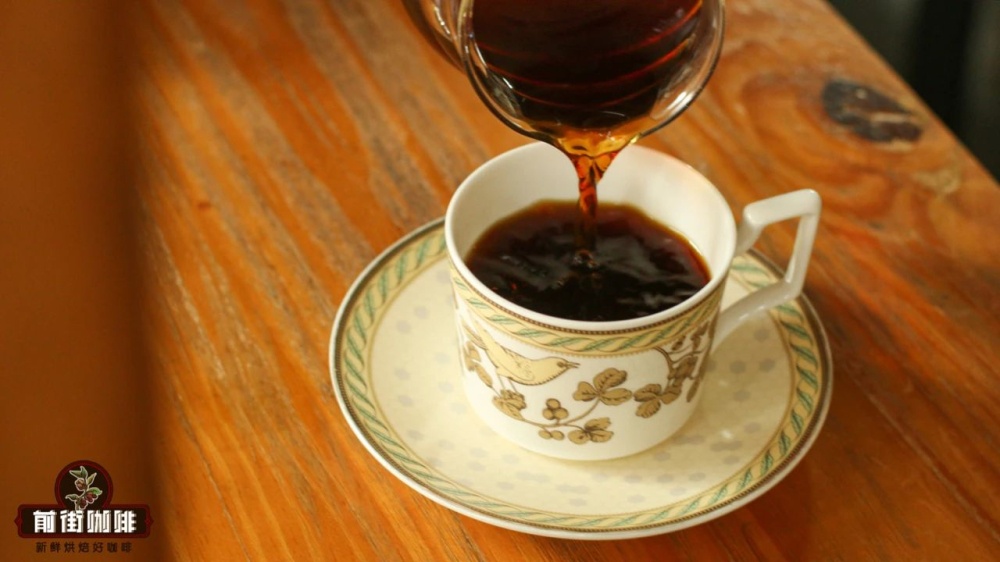
When discussing Sumatran Mandheling, the wet-hulled method must be mentioned. This unique processing approach was developed in response to Sumatra’s rainy climate and economic conditions. The first step involves using a wooden pulper to remove the skin and pulp, followed by about three hours of fermentation and initial sun drying to reduce the moisture content to 30–50%. The second step is the removal of the mucilage and parchment layer, followed by continued drying until the moisture content reaches approximately 12–13%. The entire process usually takes two to four days. This method not only accelerates drying but also shapes Mandheling’s bold, heavy, and low-acidity profile. There’s also an aged wet-hulled method, where processed beans are stored in a warehouse for two to three years to further develop their flavors—reducing acidity, enhancing sweetness, darkening the color to deep brown, and creating a more complex taste profile.
Below is a summary of the flavor characteristics of five classic Sumatran Mandheling varieties:
Lintong Mandheling: Herbal, chocolate, caramel; overall balanced and full-bodied;
Golden Mandheling: Nuts, spices, herbs, licorice, chocolate, and caramel; clean and soft flavors;
Tiger Mandheling: Nuts, cream, dark chocolate, caramel, and herbal aromas; prominent and clear sweetness;
Aged Mandheling: Aged pu-erh, caramel, herbs, and chocolate; low acidity with rich layers;
Wahana Estate Natural Mandheling: Tropical fruits, fermented notes, moderate acidity; smooth mouthfeel with noticeable sweetness.
In terms of roasting recommendations, to highlight the full-bodied characteristics of Sumatran Mandheling, medium to dark roasts are generally used. This helps balance excessive acidity and enhances the overall richness of the flavors. Taking the Yangjia 800N roaster as an example, it’s recommended to load 550 grams of green beans and adjust the roasting time and temperature curve slightly according to each bean’s characteristics to achieve optimal flavor expression.
As for pour-over recommendations, the Kono dripper is advised. Use a water temperature of 88°C, a coffee-to-water ratio of 1:15, and a grind size that allows 70–75% of the grounds to pass through a standard Chinese No. 20 sieve. This combination avoids over-extraction while fully highlighting Mandheling’s body and aroma. For specific brewing, start with a 30-second bloom using 30 grams of water, then pour in small circles until reaching 125 grams for the first pour. After the water level drops, continue pouring to 225 grams. Finally, remove the dripper just before the water level runs out, with a total extraction time of about 2 minutes.
In summary, Sumatran Mandheling is not only a representative of Indonesian coffee but also a type with deep regional characteristics and processing value. Whether through the traditional wet-hulled method or innovative natural processing, it showcases diverse flavor dimensions. For coffee enthusiasts, gaining a deeper understanding of the origin, processing, and roasting details of these beans will help them more precisely appreciate and enjoy every cup of Sumatra’s bold, aromatic brews.
The above content is compiled by CoffeeHunters, a coffee news website.


