







Introduction:Want to understand how coffee from Central and South America differ? This article provides an in-depth look at five key specialty coffee regions — Panama, Colombia, Costa Rica, Brazil, and Honduras — covering origin altitude, microclimates, major farms, and signature processing methods. It helps you grasp the unique flavor profiles of each region’s coffee and determine ideal brewing styles, offering expert guidance for selection and tasting.
Central and South America have long been vital sources of global specialty coffee. These two regions, due to differences in geography and climate, nurture distinctly unique coffee flavors. Generally speaking, coffee in Central America is grown at elevations between 1600 and 1700 meters. The high altitudes bring significant day-night temperature variations that not only extend fruit ripening time but also enhance bean density and overall structure. As a result, these coffees typically exhibit mild acidity, clean taste, and medium-to-high body.
However, even within Central America, countries vary greatly in flavor direction due to differences in geology, altitude, and processing methods. This article focuses on five renowned producing nations — Panama, Colombia, Costa Rica, Brazil, and Honduras — and offers detailed analysis on major producing regions, altitude conditions, representative processing techniques, and cupping flavors. It also compiles common specialty beans available in each region and suggests ideal flavor profiles for brewing. It’s a practical guide for coffee enthusiasts seeking a deeper understanding of Central and South American coffee.
Panama Coffee: Birthplace of Highland Geisha and Wine Process
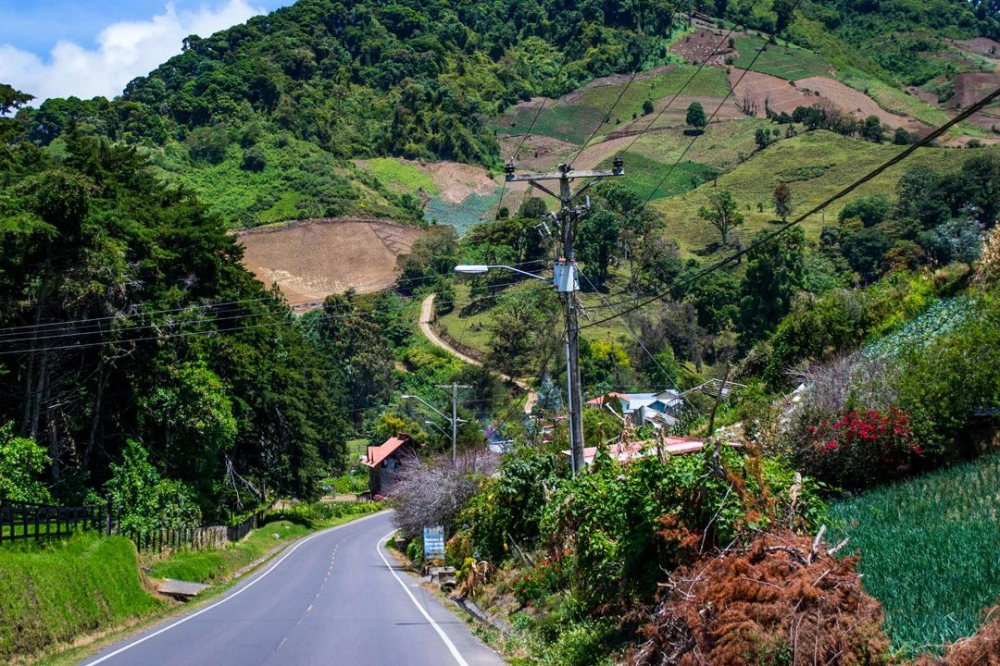
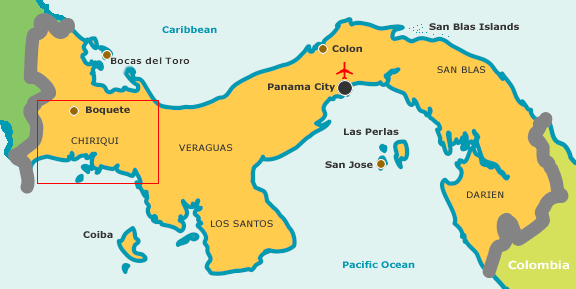
Located at the southernmost tip of Central America, Panama acts as a natural bridge between North and South America. Its diverse terrain and climate have given rise to numerous microclimates, creating excellent conditions for coffee cultivation. Panamanian coffee is usually characterized by mild acidity, clear aromas, and good clarity, with an overall very balanced profile. Based on regional altitude and microclimate, it can be roughly divided into four major producing areas: Boquete, Volcán, Santa Clara, and Piedra de Candela.
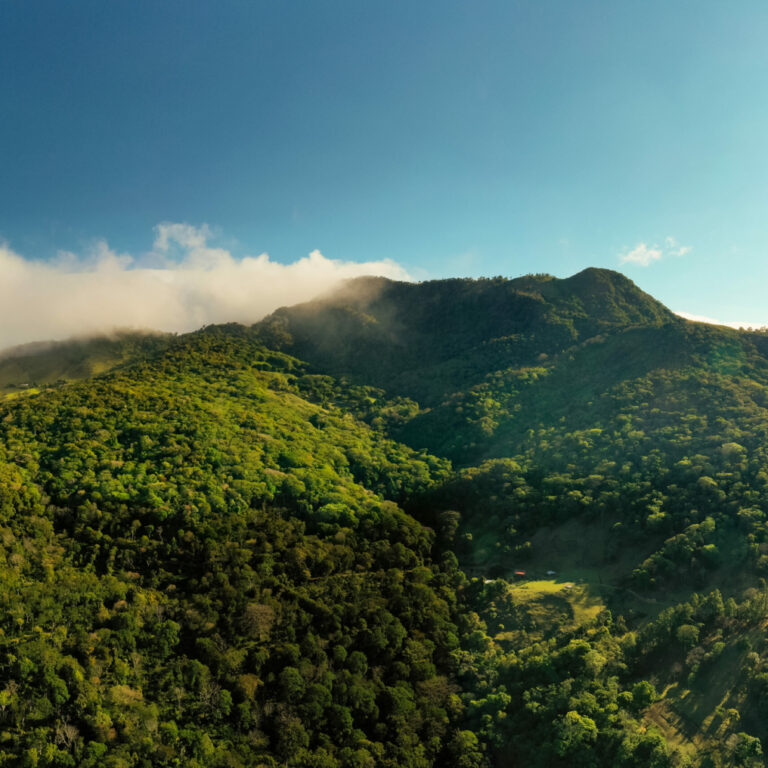
Among themBoqueteis Panama’s most famous specialty coffee hub, sitting at around 1450 meters above sea level, and is world-renowned for the Geisha variety grown at Hacienda La Esmeralda. It is also a frequent contender in global auction-grade coffees.The Volcán Regionsits at even higher altitudes, between 2000 and 3000 meters, with a cool climate that produces coffee with gentle yet layered flavors. Among them, the coffee processed by Hacienda Hartmann using wine processing (not truly soaking in wine, but simulating a wine fermentation environment for mucilage fermentation) is known for its notable sweetness, multi-layered acidity, and wine-like aftertaste.
Panamanian Geisha coffee beans are long and slender, quite distinct from typical Central and South American varieties, and their flavor profile is closer to high-altitude African beans such as those from Ethiopia. Geisha was first discovered in 1931 in the Gesha Forest of Ethiopia, later passing through Kenya, Uganda, Tanzania, and Costa Rica, before finally being introduced to Panama in the 1960s. Initially overlooked, it only rose to fame in 2004 when Hacienda La Esmeralda entered it as a single-origin entry in a competition, winning instant acclaim and setting a new auction price record that year. Geisha is ideal for pour over brewing, which fully highlights its fruity and floral complexity.
Recommended Bean: Panama Hacienda La Esmeralda Natural Green Label Geisha
Region: Panama, Boquete
Altitude: 1600–1800m
Variety: Geisha
Processing Method: Natural
Flavor: Lemon acidity, jasmine, passionfruit, strawberry juice sensation, honey finish, smooth and full-bodied mouthfeel.
Recommended Bean: Hacienda Hartmann Wine Process Coffee Beans
Region: Panama, Volcán
Altitude: 1250–1700m
Variety: Catuai
Processing Method: Wine Fermentation Process
Flavor: Vibrant acidity, prominent sweetness, with notes of honey, cane sugar, and wine-like aftertaste; caramelized brown sugar aroma becomes more pronounced as it cools.
Colombian Coffee: From MAM Commercial Beans to Highland Specialties
Colombian coffee is widely cultivated and can generally be divided into low-altitude commercial regions in the central part (such as Medellín, Armenia, and Manizales, collectively referred to as the MAM region), and high-altitude specialty regions in the south-central area, including Huila, Tolima, Cauca, and Nariño. MAM-region coffee is mostly grown at about 1000 meters altitude and features low acidity, full body, and rich sweetness, resembling the flavor profile of Southeast Asian beans.
The south-central specialty regions are known for their high altitudes:Huila Provincesits at over 1500 meters and is a hub for Colombian specialty coffee, often showcasing intense notes of nuts, chocolate, and caramel in cuppings;Tolimais dominated by medium-sized farms, with coffee featuring soft acidity and distinct layers of berries and cocoa;Cauca Provincehas an average altitude of 1758 meters and is the certified origin region of Colombian coffee, known for bright acidity and outstanding sweetness;Nariño Provincebenefits from high-altitude cloud cover and volcanic soil, producing small but dense beans with intense aromas and walnut-like flavors.
Common specialty representatives include Huila’sFlor de Mayo Coffee Beans(anaerobic natural process, with standout berry fermentation aromas), and Cauca’sSakura Coffee Beans(double anaerobic washed process, with complex notes of strawberry and basil). These coffees are ideal for fruit-forward and processing-method enthusiasts, recommended for medium-light roast pour over brewing.
Costa Rican Coffee: The Perfect Union of Clean Acidity and Volcanic Soil
Costa Rica has eight main producing regions, among whichTarrazúandCentral Valleyare the most renowned. Tarrazú features moderate altitudes, where coffee is grown without chemical fertilizers and harvested entirely by hand, resulting in rich chocolate and nut aromas, balanced acidity, and a smooth, full-bodied mouthfeel. The Central Valley is surrounded by three volcanoes, providing rich nutrients and diverse microclimates. The beans are hard and dense, with soft acidity, berry notes, and outstanding sweetness.
Recommended to try Costa Rica’sMusician Series Beethoven Coffee Beans(Tarrazú region, washed process, with bright berry and citrus acidity) andFire Phoenix Sapphire Coffee Beans(Central Valley, natural process, with wine-like aromas and tropical fruit layers).
Brazilian Coffee: Low-Acidity and Full-Bodied, the Synonym for Chocolate and Nuts
Brazil’s flat terrain and generally low altitudes, along with common use of sun-dried cultivation, create a uniquely “soft bean” flavor profile distinct from other regions: low acidity, rich notes of nuts and chocolate, full body, and long-lasting aftertaste. Major producing regions include Minas Gerais, São Paulo, Bahia, and Espírito Santo, with South Minas, Cerrado, and Mogiana being the main sources of specialty coffee.
The Cerrado region sits at 1100–1300 meters, producing full-bodied coffee free from earthy tones; South Minas’ mountainous areas feature large day-night temperature variations, ideal for the Bourbon variety, yielding delicate and refined flavors; Mogiana is known for its sugarcane-like sweetness. Recommended brewing methods include medium-dark roast pour over or French press to highlight its sweet and full-bodied characteristics.
Honduran Coffee: High-Altitude Potential and Unique Fermentation Processing
Honduras is mountainous, with many high-altitude microclimate regions such as Copán, Opalaca, Montecillos, and Marcala. Most altitudes exceed 1100 meters, suitable for cultivating varieties with delicate acidity, such as Red Catuai. Local processing methods are diverse, with whiskey barrel fermentation being a recent highlight, imparting wine-like aromas and complex fruit notes.


The above content is compiled by CoffeeHunters, a coffee news website.


