







Introduction:Delve into Ethiopia’s Yirgacheffe region to uncover the grading system and processing differences behind its distinctive flavors. This article details the G1 to G5 grade standards, analyzes the impact of washed and natural processing methods on flavor, and provides V60 three-stage pour over parameters and cold brew preparation steps for a well-known coffee shop’s washed Yirgacheffe — helping you master everything from bean knowledge to extraction practice.
Renowned for its bright citrus acidity and delicate floral notes, Yirgacheffe has become a representative specialty coffee region in Africa. This sub-region, located in the northwest of Ethiopia’s Sidamo province, was registered as a commercial trademark in 2004 due to its unique flavors and, after the establishment of the ECX in 2008, became a globally sought-after flavor hallmark. To truly appreciate Yirgacheffe, one must analyze everything from regional definitions and grading systems to processing differences.
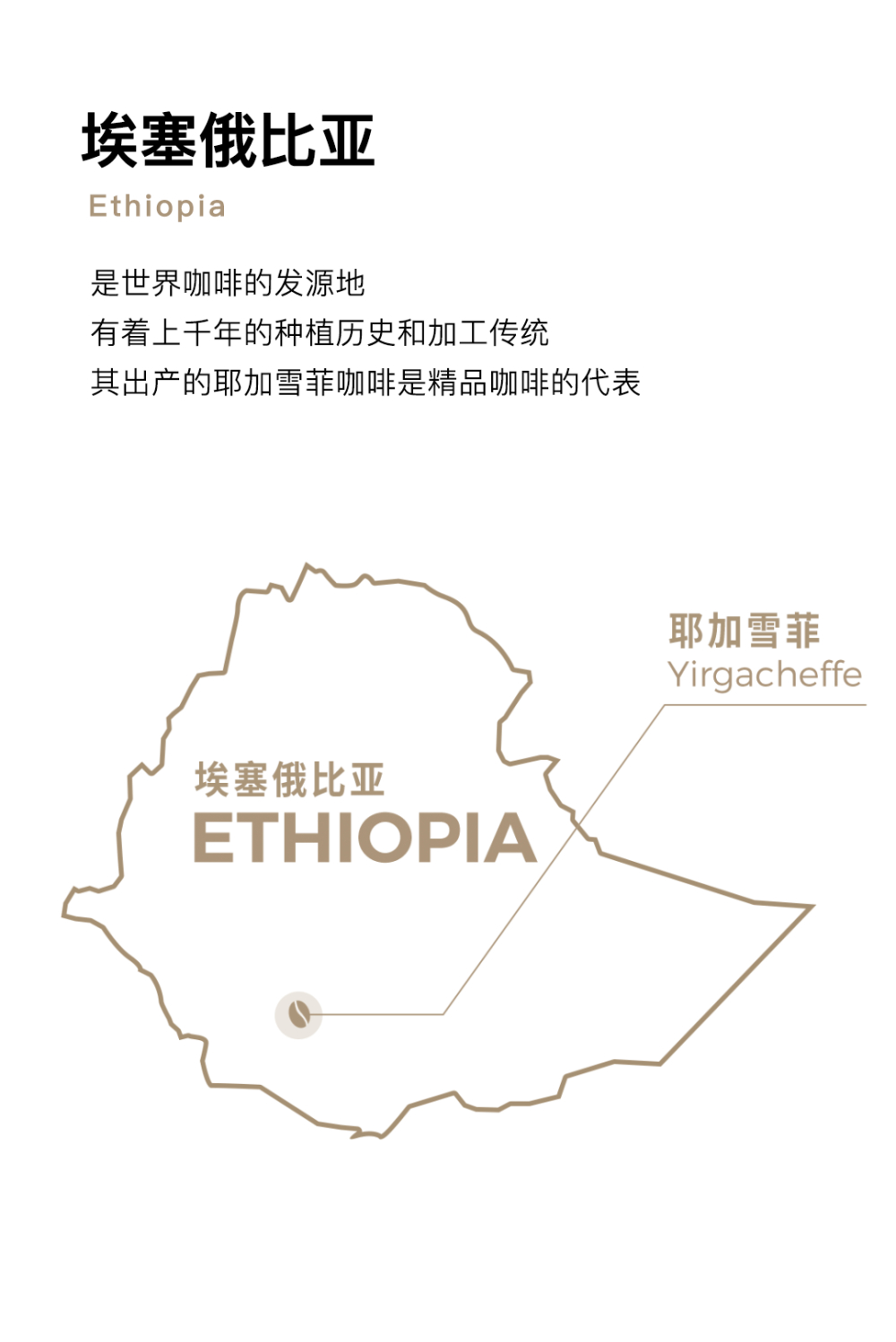
Although often mistaken for a coffee variety, Yirgacheffe is actually a sub-region within Ethiopia’s Sidamo province. In 2004, the Ethiopian government registered the flavors of three regions, including Yirgacheffe, as trademarks. After the ECX was established in 2008, it further standardized coffee export quality by including origins that met specific flavor profiles and defect rates under the “Yirgacheffe flavor” category, covering four areas: Yirgacheffe, Wenago, Gedeb, and Kochere. However, only coffee that has passed government flavor certification and grading can use this trademark, and several of a certain well-known coffee shop’s Yirgacheffe beans hold this certification.
The so-called Yirgacheffe flavor is characterized by a prominent citrus and lemon acidity, paired with the subtle fragrance of jasmine. Its acidity is layered and the mouthfeel is clean without off-flavors, making this balanced flavor a model for African specialty coffee. Some industry insiders believe that the application of washed processing is one of the key factors shaping this style.
Since 2009, Ethiopia has implemented the ECX specialty coffee grading system, which categorizes coffee into natural and washed types based on processing methods, and then grades them according to the number of defective beans and cupping performance. Grades are designated with the letter G, totaling five levels.G1 is the highest grade, allowing no more than 3 defective beans per 300 grams of green coffee; G2 permits 4 to 12 defective beans.. It should be noted that G1 and G2 are scores applied only to green coffee, and roasted grades may vary slightly due to processing differences. A certain well-known coffee shop’s washed Yirgacheffe everyday coffee bean is of G1 grade, using a medium-light roast, suitable for beginners to try various extraction methods.
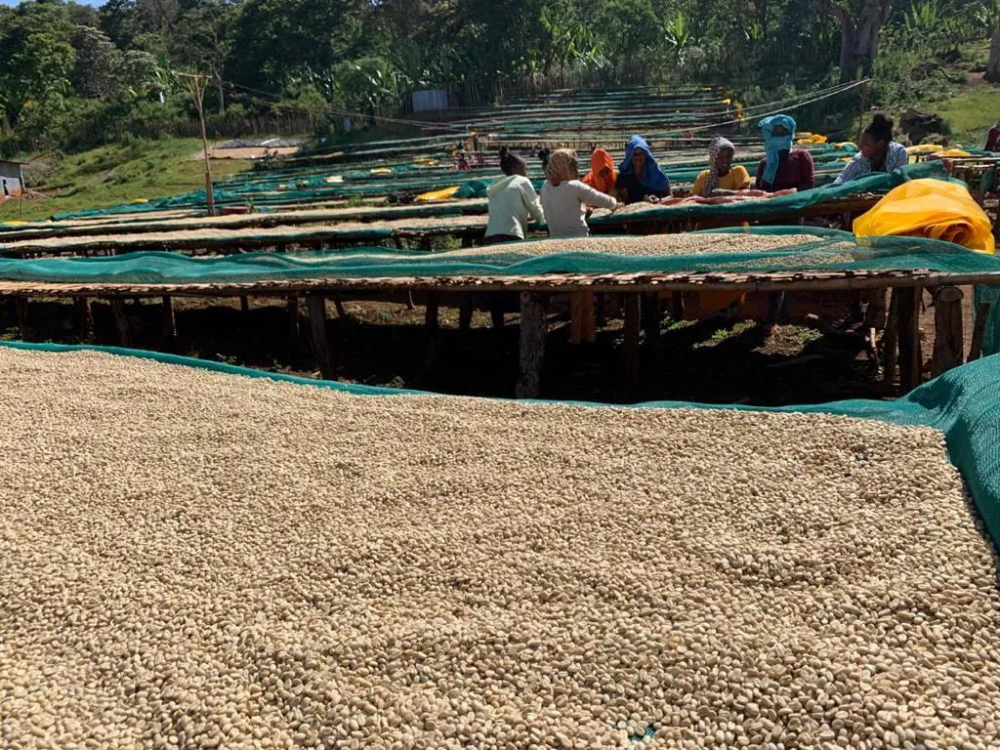
Washed processing is at the core of the Yirgacheffe flavor. Farms using washed processing must build washing channels and introduce running water, resulting in higher production costs. However, it effectively reduces defect rates while highlighting citrus notes and white floral tones, making the flavors brighter and more delicate. Compared to the rich fruity notes of natural processing, washed Yirgacheffe is known for its refreshing acidity and clean mouthfeel, beloved by coffee enthusiasts worldwide.
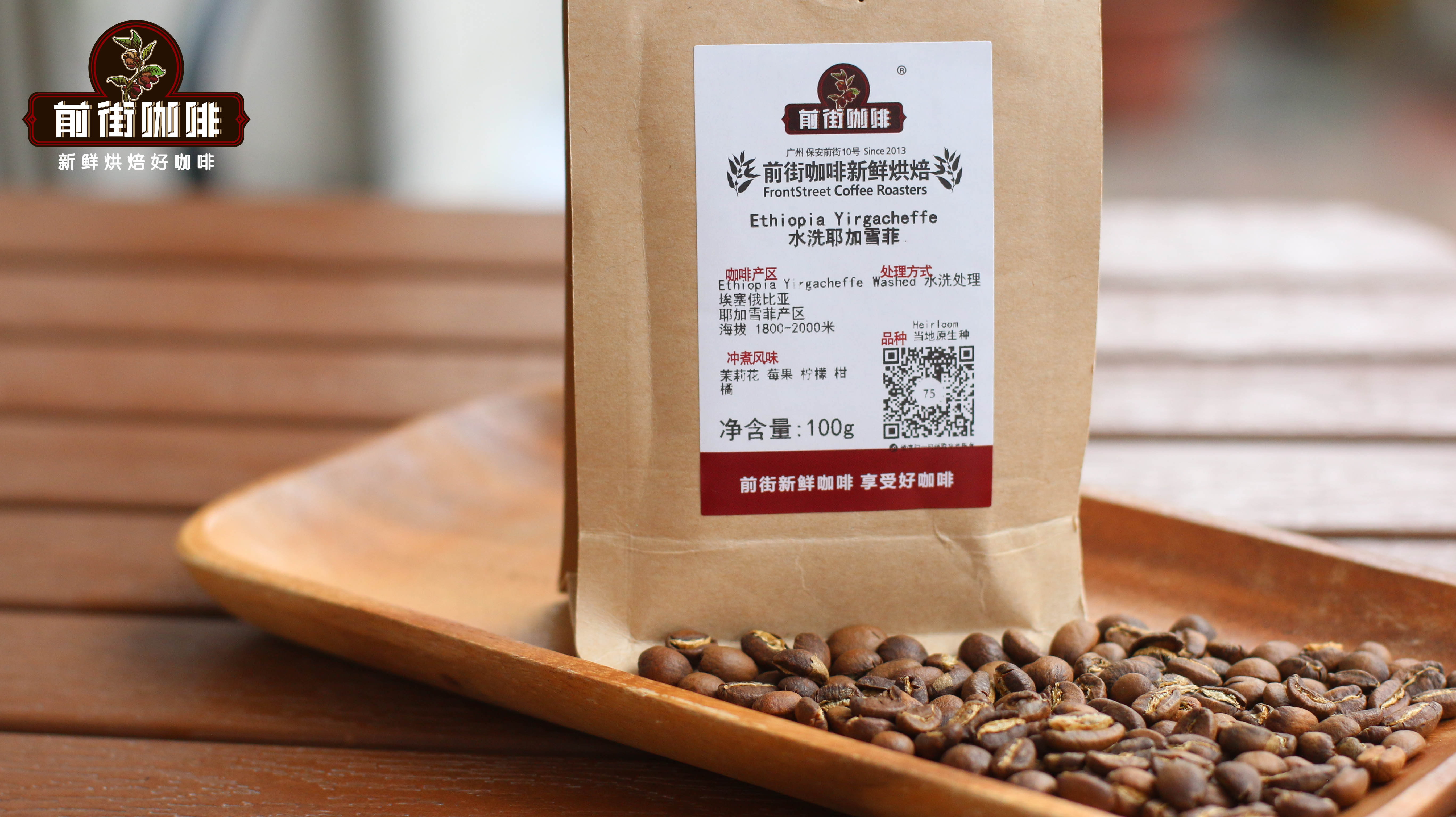
The V60 three-stage pour over parameters for a certain well-known coffee shop’s washed Yirgacheffe are ideal for enthusiasts seeking precise extraction. It is recommended to use a V60 filter, with water temperature controlled at 92–93°C, a coffee dose of 15 grams, a coffee-to-water ratio of 1:15, and a grind size similar to fine sugar (sifted through a #20 sieve to 78%). The first step is to bloom the coffee grounds with twice the amount of water (about 30 grams) for 30 seconds to form a dome; the second step is to pour water in small streams in a circular motion from the inside out until reaching 125 grams, then pause; once the coffee bed drops to about half the height of the filter, continue pouring to 225 grams to complete extraction, with a total time of about 2 minutes. The brewed coffee offers a cup entrance of lemon, citrus, and green tea notes, gradually revealing berry, cream, and sugarcane undertones as it cools, with a pronounced aftertaste and a clean, sweet mouthfeel.
If you prefer cold brew, the same washed Yirgacheffe from a certain well-known coffee shop also performs excellently. Prepare 30 grams of coffee beans ground to 80% coarseness of a Chinese #20 sieve (approximately fine sugar consistency), place them in a sealed container larger than 300 milliliters, stir evenly with a 1:10 coffee-to-water ratio (30 grams to 300 grams of room temperature water), seal, and refrigerate for extraction. After cold brew extraction is complete, filter out the coffee grounds. The cup offers a refreshing citrus acidity, accompanied by oolong tea notes, bright nectarine flavors, and subtle nuttiness. It is even more delightful when chilled and suitable for all-day drinking.
The above content is compiled by CoffeeHunters, a coffee news website.


