







Introduction:Indonesian Mandheling coffee is renowned for its distinctive earthy and spicy flavors, which are closely tied to its unique wet-hulled processing method. This article delves into the historical background and operational process of the wet hulling method, explores the reasons behind the horseshoe-shaped bean form, and compares the differences between double and triple hand-sorting practices at Indonesian processing mills. Finally, it recommends three classic wet-hulled Mandheling coffees — Golden Mandheling, Tiger Mandheling, and Lintong Mandheling — detailing their growing regions, altitudes, varieties, and flavor profiles to help you find your ideal coffee experience.
The reason Indonesian Mandheling holds an irreplaceable position in the global coffee market lies in its unique wet-hulled processing method. This technique not only imparts a rich earthy and spicy character to the beans but also gives them their iconic horseshoe shape. Understanding this method is a crucial first step in appreciating the flavors of Mandheling.
The wet-hulling process originated in regions of Indonesia such as Sumatra and Java, where the climate is humid and rainy, with few consecutive sunny days throughout the year, making traditional sun-drying methods difficult to implement. Additionally, limited water resources make the water-intensive washed process unsuitable. Under these environmental constraints, local farmers gradually developed wet hulling — an efficient and humidity-adapted processing method.
It is understood that the rise of this technique is also related to historical context. In the 17th century, Dutch colonists introduced coffee to Indonesia, seeking quick returns and low-cost operations. The wet-hulling method significantly reduced processing time on farms and lowered labor costs, aligning perfectly with the economic demands of the time and further driving its widespread adoption.
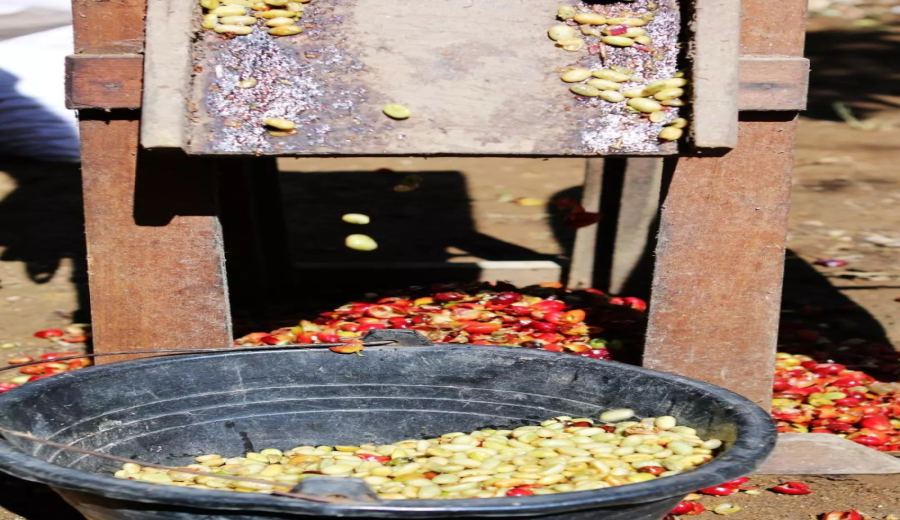
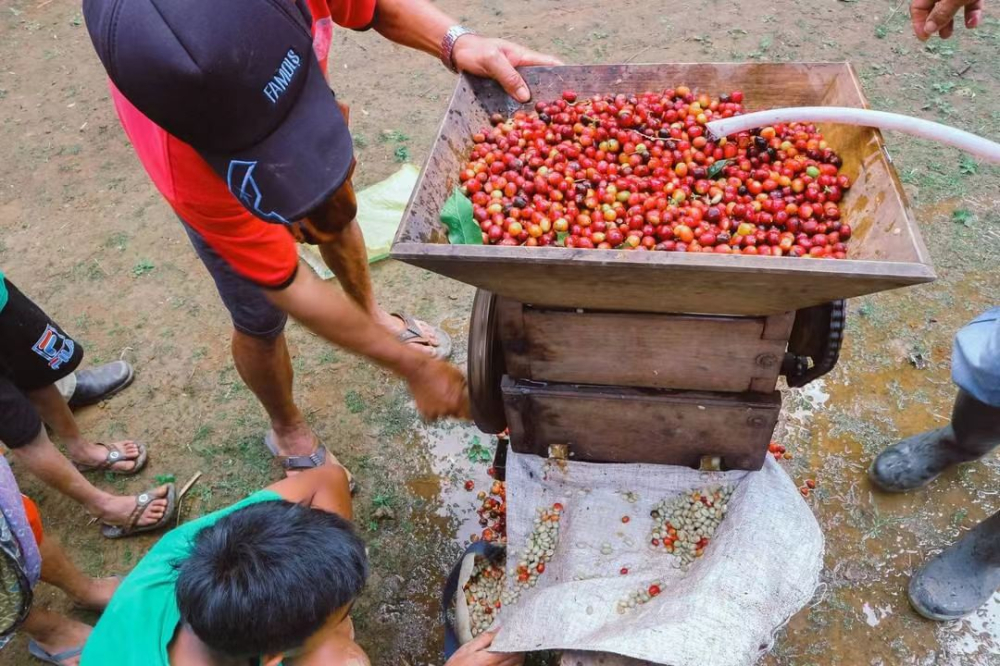
The wet-hulling process is relatively fast and unique. First, the outer skin and pulp of the coffee cherry are removed, followed by a short fermentation period. The beans then enter an initial drying stage while still retaining some moisture. Next, the mucilage layer and part of the parchment are removed, and the beans continue to dry until they reach approximately 12% moisture content. This method involves hulling the beans before they are fully dry, resulting in its distinctive flavors and appearance.
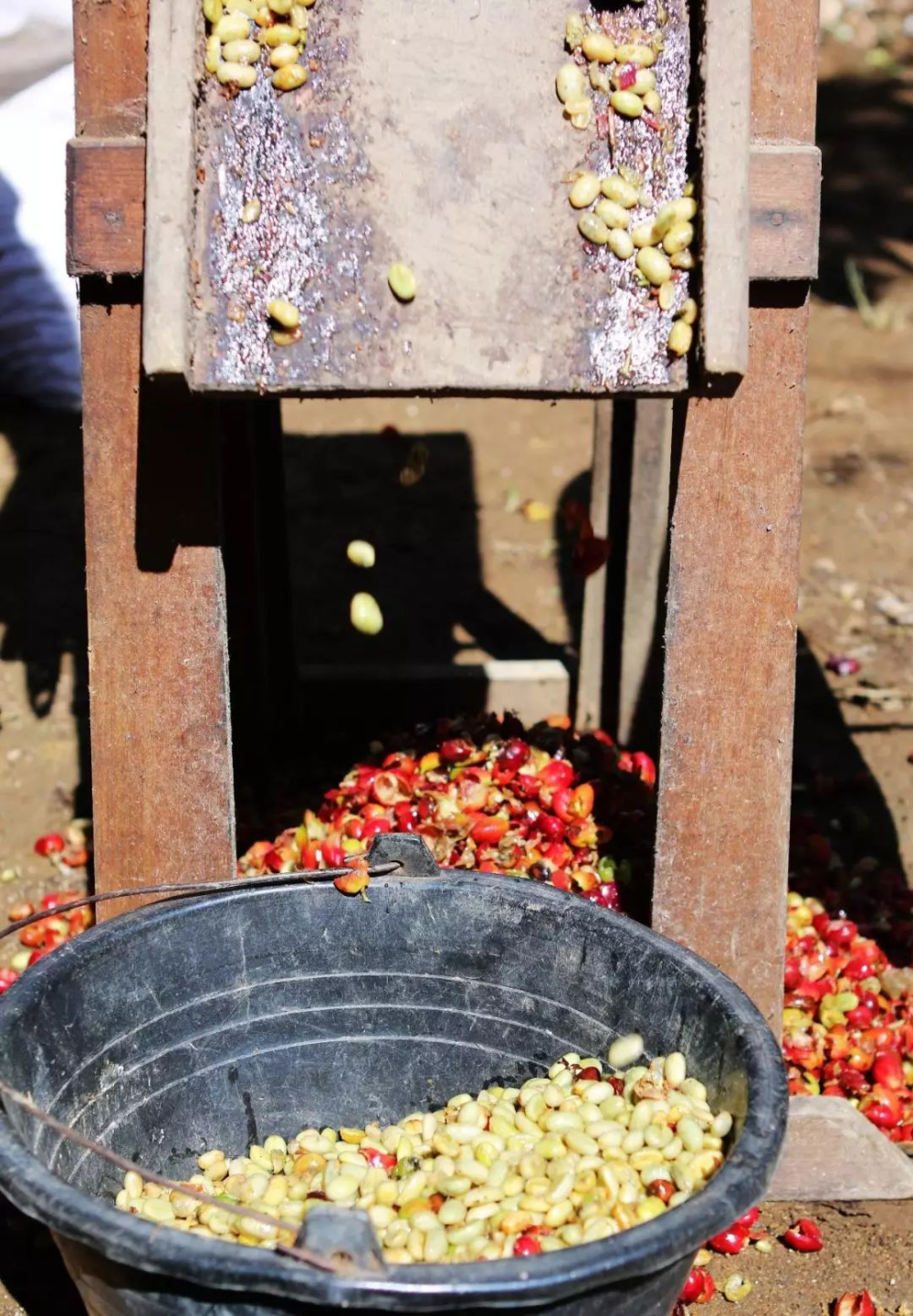
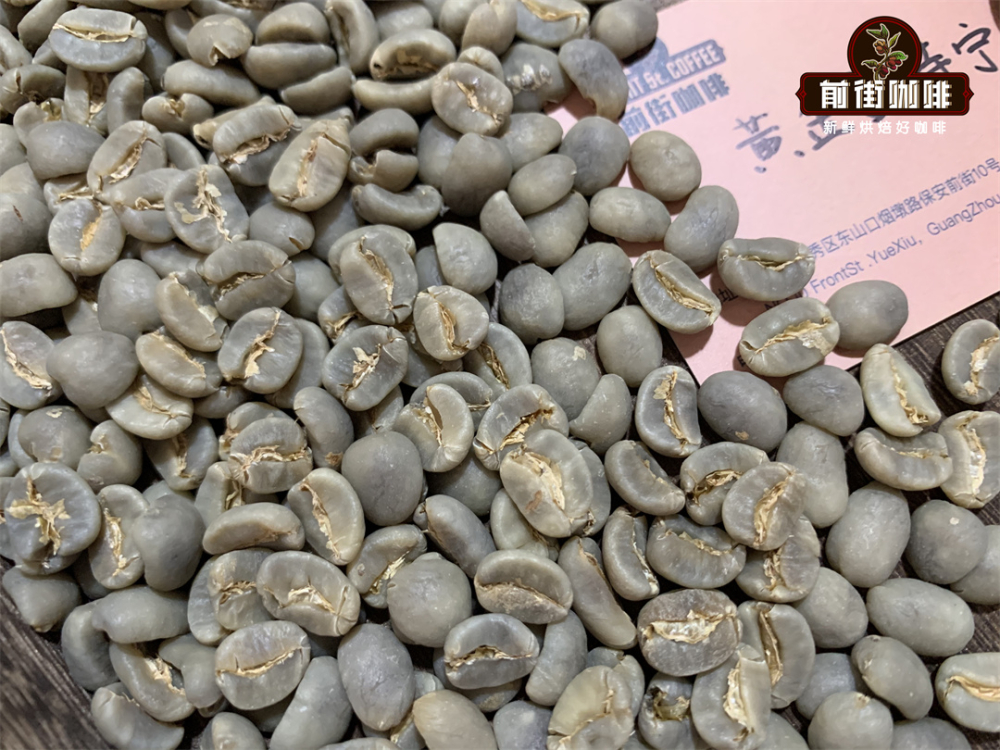
During the wet-hulling process, because the beans still have a high moisture content — around 20–24%, much higher than the 10–12% typically required for hulling — the parchment is not easily removed and requires greater friction. At the same time, the green beans in a “semi-dry” state have a more fragile structure and significantly lower hardness compared to fully dried beans. As a result, they are prone to compression cracks and indentations during mechanical hulling, forming shapes resembling horseshoes or goat hooves. Though often mistaken for defects, these features are actually typical markers of Mandheling.
Due to the fast processing speed, the wet-hulling method can also lead to a higher rate of defects. To ensure quality, Indonesian processing mills usually conduct multiple rounds of manual sorting, categorized as double hand-picking (DP) and triple hand-picking (TP). Generally speaking, coffee beans that undergo triple hand-picking have a lower defect rate and more stable overall quality.
Next, let’s take a look at three classic Indonesian wet-hulled Mandheling coffees, each with its own unique characteristics, suitable for coffee lovers with different flavor preferences.
First is Golden Mandheling. Grown in Sumatra, Indonesia, at elevations between 1100 and 1600 meters, it primarily features the Typica variety, with bean size at 19 mesh. Processed using the wet-hulling method, this coffee offers a clean and soft flavor profile, with notes of nuts, spices, herbs, licorice, chocolate, and caramel. It’s worth mentioning that the truly authentic “Golden Mandheling” available on the market is usually produced by PWN and undergoes three rounds of manual sorting and one round of machine sorting, containing almost no defective beans. As a result, it has a purer flavor after roasting, with prominent sweetness and relatively weak earthy off-notes.
The second recommendation is Tiger Mandheling. Also from Sumatra, it comes from the Tiger Estate at an altitude of about 1500 meters, and includes varieties such as Catimor, Typica, and Sidikalang. Also known as “Mandheling Tiger,” this coffee is characterized by a balanced flavor, often featuring notes of cream, dark chocolate, and nuts. Tiger Mandheling has strict selection criteria — it must possess an aroma reminiscent of traditional Chinese herbal medicine, have a bean size of 17 mesh or above, and maintain a defect rate below 4% to be included in this series.
Lastly is Lintong Mandheling. Sourced from the Lintong highlands in Sumatra, at elevations ranging from 1100 to 1600 meters, it mainly consists of Typica and Catimor varieties, also processed via wet hulling. This coffee is arguably the most common version of wet-hulled Mandheling, named after its origin in the Lintong region. Lintong Mandheling does not undergo any additional special processing, preserving the original characteristics of Sumatra’s native varieties. Its flavor profile is dominated by roasted toast, nuts, caramel, pine, and herbs. With a more lenient sorting standard, bean sizes may vary and processing stability is slightly lower, but its full body and reduced acidity still make it a favorite among coffee enthusiasts who prefer bold flavors.
In summary, the wet-hulling process of Indonesian Mandheling is not only an innovative technique adapted to the environment but also shapes its unique flavor profile and physical characteristics. From the formation of horseshoe-shaped beans to the quality control achieved through double and triple hand-sorting, each step influences the final cup. If you want to explore the deep allure of Indonesian coffee, start with these three classic wet-hulled Mandhelings to experience the subtle differences brought by varying altitudes, varieties, and processing details.
The above content is compiled by CoffeeHunters, a coffee news website.


