








Introduction:Understanding the differences in coffee bean varieties and growing regions is the first step in selecting coffee that suits your taste. This article delves into the characteristics of the main Arabica coffee varieties and compares the flavor profiles of different regions such as Costa Rica, Ethiopia, and Panama—from honey process to washed and natural, guiding you through the unique aromas and tastes of coffees from around the world. It’s a must-read selection guide for pour over coffee enthusiasts.
The flavor of coffee can reveal its variety and origin from the very first sip. Among the many coffee varieties, Arabica stands out as the mainstream in the specialty coffee market due to its delicate acidity and rich aroma. Compared to the strong bitterness and high caffeine content of Robusta, as well as the rare Liberica, Arabica is favored by coffee lovers and professional cuppers.
When categorized by region, the climate, altitude, and processing methods around the world give coffee beans distinctly unique personalities. Whether it’s Jamaica Blue Mountain, Ethiopia Yirgacheffe, Indonesia Sumatra, or Central American countries like Costa Rica and Panama, each region’s coffee has its representative flavor traits—this is also part of the fun that many coffee enthusiasts love to explore.

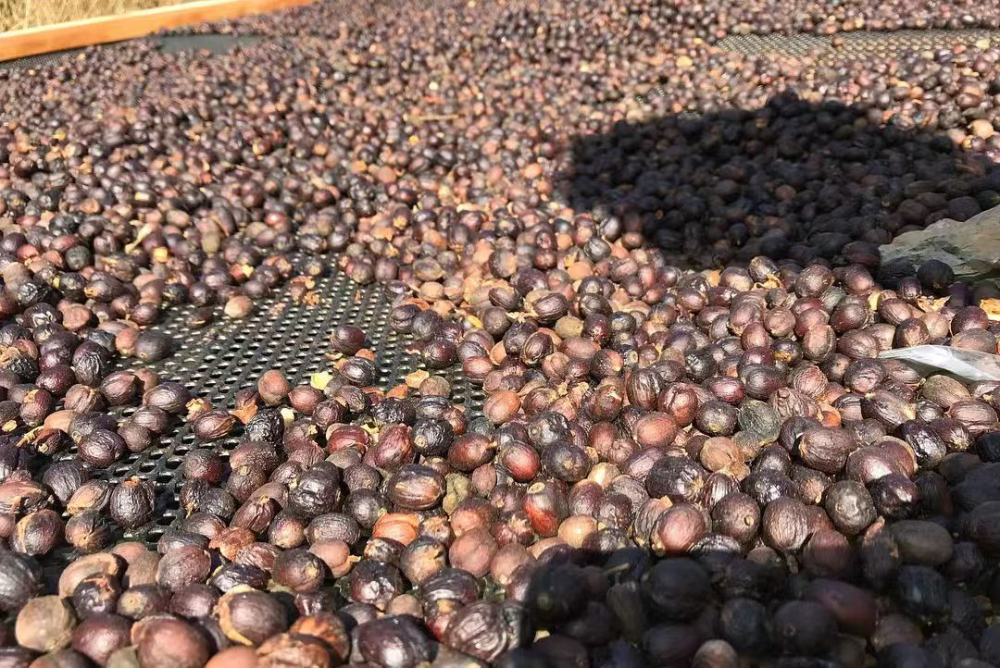
Take Costa Rica as an example: its coffee beans generally have a balanced acidity-to-sweetness ratio, with a rich mouthfeel and distinct fruit notes. Especially those produced at medium to high altitudes, they offer a long-lasting sweetness and a clean aftertaste. Notably, Costa Rica’s honey process is highly distinctive. This method retains some of the mucilage, allowing the coffee to accumulate more sweetness and body during fermentation and sun drying.
The honey process in Costa Rica can be divided into yellow honey, red honey, and black honey, depending on the amount of mucilage retained: yellow honey retains about 40%, red honey about 25%, while black honey removes almost none, resulting in even richer sweetness and fermented aromas. For instance, some entries in the Musician Series of single-origin Costa Rican beans highlight dried grape and caramel notes through the honey process, making them ideal for pour over lovers who prefer pronounced sweetness.
Moving to Africa, Ethiopia is the birthplace of coffee and boasts an incredibly rich gene pool of native varieties. As a result, Ethiopian beans sold on the market are often labeled as ‘Heirloom’. Due to the diversity of varieties and protective policies, these beans may vary in size but hold astonishing flavor potential. Among them, the Sidamo and the independently formed Yirgacheffe regions are renowned for their washed and natural processing methods.
Yirgacheffe’s washed beans typically exhibit a clear citrus and lemon acidity paired with a full-bodied texture reminiscent of black tea. Meanwhile, the natural process enhances sweet notes like berries and honey, resulting in a more expressive flavor profile. Observing the raw beans, washed beans often have a greenish hue, while natural beans tend toward yellow-green—and the amount of silver skin residue can also vary with roast level, with darker roasts more likely to shed the silver skin.

Heading further into Central America, Panama’s coffee beans have achieved remarkable success in international competitions in recent years. Especially the Geisha variety produced by Hacienda La Esmeralda, which is considered the pinnacle of specialty coffee. Geisha coffee is known for its delicate floral notes, tropical fruit characteristics, and bright acidity, particularly celebrated for aromas of berries, cherries, and honey.
Take the Emerald Green Label Geisha as an example: its dry fragrance carries a fresh berry scent, and as it brews, it releases ripe fruit and honey sweetness. As it cools slightly, you can perceive layered changes in caramel and fermented aromas. However, Diamond Mountain coffee from the same region, though grown in the same estate as Geisha, presents a completely different flavor profile—dominated by intense chocolate notes, spicy aromas, and a full-bodied sweetness, making it ideal for those who prefer deeper taste experiences.
In addition to Geisha and Diamond Mountain, Panama also cultivates traditional varieties such as Caturra and Catuai. These beans, interpreted through various processing methods, can also showcase diverse regional flavors. For instance, some estates use anaerobic fermentation or honey processing to enhance the fruity and wine-like qualities of the coffee, adding more variety to pour over or drip coffee experiences.
In summary, from the nuanced distinctions among Arabica varieties to the sweet honey processes of Costa Rica, the bright washed profiles of Ethiopia and its bold naturals, and on to the vibrant floral and fruity notes of Panama’s Geisha—each region and processing method gives coffee beans a unique personality. Gaining a deeper understanding of these differences not only helps you find the coffee that best matches your palate, but also enables you to adjust grind size, water temperature, and brewing time according to the bean’s characteristics during pour over or extraction, thereby bringing out the coffee’s optimal performance.
The above content is compiled by CoffeeHunters, a coffee news website.


