







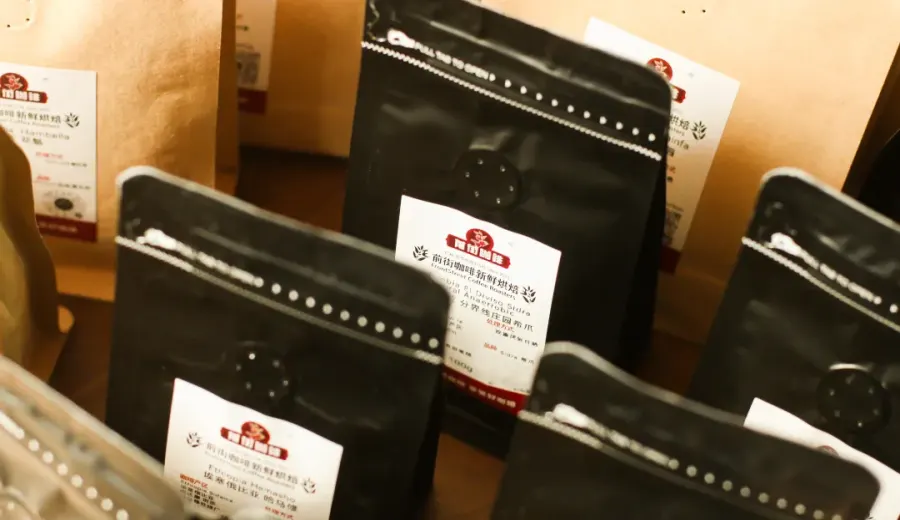
Introduction:Washed Yirgacheffe is renowned for its bright floral and fruity aromas and is often the first choice for many coffee beginners exploring Ethiopian flavors. But when it comes to washed processing, what are the differences in green bean appearance, cupping performance, and final flavor between G1 and G2 grades? This article takes an in-depth look at the ECX grading standards, guiding you from green bean selection and roast profiles to pour over recommendations, helping you understand the practical distinctions between G1 and G2, and providing professional parameter references to help you find the Yirgacheffe that best suits your taste.
Yirgacheffe is a well-known coffee-growing region in Ethiopia’s Southern Gedeo Zone and holds a distinctive place in the global specialty coffee market with its unique flavor profile. The coffee beans produced here, especially those processed using the washed method, are celebrated for their clean, bright acidity and vibrant floral and fruity notes. Compared to other processing methods, washed Yirgacheffe highlights a clearer and more refined tone, making it a classic representation of Ethiopian coffee.
In Ethiopia, coffee cultivation is generally divided into three categories: forest coffee, garden coffee, and plantation coffee. Yirgacheffe’s coffee mostly falls under the garden coffee category, meticulously grown by local farmers around their homes and carefully managed to maintain quality. This farming approach helps preserve rich regional characteristics and contributes to the diverse flavor profiles of Yirgacheffe.
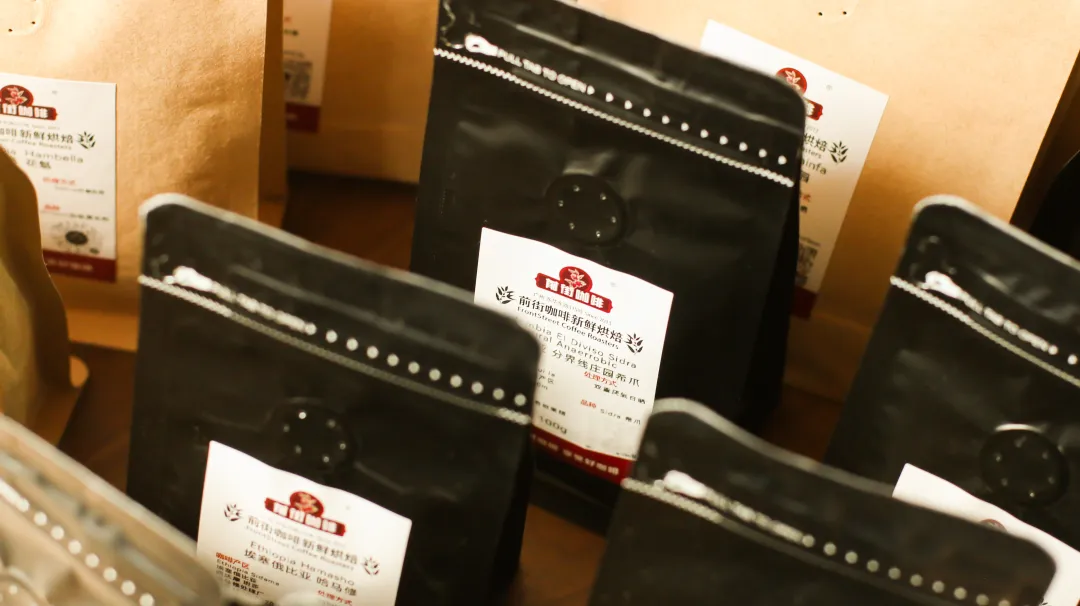
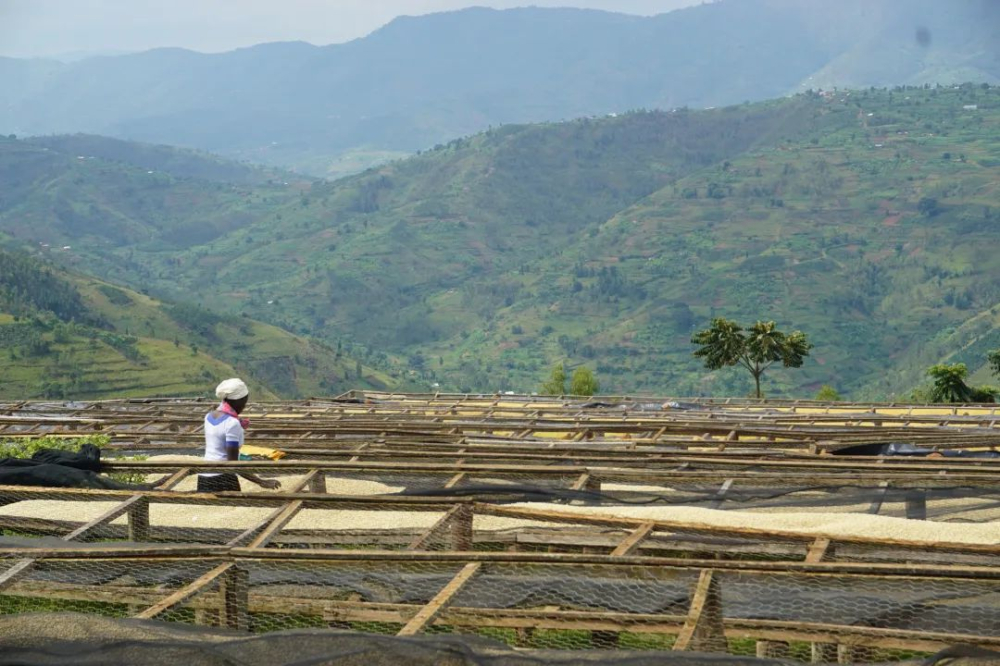
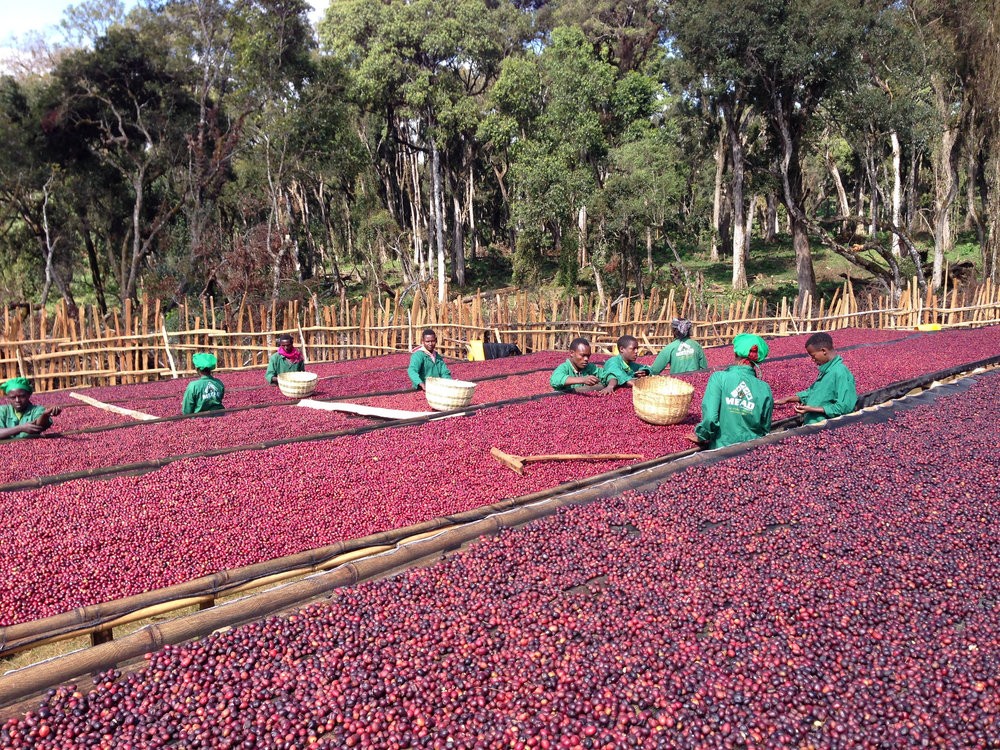
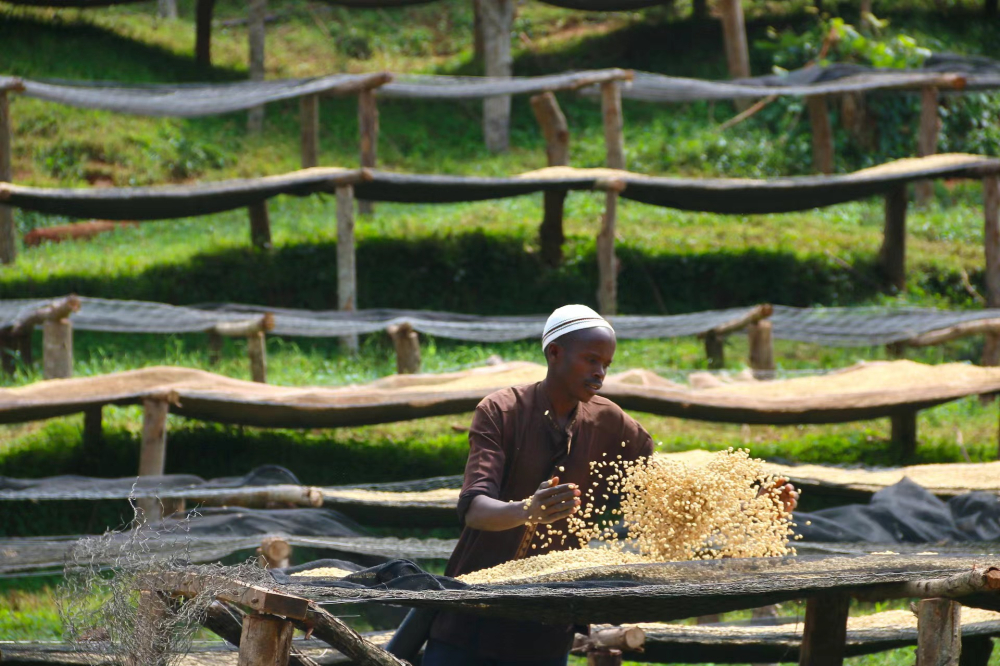
The washed processing method is one of the most common techniques used for Yirgacheffe. As early as 1972, Ethiopia introduced washed processing technology from Central and South America, significantly improving the cleanliness and purity of the coffee's flavor. Compared to traditional natural (sun-dried) processing, washed processing removes the mucilage layer and impurities through soaking, fermentation, and multiple washes, resulting in brighter acidity and clearer aromas—especially effective for showcasing Yirgacheffe’s signature citrus and floral tones.
The washed process can be roughly divided into seven steps: sorting, pulp removal, fermentation, washing, drying, hulling, and final grading. Among these, the fermentation stage typically lasts 18 to 36 hours, during which microorganisms break down the mucilage, followed by repeated rinsing with clean water. Finally, the moisture content is reduced to around 12% before drying. This process not only reduces off-flavors but also makes the coffee’s intrinsic flavors more prominent.
The Ethiopian Commodity Exchange (ECX) has established a strict grading system for coffee beans, primarily evaluating based on two major aspects: physical characteristics and cupping quality. Physical characteristics include the number of defects, bean size, color, and odor, while cupping quality covers cleanliness, acidity, mouthfeel, and flavor characteristics. Both washed and natural beans are graded into nine levels from G1 to G9 under this standard, where G1 and G2 are generally considered specialty grades, with G1 representing the top tier of washed beans.
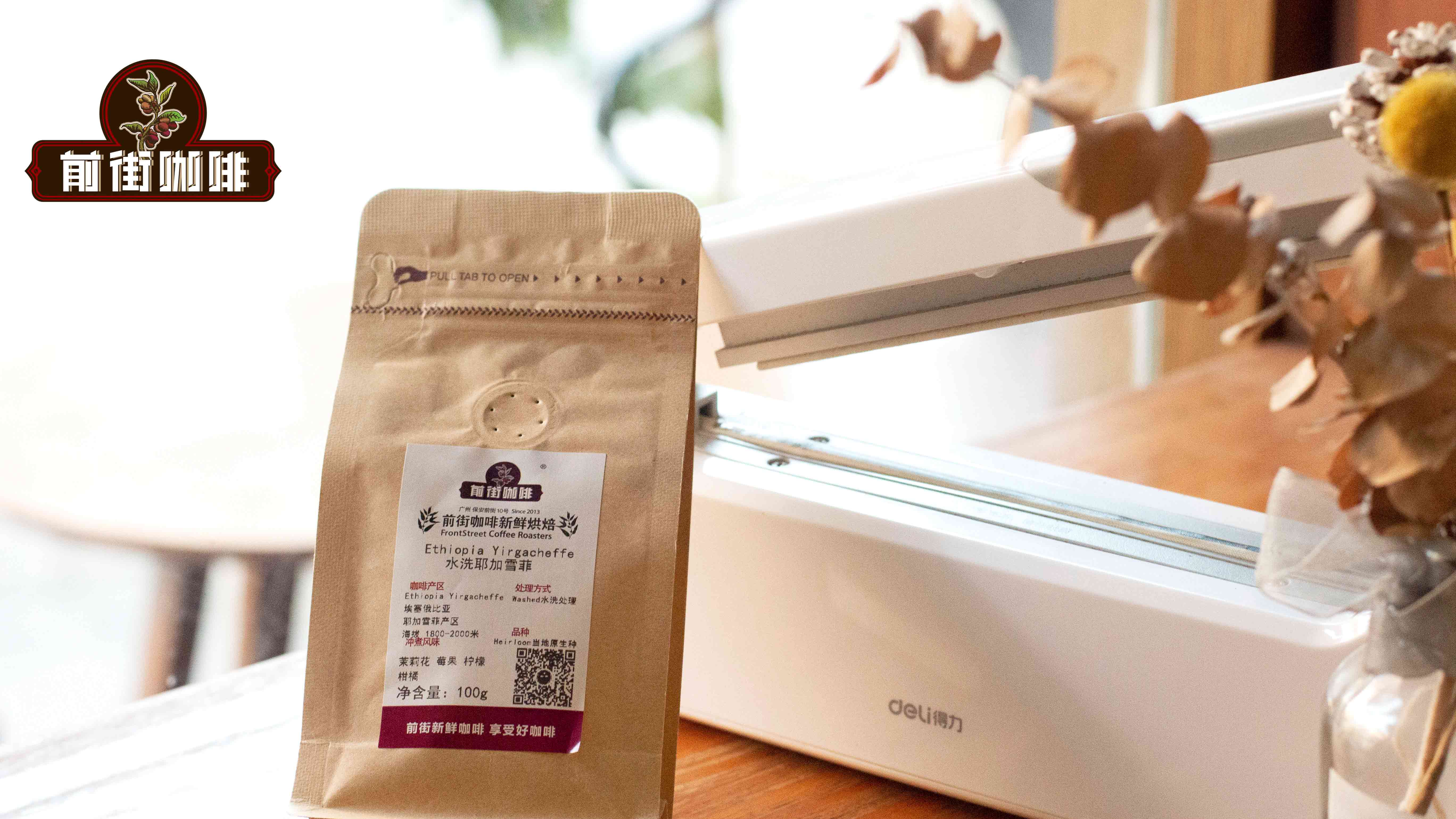
According to ECX regulations, the main differences between G1 and G2 lie in the number of defective beans and overall appearance. The export standard specifies that if there are 3 or fewer defective beans per 300 grams of green beans, it qualifies as G1; 4 to 12 defective beans classify it as G2. Additionally, high-scoring beans within G1 and G2 (85 points and above) can be further rated as Q1 grade, while those scoring between 80 and 85 are classified as Q2 grade—both are considered specialty coffee (Specialty Grade). Scores below 80, regardless of being G1 or G2, will be categorized as G3 or lower commercial grades (Commercial Grade).
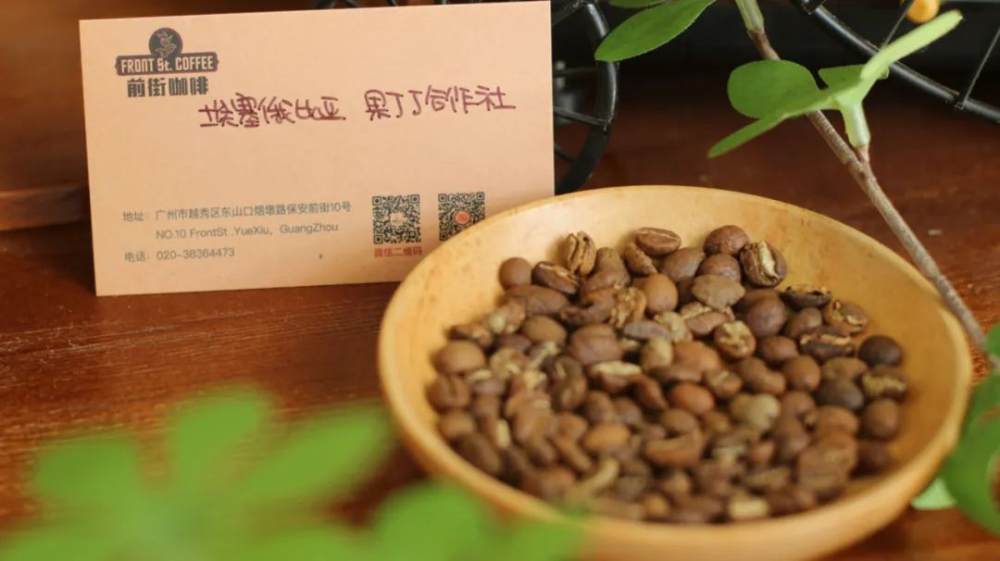
Upon visual inspection of green beans, G1-grade Yirgacheffe typically features uniformly sized beans with intact appearance and a low defect rate; in contrast, G2 beans often show inconsistent sizes, irregular shapes, and a noticeably higher proportion of defective beans. These differences not only affect heat transfer during roasting but are also directly reflected in the overall cupping performance and final flavor profile.
In terms of roasting application, Yirgacheffe, due to its delicate flavors, is generally recommended to be roasted lightly to preserve its refined acidity and floral and fruity notes. Taking G1 grade as an example, it is suggested to start with a drum temperature of about 200°C, initial flame power at 150, and air damper set to 3. Once the bean surface turns yellow and the grassy aroma fades, gradually adjust the flame and air damper, and continue roasting for about 2 minutes after the first crack, with a final drop temperature of around 193.5°C. For G2 grade, the roast curve can be slightly adjusted—for instance, delaying the first crack point and final drop temperature—to balance the impact of its relatively more complex impurity factors.
Cupping results show that G1 washed Yirgacheffe often exhibits dry aromas of elegant floral notes such as jasmine and ginger lily, while wet aromas are dominated by lemon and citrus. Upon tasting, distinct citrus, lemon, grapefruit, and plum fruit acidity can be perceived, with a tea-like finish and slight sweetness. G2, while also presenting jasmine and citrus in dry aroma, tends to have simpler wet aromas and flavors, mainly featuring lemon and citrus, with a noticeable tea note but less complexity, occasionally accompanied by some off-flavors.
For brewing recommendations, to fully highlight Yirgacheffe’s fruit acidity and aroma, most specialty shops recommend using a V60 filter cone with water around 90°C, a coffee-to-water ratio of approximately 1:15, and a grind size between the fineness where 80% passes through a Chinese No. 20 sieve. Using 15 grams of coffee as an example, start with 30 grams of water for a 30-second bloom, then proceed with pulse pouring to reach 225 grams total, keeping the total extraction time around 2 minutes and 5 seconds. This approach effectively balances acidity and sweetness, avoiding over-extraction or excessive sourness.
It is worth noting that water temperature significantly impacts the flavor expression of Yirgacheffe. According to SCA recommendations, light-roasted beans are best brewed with water temperatures between 90–94°C, which can bring out richer fruit acidity and sweetness. If the water temperature is too low (e.g., 86–88°C), it may result in insufficient aroma and thin body. Practical testing has found that a water temperature of 90–92°C best highlights Yirgacheffe’s lively acidity and layered floral and fruity notes, making it a preferred parameter for many coffee enthusiasts.
In summary, although both washed Yirgacheffe G1 and G2 belong to the specialty grade, they exhibit clear differences in green bean appearance, defect rate, roasting response, and cupping flavor. G1, with its uniform bean size, low defect rate, and rich complexity, is often recommended by baristas as the ideal entry-level choice; whereas G2, being relatively more affordable, is suitable for consumers on a budget who still wish to experience the classic flavors of Yirgacheffe. Regardless of which grade you choose, mastering the correct roasting and brewing parameters will allow you to fully appreciate the unique charm of Ethiopian washed coffee.
The above content is compiled by CoffeeHunters, a coffee news website.


