







Introduction:The Huila region of Colombia is renowned for its consistently high-quality coffee beans, which offer a delightful combination of nutty, caramel, and berry acidity flavors, making it a staple choice for many coffee enthusiasts. This article delves into the geographical conditions, popular coffee varieties, and washed processing methods of the Huila region, helping you understand the flavor profile of this classic coffee. It also provides a detailed guide on how to properly brew coffee using drip bags, including optimal water temperature and precautions, and debunks the common question of whether drip bags can be reused—helping you get the most out of every cup.
Huila (Huila), a key specialty coffee region in Colombia, stands out with its stable production capacity and outstanding flavor profile, earning recognition in the global coffee market. The beans produced here often exhibit pronounced nutty aromas, gentle berry acidity, and a sweet yet non-cloying caramel finish, delivering a richly layered and well-balanced flavor overall. Industry professionals use locally washed, medium-to-dark roasted Huila beans to produce 10-gram drip bags—perfect for everyday enjoyment while still offering the nuanced taste akin to pour-over brewing.
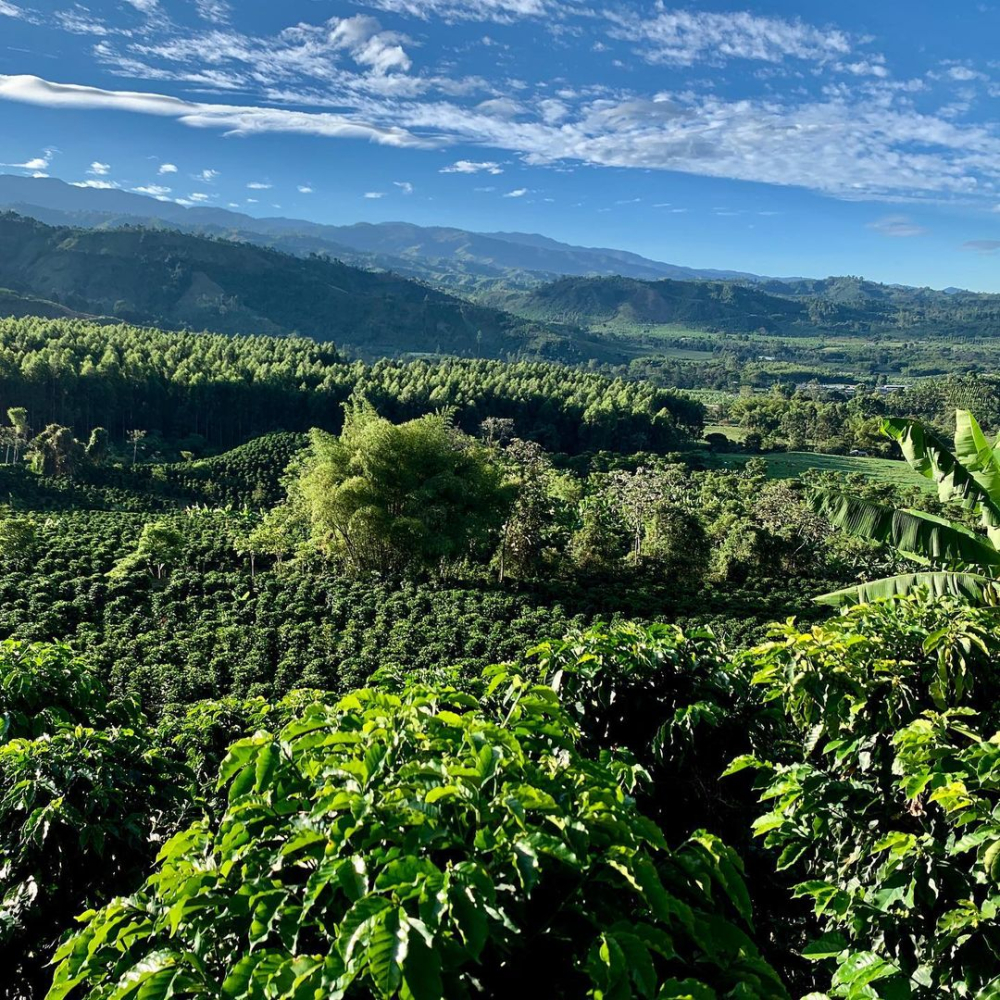
Located in the southwestern part of Colombia, Huila sits on a plateau with elevations generally exceeding 1,500 meters. Surrounded by mountains and blessed with a cool, humid climate, the region also benefits from being at the convergence of several major rivers, ensuring abundant water supply—an ideal environment for coffee cultivation.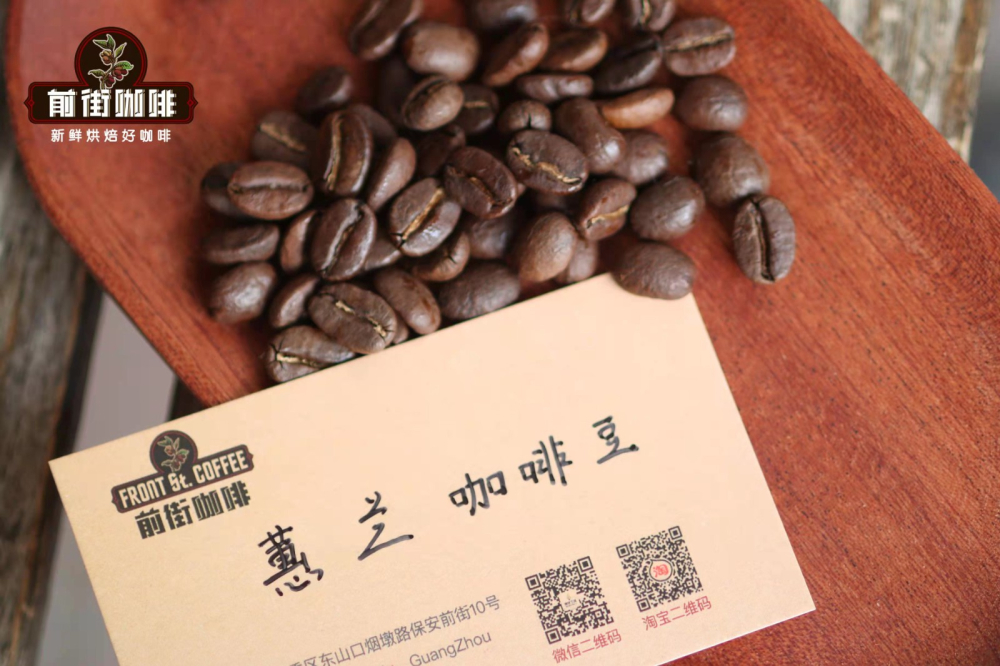
Colombia’s overall climate is highly diverse, ranging from tropical rainforests to savannas, with national average temperatures between 15.8°C and 20.5°C. The main coffee-growing areas typically experience temperatures between 18°C and 22.5°C, with annual rainfall of about 1,000 to 2,500 millimeters. Such rich microclimatic variation has given Colombian coffee strong regional characteristics, with each producing area showcasing its own unique flavor personality.
Colombia is the world’s largest producer of washed Arabica coffee and one of the few countries where legislation mandates the cultivation of only Arabica varieties. Thanks to proactive government policies and industry support, the country has successfully transformed from a region once known for illicit crops into a major exporter of high-quality coffee. Its specialty coffees primarily come from high-altitude southern regions, including Huila Province, Cauca Province, Nariño, and Tolima. These areas, blessed with altitude and soil conditions, produce coffees with bright acidity, rich berry notes, and prominent sweetness.
The Huila region is not only one of the core areas of Colombia’s specialty coffee but is also hailed as the country’s national treasure-level coffee origin. According to statistics from the FNC (Colombian Coffee Growers Federation), this region accounts for approximately 18% of the nation’s total coffee output and officially received Denomination of Origin certification in 2013. Huila coffees have won numerous awards in international competitions such as the Cup of Excellence and are highly regarded by roasters and coffee professionals. Their flavor profile features intense nuttiness, smooth chocolatey notes, and a mellow caramel sweetness, with bright and balanced acidity—a quintessential representation of high-quality washed Arabica.
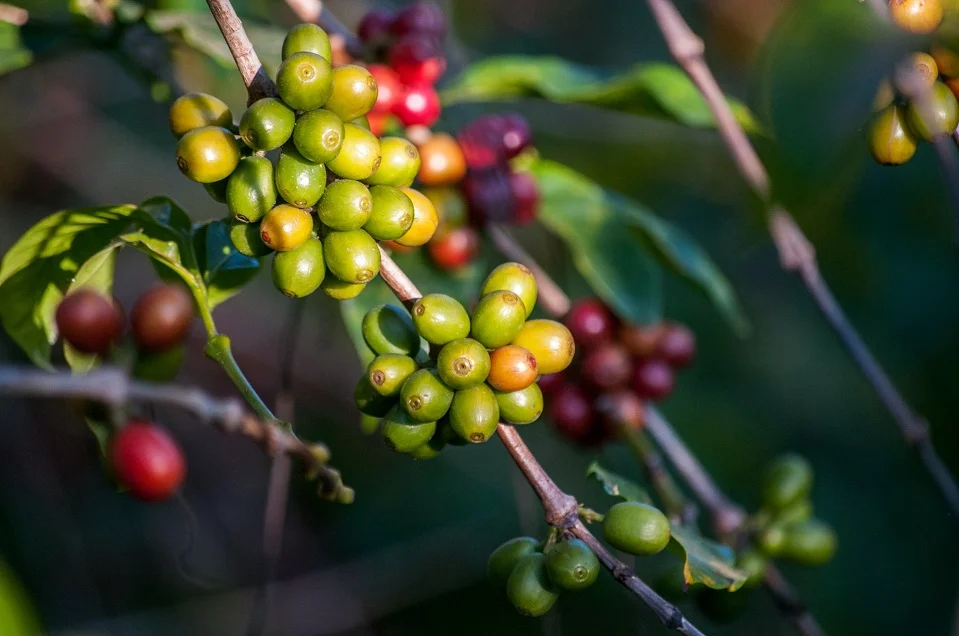
In terms of variety, the Huila region mainly cultivates Caturra and Catuai, two commonly grown varieties in Central and South America. Caturra is a natural mutation of Bourbon, known for its high yield, good disease resistance, and no need for shade—making it well-suited for high-altitude planting. Its flavor profile is clean with soft acidity, similar to Bourbon, but the plant is shorter and easier to harvest. Catuai is a hybrid of Caturra and Yellow Caturra, combining stable yield with desirable flavor traits. These two varieties, grown in Huila’s high-altitude and volcanic soil conditions, exhibit delicate berry acidity, roasted nut aromas, and a pronounced caramel aftertaste, with particularly outstanding sweetness.
Colombian coffee generally employs the washed processing method, closely tied to the country’s abundant water resources. Washed processing effectively highlights the coffee’s cleanliness and acidity, resulting in a more defined flavor profile. Typical smallholder farms use specially designed depulpers (such as Ecomill or Eco-Pulper) for initial processing, with the general workflow as follows:
1. After harvesting, coffee cherries are first placed in water for flotation; defective or unripe beans usually float to the surface, while those that sink are mature and qualified. This step also helps improve processing efficiency later on.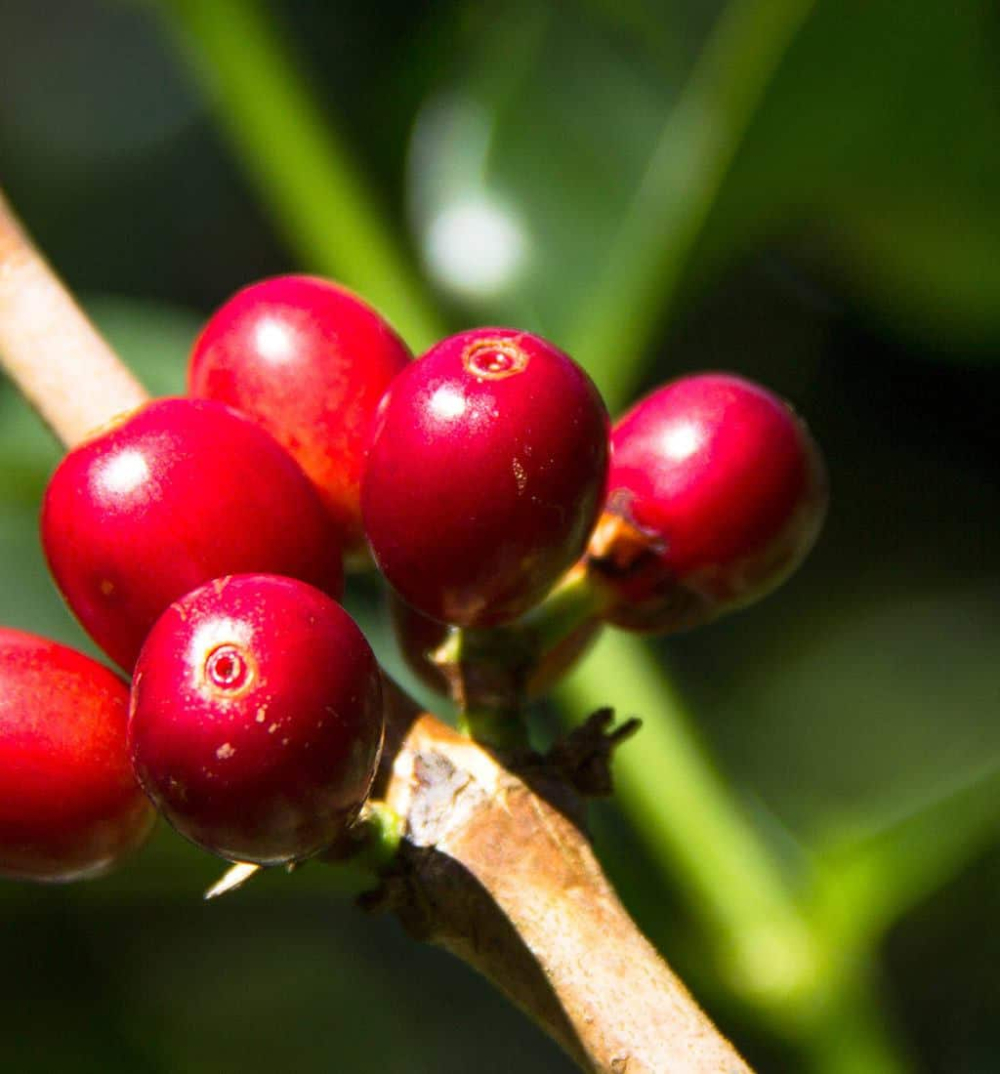
2. The selected cherries are then fed into a pulper to remove the outer skin and pulp, though the beans still retain a layer of sticky mucilage at this stage.
3. The mucilage must be removed through a fermentation process, typically taking around 18 hours. After fermentation, residual fermentation bacteria remain on the bean surface, so the beans must be thoroughly rinsed with large amounts of clean water. This stage consumes approximately 40 to 50 kilograms of water per kilogram of coffee beans, making it highly water-intensive—a key reason why this method is difficult to adopt in arid regions.
4. Finally, the cleaned beans are dried. Drying methods vary by region and may include sun drying or mechanical drying, with the goal of reducing moisture content to around 11% before packaging for export.
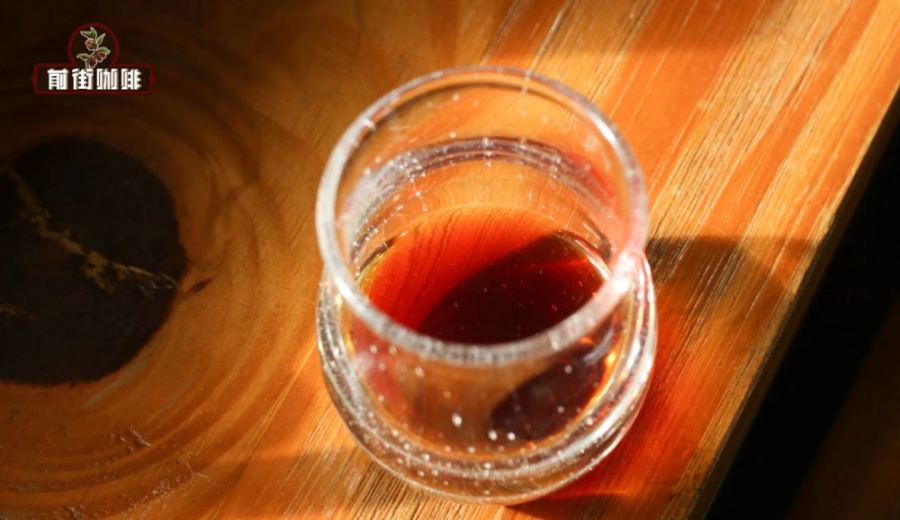
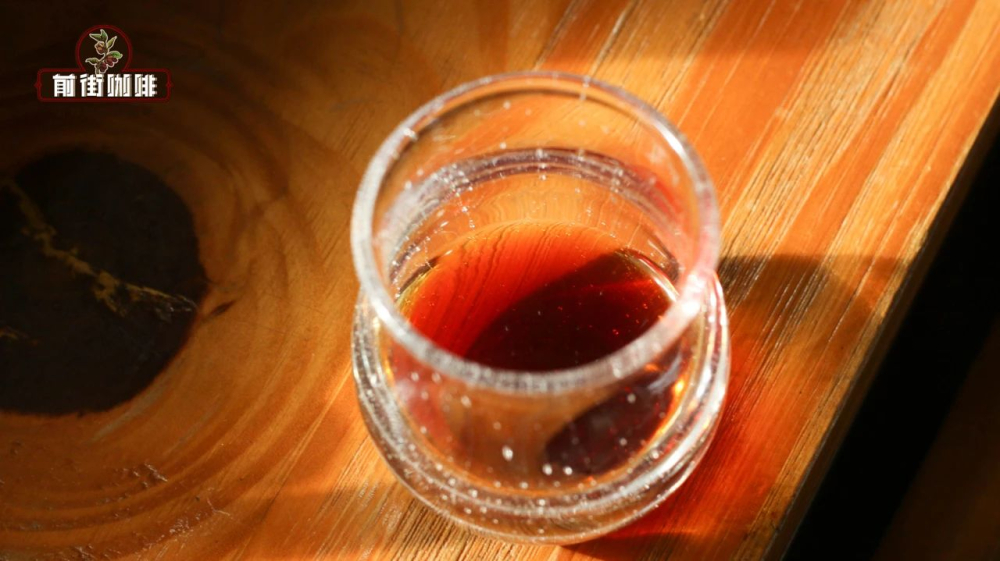
For these washed Huila coffee beans, a medium-to-dark roast was chosen to enhance their rich body and caramel sweetness. Upon tasting, the first impression is a strong nutty character, with sweetness clearly leaning toward caramel and chocolate tones. As the coffee cools slightly, subtle fruity acidity notes emerge, resulting in an overall balanced and layered profile.
This Huila drip bag coffee is suitable for various brewing methods—not only drip filtration but also compatible with pour-over, French press, moka pot, and other devices. Each 10-gram pack is designed to brew a standard-strength cup of black coffee, convenient for daily consumption.
Recommended steps for brewing drip bag coffee are as follows:
a. Carefully open the drip bag by following the tear indication on the packaging;
b. Flatten the drip bag, tear open the powder pouch seal, unfold both sides of the ear loops, and hang the bag over the cup rim;
c. It is recommended to use purified water. After boiling, let it sit for about 1 minute, then steadily pour hot water evenly into the filter bag. Avoid pouring too quickly or forcefully, and when the liquid level inside the bag drops, pour again until the desired coffee volume is reached (about three-quarters full or adjusted to personal taste). Finally, gently remove and discard the drip bag (mind the heat to avoid burns);
d. It is best to drink the brewed coffee immediately. You may add sugar or milk according to preference.
Regarding the usage and precautions of drip bag coffee, the following points are worth noting:
a. Coffee freshness is the primary factor affecting flavor—it is recommended to consume the coffee soon after opening for the best taste;
b. Store the drip bags in a dry, cool place, avoiding storage alongside items with strong odors such as spices or seafood;
c. The optimal brewing water temperature is recommended to be between 85°C and 95°C, with slight adjustments based on personal preference;
d. Drip bags contain single-origin coffee and are best enjoyed as is—avoid adding too many ingredients that may mask the original flavors;
e. To fully experience the unique flavor of each coffee, it is recommended to brew each drip bag only once, and discard it after use.Reusing is not advisedbecause most of the flavor compounds will have been extracted during the first brew, resulting in a noticeably weaker and imbalanced taste upon the second use.
The above content is compiled by CoffeeHunters, a coffee news website.


