








Introduction:The Gesha Village Coffee Estate in Ethiopia is one of the few large-scale farms in the world dedicated exclusively to the Geisha variety. Its coffees are divided into five grades: Auction, Gold Label (RARITIES), Red Label (GROWERS RESERVE), Green Label (SINGLE-TERROIR), and Chaka. This article provides an in-depth analysis of the origin, processing methods, flavor profiles, and market positioning of each grade, along with recommended professional roasting and pour over parameters to help coffee enthusiasts make informed choices based on taste preferences and budget.
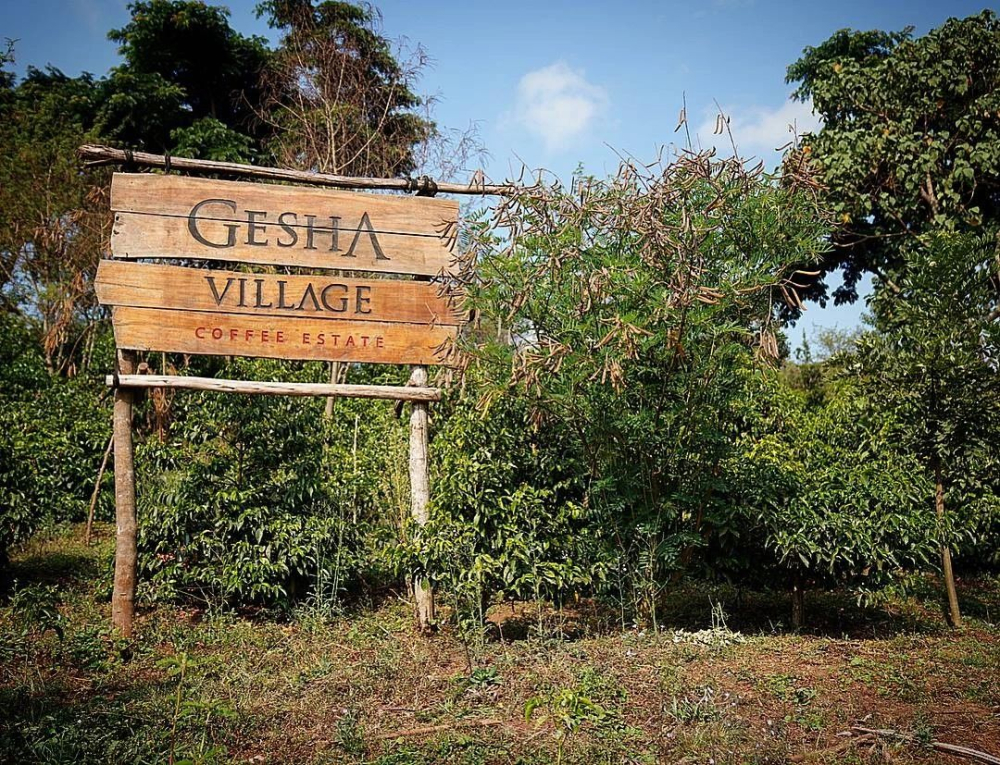
Located in the Bench Maji zone of southwestern Ethiopia, the Gesha Village Coffee Estate is one of the few specialty coffee farms in the world that focuses on the Geisha (Geisha) variety, cultivating it on a large scale with meticulous management. Unlike typical Ethiopian farms that grow mixed or unspecified varieties, Gesha Village exclusively plants Geisha and follows a rigorous grading system. Its products are divided into five categories: Auction, Gold Label (RARITIES), Red Label (GROWERS RESERVE), Green Label (SINGLE-TERROIR), and Chaka. Each grade represents a different level of quality and flavor expression.
The story of Gesha Village began in 2007 when documentary filmmaker Adam Overton and his photographer wife Rachel Samuel, while shooting an industry documentary for the Ethiopian government, first visited the Gera Coffee Forest in the Bench Maji zone. This visit inspired the idea of establishing a coffee estate. In 2009, after consulting with renowned coffee expert Willem Boot, they decided to return to Ethiopia to search for the original homeland of the Geisha variety. Eventually, they discovered the Gori Gesha forest in a forested area near the South Sudan border in Bench Maji, believed to be the original habitat of Geisha. There, they collected wild Geisha seeds, cultivated them, and established what is now the Gesha Village Coffee Estate. The estate spans approximately 475 hectares, about 12 miles from the original Gori Gesha forest, and features its own wet processing mill and experimental facilities, focusing on the cultivation and research of the Geisha variety.
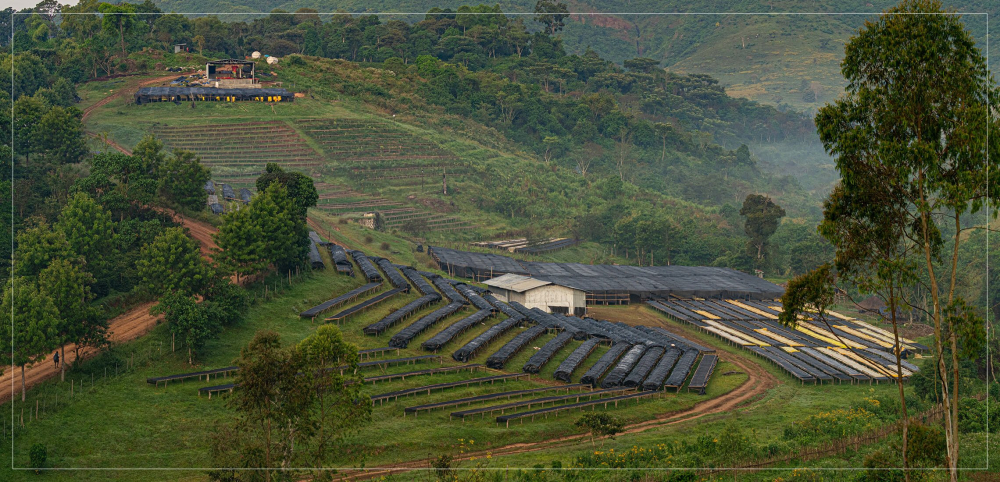
Currently, Gesha Village cultivates three main varieties, all named after the expedition teams from that year: Gesha1931, Gori Gesha, and Illubabor. Among them, Gesha1931 is considered the closest to the famous Geisha parent plant in Panama, identified through morphological observation, bean size, and cupping results. Gori Gesha was collected by the estate owner in 2011 from a wild Geisha forest about 20 kilometers from the estate, and no similar samples have been found elsewhere to date. Illubabor is a variety provided by the Ethiopian Coffee Research Center. These three varieties form the rich and diverse flavor foundation of Gesha Village.
In terms of the grading system,Auction lotsare the flagship products of Gesha Village, accounting for only 3.7% of the annual production. They must undergo strict selection and are available only through international auction channels, making them the top choice for collectors and top-tier competitions. These lots are not only rare in production but also represent the most iconic flavor expressions of the estate for that year.
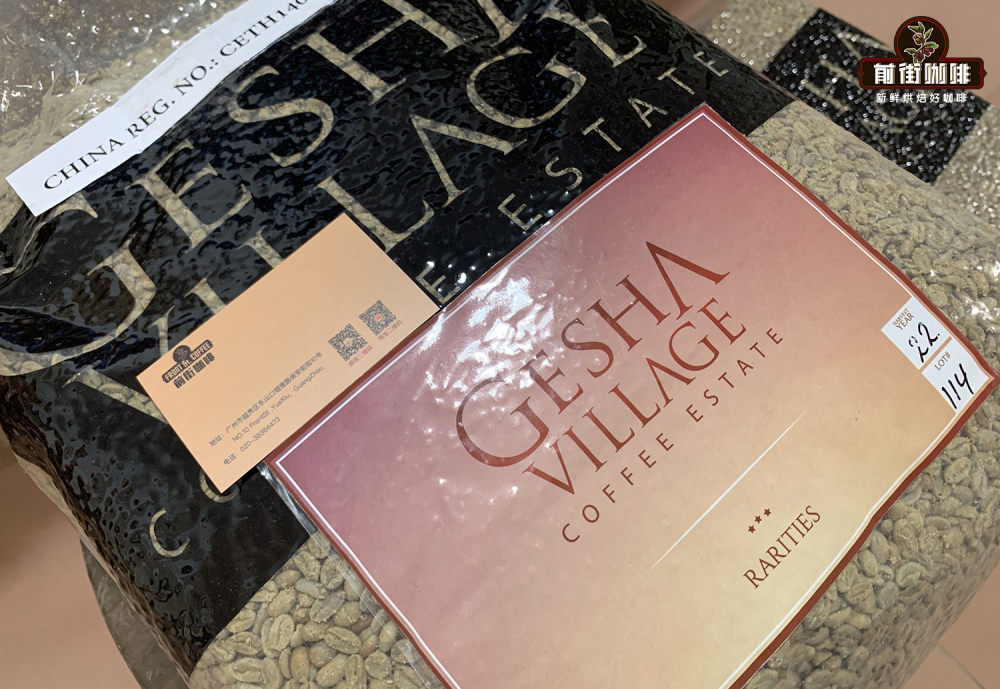
Ranked just below the Auction lots is theGold Label (RARITIES), which makes up about 10% of the annual production. These coffees feature highly complex flavor layers and excellent traceability, preferred by many professional roasters and competition baristas. For example, one coffee brand cupped a Gold Label lot from the Oma plot (Oma 114), which underwent a 32-day natural process, grown at an altitude of 1900 to 2040 meters, and of the Gesha1931 variety. Its dry fragrance exhibited distinct tropical fruit notes, and upon brewing, it revealed citrus, cream, and berry tones, with a long-lasting sweetness and a slightly fermented finish. The flavors were complex yet balanced.
Next is theRed Label (GROWERS RESERVE), accounting for about 15% of the annual production. Red Label lots also come with complete traceability information, typically scoring above the SCA standard of 88 points in cupping, with classic and stable flavor profiles and relatively high cost-performance. For instance, the Red Label natural Gori Gesha from the Shewa-Jibabu plot featured flavors of tropical fruit, bergamot, and lemon, with a creamy sweetness and slight fermentation notes in the mid-palate. As it cooled, it revealed layers of jasmine, toffee, and almond, making it suitable for consumers who enjoy bright acidity and rich mouthfeel.
The Green Label (SINGLE-TERROIR)focuses on single plots and single varieties, without a cupping score threshold, offering an entry-level premium Geisha experience. Each lot provides detailed traceability information, including plot name, variety, and processing date, making it ideal for coffee enthusiasts who want to explore the diverse terroirs of Gesha Village. For example, the Green Label natural Gori Gesha from the Bangi plot exhibited pronounced berry sweetness and cherry and red berry flavors in cupping, with a full body and a slightly fermented aftertaste, suitable for those who prefer fruit-forward profiles.
Finally, theChakalot is the only blended batch that combines beans from all plots and seasons across the estate, featuring both natural and washed processes, and includes all three of Gesha Village’s varieties: Gesha1931, Gori Gesha, and Illubabor. Due to its broad sourcing, the Chaka lot has a relatively approachable flavor profile, making it an ideal entry point for those trying Gesha Village coffee for the first time.
In terms of processing, most of Gesha Village’s export lots undergo a refined natural process. The process includes an initial floatation to remove impurities, followed by thin-layer drying on African-style raised beds, covered with protective materials to prevent overexposure. During drying, the beans are repeatedly sorted to remove insect-damaged or underdeveloped ones, with the entire drying period lasting about 18 to 30 days. This processing method helps develop a rich sweetness and multi-layered fruity aroma, which are key to the distinctive flavor characteristics of Gesha Village coffee.
For roasting and pour over recommendations, a medium-light roast is ideal to highlight the sweetness and bright acidity of the fruit notes. Pour over parameters can be referenced as: 15 grams of coffee, a 1:15 coffee-to-water ratio, 90°C water temperature, and a grind size of approximately 78% extraction through a standard #20 sieve. A common technique used by one coffee brand is: 30 grams of water for a 30-second bloom, followed by slow pouring to 125 grams, then continuing to pour up to 225 grams before ending the extraction, with a total brew time of about 2 minutes. This effectively balances flavor release and clarity in the cup.
Overall, Gesha Village Coffee Estate’s five-tier classification system not only reflects differences in quality and rarity but also offers global coffee enthusiasts a diverse range of Geisha experiences. Whether you are a collector seeking top-tier auction lots or a beginner exploring the flavors of Geisha for the first time, you can find the perfect match within this system.
The above content is compiled by CoffeeHunters, a coffee news website.


