







Introduction:This article provides an in-depth analysis of the key differences between the Ethiopian Gesha Village Green Label and Panama’s Hacienda La Esmeralda Green Label Geisha in terms of varietal origin, processing methods, and cup profile characteristics. It helps readers clarify common points of confusion between the two and gain a clearer understanding of the diversity within Green Label Geishas through actual flavor profiles, offering clear guidance for selection and brewing.
Geisha coffee is now a star variety in the specialty coffee world, most famously represented by Panamanian production, but its true birthplace is actually Ethiopia in Africa. To deeply understand the mysteries of Green Label Geisha, we need to start from Geisha’s place of origin, explore how it crossed continents and took root in Panama, and how it has evolved unique expressions across different estates.
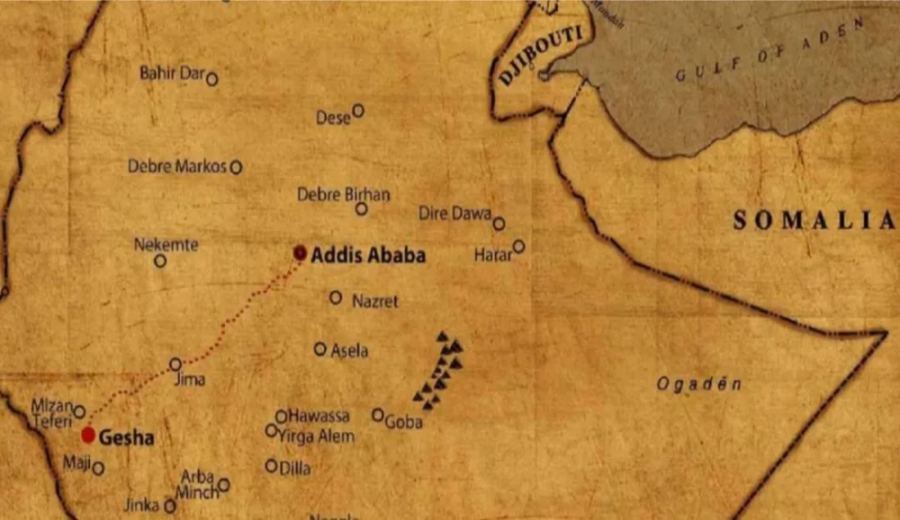
Ethiopia is known as the genetic treasure trove of coffee, possessing an extremely rich resource of wild coffee varieties. Many of the native coffee trees in the region don’t even have formal names, so they are often collectively referred to as “Ethiopian heirlooms.” The story of Panama Geisha, on the other hand, begins with a forest called “Gesha.” After multiple introductions and research efforts, it eventually re-emerged in Costa Rica before being introduced to Panama, giving rise to today’s legendary status.
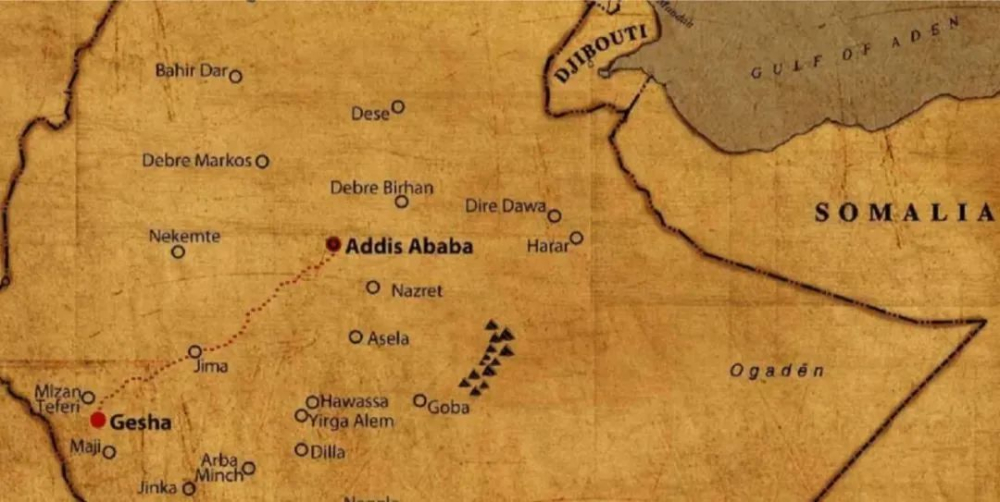
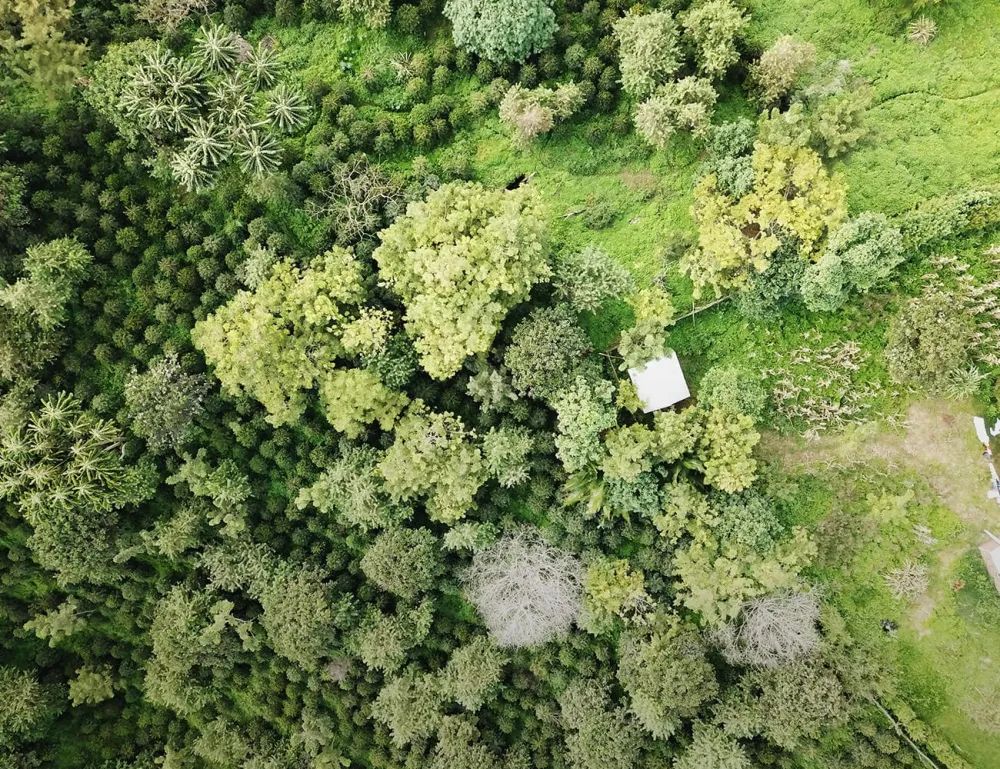
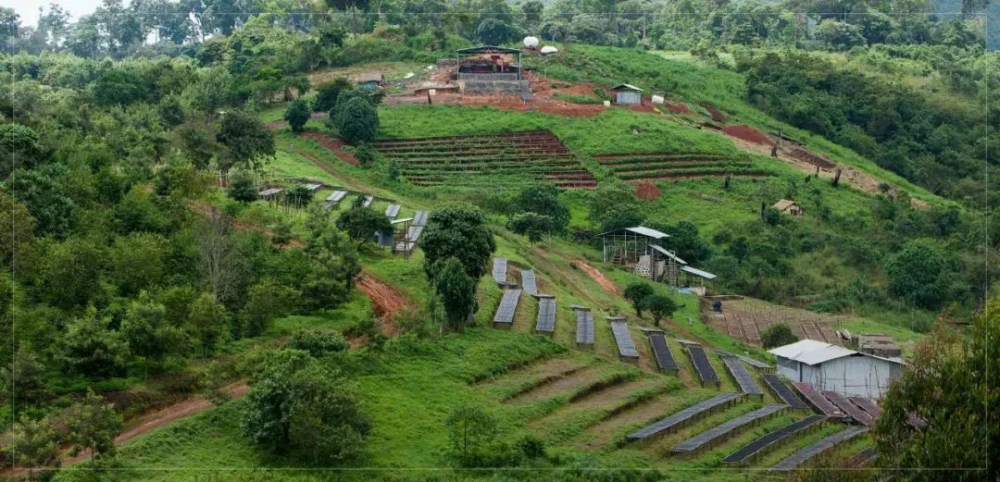
In Ethiopia, a team led by documentary filmmaker Adam Overton and his photographer wife Rachel Samuel established their own coffee farm in an area close to the Gori Gesha forest. With the help of local mule farm owner and BOP judge Willem Boot, Adam ventured deep into the jungle and unexpectedly discovered native Geisha tree varieties in the renowned Gori Gesha forest—the very place where the Geisha variety was first discovered. After carefully collecting seeds, they decided to establish a brand-new coffee estate about 12 miles away from the forest, naming it Gesha Village Coffee Estate, spanning an area of 475 hectares.
Ethiopia has long lacked a tradition of large-scale estate operations and a clear grading system. However, Willem Boot and Adam decided to introduce a refined management model similar to that of Hacienda La Esmeralda, transforming Gesha Village into Ethiopia’s first modern, clearly graded coffee estate. They meticulously record and track each batch of coffee, categorizing them by quality into auction-grade, Gold Label, Red Label, Green Label, and Chaka lots, allowing consumers to make choices based on their needs and budget.
Since the two well-known Green Label Geishas—Hacienda La Esmeralda and Gesha Village—both use color as a grading designation and both emphasize quality and traceability, many consumers easily confuse the two when making purchases, especially the difference between Green Label and Red Label.
Taking Panama’s Hacienda La Esmeralda Green Label as an example, its current Green Label products are mostly washed processed, sourced from planting areas at altitudes between 1600 and 1800 meters, covering major farms such as Jaramillo, Canas Verdes, and El Velo. These lots generally exhibit the classic traits of Panama Geisha, with fresh and layered flavors.
In contrast, a certain well-known coffee brand’s Green Label is not a general term for a single processing method or producing region, but refers to lots from specific single plots within the estate and of a single variety. Many Ethiopian coffees are difficult to trace in terms of variety due to lack of information, but this brand’s Green Label clearly identifies the growing location, variety, and processing method, allowing consumers to understand the background of each batch of beans. A certain well-known coffee brand once acquired a Green Label natural lot, processed with a medium-light roast, successfully highlighting intense floral and fruity aroma notes.

Regarding natural processing, a certain well-known coffee brand's approach is to first remove impurities and defective beans, then place the coffee cherries on African-style raised beds in thin layers covered with plastic sheeting to moderately control temperature and humidity during prolonged drying. The entire natural drying process lasts 18 to 30 days, during which beans are repeatedly sorted to remove insect-damaged or unevenly developed ones. This method imparts richer sweetness and softer acidity to the coffee, often featuring intense fruit aromas and complex berry-toned profiles.
It is worth noting that the Geisha planted at Hacienda La Esmeralda has long used the same anti-fungal variety, numbered “geisha T2722,” which is also the key to the consistency of its products. Gesha Village, on the other hand, has two main varieties: one is Gori Gesha, discovered in the Gori Gesha forest and used in the Gesha Village Green Label; the other is Gesha 1931, named to commemorate the first official documentation of Geisha in 1931, primarily used in Gold Label products.
To compare the two more直观ly, a certain well-known coffee brand once conducted a cupping session of the Panama Hacienda La Esmeralda Green Label and the Gesha Village Green Label. Both beans were dosed at 11.3 grams and brewed at 94°C water temperature. The first four minutes focused on observing changes in wet aroma, followed by cracking and removing the crust, and then conducting flavor evaluation.
The cupping results showed that the two Green Label Geishas had distinctly different styles. The Hacienda La Esmeralda washed Green Label exhibited extremely high clarity, with a smooth mouthfeel free of off-flavors. Its flavors were dominated by white floral notes, blueberry, lemon, and tea-like qualities, while sweetness highlighted warm notes of honey and brown sugar. The overall profile was refreshing and elegant, featuring the typical characteristics of high-altitude Panamanian Geisha.
In contrast, the Gesha Village Green Label presented a completely different personality. Its flavors leaned more toward candied and raspberry-like notes. In addition to intense berry aromas, it also featured bright acidity from cherry and citrus, with a lingering finish of subtle floral notes and black tea. The overall profile was rich and layered with notable complexity. This difference was reflected not only in flavor expression but was also closely related to its varietal origin, processing method, and altitude conditions.

The above content is compiled by CoffeeHunters, a coffee news website.


