







Introduction:Due to its convenience, drip bag coffee has become the go-to choice for many coffee enthusiasts in their daily routine, especially suitable for office, commuting, and travel scenarios. However, many wonder if it can be brewed multiple times like tea. This article details the correct brewing steps for drip bag coffee, explains the science behind coffee grounds extraction rates, clarifies why reuse is not recommended, and recommends several drip bags with outstanding flavor and great value, helping you choose products that suit your taste.
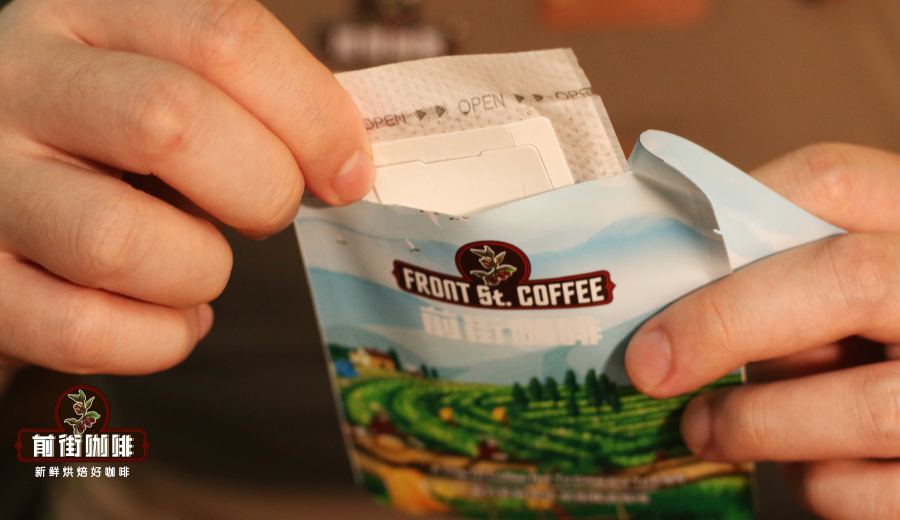
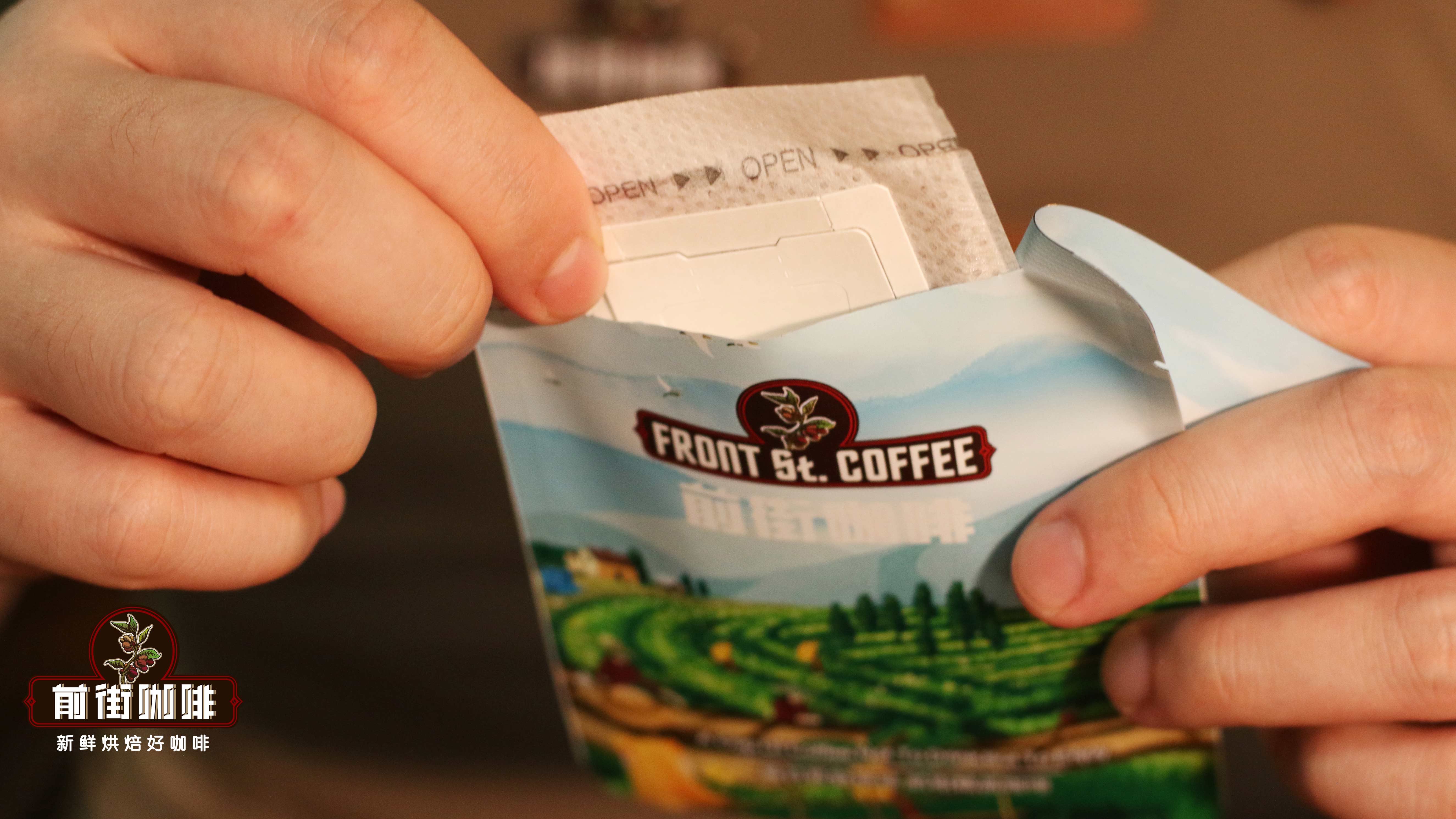
The design of drip bag coffee is inspired by pour over. It contains pre-ground coffee packed in a dedicated filter bag with filter paper, featuring “small ears” on both sides that function as hanging tabs. To use, simply hang the bag on the rim of a cup and slowly pour hot water to brew a pure black coffee. This format retains the flavor layers of pour over coffee while significantly simplifying the equipment needed, making it especially suitable for everyday use without professional gear.
When using drip bag coffee, it is recommended to choose a cup with a mouth diameter of about 8 to 9 cm to securely hang the filter bag. Taking the common 10 grams of coffee grounds as an example, the standard brewing method involves first pouring a small amount of hot water (about 20 grams) for blooming, with water temperature controlled at around 90°C, letting it sit for 30 seconds to allow the coffee grounds to fully expand and release aroma. Then, pour in approximately 130 ml of hot water in stages, resulting in a total extraction volume of about 150 ml, ideal for single servings.
During the brewing process, you can adjust the water volume according to personal taste. If you prefer a stronger flavor, reduce the total water volume; if you want a lighter taste, increase it moderately. However, no matter how you adjust, it is recommended to follow a proper extraction ratio to achieve the best flavor balance.
Regarding the frequently asked question of whether drip bags can be “re-brewed,” the answer is no. Only about 30% of coffee beans are water-soluble substances, while the remaining 70% are insoluble fibers. Under standard brewing conditions, the first round already releases about 18% to 22% of soluble flavor compounds, which falls right within the optimal extraction rate range recognized by specialty coffee professionals, delivering the richest and most balanced flavor profile.
The remaining 8% to 12% that has not been released still holds some solubility, but mostly consists of flavors that are relatively flat or even have off-notes. Attempting a second brew not only drastically reduces extraction efficiency but also tends to make the overall flavor thin and watery, losing the depth and aroma that coffee should have. Observing the brewing process, you’ll notice that the early-stage extraction liquid is dark and rich, but as time goes on, the later liquid gradually becomes lighter, eventually almost resembling plain water—this reflects the depletion of flavor compounds.
Therefore, from the perspectives of extraction efficiency and flavor quality, drip bag coffee is only suitable for single use. Re-brewing offers no practical benefit and may even detract from the authentic flavor experience of the coffee itself.
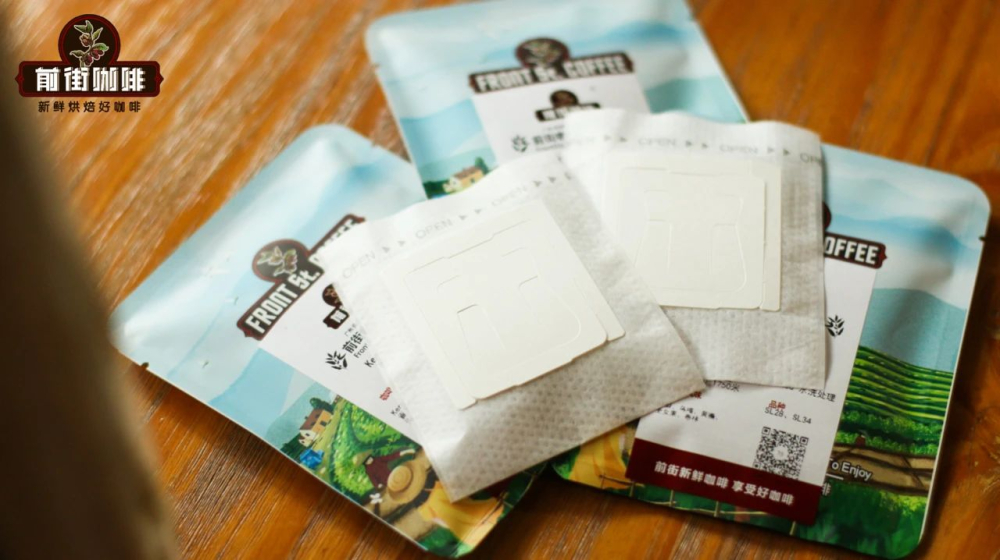
If you’d like to explore drip bags with different flavor profiles, here are several representative products worth trying. First is the “Butterfly Flower” drip bag, which blends the lineage of Panamanian Geisha. These coffee beans come from the Baru Volcano region, grown at an altitude of up to 1600 meters, exhibiting distinct floral characteristics along with a rich body and delicate acidity. Even within an affordable price range, you can enjoy a unique charm reminiscent of the Geisha variety.
Another option is a drip bag from Costa Rica’s Tarrazú region, known for its plump beans and full body. After brewing, it releases intense chocolate and nutty aromas, with soft acidity and a smooth mouthfeel, ideal for coffee lovers who enjoy balanced flavors with a sweet finish.
For those who prefer local flavors, consider trying drip bags from Yunnan. These include a premium option labeled “washed Typica,” as well as the commonly found “Catimor” variety, often referred to as “Yunnan small-grain coffee.” Both are medium roasted, emphasizing nutty notes and a natural brown sugar sweetness, with soft acidity and a well-balanced profile—perfect for daily drinking with good value. It’s worth noting that due to varietal degeneration and declining yields, Yunnan Typica has gradually been replaced by Catimor, so most of today’s so-called “small-grain coffee” is actually the Catimor variety.
The above content is compiled by CoffeeHunters, a coffee news website.


