







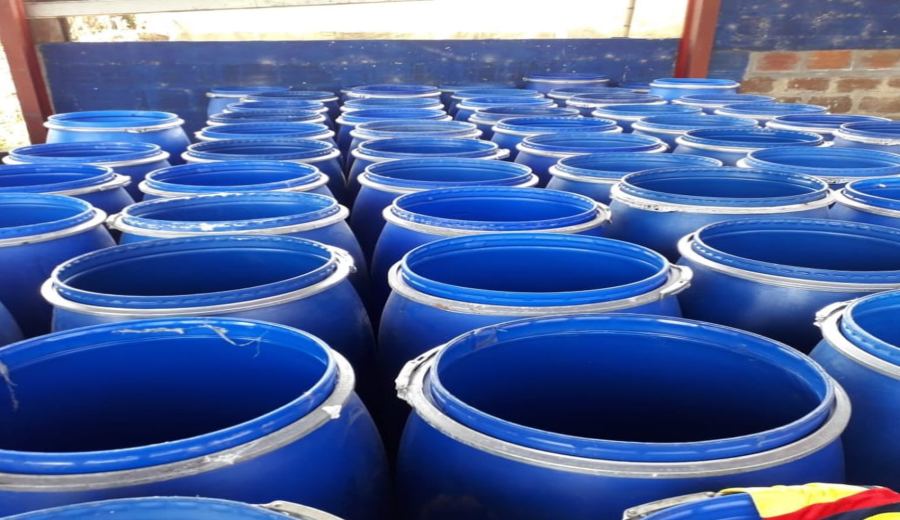
Introduction:In recent years, the specialty coffee market has seen the rise of various specialty processing methods, from anaerobic fermentation to barrel aging. How do these innovative techniques influence coffee flavor? This article delves into mainstream specialty processing technologies such as anaerobic fermentation, barrel fermentation, and red wine immersion, exploring their processing principles, key parameters, and typical flavor profiles to help you make smarter choices and better appreciate specialty-processed coffee beans.
The specialty coffee market has witnessed the emergence of numerous specialty processing methods in recent years. Originally designed to highlight regional characteristics and enhance flavor identifiability, some of these innovative techniques have gradually strayed from their original intent as they became more widely applied, and are even used to mask the flaws of defective beans. In fact, all these specialty processing methods stem from the traditional three main processing methods—washed, natural, and honey—and are innovations built upon these foundations.
Below, we will take an in-depth look at several common specialty processing methods, including anaerobic fermentation, barrel fermentation, and red wine immersion. We’ll analyze their processing details and the unique flavors they produce, along with practical cupping observations, to help you grasp the essence of these processing methods and key points for selection.
[Anaerobic Fermentation Processing Method]
Anaerobic fermentation is a fermentation process conducted in a low-oxygen or oxygen-free environment, typically using pressure-resistant stainless steel fermentation tanks with strictly controlled parameters such as temperature, time, and pH. By limiting oxygen exposure, the breakdown of pectin and sugars is slowed down, making the fermentation process more gradual and thereby bringing out richer and more balanced flavors. Common variations of anaerobic processing include anaerobic natural, anaerobic washed, anaerobic double-enzyme washed, and anaerobic honey.
[Anaerobic Natural Processing Method]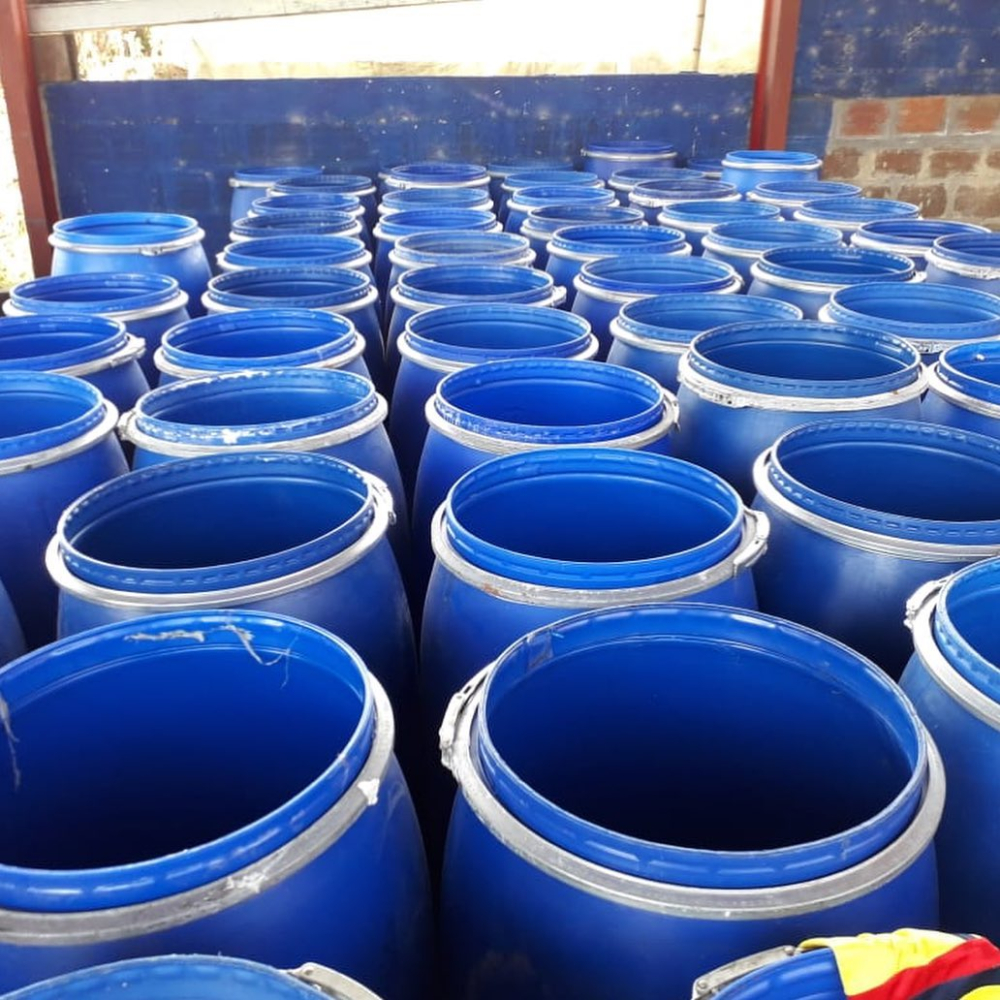
In the anaerobic natural process, freshly harvested coffee cherries are placed in a sealed fermentation tank and undergo anaerobic fermentation at a low temperature of 10–15°C, usually for more than three days. The low-temperature environment helps extend the fermentation period, allowing the sugars and acids in the pulp to decompose more slowly, thereby accumulating a richer sweetness and complexity. After fermentation, the coffee cherries are moved to a drying field until their moisture content drops to a safe level, after which the outer fruit skin and parchment are removed.
The flavor profile of this process is characterized by a distinct jammy sensation and fermentation aromas, often accompanied by sweet berry notes. Cupping experiences indicate that this technique often delivers intense sweet aromas reminiscent of strawberry jam, as well as a lingering finish akin to liqueur-filled chocolate, with a soft and layered acidity.
[Anaerobic Washed Processing Method]
This method first involves 12 hours of dry fermentation (in an oxygen-free environment) of the harvested coffee cherries, after which the fruit pulp is removed. The beans, still coated with mucilage, are then placed in a sealed plastic tank for 24 hours of anaerobic fermentation. This two-stage anaerobic process effectively suppresses the growth of miscellaneous bacteria while bringing out a cleaner acidity and juicier mouthfeel. The fermented beans are then dried slowly on raised beds for 20–25 days until their moisture content reaches 10%–12%.
Cupping results often show bright acidity, with a fresh, juice-like sweet-tart sensation, and an overall balanced and vibrant flavor profile.
[Anaerobic Double-Enzyme Washed Processing Method]
This technique selects only fully ripe, bright red coffee cherries, which are first washed to remove defective beans and then undergo two rounds of anaerobic fermentation with the addition of specific enzyme groups to promote flavor development. Particular attention is paid to temperature control and slow drying to avoid high temperatures that could damage delicate flavors. This method often highlights a juice-like burst of flavor and bright acidity, with a clear flavor hierarchy.
[Anaerobic Honey Processing]
Anaerobic honey processing retains the mucilage layer of the coffee fruit. The mucilage-covered beans are placed in a low-temperature anaerobic environment (<10-15°C)進行發酵,延長糖分分解時間,使發酵更為充分。發酵後續以日曬乾燥,再機械去除果膠與羊皮紙。此法結合蜜處理的高甜感與厭氧發酵的複雜度,常呈現柔和酸質與豐富香氣。
[Barrel Processing Method]
Barrel fermentation technology involves placing washed coffee beans (with the skin, pulp, and mucilage already removed) into aged oak barrels for low-temperature fermentation, typically lasting about a month, to absorb residual wine aromas from the barrel. Common types include whiskey, brandy, and rum barrel fermentation.
[Rum Barrel Fermentation]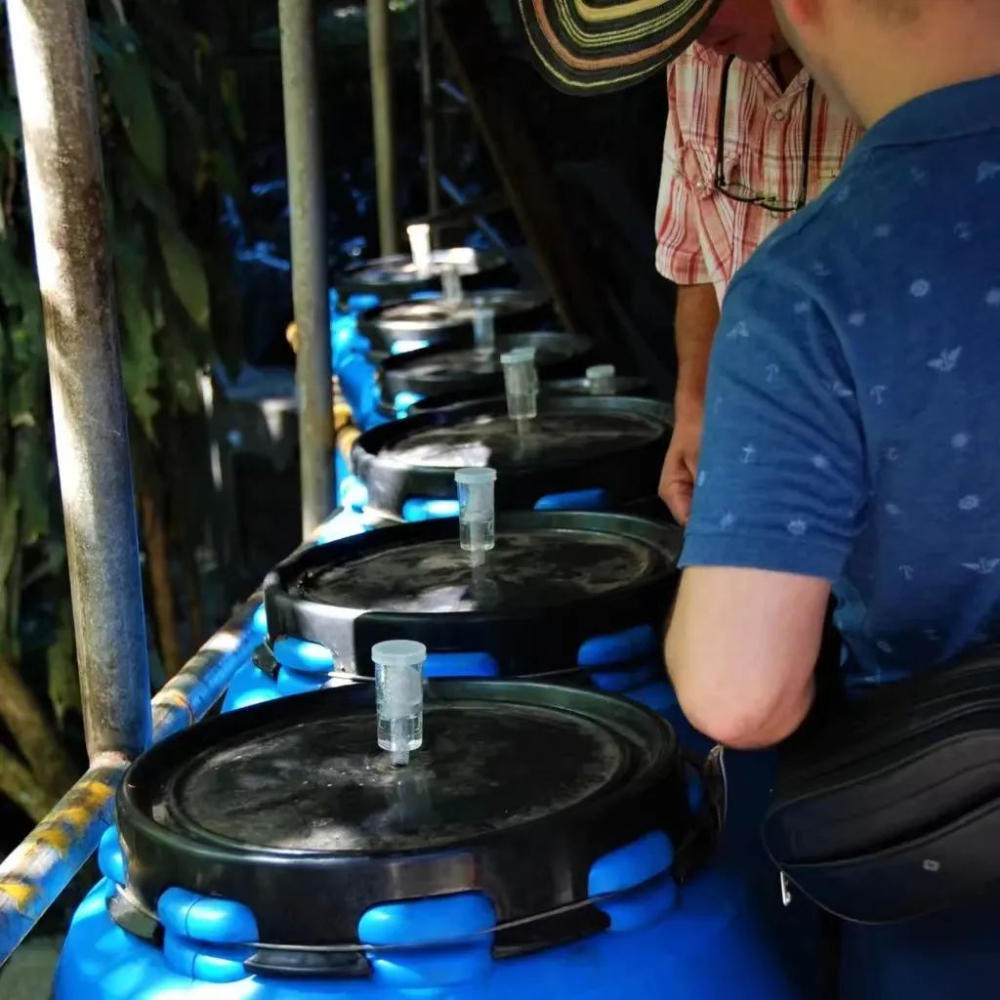
This process selects fully ripe coffee cherries, which are washed and undergo 20 hours of initial fermentation before being placed in rum oak barrels aged at least eight years. They are left to rest for three months, with daily stirring to ensure even absorption of the rum aroma. Samples are taken every 30 days to ensure stable fermentation and appropriate absorption of the rum aroma. The fermented beans are then dried slowly in a greenhouse to avoid high-temperature interference.
The resulting flavor profile often features intense wine-like aromas, blended with notes of nuts, tropical fruits, and creaminess, with prominent sweetness and an overall harmonious flavor.
[Whiskey/Brandy Barrel Fermentation]
Freshly harvested coffee cherries are washed and then placed in whiskey/brandy barrels previously used to age sherry or rum. They undergo fermentation at a low temperature of 15–20°C for 30–40 days, followed by shaded drying. This technique imparts the beans with complex wine-like aromas and a rich mouthfeel, with common flavors including vanilla, cream, berries, and dark chocolate.
[Red Wine Processing Method / Red Wine Immersion Method]
The red wine processing method does not involve soaking coffee beans in actual red wine. Instead, it simulates the fermentation process of red winemaking by controlling the fermentation environment to guide the coffee beans toward producing aromas and acidity similar to those of red wine. During processing, mucilage-covered coffee beans are placed in a sealed container equipped with a one-way vent valve to undergo acetic acid fermentation, producing bright acidity and rich aromas. Although this process may generate trace amounts of alcohol, it will completely evaporate during high-temperature roasting, so there’s no need to worry about residues.
The red wine processing method can significantly enhance the sweetness, cleanliness, and flavor complexity of coffee, often presenting a red wine-like aftertaste and sweet notes such as honey and cane sugar.
[Example of Red Wine Processing Method]
This technique requires strict selection of coffee cherries to ensure an extremely low ratio of unripe beans, defective beans, and floaters, before placing them into a vented container for acetic acid fermentation. During cupping, one often detects vibrant and bright acidity, a red wine-like aftertaste, and honey aromas, with a more pronounced brown sugar sweetness upon cooling.
The above content is compiled by CoffeeHunters, a coffee news website.


