







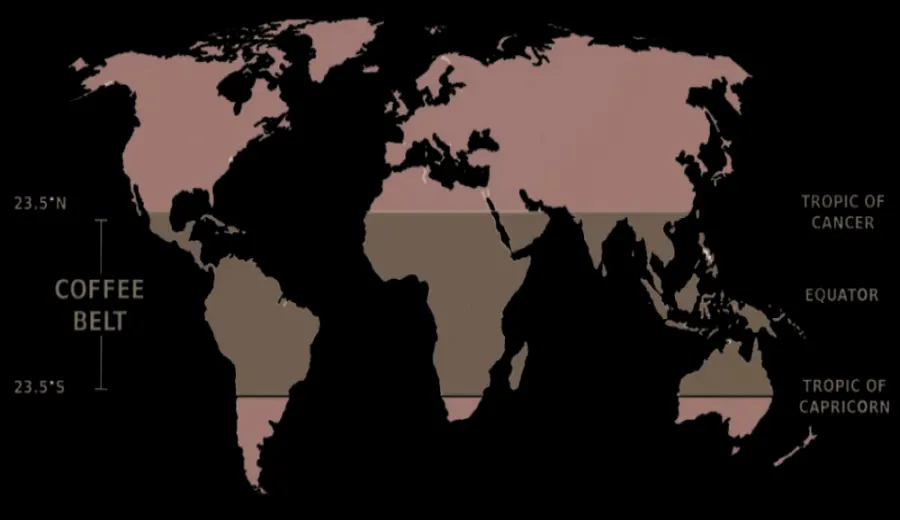
Introduction:To uncover the secrets of coffee flavors, start with the origin. The world’s major coffee-producing regions are concentrated in Latin America, Africa, and Asia/Pacific. Due to differences in climate, altitude, and processing methods, each region produces distinct flavor and aroma profiles. This article will delve into the typical flavor characteristics of these three major regions and introduce you to the unique traits of representative beans from each area. Whether you’re a pour over beginner or an advanced coffee enthusiast, you’ll quickly grasp the direction for choosing beans.
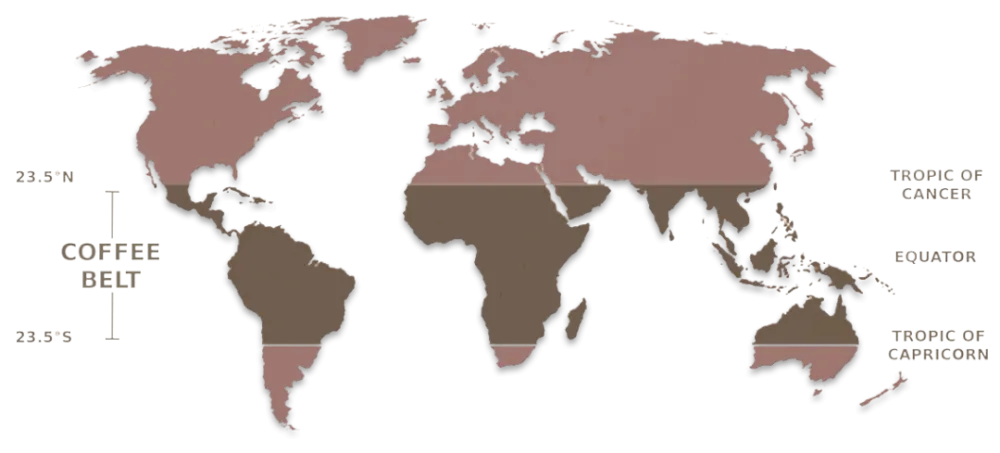
Coffee flavors vary widely, and one of the key factors behind this is origin. The global coffee belt is primarily distributed across three major geographical regions: Latin America, Africa, and Asia & the Pacific. These regions, due to their varying latitudes, altitudes, and climatic environments, along with differences in soil composition and post-harvest processing methods, have created their own distinctive flavor profiles. Understanding these differences can help you more accurately select coffee beans that match your taste preferences.
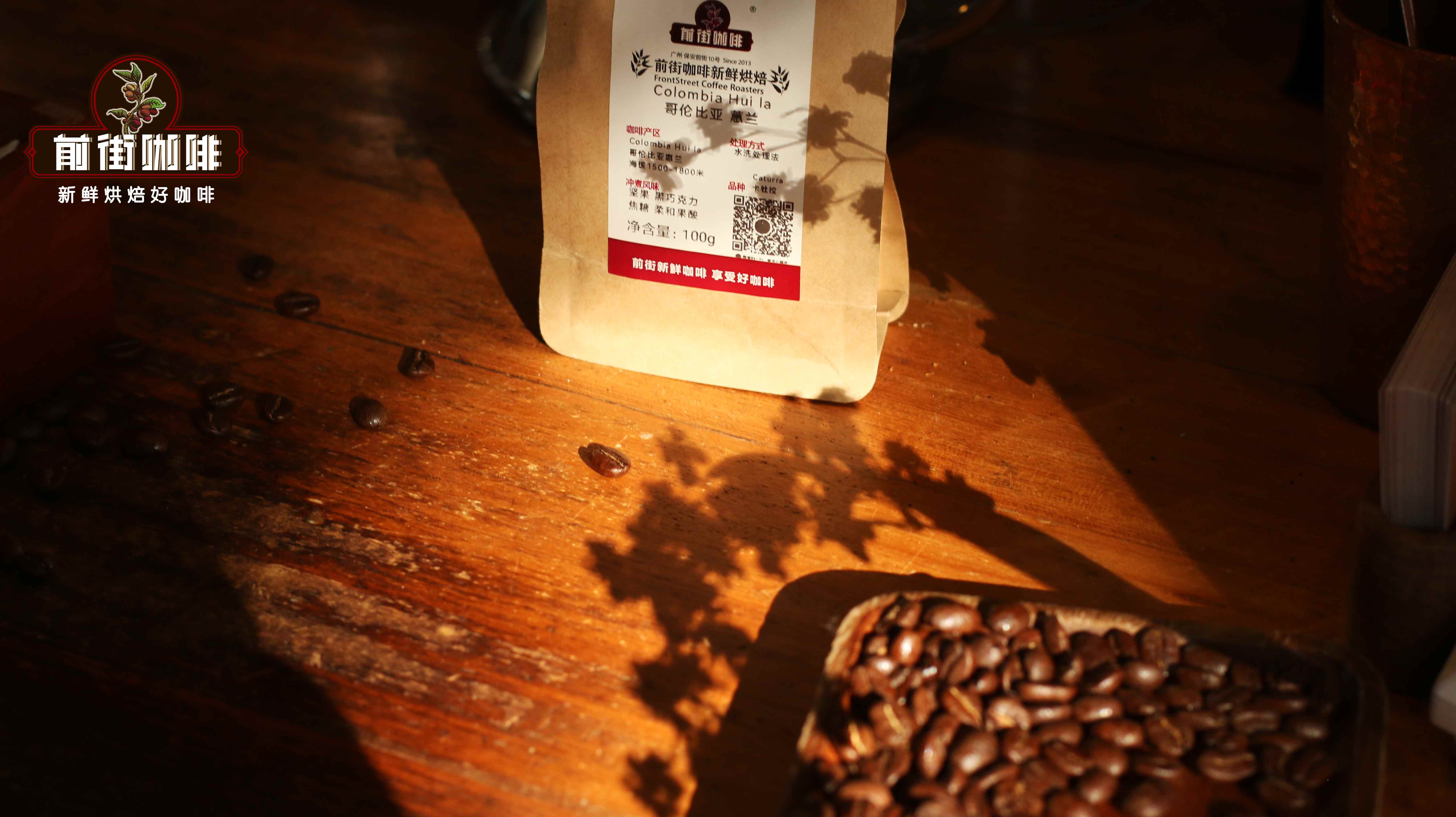
First, let’s look at the Latin American region, one of the highest-yielding coffee areas in the world, represented by countries such as Brazil and Colombia. Coffee from this region typically exhibits balanced and mild characteristics, with medium to low acidity, a rich mouthfeel, and distinct notes of cocoa, nuts, and even caramel. It suits drinkers who prefer a smooth and mellow taste. Thanks to its stable and consistent flavor profile, Latin American beans are often used as the base for blended coffees.
Within Latin America,Brazilas the largest producing country, is known for its low-acidity, high-body, and sweet aftertaste beans. They are suitable for single-origin drinking as well as being used as a base for blends. Common flavors include caramel, nuts, and chocolate, which become even more pronounced when roasted to a medium-dark level.Colombiais known for its balanced acidity and sweetness, along with rich layers of flavor. Its beans often feature gentle fruity acidity, nutty aromas, and moderate body, and can display a variety of flavor changes depending on the roast level — from citrus to caramel.

Next is the African region, considered the birthplace of coffee, blessed with exceptional altitude conditions and diverse microclimates. As a result, coffee from this region generally has bright acidity, rich floral and fruity aromas, and a refreshing profile. African beans often exhibit flavors like citrus, berries, and flowers, making them ideal for coffee lovers who prefer vibrant taste and complex aromas.
For example,Ethiopia, as a treasure trove of coffee genetic diversity, often produces beans with floral notes, citrusy acidity and sweetness, and a tea-like mouthfeel. The acidity is lively yet not sharp, the mouthfeel is clean and refreshing, and the aftertaste is crisp, making it very suitable for those who enjoy fruity acidity and floral profiles.Kenyacoffee is known for its intense acidity, rich fruit aromas, and high body. Common flavors include blackcurrant, berries, and citrus, offering a bright and layered taste experience, ideal for those seeking strong flavor profiles.Rwandacoffee showcases elegant citrus sweetness and berry tones, often with a honey-like sweetness in the mid-palate, and finishes with almond and chocolate notes. The overall profile is balanced and layered.
Finally, the Asia & Pacific region features coffee with rich body, low acidity, and unique herbal and spicy aromas. Since most producing areas are located near the equator, the influence of high altitude and volcanic soils gives these coffees a solid body and deep-toned character, making them suitable for dark roasts and consumers who prefer intense flavors.
In Asia,Indonesiais known for its rich herbal, spicy, and earthy aromas. Especially after dark roasting, it often displays bold flavors of dark chocolate, pine, and caramel, with a thick mouthfeel and long-lasting aftertaste.Yunnan, Chinahas also gradually emerged in recent years. Its small-bean coffee often carries notes of nuts, caramel, and a subtle tea-like quality. The flavors are balanced and approachable, suitable for everyday drinking. Yunnan coffee has a mild aroma, low acidity, natural sweetness, and woody undertones, making it a favorite among many advanced drinkers looking to explore Eastern-flavored coffee.
The above content is compiled by CoffeeHunters, a coffee news website.


