







Introduction:As one of Ethiopia’s most iconic coffee-growing regions, Yirgacheffe is renowned for its distinctive floral aromas and diverse processing methods. This article delves into the grading system of Yirgacheffe, compares the differences between washed and natural processing techniques, and explores which method better highlights the coffee’s sweetness and fruity characteristics. It also offers practical advice to help you choose the Yirgacheffe flavor that suits your taste preferences.
Ethiopia is hailed as the birthplace of coffee and boasts an abundant coffee gene pool with thousands of varieties. However, due to the vast number of varieties and the government’s efforts to protect native genetic resources, commercially available Ethiopian coffee beans are often labeled simply as “local heirloom variety.” Even though both Sidamo and Yirgacheffe are in Ethiopia and their variety labels often state "heirloom," the coffees from these two regions exhibit distinctly different flavor profiles.
Originally part of Sidamo, Yirgacheffe gained independent status as a coffee region due to its captivating floral qualities. This shift also drew global coffee enthusiasts’ attention to this delicate and multifaceted producing area. Yirgacheffe is not only a classic representative of specialty coffee but also one of the best examples for understanding the differences between washed and natural processing methods.
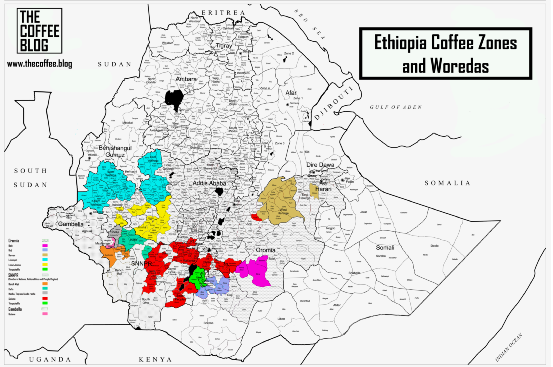
Ethiopia’s diverse geography—from high-altitude mountains to fertile soils—has given rise to uniquely characterized coffee-growing regions. Sidamo and Yirgacheffe are not only neighboring regions with similar altitudes, but Yirgacheffe also stands out with its distinctive microclimate and traditional processing methods, delivering brighter acidity and more vibrant aromas. Understanding the differences between the two is the first step in appreciating Ethiopian coffee.
In terms of processing methods, washed and natural are the most critical factors influencing coffee flavor. The washed process was introduced in the 1970s when Ethiopia adopted technology from Central and South America with the goal of improving quality and reducing processing time. The process involves: first removing the coffee fruit's skin and pulp, then fermenting the mucilage-covered beans in water for 18 to 36 hours, thoroughly washing off the fruit mucilage with clean water, and finally drying the beans on raised beds. This method imparts a clean, bright acidity along with distinct citrus and white floral notes.
For those new to Ethiopian coffee, it’s recommended to start with a light-roast washed Yirgacheffe. These beans typically showcase citrus-like acidity, honey-like sweetness, and delicate floral notes, offering a layered flavor profile reminiscent of a blooming garden. This is also the entry-level choice often recommended by baristas, helping drinkers establish a foundational understanding of Yirgacheffe flavors.
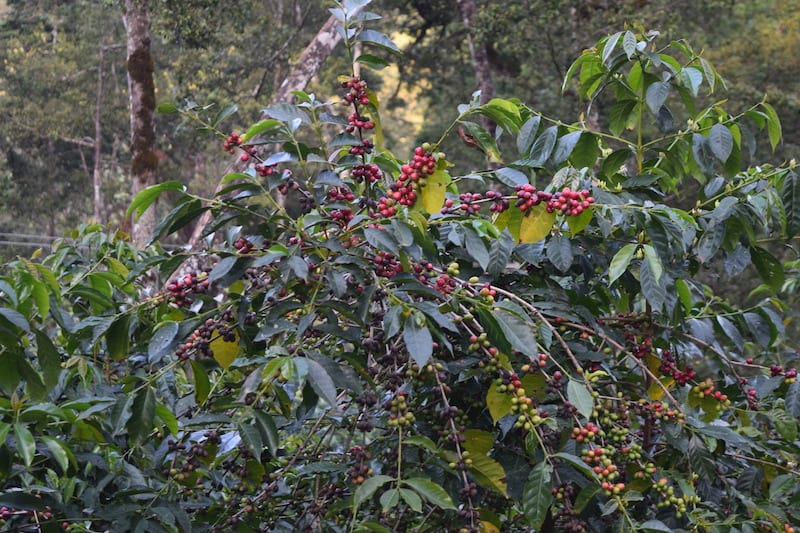
In contrast, the natural processing method is the more traditional approach for Yirgacheffe. Early Yirgacheffe coffees were primarily processed naturally before the washed technique was introduced, after which it gradually declined in popularity. However, the charm of the natural process has never faded and has regained attention in recent years due to improved processing techniques. The natural method preserves the coffee fruit’s skin and pulp, drying them in the sun over an extended period—usually more than two weeks. During this process, sugars and aromatic compounds from the pulp gradually penetrate the bean core, resulting in a richer sweetness and more pronounced fruitiness.
The improved natural Yirgacheffe often features intense fruit aromas such as berries and mango, and even wine-like fermentation notes. In terms of mouthfeel, it has a fuller body, noticeable sweetness, and a long-lasting aftertaste. If you prefer coffee with high sweetness, rich layers, and bold tropical fruit flavors, naturally processed Yirgacheffe is the perfect choice.
The grading of Yirgacheffe is mainly based on bean size, defect rate, and processing method, rather than flavor profile alone. Generally, Grade 1 and Grade 2 are considered the highest, with very low defect rates, uniformly sized beans, and typically greater flavor potential. However, actual flavor is also influenced by altitude, microclimate, and processing details, so grade alone may not fully predict taste.
Whether washed or natural, Yirgacheffe can showcase the unique charm of Ethiopian coffee. If you’re seeking a clean, bright acidity and delicate floral notes, the washed process is more suitable; if you’re drawn to rich fruitiness and a full-bodied sweetness, the natural process will delight your palate. By understanding these processing differences, you’ll be able to more precisely select Yirgacheffe coffee beans that match your personal taste and embark on your own coffee flavor journey.
The above content is compiled by CoffeeHunters, a coffee news website.


