







Introduction:Green Mountain Coffee and Blue Mountain Coffee may sound similar, but their backgrounds could not be more different. The former is an affordable American brand that emphasizes sustainability and convenience, while the latter represents Jamaica’s high-altitude premium beans, renowned for their exceptional flavor. This article will delve into the origins, grades, prices, and taste profiles of both, as well as guide you on how to authentically identify Blue Mountain Coffee and how to brew it, helping you choose the coffee that best suits your needs.
You often hear about “Blue Mountain Coffee,” but what is “Green Mountain Coffee”? Though they differ by just one word, the two are completely different: Green Mountain is a well-known coffee brand from Vermont, USA, whereas Blue Mountain refers to top-tier coffee beans from Jamaica’s highland regions. This article will take an in-depth look at the background, characteristics, and differences between the two, so you can fully understand the distinction and pick the cup that’s right for you.
Let’s start with Green Mountain Coffee. Founded in 1981 and headquartered in Vermont, USA, the company went public in 1993. Unlike Starbucks, which targets the premium market, Green Mountain focuses on offering reasonably priced yet quality Arabica coffee beans, with an emphasis on environmental sustainability. Since 2002, the brand has been selling coffee products certified as both organic and fair trade. Fair trade coffee ensures farmers receive at least $1.26 per pound, while also encouraging organic farming practices to support farmer income and environmental health.
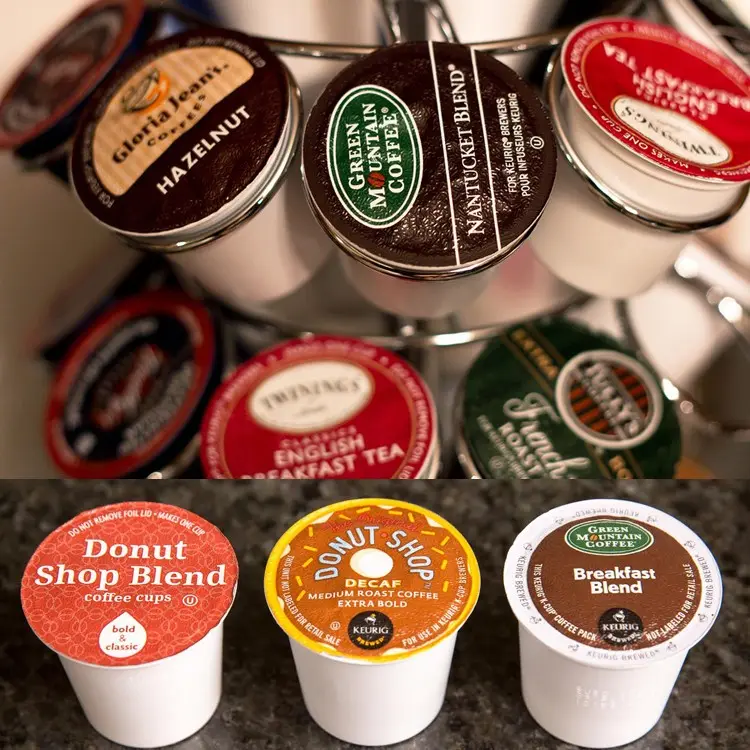
One of Green Mountain Coffee’s most well-known products is the K-Cup, developed in partnership with Keurig. It’s a single-serve coffee capsule designed with the concept of “brew one cup at the push of a button, with no hassle.” Users simply insert the K-Cup into a compatible machine and can enjoy a hot cup of coffee in about a minute—no need to grind beans, measure, or clean up grounds. Each K-Cup costs around 50 cents, about one-tenth the price of a Starbucks coffee, making it ideal for busy modern lifestyles. This design has also allowed Green Mountain to secure multiple patents, requiring other companies to pay licensing fees if they wish to use a similar system.
In short, Green Mountain Coffee is a commercial brand focused on practicality, convenience, and sustainability, whereas the upcoming Blue Mountain Coffee is truly the “premium luxury” in the world of coffee.
The history of Jamaican Blue Mountain Coffee dates back to the 18th century during British colonial rule. It’s said that Governor Nicholas Lawes introduced the first coffee tree from Martinique and promoted its cultivation in the St. Andrew area, which later expanded to the Blue Mountains region. Jamaica is an island nation in the Caribbean, neighboring Cuba and Central America, with a tropical climate. The Blue Mountains, located in the eastern part of the island, are the country’s highest mountain range, with the peak reaching 2,256 meters. The region earned the name “Blue Mountain” because, under sunlight, both the mountains and surrounding sea appear bluish in color.
Within the Blue Mountain range, only Arabica Typica coffee beans grown at altitudes between 910 and 1,700 meters can be called “Jamaica Blue Mountain Coffee.” Those grown below 910 but above 460 meters are classified as “Jamaica High Mountain Coffee,” and those below 460 meters are labeled “Jamaica Prime Coffee.” What makes Blue Mountain Coffee special is not only its ideal growing altitude, but also the fertile volcanic soil, humid and rainy climate, average annual temperature of about 27°C, and almost no industrial pollution—all of which contribute to its unique flavor and high quality.
The grading system for Blue Mountain Coffee has been established since 1953 by the Jamaica Coffee Industry Board, strictly based on altitude, defect rate, and bean size. For example, the commonly known “Blue Mountain No. 1” has selection criteria of: a defect rate below 2%, bean size of 17 mesh or larger, and origin within the 910–1,700 meter altitude range. This grade is generally regarded as the pinnacle representation, offering an exceptional balance of flavors and a delicate taste.
However, commonly found “Blue Mountain flavor,” “Blue Mountain blends,” or Blue Mountain Coffee sold at unusually low prices are often not genuine Jamaican Blue Mountain. In fact, due to significant historical investment by Japan in Jamaica’s coffee industry, in 1972 Jamaica and Japan signed an agreement reserving 90% of Blue Mountain Coffee production for the Japanese market, with the remaining allocated to Europe and the United States. As a result, it was very difficult to obtain authentic Blue Mountain Coffee in Taiwan, Hong Kong, and mainland China in the early days, and it came with a high price tag. It wasn’t until after 2010, with adjustments to the quota system, that Blue Mountain Coffee gradually became more available in other markets.
Authentic Jamaican Blue Mountain Coffee is highly distinctive in its packaging—the only one in the world that uses wooden barrels to store green beans, preserving their aroma. The barrels are labeled with the words “Jamaica Blue Mountain Coffee” and the official Jamaica Coffee Board-certified trademark “BLUE MOUNTAIN COFFEE®,” along with a green frog logo indicating Rainforest Alliance certification and compliance with sustainable agricultural standards.
Take Blue Mountain No. 1 as an example. This coffee comes from the Clifton Estate in Jamaica’s Blue Mountains, grown at an altitude of about 1,310 meters, processed using the washed method, and of the Typica variety. Its flavor profile often includes layers of chocolate, nuts, cream, and cocoa, with a rich body and balanced acidity and sweetness—making it a dream coffee for many enthusiasts.
If you’d like to brew Blue Mountain Coffee at home, it’s recommended to use freshly roasted beans. Typically, coffee beans require a 4 to 7-day resting period after roasting, and most shops ship within five days of roasting to ensure customers receive beans at their peak flavor. If you don’t have a grinder, you can ask the shop to grind them for you—but be aware that ground coffee loses its aroma more quickly. If you have a grinder, it’s best to grind it yourself for a richer aromatic experience.
When brewing Blue Mountain Coffee, it’s recommended to use a medium-dark roast to highlight the nutty and cocoa aromas. Using a filter like the KONO dripper can help enhance the body. A suggested brewing process is: wet the filter paper to let it adhere to the dripper, add 15 grams of coffee grounds, pour 30 grams of water for a 30-second bloom, then pour water in small streams in a circular motion centered on the grounds until you reach 125 grams and pause for a split pour, wait for the coffee bed to drop, then pour until 225 grams total, and let it drip through. These parameters fully showcase the delicate and balanced flavor characteristics of Blue Mountain Coffee.
In summary, Green Mountain Coffee and Blue Mountain Coffee represent two entirely different coffee cultures and positioning: the former emphasizes sustainability, affordability, and convenience, making it ideal for daily drinking; the latter is the result of natural conditions and strict standards, offering an ultimate product suited for appreciation and collection. Once you understand their differences, you can choose the coffee that best fits your taste and budget.
The above content is compiled by CoffeeHunters, a coffee news website.


