







Introduction:Geisha (Geisha), as one of the top varieties in the global specialty coffee scene, originated in Ethiopia but gained widespread recognition due to the stunning performance of Panama’s Hacienda Esmeralda. This article delves into the variety’s history, cultivation challenges, and flavor characteristics, and carefully selects three distinctive entry-level Geisha coffee beans. These include classic Panamanian, original Ethiopian, and high-value options, all accompanied by detailed flavor descriptions and recommended brewing methods to help coffee enthusiasts choose their first cup of Geisha that suits their taste.
The name Geisha (Geisha) means more than just a coffee variety to many specialty coffee lovers—it represents the pinnacle of coffee flavor expression. Although it is often mistakenly thought to originate from Japan, the name actually comes from Ethiopia and sounds similar to the Japanese word for "geisha," hence it is also nicknamed "Geisha Coffee." This variety was first discovered in Ethiopia but remained overlooked for a long time until it stood out at Panama’s Hacienda Esmeralda and suddenly became the center of attention in the global specialty coffee industry.
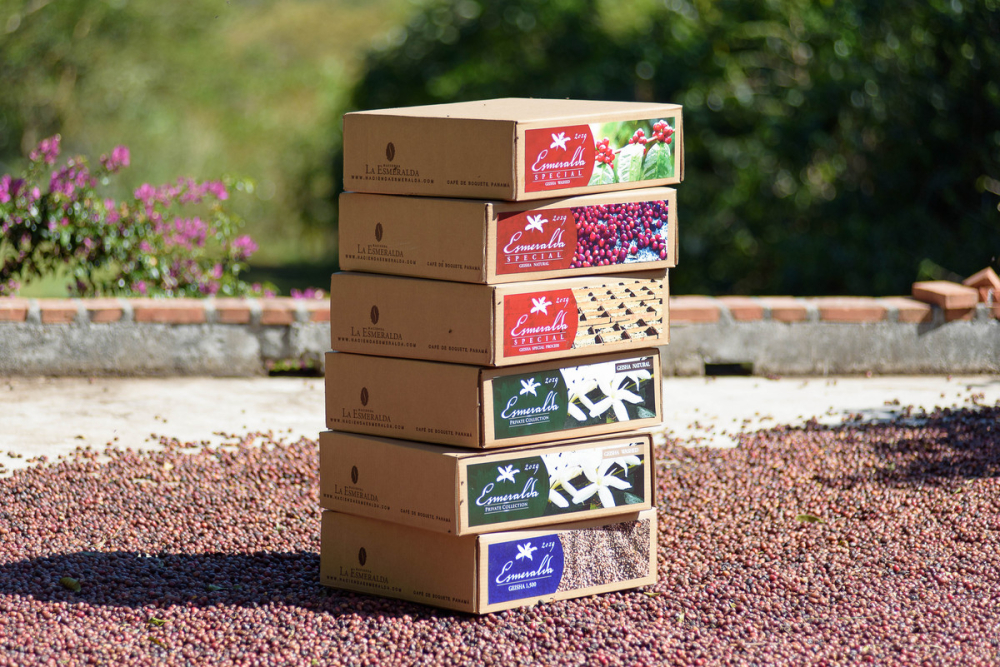
The Geisha plant itself grows tall and, compared to common coffee cultivars, not only requires more growing space but also increases harvesting difficulty. Additionally, its yield per plant is relatively low, making cultivation costs comparatively high, and historically it was seen as an uneconomical variety. Especially when compared to high-yield and easy-to-manage varieties like Caturra and Catuai, Geisha long remained on the fringe. However, in 2003, Panama’s Hacienda Esmeralda singled out Geisha from other varieties for separate cultivation, and the following year it won the championship at the prestigious BOP (Best of Panama) competition, completely transforming the fate of this variety.
Since then, Geisha has rapidly spread globally and become a sought-after cultivar for many specialty coffee farms. However, due to differences in climate, soil conditions across regions, as well as variations in processing methods and roast levels, the flavors exhibited by Geisha can vary widely—from tropical fruits and jasmine floral notes, to citrus profiles, honey-like sweetness, and even creamy or tea-like aftertastes. This article will introduce the origin and traits of Geisha and highlight three beginner-friendly Geisha coffees to help you find your own perfect cup.
If you wish to experience a classic high-grade Geisha from a renowned estate, the Esmeralda Green Label is a top recommendation. This coffee comes from Panama’s Hacienda Esmeralda—the very origin that made Geisha famous—so quality is naturally assured. The Green Label uses a mixed harvest approach, delivering the most authentic Panamanian Geisha flavor profile, and is relatively more affordable. To fully showcase its classic floral and fruity notes, this coffee is typically medium-light roasted. Upon tasting, you’ll immediately notice intense jasmine floral aromas, paired with bright citrus and berry acidity, along with layers of green tea, cantaloupe, and orange peel. The finish is medium-long, with lingering floral and citrus notes—a perfect choice for pour over enthusiasts who enjoy fresh and bright flavors.
If you have a special fondness for heirloom Geisha, consider the Gesha Village Red Label. This coffee comes from the Gesha Village Estate in Ethiopia’s Bench Maji region, grown at altitudes between 1,900 and 2,069 meters, representing a typical high-elevation environment. This Red Label batch accounts for about 15% of the estate’s annual production, features full traceability, and scores over 88 points according to SCA standards, classifying it as a high-quality single-origin bean. Processed using the natural (sun-dried) method, it enhances fruitiness and sweetness. The flavor profile is dominated by gentle and bright acidity, complemented by refreshing citrus, lemon, and apricot notes, showcasing the distinctive character of Ethiopian heirloom Geisha. It’s a highly cost-effective entry option.
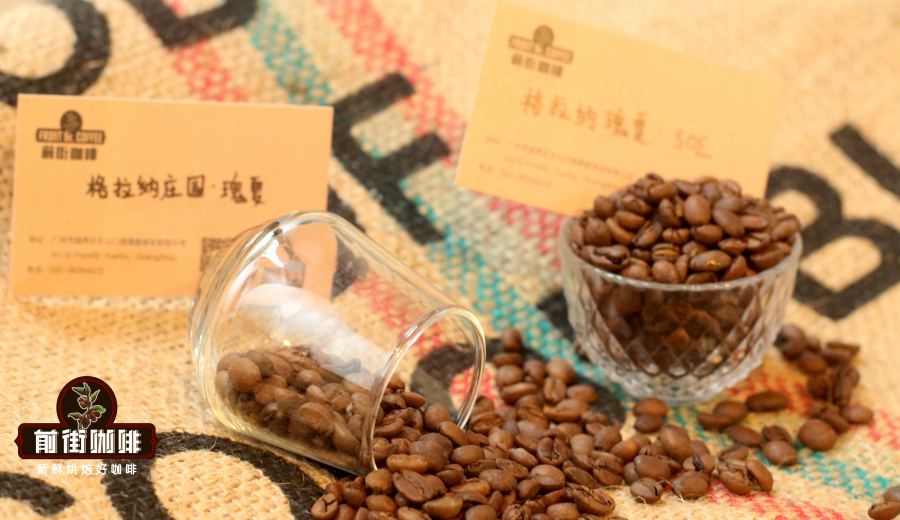
Finally, if you’re looking for a daily-drinker Geisha bean that balances distinctive Geisha characteristics with great value, the Grana Estate Geisha is an excellent choice. Also from Ethiopia, this rare purebred Geisha retains the classic floral and fruity notes of Geisha, while also offering the delicate white floral aromas and bright lemon-like acidity unique to Ethiopian coffees. Its natural processing imparts rich fruit sweetness. When medium-light roasted, it’s ideal for pour over or cold brew, highlighting refreshing fruit notes such as yellow peach, citrus, and guava—perfect for those who prefer a fresh profile. Alternatively, with a medium roast, it can be used as an SOE (Single Origin Espresso), producing a richly bodied shot of espresso with flavors of dried apricot, caramel, and nuts when brewed as espresso—ideal for milk-based drinks or those who enjoy a bold flavor.
In summary, Geisha’s diverse flavors and unique personality make it a dream variety for many coffee lovers. Whether you’re a beginner or an experienced coffee enthusiast, you’ll find a Geisha coffee among the three recommended options that fits your taste and budget, starting your own Geisha tasting journey.
The above content is compiled by CoffeeHunters, a coffee news website.


