







Introduction:Robusta and Arabica are the two most prominent coffee species in the world, each with distinct flavor characteristics and suitable use cases. This article delves into the differences between the two in terms of appearance, composition, and flavor profiles, explores why Robusta beans are often misunderstood, and introduces the potential of specialty Robusta and the Catimor hybrid variety. It also provides brewing parameters and flavor experiences for both Robusta-inclusive espresso blends and Yunnan Catimor beans, helping readers choose the most suitable coffee beans according to their preferences.
In the world of coffee, Arabica and Robusta are undoubtedly the two most well-known varieties. Arabica accounts for about 70–80% of global coffee production, while Robusta makes up approximately 20–30%. Arabica is renowned for its delicate flavors, bright acidity, and rich complexity, whereas Robusta is known for its prominent bitterness, bold and intense body, and strong personality—often regarded as an “inferior” choice, mainly used in instant coffee or espresso blends to boost intensity and crema.
Although Robusta has long been undervalued in the specialty coffee scene, it actually holds irreplaceable value. Originating from the Congo region of Africa, this coffee belongs to the Canephora species, also known as the Congo variety. Robusta is extremely adaptable, capable of growing rapidly in low-altitude, high-temperature environments, and demonstrates far greater resistance to pests, diseases, and harsh weather conditions than Arabica. As a result, its cultivation threshold is relatively low, and its yield per unit is higher. However, precisely because of these traits, its flavor is often perceived as coarse and less refined, which limits its visibility in the specialty market.
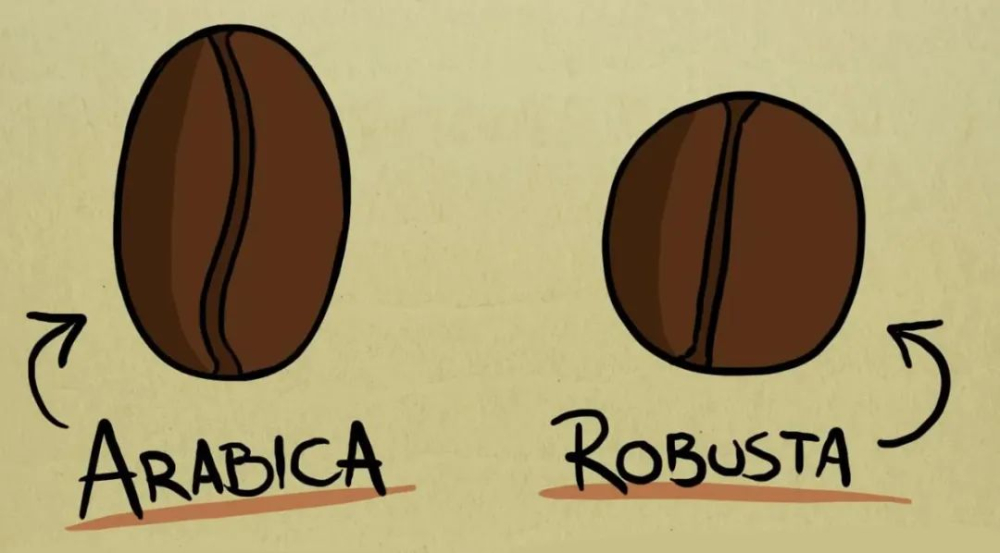
In terms of appearance, Robusta and Arabica are distinctly different.Robusta usually contains only one bean per fruit, with a rounder bean shape that exhibits a pronounced “C” form and a straight “I”-shaped center cut line. The raw beans are typically yellowish-brown in color.。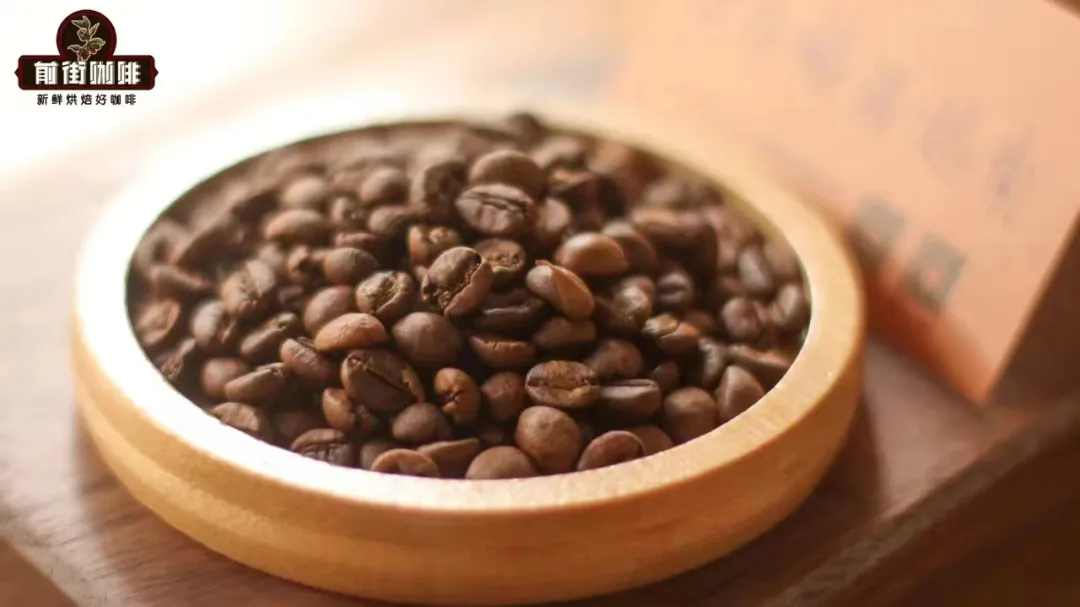 In contrast,Arabica beans consist of two beans per fruit, with a flatter, more oval shape and a center cut that appears “S” or “C” shaped.This also leads to significantly different performance during roasting and extraction compared to Robusta.
When it comes to flavor, Robusta is often described as having earthy, woody, or even burnt rubber-like aromas, with prominent bitterness and relatively low acidity. Its caffeine content is higher, ranging between1.6% and 2.4%, while its fat and sugar content are relatively lower, contributing to its intense and heavy mouthfeel. In comparison, Arabica offers a more complex flavor profile, with bright acidity, smooth texture, and—depending on origin and processing methods—can exhibit diverse layers such as herbal, floral, fruity acidity, and caramel notes.
Chemically, Robusta contains higher levels ofcaffeine, amino acids, and chlorogenic acid, with the chlorogenic acid content being around7% to 10%. While this helps the plant resist pests and adverse environments, it can also lead to astringency. Additionally, Robusta produces about60% more oilthan Arabica. Oils play a crucial role in the body and crema formation of espresso, which is why Robusta is indispensable in certain espresso blends.
Although Robusta is often thought to be suitable only for instant coffee, it actually plays a significant role in the professional coffee market. Many espresso blends include5% to 15%, or even up to 25%Robusta, to enhance the body and crema performance of the coffee. For instance, commercial blends in the industry combine Brazilian and Colombian Arabica beans with a small amount of Robusta, creating aromas of caramel, cream, and dark chocolate, with fine crema and great cost-performance—ideal for beginners in the trade.
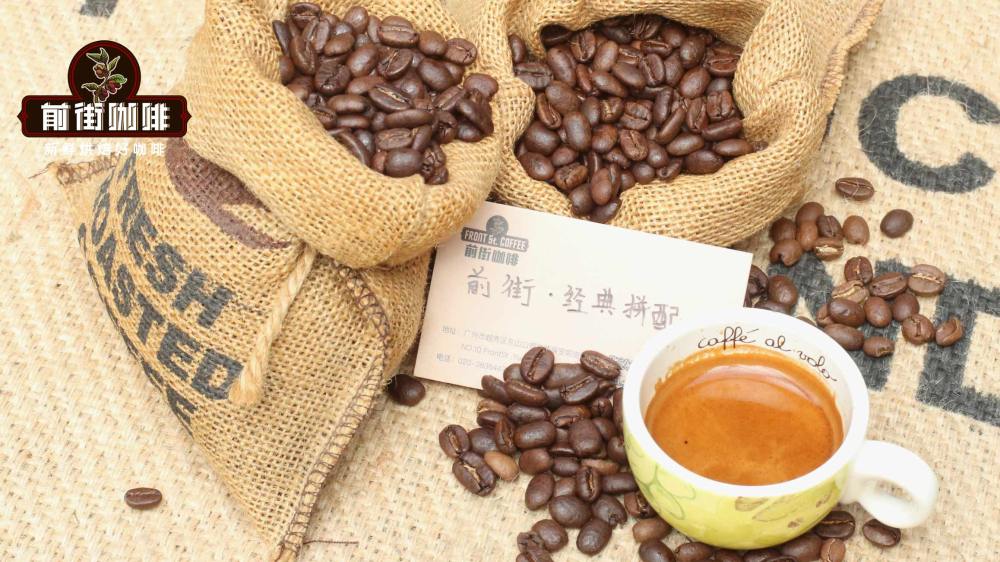
The Classic Blend is another Robusta-containing formula, inspired by the classic “Mamba” combination (Mandheling + Brazil). By adding a touch of Robusta, it boosts overall aroma intensity and boldness, making it especially suitable for home baristas practicing latte art, as it easily yields espresso with golden crema. Additionally, the Dark Cocoa Base Blend is a 100% Arabica combination using Yunnan small-bean varieties and Brazilian Red Bourbon, highlighting notes of nuts, ripe plums, and cocoa, with a balanced flavor and bright crema luster—perfect for both home and café use.
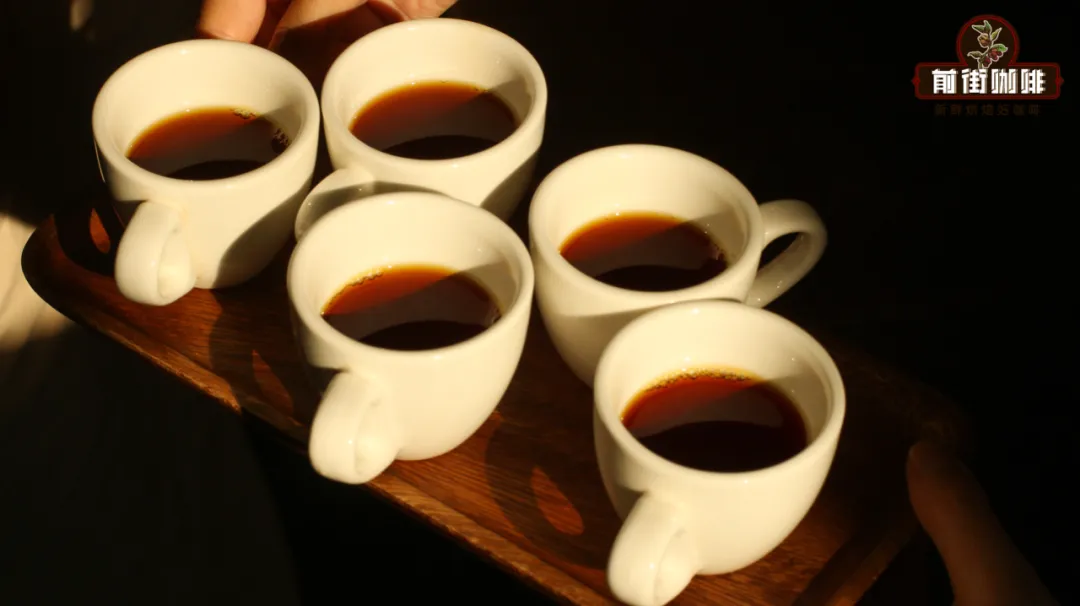
So, is Robusta really inferior to Arabica? The answer is not absolute. There are already many high-quality Robusta beans on the market whose flavor performance can even rival some Arabicas. For example, India’s “Coffee Royale” Robusta is known for its clean, steady mouthfeel and rich flavors of peanuts, hazelnuts, and wheat, changing many consumers’ stereotypical views of Robusta.
Additionally, there is a common hybrid variety—Catimor—which was created in 1959 when Portuguese breeders crossed Brazilian Caturra with the Timor variety from East Timor (which carries Robusta genes). Catimor combines the strengths of both Arabica and Robusta, offering strong resistance to leaf rust and high-yield characteristics, while still retaining some refined flavor expressions and rich crema. An example from the industry is Yunnan’s small red cherry beans, produced in Baoshan, Yunnan, at an altitude of about1450–1550 meters. Processed via red cherry sun-drying, they showcase unique regional flavors.
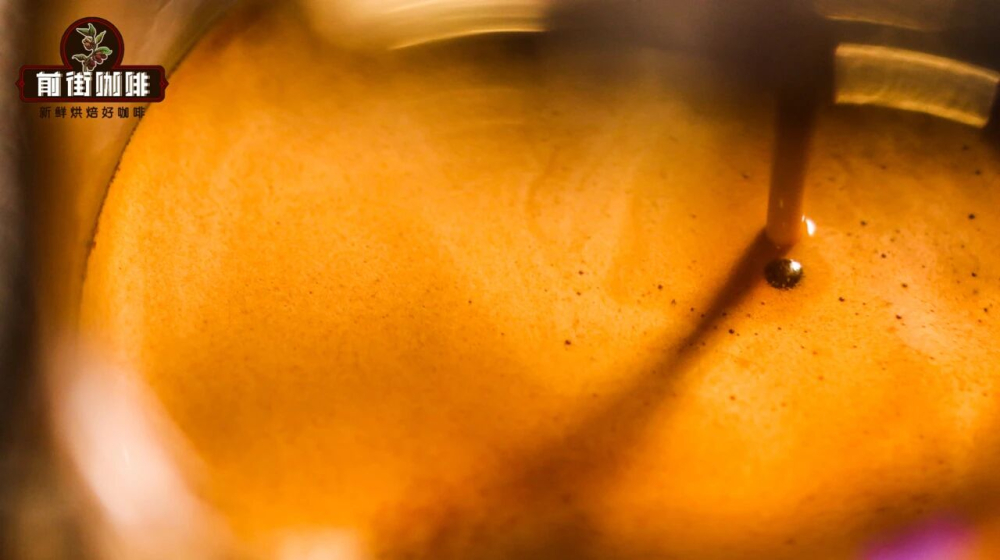
For these Yunnan Catimor beans, here are professional brewing recommendations: It is suggested to use a Kono filter, with water temperature controlled at88°C, a coffee dosage of15 grams, and a brew ratio of1:15. The grind size is recommended to be EK43s#11 (approximately70-75%passing rate through a 20-mesh Chinese standard sieve). Use a staged extraction method: begin with30 grams of water for a 30-second bloom, then pour in small circles until reaching125 grams for the first pour. When the water level is about to expose the coffee bed, continue pouring to225 grams before stopping. Remove the filter once the water level drops again, with total extraction time of about2 minutes exactly.
This brewing method fully highlights the flavor characteristics of the beans:The cup features soft red berry acidity, distinct notes of nuts and chocolate, accompanied by subtle spicy undertones, with a caramel-like sweetness in the aftertaste.It’s ideal for coffee lovers who enjoy balanced and full-bodied flavors.
The above content is compiled by CoffeeHunters, a coffee news website.


