







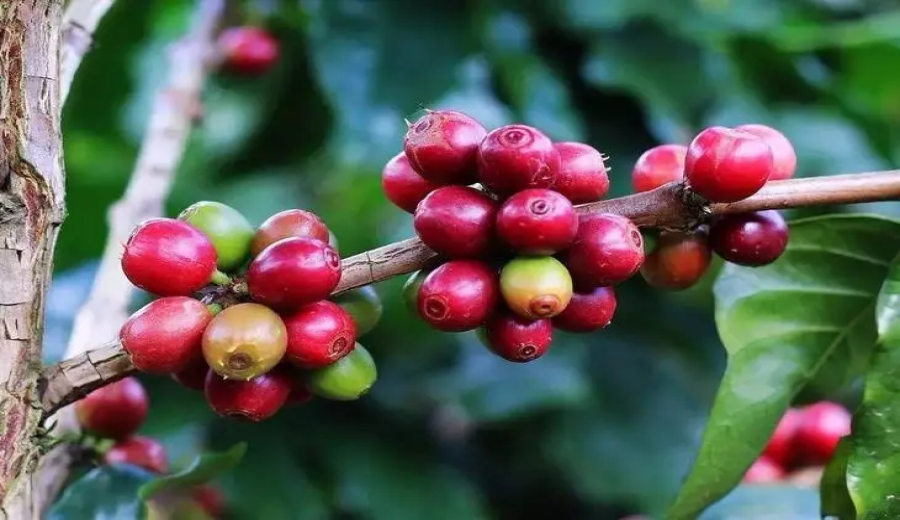
Introduction:There are numerous coffee varieties, which can be confusing for beginners. This article starts with the two mainstream species—Arabica and Robusta—and delves into the origins, physical characteristics, and flavor profiles of common varieties such as Typica, Bourbon, Geisha, Caturra, and Catuai. It helps readers understand how to choose suitable coffee beans based on personal taste preferences and enhances the ability to identify specialty coffee.
Coffee is grown in 66 countries worldwide. By species, it can generally be divided into three main categories: Arabica, Robusta, and Liberica. Among them, Arabica and Robusta dominate the market and are the two types most commonly encountered by consumers. The Arabica family is vast, known for its clean and elegant flavors, and is the primary source of specialty coffee. However, it is less resistant to diseases and requires high growing conditions, accounting for only about 30% of global production. In contrast, Robusta is highly resistant to pests and adaptable, though its flavor tends to be stronger and more bitter. Due to its ease of cultivation and high yield, it makes up about 70% of global production and is commonly found in instant coffee or drinks with added sugar and milk.
Among the many varieties, Typica, Bourbon, Geisha, Caturra, and Catuai all belong to the Arabica family, but each has distinct cupping flavors and physical characteristics. Below, we will detail the origins, bean appearance features, and flavor profiles of these varieties, along with corresponding actual cupping observations, to help coffee enthusiasts gain a deeper understanding of each variety’s unique traits.
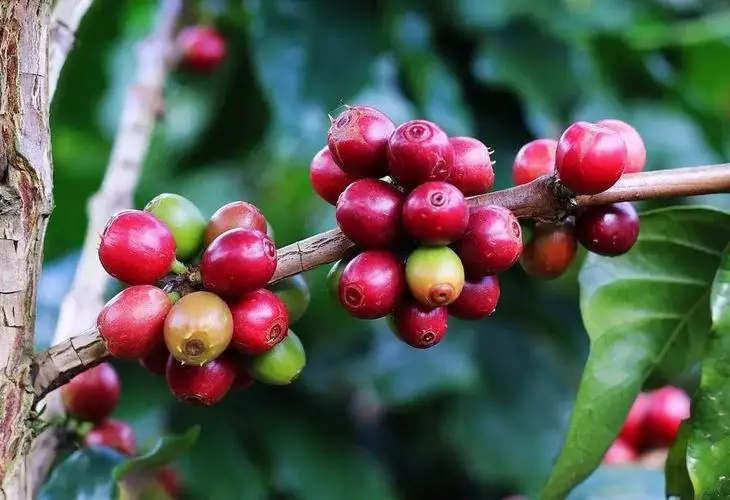
Typica (Typica) is one of the oldest varieties of Arabica, believed to have originated in southeastern Ethiopia and Sudan. Its top leaves are copper-red in color, hence it is also called "red-topped coffee." Most current Arabica varieties are derived from natural or artificial mutations of Typica. Its beans are slender and oval-shaped, with a plump appearance. In terms of flavor, Typica offers a clean and refreshing taste with delicate and uncluttered aromas. To experience the classic expression of Typica, it is recommended to try representative highland-grown beans, which showcase pure Arabica characteristics and are suitable as an entry-level choice for pour over coffee.
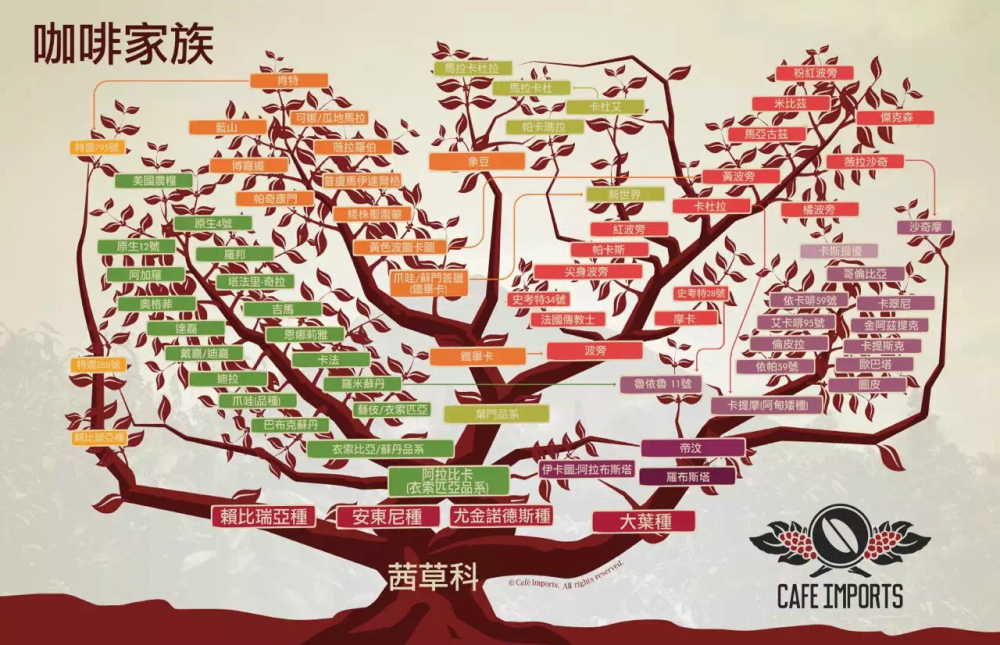
Bourbon (Bourbon) is a natural mutation of Typica, with the most obvious change being in bean shape: shifting from the slender form of Typica to a rounder one. This variety was first planted on Réunion Island in Brazil (known as Bourbon Island before 1789), hence its name. Bourbon beans are shorter and rounder, with a thicker body, and produce a smooth cup with noticeable sweetness, often featuring caramel and creamy aftertastes. Cupping observations show that Bourbon offers good balance and intensity, making it suitable for extraction with a moka pot or home coffee machines, and also recommended for pour over to savor its layered complexity. The Yellow Bourbon produced by Queen Estate is a premium representative of the Bourbon branch, with a clear aftertaste and long-lasting finish.
Geisha (Gesha/Geisha) is one of the most distinctive and high-value varieties, originating from the Gesha Forest in Ethiopia. This variety is known for its low yield, tall plants, and sparse flowering and fruiting, making it relatively difficult to cultivate. Geisha beans are slender, tapering at both ends with a plump middle. In cupping performance, Geisha boasts highly recognizable complex fruit aromas, such as tropical berries and passionfruit, accompanied by elegant floral notes and a tea-like refreshing finish. The Emerald Red Label Geisha from the renowned Emerald Estate is the top-grade version of this variety, with delicate and multifaceted flavors, making it an excellent choice for advanced pour over enthusiasts.
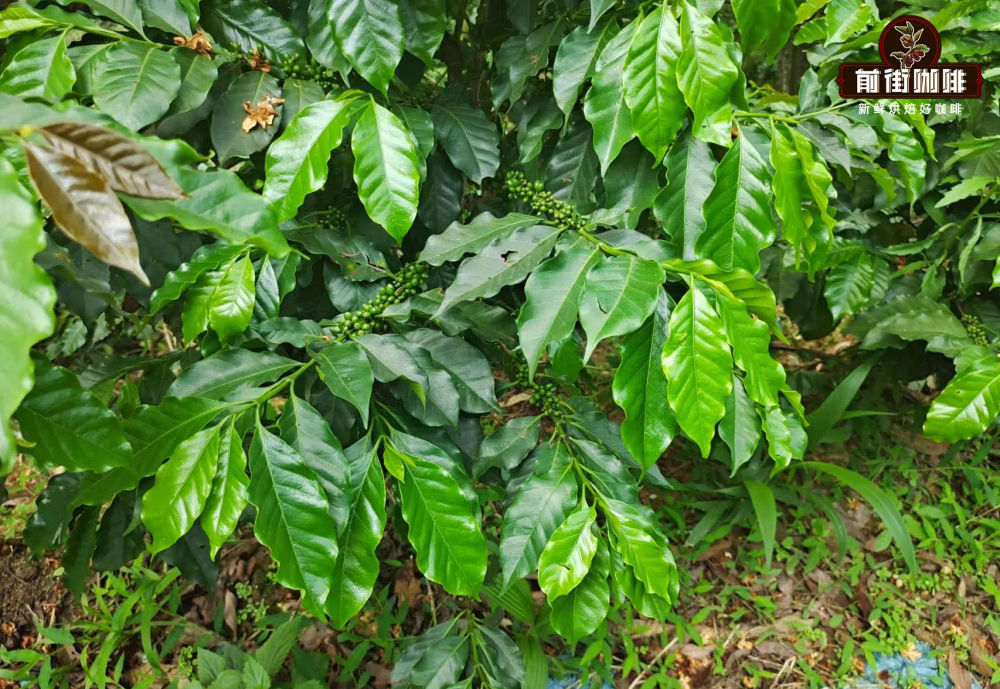
Caturra (Caturra) is a natural mutation of Bourbon, characterized by shorter distances between branches and small but densely clustered fruits, enabling higher coffee bean yields per unit area and effectively increasing productivity. Caturra beans are slightly curved, oblong-shaped, and are known for their bright acidity and clear sweetness, delivering an overall clean and refreshing taste. In actual cupping, Caturra often exhibits soft fruit acidity and a mellow mid-palate. Caturra grown in the Huila region of Colombia, when medium-dark roasted, can bring out aromas of dark chocolate and nuts, making it very approachable for those who prefer lower acidity and suitable for various brewing methods.
Catuai (Catuai) is a hybrid variety bred from Caturra and the Mundo Novo variety, combining the strengths of both parents: it inherits Mundo Novo’s high-yield traits and strong disease resistance, as well as Caturra’s small fruit size and high-quality acidity. Additionally, Catuai has good sunlight tolerance and, due to its shorter plant height, allows for higher planting density and more efficient use of space. Its beans are oval and flat with slightly pointed tips, and cupping flavors are dominated by soft acidity and rich fruity notes, often featuring citrus and berry freshness. This variety is mainly distributed in Central and South America, particularly excelling in Central American producing regions. The Catuai produced by Elida Estate is a premium representative of the variety, suitable for coffee lovers who enjoy distinct fruitiness and balanced flavors.
The above content is compiled by CoffeeHunters, a coffee news website.


