








Introduction:Bourbon coffee is an iconic variety within the Arabica family, evolved from Typica, and is renowned for its delicate flavors and stable yield. In addition to the commonly seen Red Bourbon, Brazil has also cultivated Yellow Bourbon and the rare Pink Bourbon. These three varieties differ markedly in fruit color, which further influences their flavor profiles and cultivation characteristics. This article delves into the origins, genetic backgrounds, and flavor profiles of the three Bourbons, and provides a pour over recommendation for Yellow Bourbon from Fazenda Rainha, helping you choose the most suitable coffee beans based on your taste preferences.
Bourbon (Bourbon), as one of the key parent varieties of Arabica coffee, originally stems from Typica. Its beans feature a plump and rounded shape. Compared to Typica, it not only performs excellently at high altitudes but also exhibits greater resistance to coffee leaf rust. When grown at appropriate altitudes, Bourbon often showcases rich aroma layers, delicate acidity, and a full-bodied sweetness. Among the many Bourbon cultivars, the most common is Red Bourbon, which turns deep red upon ripening. However, in São Paulo State, Brazil, there are two more unique variants—Yellow Bourbon and Pink Bourbon—which ripen into orange-yellow and pink respectively. These three varieties differ significantly in genetics, flavor, and even cultivation conditions.
Let’s start with the most widely known Red Bourbon. The fruits of this Bourbon variety sequentially transition through green, pale yellow, orange-yellow, bright red, and finally deepen into a dark crimson during ripening—hence the name. Red Bourbon typically offers bright acidity, abundant fruity notes, and excellent sweetness, making it a staple variety in many specialty coffee-growing regions. Its beans are relatively short and round with higher density, which helps accumulate more flavor compounds at high altitudes.
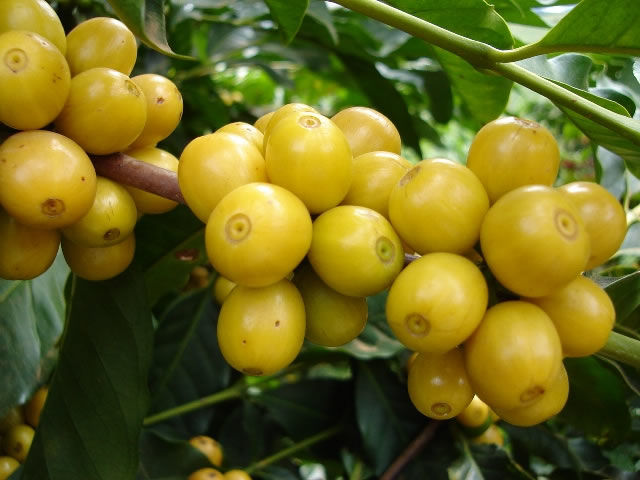
Next is the relatively rare Yellow Bourbon (Bourbon Amarello), also known as Yellow Bourbon, often referred to by this name in English literature. The most distinctive feature of this variety is that its fruits do not turn red upon ripening but instead exhibit a warm orange-yellow hue, which gives it its name. Yellow Bourbon is a unique variety exclusive to São Paulo State, Brazil. Its flavor profile often features softer acidity, pronounced sweetness, and notes reminiscent of nuts, cream, and caramel. Cupping data indicates that Yellow Bourbon tends to display more concentrated sweetness and aroma, making it a favorite among many competitions and specialty coffee farms. For example, Yellow Bourbon grown at Fazenda Rainha (Queen Estate) in the Mogiana region, at altitudes of 1400–1950 meters, highlights its intense tropical fruit and molasses flavors through the natural sun-drying process.
As for Pink Bourbon, it is the rarest of the three. Regarding its origin, the most widely accepted theory is that it resulted from a natural cross between the Colombia variety and Caturra. Since Caturra itself is a Bourbon variant, and the Colombia variety was introduced with some Robusta genes to enhance disease resistance and yield, Pink Bourbon enjoys certain advantages in stable yield and disease resistance. However, precisely because of its complex genetics, its flavor layers are generally not as delicate as those of Red or Yellow Bourbon. Notably, the pink coloration of Pink Bourbon fruits is mainly due to the action of recessive genes in the pollen, and such genes are highly susceptible to interference. Therefore, stably producing purely pink fruits poses a significant challenge for coffee farmers.
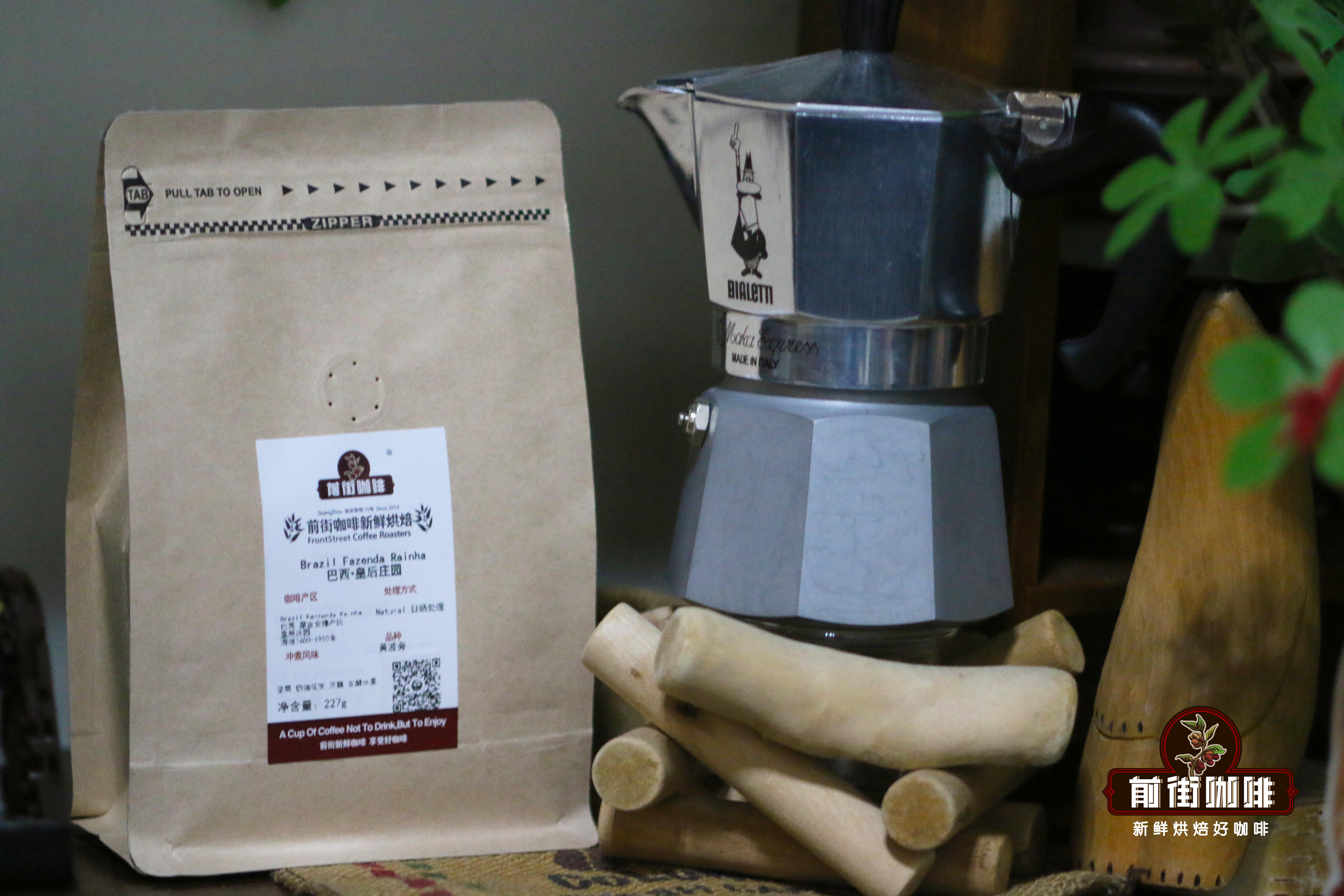
A deeper look into the cultivation and post-harvest processing of Yellow Bourbon reveals that its success is no accident. Take Fazenda Rainha as an example: during harvesting, they first use floatation to remove unripe cherries, ensuring that only fully ripe fruits proceed to subsequent processing. During the sun-drying process, African raised beds are used for small-batch drying, accompanied by regular turning. This not only ensures even heat distribution but also effectively avoids earthy off-flavors and over-fermentation. Thanks to the high accumulation of fructose and flavor precursors in Yellow Bourbon at high altitudes, meticulous sun-drying can further enhance its sweetness and body.
In terms of roasting strategy, many roasters opt for a medium-to-dark roast for these high-density, high-sugar Yellow Bourbon beans to balance their acidity and sweetness while highlighting caramel and nutty notes. Practical cupping and roasting tests have shown that medium roasting can preserve the inherent sweetness of the Bourbon variety while imparting a rounder body to the coffee. However, because medium-to-dark roasted beans release flavors more rapidly, improper pour over parameters can easily lead to over-extraction or bitterness.
For pour over recommendations for Yellow Bourbon from Fazenda Rainha, you may refer to the following parameters: the water temperature is suggested to be set at 87–88°C, using a KONO filter conewith medium-coarse grind (approximately 70% passing through a Chinese standard No. 20 sieve), with a coffee dose of about 15 grams, maintaining a 1:15brew ratio 125 grams , then pour again until 225 grams, with the total extraction time controlled at around 2 minutes. Finally, gently swirl the coffee liquid before serving.
The resulting Yellow Bourbon coffee typically presents aroma layers of dark chocolate, cream, nuts, and peanuts. Upon tasting, the sweetness is pronounced, with a natural sugarcane-like sweetness running throughout. The acidity is soft and well-balanced, and the aftertaste is long-lasting and memorable. Whether you’re a professional barista or a home brewing enthusiast, you can experience the unique charm of the Bourbon variety.
The above content is compiled by CoffeeHunters, a coffee news website.


