







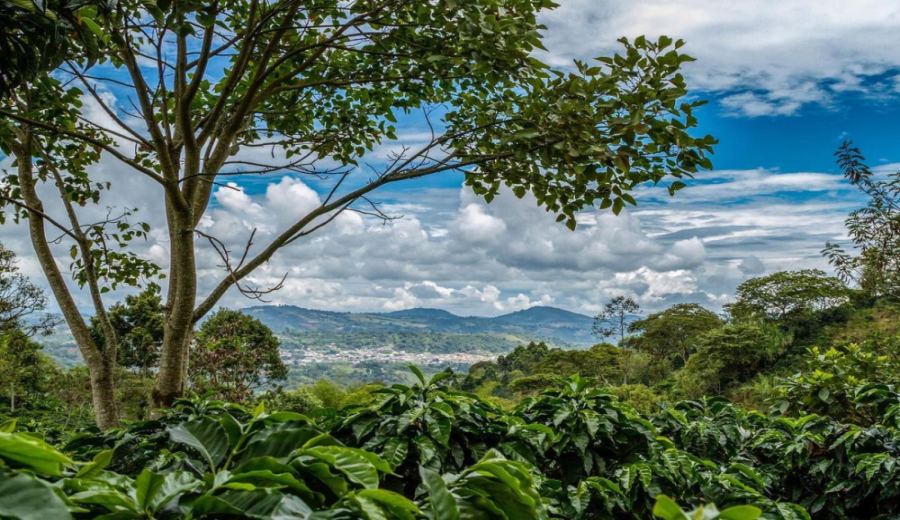
Introduction:Finca El Paraiso in Colombia is renowned for its innovative processing methods, and its recently launched double anaerobic washed SOE coffee beans have garnered significant attention in recent years. This article provides an in-depth analysis of these beans, which hail from Colombia’s high-altitude Cauca region and are of the Castillo variety. It covers everything from the growing environment and the principles of anaerobic fermentation, to varietal characteristics, roasting, and pour over extraction, offering a complete flavor profile along with practical brewing parameters to help coffee enthusiasts master the art of brewing high-quality SOEs.
Colombia consistently ranks as the world’s third-largest coffee producer and is the largest exporter of washed Arabica beans. Thanks to its strict policy of only cultivating Arabica varieties within the country, coupled with strong support from the National Federation of Coffee Growers (NFC), it has established a unique position in the international market. Recently, Luckin Coffee featured single-origin coffee beans (SOEs) from Finca El Paraiso in its “Little Black Cup” series, thrusting this well-known estate in the Cauca region into the spotlight of industry discussions.
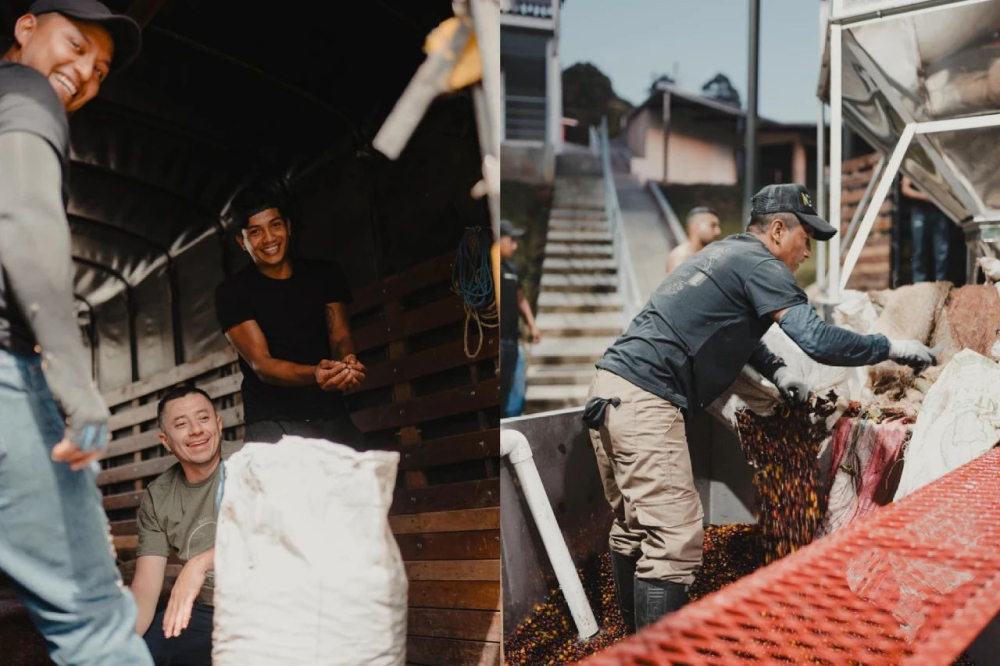
Finca El Paraiso was founded in 2008 by Diego Samuel as a small, 2.5-hectare family-run farm. He has continuously reinvested profits into coffee agricultural research, dedicated to enhancing the flavor profiles of specialty coffee. In 2015, the estate won its first regional competition, instantly gaining fame and further motivating Diego to actively promote the cultivation of specialty coffee and technological innovation. Through his company Indestec (focused on innovation and development in coffee agricultural technology), Diego has developed several new technologies that improve the consistency and quality stability of coffee, firmly believing that challenging one's comfort zone is key to progress.
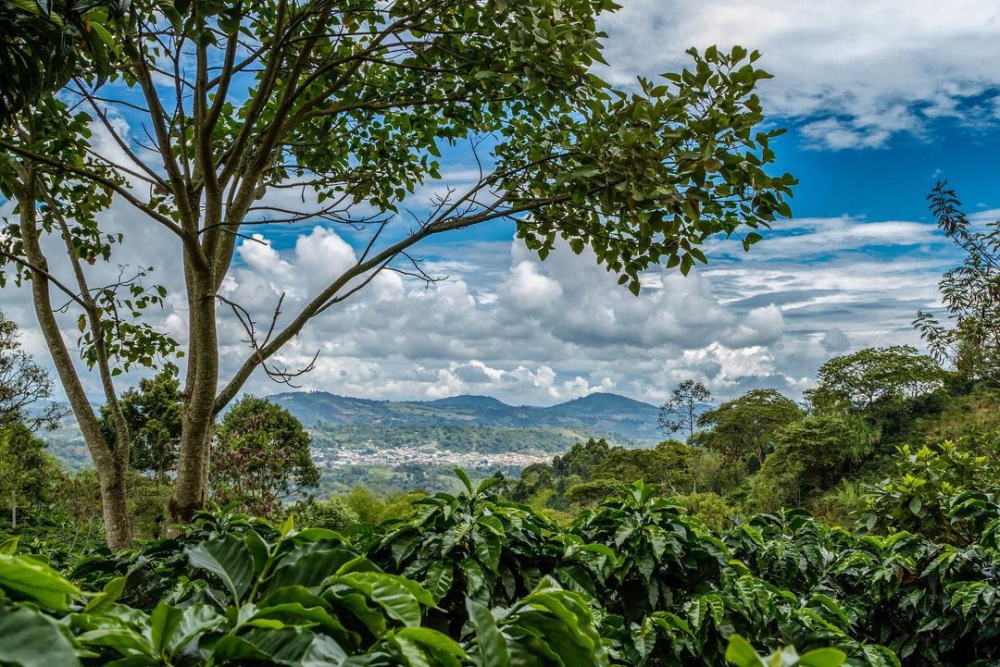
The estate is located in Cauca, Colombia, an officially recognized coffee-growing region with an average altitude of 1,758 meters, and some areas reaching up to 2,100 meters. The terrain is mostly mountainous, especially in the eastern and central parts where parallel mountain ranges are part of the Andes, including two major volcanoes — Sotara and Petacas. The climate in Cauca is distinctive, with a monomodal rainfall pattern — the dry season concentrated between August and September, followed by the rainy season, leading to intense coffee flowering and subsequently a bountiful harvest of coffee cherries the following year. Volcanic soil, ideal altitude, and temperature variations provide an exceptionally favorable environment for coffee cultivation.
Currently, the estate primarily grows varieties such as Bourbon, Laurina, Gesha, and Castillo, while also continually planning trials with more diverse coffee varieties in pursuit of flavor breakthroughs.
At a certain coffee shop, there is a coffee bean called “Cherry Blossom Bean” from Finca El Paraiso, processed using the double anaerobic washed method with the Castillo variety — making it an excellent example to understand the flavor profile of this SOE.
Anaerobic processing has sparked a wave of enthusiasm in the specialty coffee scene in recent years. By fermenting coffee cherries in an oxygen-free environment, it can produce fruitier and rounder sweetness than traditional washed methods, while reducing overall bitterness, making it easier for non-coffee drinkers to enjoy. Finca El Paraiso takes this a step further with its “double anaerobic washed” process — meaning two rounds of constant-temperature anaerobic fermentation, during which a washing step removes the mucilage layer, effectively slowing down the breakdown of pulp and mucilage, thereby extending the fermentation time. It is then dried using the sun-drying method, further enhancing the sweetness.
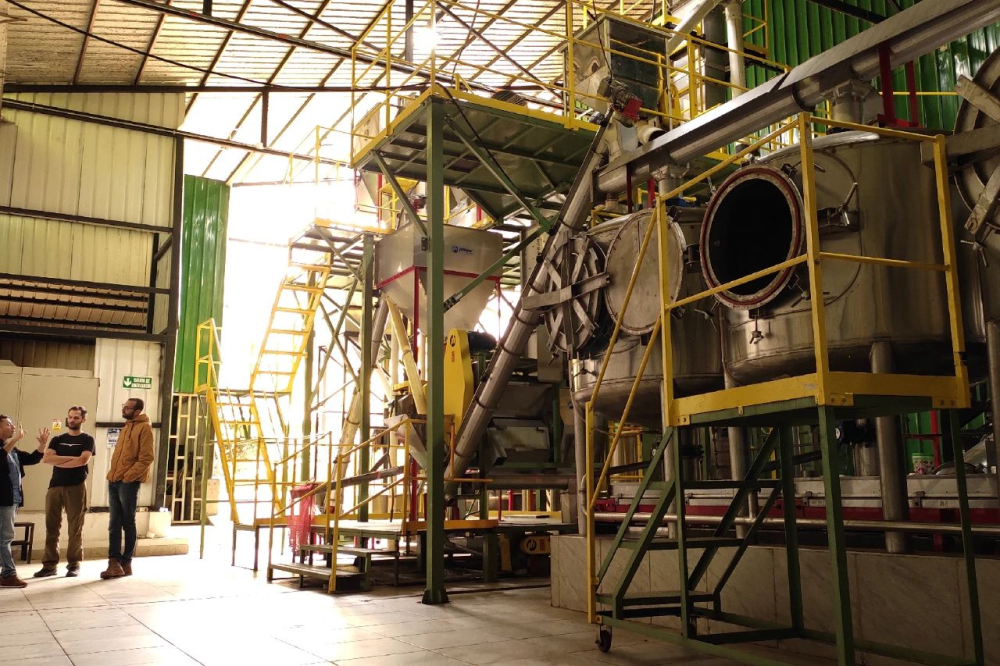
The key to anaerobic fermentation lies in placing the coffee cherries in a completely sealed stainless steel container (or fermentation tank) and fermenting them in an oxygen-free environment through the action of specific microorganisms. This process allows for precise control over temperature, pressure, and time, thereby shaping more consistent and cleaner-tasting coffee beans. Since the oxygen-free environment preserves more aromatic compounds, the resulting coffee often exhibits a fuller body, along with complex layers resembling cheese, cream, or even wine.
Here is the production region information for this Finca El Paraiso Cherry Blossom coffee bean:
Region: Colombia · Cauca · Finca El Paraiso
Elevation: 2,050 meters
Processing Method: Double Anaerobic Washed
Grade: SUPREMO
Variety: Castillo
Regarding the variety, Castillo is one of the most widely planted coffee varieties in Colombia, largely due to its high resistance to coffee leaf rust. Starting in 1961, the Colombian Coffee Research Center (CENICAFE) began researching the Timor variety, which has Robusta lineage, and subsequently introduced disease-resistant new varieties such as Tabi (a hybrid of Typica, Bourbon, and Timor) in 2002, and successfully developed Castillo in 2005. Especially after the major coffee leaf rust outbreak in 2008, Castillo became the variety heavily promoted by Colombia.
In terms of roasting strategy, a certain coffee shop aims to highlight regional characteristics and flavor nuances. For this Finca El Paraiso Cherry Blossom coffee bean, to emphasize its unique sweetness and complexity, a medium-dark roast level was used. Within eight hours after roasting, the team conducts cupping and fine-tunes the roast profile based on the results. The final cupping reveals flavors of mint and mugwort freshness, paired with layers of strawberry, jam, citrus, and chocolate — a well-rounded and balanced cup.
For pour over recommendations, using freshly roasted coffee beans is crucial. It is advised to choose beans roasted within five days for optimal flavor. The beans shipped by the coffee shop are all roasted within five days, ensuring consumers receive them at the peak of their flavor. Generally, the resting period for this bean is about four to seven days, during which the flavors are at their most vibrant stage for brewing.
Recommended pour over settings are as follows:
Filter: V60 dripper
Water Temperature: 91°C
Coffee Dosage: 15 grams
Coffee-to-Water Ratio: 1:15
Grind Size: Fine grind (80% passing rate through a Chinese standard No. 20 sieve, equivalent to medium-fine grind)
Pour over technique: A three-stage extraction is recommended. Start with a 30-second bloom using 30 grams of water, then pour in a small circular motion until reaching 125 grams for the first pour. When the water level drops and is about to expose the coffee bed, continue pouring to 225 grams, then stop. Wait until all the coffee liquid has dripped through the filter before removing the dripper. The total extraction time should be around two minutes, which helps fully showcase the sweetness and fruity layers of this double anaerobic washed coffee bean.
The above content is compiled by CoffeeHunters, a coffee news website.


