







Introduction:Pour over and siphon are two classic specialty coffee brewing methods, each with its own unique extraction logic and flavor profile. This article delves into their historical backgrounds, operational principles, key parameter settings, and—through a practical example—brews Yemeni Mocha beans using both methods. From a scientific and sensory perspective, it helps you grasp their differences and find the brewing style that suits you best.
Pour over coffee is a type of filtration extraction, with origins tracing back to the late 17th century in England. At the time, coffee was just gaining popularity in England, but the coffee grounds left behind by the traditional Turkish immersion method had a rough texture that deterred many consumers. A Brit named BIGGIN thus invented a coffee device that used flannel cloth for filtration, forming the prototype of modern pour over extraction. Later, France introduced metal filters, but most people still preferred the filtration effect of flannel. It wasn’t until Japan inherited and further refined this equipment that it gradually evolved into the pour over system we know today.
Pour over generally uses paper filters as the filtration medium, requiring stricter control over water temperature, grind size, and pouring technique.Paper filters can effectively filter out coffee fines and oils, resulting in a clear coffee liquid with a relatively clean and layered flavor profile, making it suitable for drinkers who prefer delicate flavors.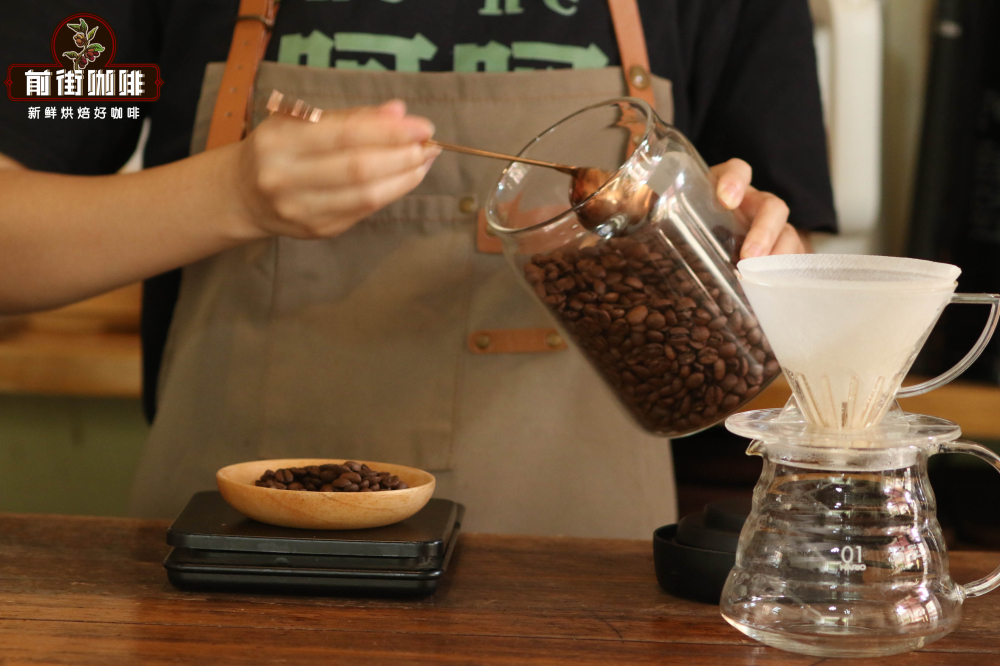
The siphon pot, also known as the "vacuum pot," is a brewing device with strong visual appeal and an experimental feel to its operation. Although the name includes the word "siphon," its working principle is actually based on thermal expansion and contraction along with pressure changes. Legend has it that it was first designed by Scottish shipbuilder Robert Napier, and later improved upon by Germany, France, and England, eventually forming the classic double-chamber structure seen today.
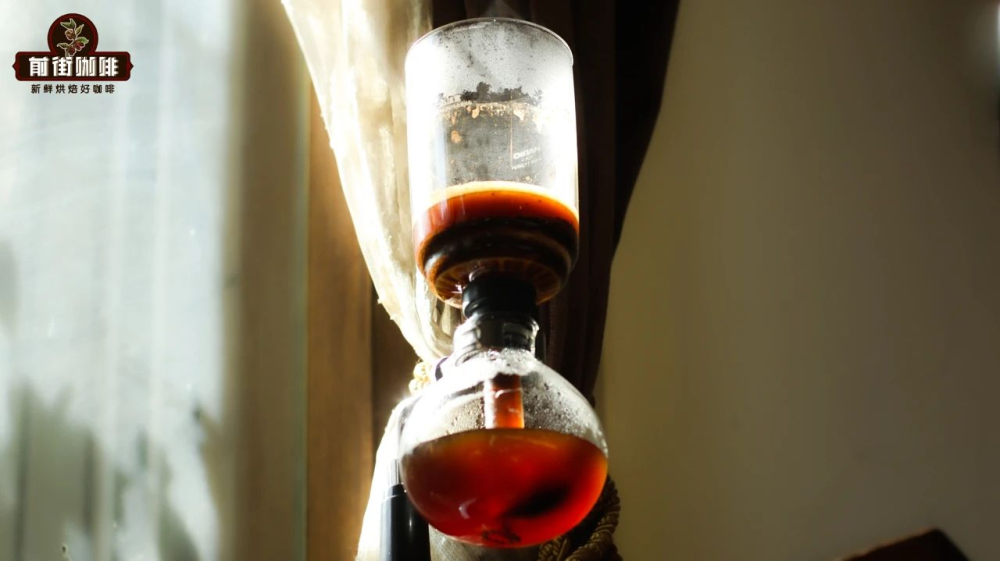
The operation of the siphon pot is highly dramatic: heat is applied to the lower chamber to boil the water, and steam pushes the water upward into the upper glass chamber, where it mixes with the added coffee grounds for immersion-style extraction. After turning off the heat, as the pressure drops, the brewed coffee flows back down into the lower chamber due to gravity. The entire process combines immersion and filtration functions,often paired with a flannel filter, which retains more coffee oils, resulting in a richer, smoother mouthfeel, and often leaving a fine glossy layer on the surface of the coffee.
So what kind of flavor differences do these two brewing methods bring? We take Yemeni Mocha coffee beans as an example and conduct practical tests using both pour over and siphon methods.
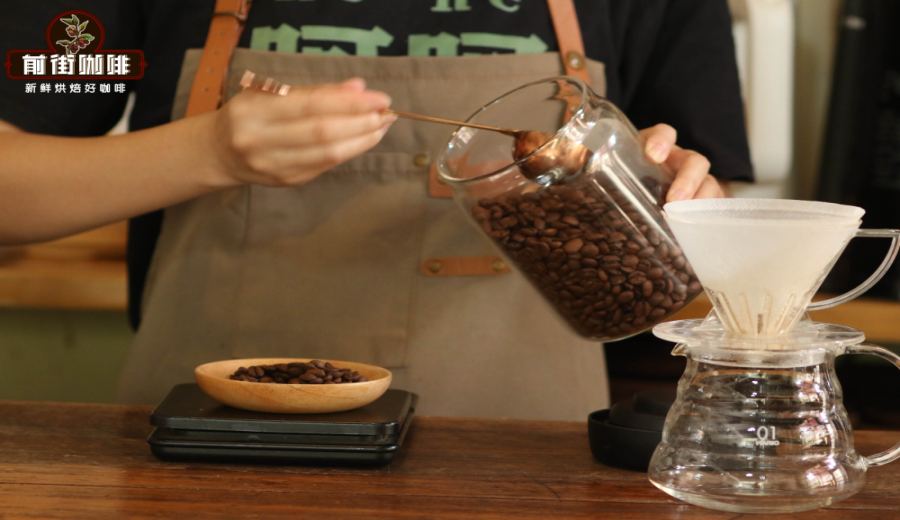
The pour over experiment parameters are as follows: using a V60 dripper, grind size BG 5R (approximately equivalent to 80% passing through a Chinese standard No. 20 sieve), water temperature controlled at 90°C, a coffee-to-water ratio of 1:15, and a total brewing time of about 2 minutes and 1 second. The specific technique is as follows: start by pouring 26 grams of water for a 30-second bloom, then pour up to 125 grams for the first pour. When the water level drops and the coffee bed begins to expose, continue pouring up to 226 grams to finish. Finally, remove the dripper just before the water level reveals the coffee bed.
The siphon experiment parameters are: grind size BG 6A (approximately equivalent to 55% passing through a No. 20 sieve), water temperature 87°C, coffee-to-water ratio 1:13, and a total extraction time of about 1 minute and 10 seconds. The operation process is: once the water rises into the upper chamber, add the coffee grounds and stir in a cross pattern twice. About 35 seconds later, stir in a circular motion five times. Turn off the heat at 50 seconds, and wipe the outer wall of the lower chamber with a damp cloth to accelerate the coffee’s return flow.
In terms of actual tasting, the Yemeni Mocha pour over version delivers a bright grape-like acidity upon entry, with a clear and soft flavor profile. The finish showcases the rich texture of dark chocolate, offering a complex and layered experience overall, making it ideal for those who enjoy refreshing flavors and subtle variations.
The siphon version, on the other hand, presents a richer and more balanced mouthfeel, with gentle and rounded acidity. You can clearly detect the aromas of grape and red berries, the distinct flavor of dark chocolate, and a lingering caramel sweetness in the aftertaste. It has a smooth and full-bodied entry, suiting coffee lovers who prefer bold and well-structured brews.
Overall, the most notable difference between pour over and siphon lies in body and flavor layering:Siphon coffee is generally richer and more balanced overall, whilepour over excels in showcasing flavor details and layers. Both have their unique strengths—the choice ultimately depends on personal taste preferences and your mood at the time.
The above content is compiled by CoffeeHunters, a coffee news website.


