







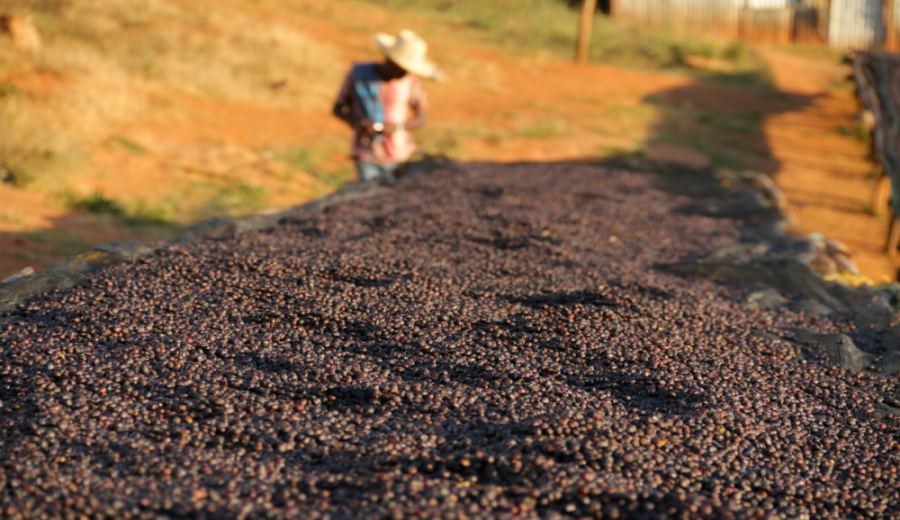
Introduction:As the birthplace of coffee, Ethiopia's diverse growing regions produce a rich and varied flavor profile. This article takes you on an in-depth exploration of how the unique geographical conditions of the Guji region shape its flavor characteristics, and extends to analyzing the features of well-known regions such as Sidamo and Yirgacheffe. It also provides practical pour over parameters and step-by-step instructions to help you grasp the key points of tasting and uncover the refined charm of high-altitude African coffee.
Ethiopia is not only the birthplace of coffee but also a holy grail for specialty coffee enthusiasts worldwide. With its exceptional geographical environment and microclimatic conditions, the country enables coffee cultivation to showcase a diverse range of flavor potentials. This article begins with the country’s natural conditions and gradually analyzes the differences among major regions such as Sidamo, Yirgacheffe, Guji, and Bebeka, while focusing on how the Guji region, with its unique volcanic soil and microclimate, cultivates coffee with highly distinctive flavors.
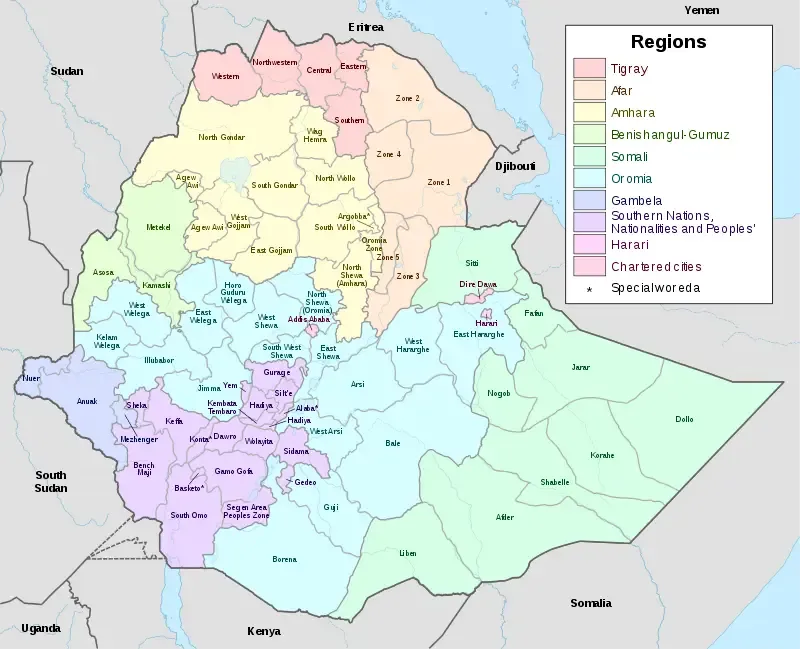
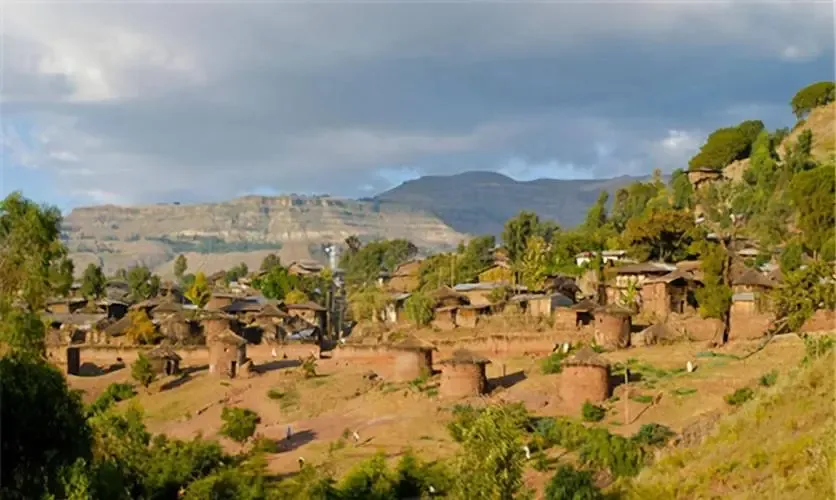
Located in the northeastern part of Africa, Ethiopia is a landlocked country bordering multiple nations. Its terrain is predominantly plateau, with about two-thirds of the entire country situated on the Ethiopian Highlands, averaging nearly 3,000 meters in elevation, hence earning the title "Roof of Africa." The country's climate is significantly influenced by altitude, generally divided into dry and rainy seasons throughout the year, with an annual rainfall of approximately 1,237 millimeters. Coupled with over 50 volcanoes and extensive highland areas, these factors provide ideal natural conditions for coffee cultivation.
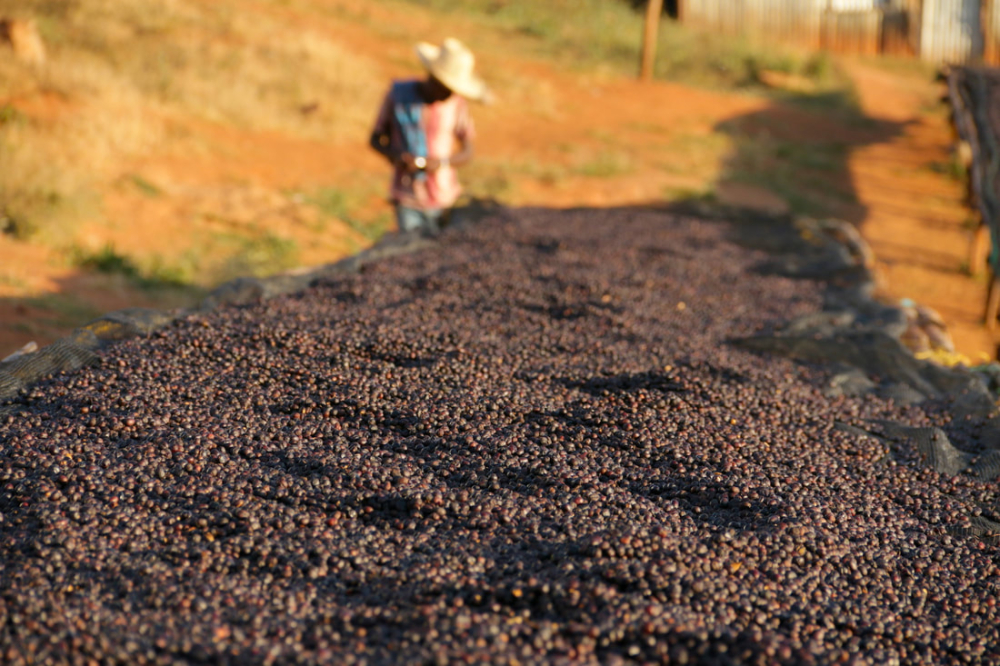
The country boasts several renowned coffee-growing regions, including Sidamo, Yirgacheffe, Guji, and Bebeka. Each region, due to its geographical and climatic differences, produces unique flavor characteristics. Among them, the Guji region has garnered significant attention in recent years for its outstanding flavor performance.
The Sidamo region is located on the highlands south of the East African Rift Valley. Since the administrative redivision in 1995, although there have been name adjustments, the consumer market still commonly uses the term "Sidamo." This region's elevation ranges between 1,400 and 2,200 meters, with abundant annual rainfall, fertile soil, and good drainage, creating optimal conditions for coffee growth. Well-known processing facilities here, such as Santa Maria and Gesha, are recognized for their stable and layered processing styles.
Yirgacheffe is one of the highest-altitude coffee-growing regions in Ethiopia, located on the eastern edge of the East African Rift Valley. Originally part of Sidamo, it was later independently designated due to its distinctive flavor characteristics. The region's elevation ranges from 1,750 to 2,200 meters, featuring a mild and humid climate with fertile soil. The coffee produced here often exhibits pronounced floral notes, citrus tones, and a tea-like body, with rich flavor layers and strong distinguishability.
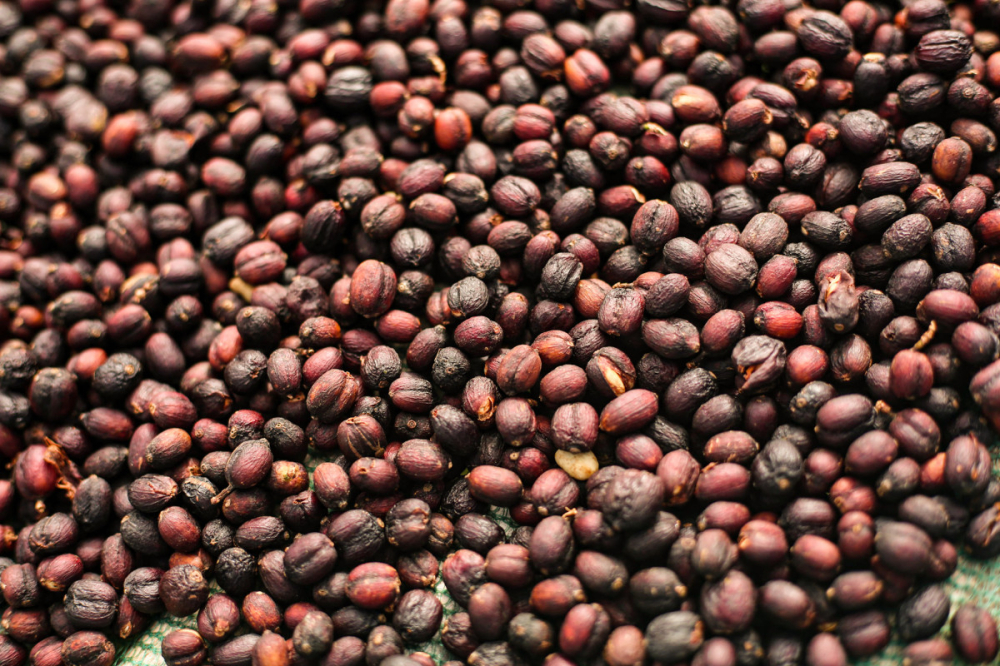
The Guji region is one of the focal points of this article. Originally part of Sidamo, it has been recognized since 2010 by the Ethiopian Commodity Exchange (ECX) as a separate new region due to the highly distinctive flavors of its coffee. Guji is located in southern Ethiopia, with a terrain that includes mountains, plateaus, valleys, and plains, thus forming diverse microclimates. Its volcanic soil is rich in minerals, and with an average elevation exceeding 1,800 meters, along with significant day-night temperature variations, the flavor compounds in the coffee cherries can accumulate fully. The region also includes several well-known sub-regions, such as Hambela, Uraga, and Shakiso. Among them, Hambela is widely known for having previously produced the highly acclaimed “Hambela Flower Queen” (花魁) coffee beans, and the 2025 new harvest of Hambela Flower Queen Geisha has already been released.
The Bebeka region, also known as Bench Maji, is a coffee-growing hotspot located in southwestern Ethiopia, adjacent to South Sudan. This area is home to the renowned Gesha Village Estate, where the Gesha variety was first discovered in the wild forests of Bench Maji, having a profound impact on the global specialty coffee market.
For beginners to Ethiopian coffee, it is recommended to start with classic washed Yirgacheffe. These beans typically exhibit bright acidity and delicate aromas, making them a perfect entry point for understanding high-altitude Ethiopian coffee. Below is a set of practical pour over parameters to help you extract the essence of the coffee more accurately.
It is recommended to use a V60 dripper, with water temperature controlled at 92–93°C, a coffee dosage of 15 grams, and a 1:15 coffee-to-water ratio. The grind size should be roughly equivalent to that of fine sugar, and it is advised to use a #20 sieve to achieve about 78% passing rate. During the pour over, you can follow a three-stage pouring method: first, perform a bloom with twice the amount of hot water as the coffee dosage, pouring about 30 grams of water and letting it sit for 30 seconds to allow the coffee grounds to fully expand; next, pour steadily with a thin stream, moving in circles from the inside out until you reach 125 grams, then pause and wait until the coffee bed descends to about half the height of the dripper before continuing to pour with the same thin stream until you reach a total of 225 grams. Finally, remove the dripper once the coffee liquid has completely dripped through, with a total extraction time of approximately 2 minutes.

When you grind washed Yirgacheffe, you should be able to detect subtle notes of honey and jasmine. After pouring water, the aroma may further release a fresh fruity scent. Upon tasting, the coffee presents bright notes of lemon, citrus, and green tea. As the temperature decreases, the aftertaste gradually reveals sweet sensations of berries, cream, and sugarcane. The overall mouthfeel is clean and refreshing, with a pronounced aftertaste—making it a classic choice for experiencing the refined flavors of Ethiopian coffee.
The above content is compiled by CoffeeHunters, a coffee news website.


