







Introduction:The Sumatran wet-hulled process is the core technique behind the unique flavors of Mandheling coffee. This article delves into a detailed comparison between the wet-hulled method and conventional washed processing, analyzing everything from Indonesia’s high-humidity climate and unique processing steps to the way parchment beans are hulled—all to uncover the origins of its low acidity, full body, and distinctive earthy aroma. It also includes pour-over brewing suggestions and practical parameters to help you better appreciate this classic Southeast Asian bean.
The wet-hulled method used in Sumatra, Indonesia, stands out uniquely among global coffee processing techniques. This approach not only influences the drying efficiency of local coffees but also directly shapes the signature low acidity, richness, and unique earthy notes of the Mandheling series. This article will break down the fundamental differences between the wet-hulled method and other common processes—such as washed, natural, or honey processing—from perspectives including climatic background, processing steps, and green bean appearance, while also exploring the origins of Mandheling’s distinct flavor profile.
On the coffee lists of many enthusiasts, Mandheling is often a flagship dark roast. These beans typically exude intense roasty aromas, deliver a bold and heavy mouthfeel with relatively low acidity; when dark roasted, they not only showcase pronounced bitterness but also offer an elegant sweetness, especially that unique earthy note that manifests vividly through both the nose and palate, leaving a lasting impression.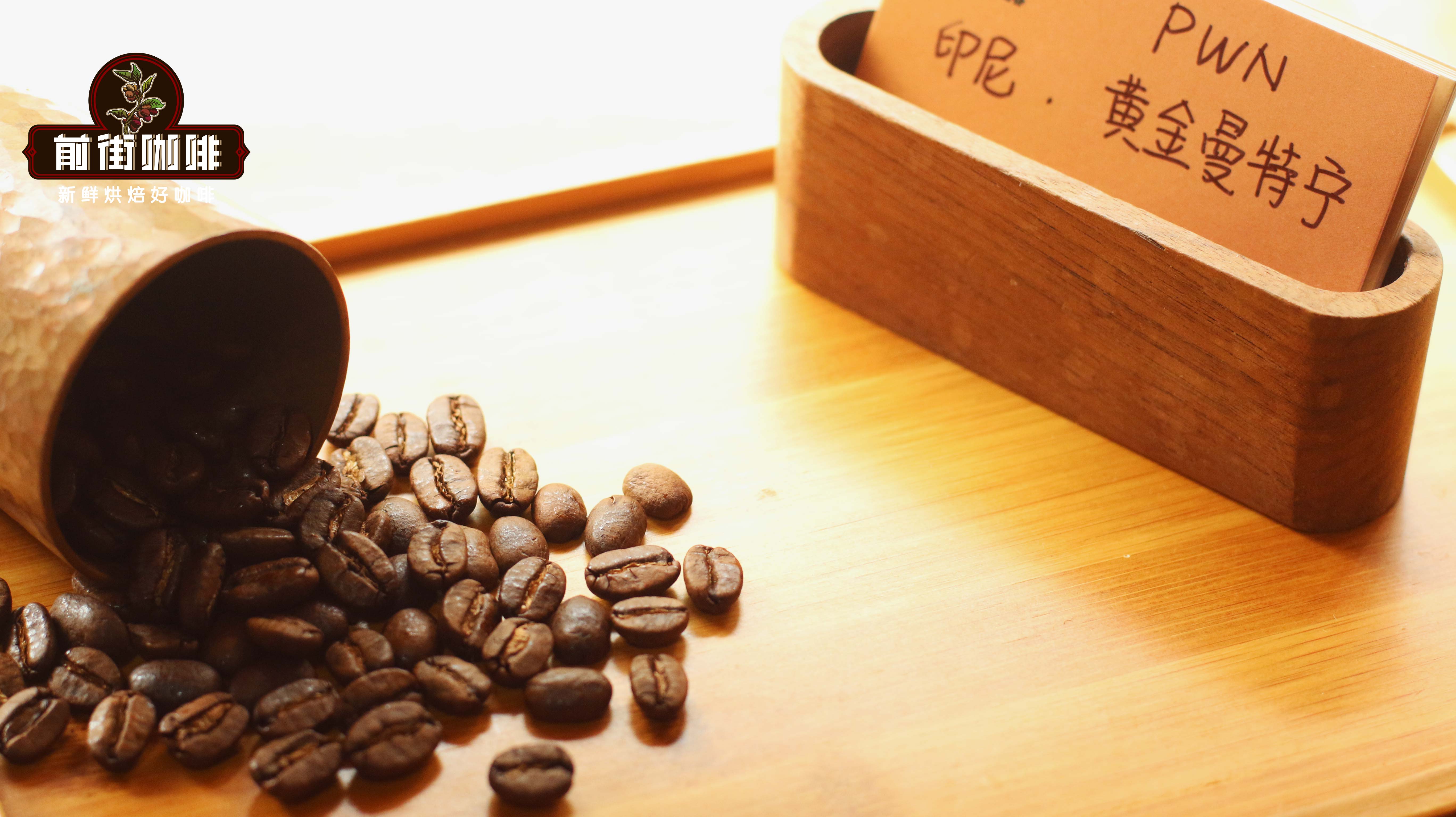
Why does Mandheling, even at medium to dark roast levels, present such a unique flavor? The key lies in its origin—the Indonesian island of Sumatra. Compared to other coffee-growing regions, Sumatra experiences extremely humid and variable weather, with humidity levels consistently ranging between 70% to 90% year-round, alternating between sunny and stormy days, and annual rainfall exceeding 2000 millimeters. In such a high-humidity environment, it is difficult for parchment beans to dry to the ideal moisture content. Moreover, driven by mass production goals, producers have gradually developed the distinctive “wet-hulled” method to shorten processing time and accelerate sales.
Known as Wet Hulled (or “Giling Basah” in Indonesian), this method is one of the common processing techniques, alongside washed, natural, and honey processing—but it is primarily concentrated in Indonesia, especially in Northern Sumatra and Sulawesi. Early on, locals also experimented with natural processing, but due to inconsistent quality, they switched to a semi-natural method similar to Brazil’s. However, Indonesia’s hot and rainy climate prevents parchment beans from being sun-dried continuously outdoors for multiple days like in Brazil—otherwise, they would easily mold. As a result, they are only sun-dried for one or two days until the moisture content drops to 30% to 50%, at which point brokers purchase them.
At this stage, the parchment layer has not yet solidified, and the beans are in a semi-hard, semi-soft state, requiring quick transport to processing facilities where specialized machines are used to remove the husk. Any delay can lead to over-fermentation and the development of sour, foul odors.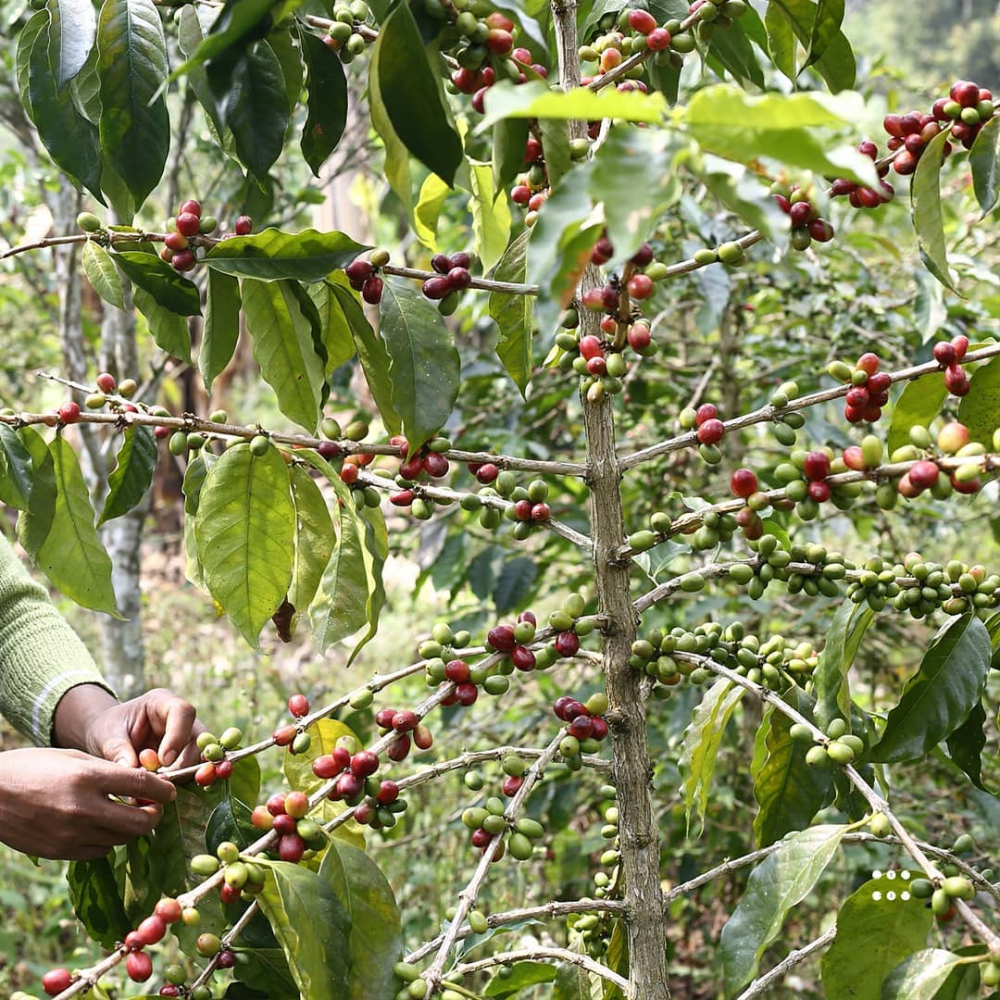
Notably, hulling in the wet-hulled method is more challenging, as the machine must apply significant friction to peel away the tightly adhered parchment layer from the green bean. This process often results in the release of white or greenish viscous liquid. Due to prolonged soaking and the humid environment, the green beans gradually soften, expand, and turn whitish with a gray-green hue, becoming prone to cracking under friction and pressure—especially at the ends, forming characteristic “hoof-like” defects. This is also why Sumatran beans often have a higher proportion of what is commonly called “elephant hoof” beans.
Typical coffee beans have four protective layers: the skin, pulp, parchment, and silver skin. The wet-hulled method, however, removes the third and fourth layers (parchment and silver skin) midway through the process, exposing the inner green bean directly to sunlight and moisture. This “naked” bean dries much faster but is also more susceptible to microbial influence, resulting in unique woody, spicy, and herbal tonalities—what is referred to as the “terroir flavor.”
In summary, the medicinal herbs and aged wood notes characteristic of Mandheling arise precisely from the staged drying of the pulp layer under high humidity, combined with the special processing steps, ultimately giving birth to this classic coffee that is low in acidity, full-bodied, and carries an earthy aroma.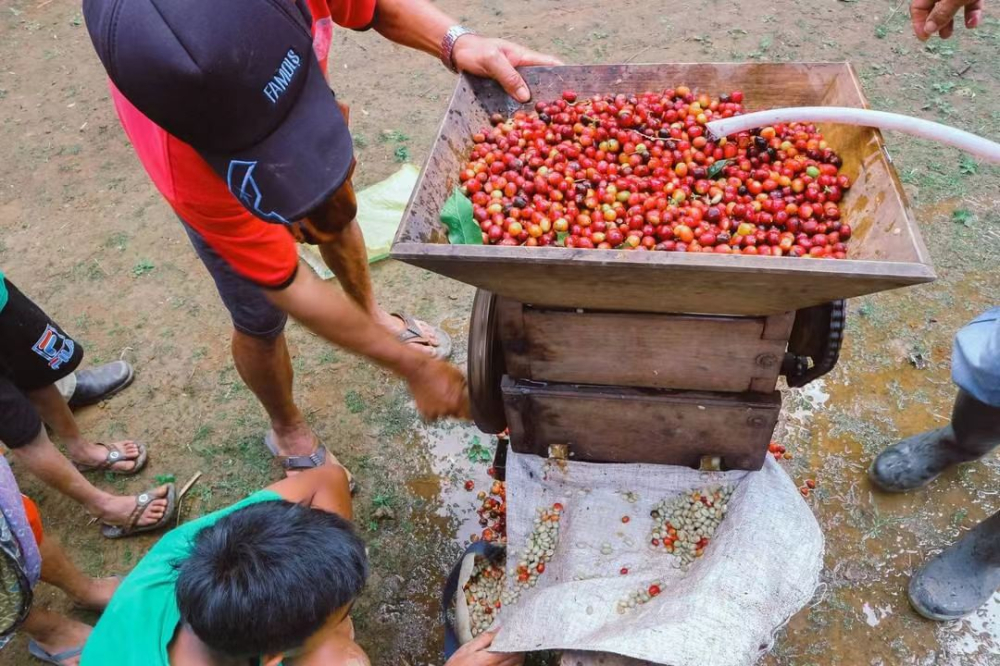
If you’re new to coffee and want to explore regional flavor profiles, we recommend starting with the cost-effective Lintong Mandheling everyday bean to gradually build familiarity with different taste characteristics; for seasoned coffee aficionados, premium options like PWN Golden Mandheling offer a more complex and layered experience.
Mandheling is suitable for various brewing methods, including pour over, siphon, and French press. Among these, pour-over black coffee best showcases its rich mouthfeel. The KONO filter cone is commonly used for extraction, thanks to its unique structure (short ribs in the lower-middle section and a smooth curved surface on top). After wetting the cone, it adheres tightly to the filter paper, restricting airflow and extending the water’s dwell time in the cone—thereby increasing extraction yield and concentration, resulting in a bolder coffee flavor. This filter cone is also well-suited for other full-bodied beans, such as Brazil’s Queen Estate coffee.
A general recommendation is to use 15 grams of coffee grounds (adjust according to cone size; 1–2 servings typically use 15–20 grams), with a coffee-to-water ratio benchmarked at 1:15 (ranging from 1:13 to 1:17, fine-tuned to personal taste). For extraction, it is advised to use the KONO filter cone, with water at 87°C and 70% grind size (approximately medium-fine, sieved through a Chinese Standard No. 20 sieve). Using a three-stage pour for 15 grams of coffee: first, pour 30 grams of water for a 30-second bloom until the coffee grounds expand; then pour evenly up to 125 grams, waiting for the liquid level to drop halfway before adding the final 100 grams. Maintain a steady, fine stream throughout to ensure even extraction. Once extraction is complete, swirl the coffee in the server before serving.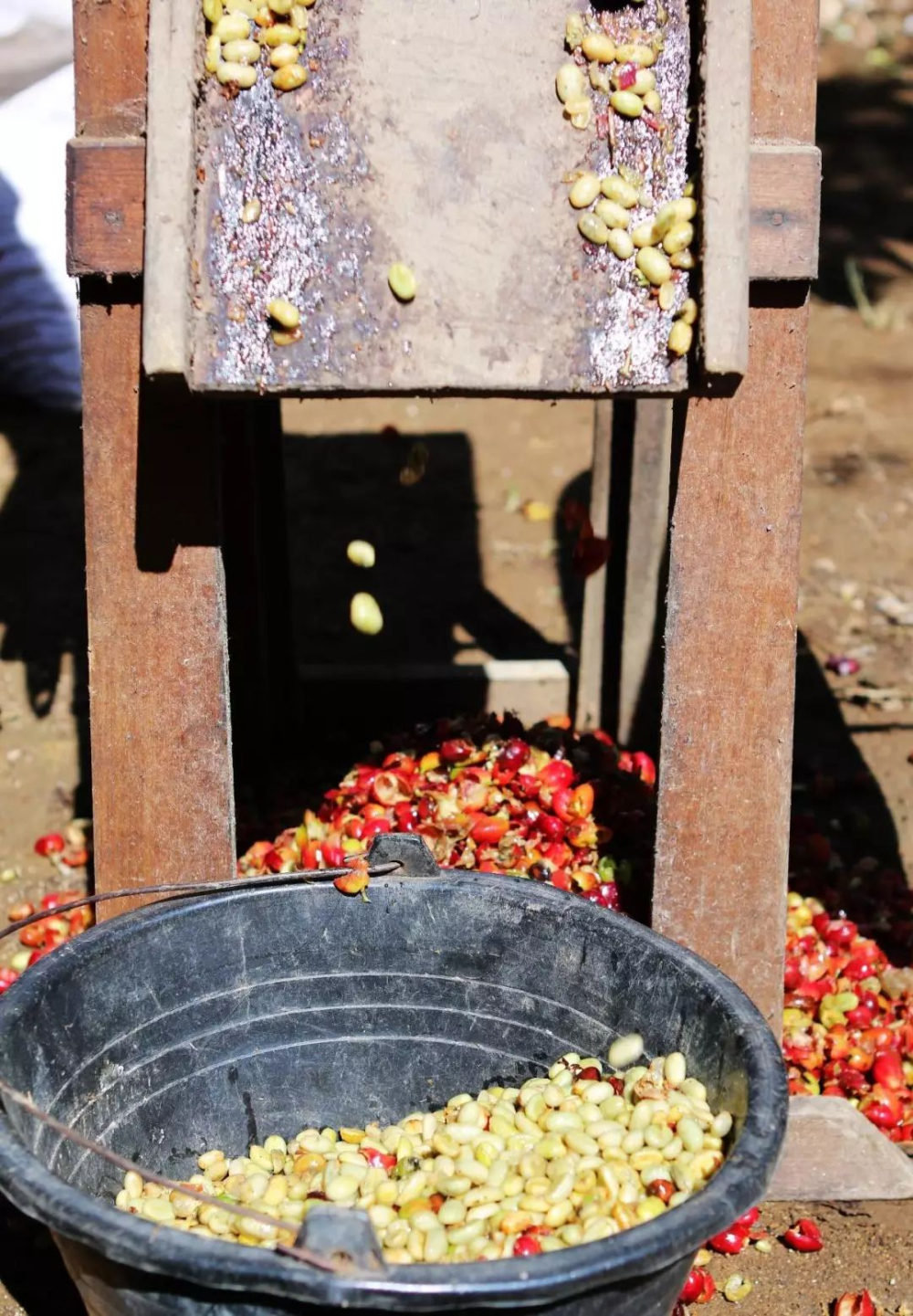
It is important to note that the above parameters are optimized for freshly roasted coffee beans (recommended for use within 5 days post-roast) to ensure peak flavor. Fresh beans typically exhibit brighter notes of cedar, spices, dark chocolate, and roasted hazelnuts, with a clean aftertaste and a caramel-sweet finish, offering a more complex and layered flavor profile overall.
The above content is compiled by CoffeeHunters, a coffee news website.


