








Introduction:Established in 1989, the Finca La Gardenia coffee plantation in Costa Rica is renowned for its superior geographical conditions and exquisite processing techniques, and it was honored with national and international COE awards in 2008. In recent years, the farm has gained attention for the rare emergence of an orange fruit mutation among its coffee plants. This article delves into the development background of the farm, the history of coffee cultivation in Costa Rica, the characteristics of its eight major producing regions, mainstream varieties, and grading systems. It also provides practical pour-over parameters and tips to help you better appreciate the unique charm of this washed coffee bean.
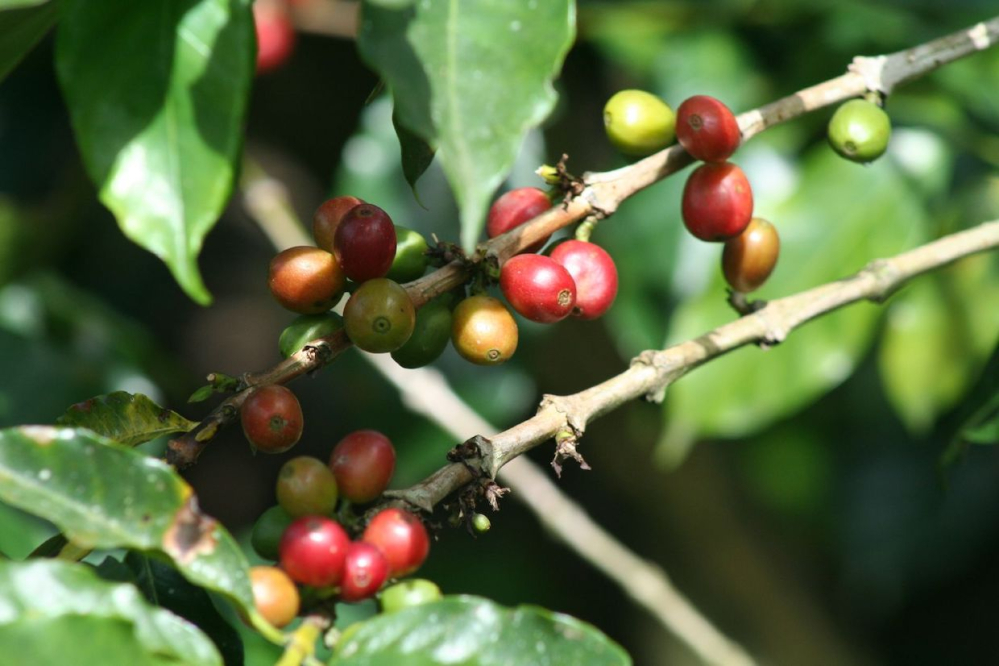
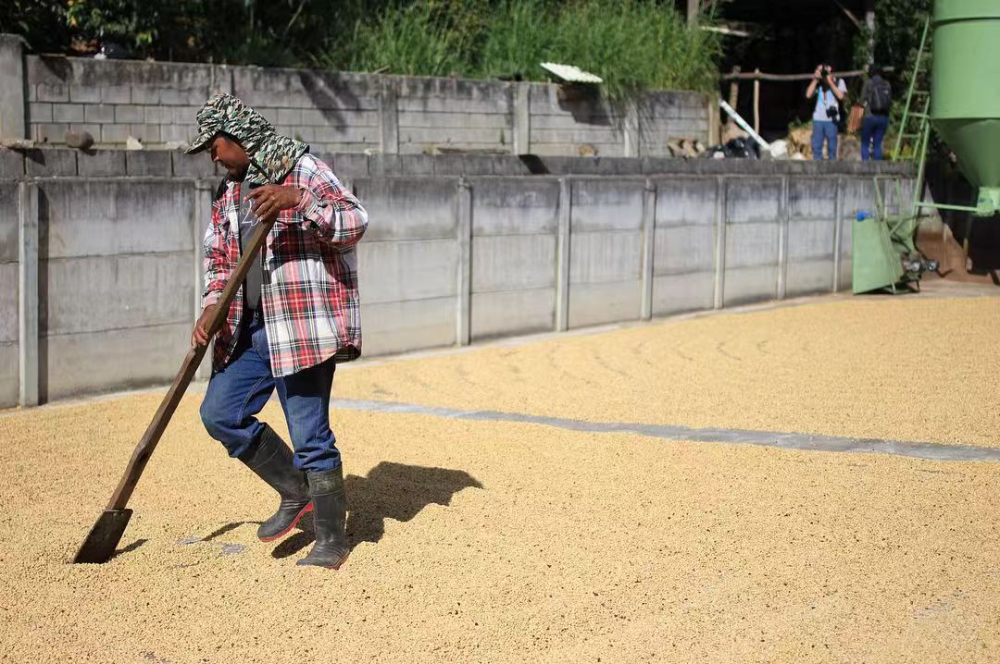
As a well-known specialty coffee origin in Central America, Costa Rica is home to many coffee farms with distinct flavor profiles, among which Finca La Gardenia (Finca La Gardenia) stands out as one of the most noteworthy. Founded in 1989 and located in the Western Valley west of the capital San José, near the volcanic belt, the farm benefits from an exceptionally advantageous geographical environment that contributes to the unique flavor traits of its coffee. In 2005, the farm owner Maria Mayela Quesada decided to build her own processing facility, taking full control of the processing of all harvested coffee cherries to ensure consistent quality. In 2008, her coffee stood out in both national and international COE competitions and received high praise. More recently, exciting news emerged: some Red Catuaí and Yellow Catuaí coffee trees naturally mutated and bore rare orange fruits, which have also garnered widespread acclaim for their flavor performance.

When talking about Costa Rica, many may first think of Godzilla from the movies, but in fact, this Latin American country is a presidential republic known for its high-quality Arabica coffee. Bordered by Nicaragua to the north and Panama to the south, the country features diverse elevations, numerous microclimates, and fertile volcanic soils with excellent drainage—conditions that are highly suitable for growing premium coffee trees. These natural advantages, together with long-standing policy support, have jointly established Costa Rica’s international reputation in the coffee world.
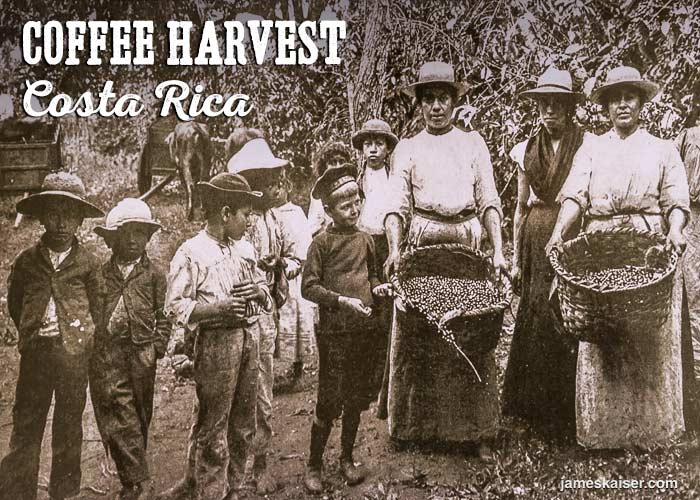
The history of coffee cultivation in Costa Rica dates back to 1729, when the first coffee tree was introduced from Cuba. Just over a hundred years later, in 1821, the country gained independence from Spain, and the government quickly implemented several policies to support the coffee industry. It is recorded that at that time, the number of coffee trees planted nationwide had already reached 70,000, demonstrating astonishing growth. In 1825, the government introduced a tax exemption policy for coffee cultivation, and in 1832, it further enacted a decree stating that “those who cultivate coffee on idle land shall own the land,” which encouraged even more people to grow coffee. This policy also explains why, to this day, most of Costa Rica’s coffee still comes from privately owned farms.
To maintain coffee quality and promote industry development, Costa Rica established a dedicated agency in 1948 (now managed by ICAFE and the official coffee committee), overseeing cultivation techniques, post-harvest processes, and marketing strategies. The country is especially rigorous in export processing, ensuring that Costa Rican coffee beans exhibit relatively stable and balanced flavor profiles. In addition, since the 20th century, the Costa Rican government has legislated to restrict the cultivation of only Arabica varieties, and in 1989, it officially banned the planting of inferior bean types to enhance overall quality. This remains the main reason why Costa Rica today produces almost exclusively Arabica coffee. The formulation of this policy also received support from authoritative research institutions such as CATIE and ICAFE, exerting a profound influence on coffee-producing regions across Central and South America.
Coffee cultivation in Costa Rica is mainly concentrated in eight regions: West Valley, Central Valley, Tarrazú, Tres Ríos, Orosi, Brunca, Turrialba, and Guanacaste. Among these, West Valley, Central Valley, and Tarrazú, with elevations generally ranging between 1,200 and 2,000 meters, are considered the primary regions for producing specialty coffee.
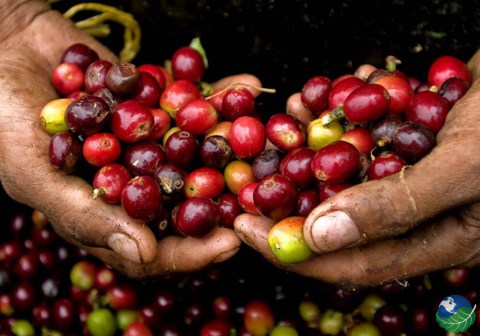
These regions benefit from fertile volcanic ash soil, mild climates (averaging around 19°C), and abundant rainfall, resulting in coffee that typically exhibits pure, sweet characteristics with a well-balanced interplay of acidity and mouthfeel. Based on cupping experience, coffee from the Tarrazú region often showcases outstanding clarity and bright acidity, frequently with citrus and berry notes; coffee from the West Valley tends to have softer acidity, more balanced flavors, and nutty and caramel undertones in the aftertaste; while Central Valley coffee demonstrates extremely high purity and sweetness, with an excellent balance of acidity and sweetness, making it ideal for coffee lovers who prefer delicate profiles.
The main coffee varieties grown in Costa Rica include Caturra, Catuai, Geisha, along with smaller amounts of Bourbon and Villa Sarchi. Caturra, a Bourbon mutation originating in Brazil in 1937, is known for its high yield, disease resistance, and adaptability. It thrives at elevations between 700 and 1,700 meters, with higher altitudes often yielding better flavor. Catuai, a hybrid developed in 1949 from Yellow Caturra and Mundo Novo, features shorter plants with good wind and rain resistance and is convenient for harvesting, but it is more susceptible to leaf rust. The Geisha variety originates from Ethiopia and was introduced to Costa Rica in 1953. It is celebrated for its delicate floral and fruity acidity, with particularly enchanting flavors when grown at high altitudes. The Bourbon variety is known for its intense aroma and bright acidity, and at high altitudes, it can even exhibit complex flavors reminiscent of red wine. Villa Sarchi, a natural green-tipped dwarf mutation of Bourbon, offers rich flavor layers and is suitable for medium to dark roasts, with dry aromas featuring honey, cherry, and spices.
Costa Rica’s coffee bean grading system is primarily based on the altitude at which the beans are grown; the higher the altitude, the greater the bean density and hardness, and usually the better the quality.Most Costa Rican coffee beans sold in the market belong to the SHB (Strictly Hard Bean) grade, indicating cultivation at elevations above 1,200 meters. Coffee beans of this grade typically offer richer flavors and better extraction performance.
To brew Costa Rican washed beans at home and highlight their flavor characteristics, the following parameters are recommended: 15 grams of coffee grounds, a finer grind (approximately 78–80% passing through a Chinese 20-mesh sieve), and a 1:15 coffee-to-water ratio. The water temperature should be controlled at90-91°C, which helps to better bring out the beans’ aroma and sweetness. A V60 filter cone is recommended to enhance flavor layering.
The specific pour-over steps are as follows: First, pour 30 grams of water for the bloom, letting it sit for about 30 seconds; then pour up to 125 grams of water. When the water level drops halfway, pour again up to a total of 225 grams. Allow the coffee to fully drip through, with a total extraction time of approximately2 minutes and 10 seconds. Using these parameters and techniques will effectively showcase the clean, bright, and well-defined acidity and sweetness of Costa Rican washed beans.
The above content is compiled by CoffeeHunters, a coffee news website.


