







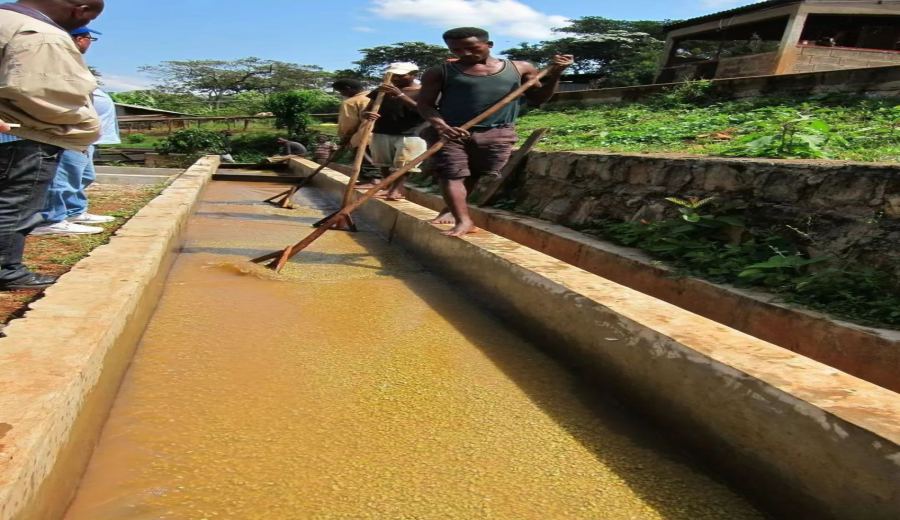
Introduction:The washed processing method has long been a classic technique in the specialty coffee industry, while Kenya’s signature variations—such as double washed, K72 processing, and dry fermentation—add unique characteristics to the beans during the fermentation stage. This article provides a detailed analysis of the operational logic, procedural differences, and actual flavor profiles of various washed techniques, helping you understand how these methods influence the final cupping experience through details like fermentation frequency and time control. It serves as an introductory guide to exploring Kenyan coffee and premium washed beans.
The washed processing method can be considered one of the most traditional and technically mature techniques in green coffee bean production. By removing the outer skin and pulp, followed by systematic washing and drying, it not only effectively improves the overall quality of the green beans but also delivers a cleaner, crisper flavor profile, making it widely favored by coffee enthusiasts worldwide. With the rise of the specialty coffee trend, more and more producing regions and processing mills have begun innovating on the basis of traditional washed processing, giving rise to variations such as double washed, K72 washed, and dry fermentation.
Before exploring these “advanced” versions of washed processing, let’s first revisit the basic workflow and historical background of traditional washed processing. Known as the wet process, the core of washed processing involves first removing the outer skin and flesh of the coffee cherry, then fermenting and washing the internal seeds (the future coffee beans), and finally drying them. This method originated in the 19th century in the West Indies, particularly taking shape in Jamaica, where it was referred to as the WIP (West Indian Process). Due to its requirements for water and equipment, this method was mostly used in well-capitalized plantations and became widespread with technological advancements following the Industrial Revolution.
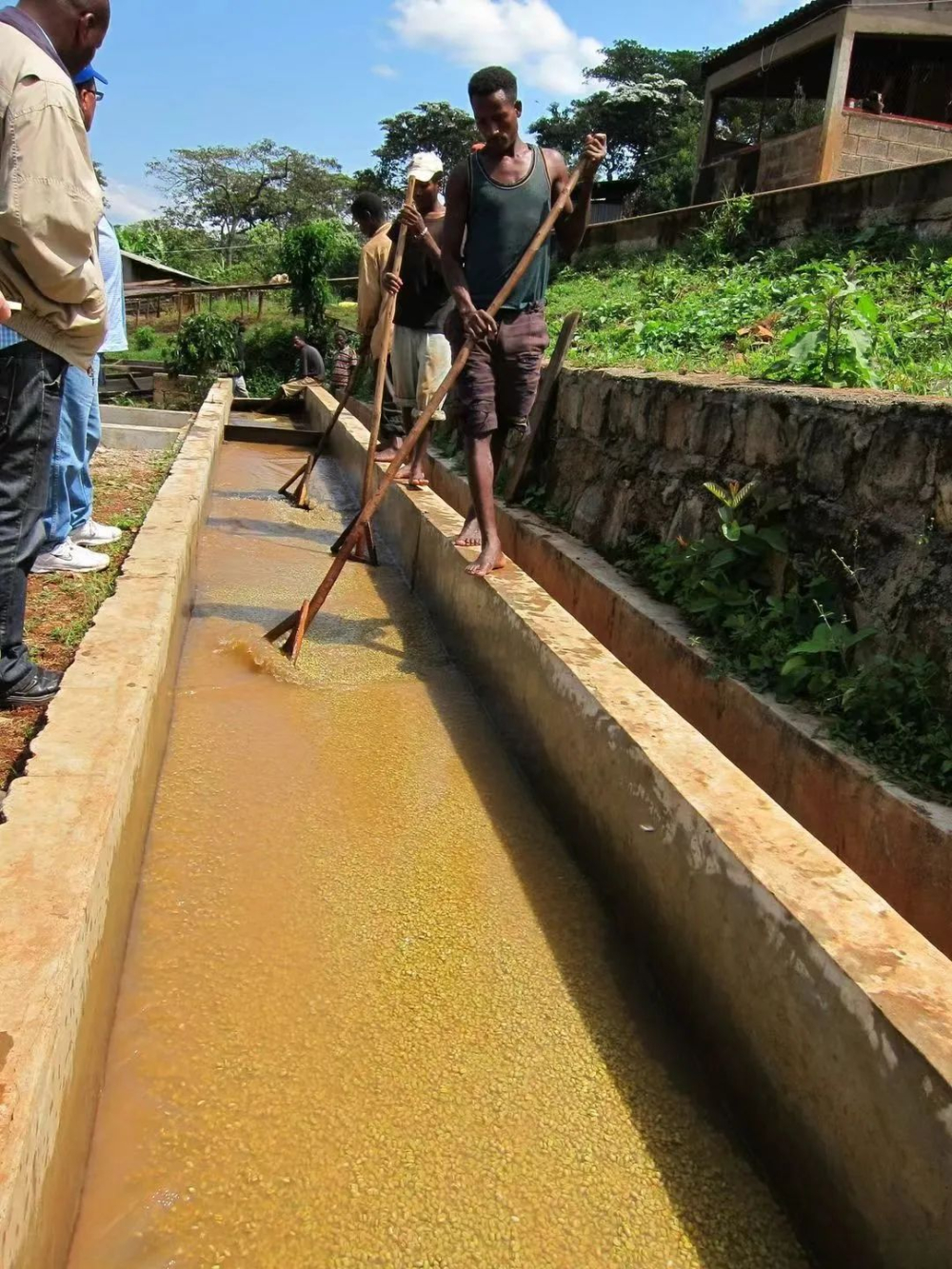
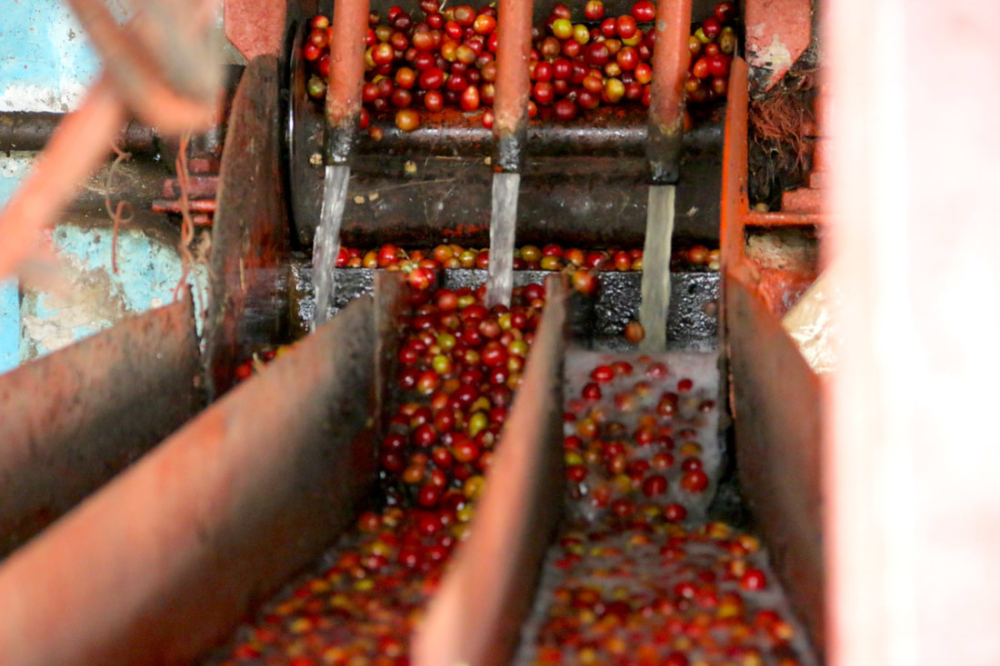
The steps of traditional washed processing generally include: flotation (removing unripe or defective cherries), pulping (removing the outer skin and some pulp), fermentation (breaking down the remaining pulp), washing (rinsing away fermentation residues), drying (reducing moisture content to a safe level), hulling (removing the parchment layer), and packaging. Each step requires precise control, especially the fermentation and washing stages, which directly impact the final flavor of the coffee. However, as the specialty coffee market demands greater flavor diversity and origin-specific characteristics, many regions have begun adjusting these foundational steps to develop more distinctive processing styles.
One notable example is Kenya’s famous “double washed” technique. In the standard washed process, the beans undergo a single washing after fermentation before being sent to the drying beds. But in Kenya, due to limited drying space—especially during peak harvest seasons—large volumes of processed beans often face challenges in drying promptly. To prevent mold or spoilage in the moist state, processing mills re-soak the depulped and fermented beans in clean water for a second wash before proceeding with dehydration and drying. This process of “secondary soaking + double washing” is what is known as Double Washed, or “double washed” as commonly referred to in Chinese-speaking circles.
Although initially adopted out of practical considerations, it was later found that this double washed method not only helps stabilize quality control but also yields richer, more layered acidity and aroma profiles. For instance, some Kenyan coffees processed this way exhibit unique flavors reminiscent of cherry tomatoes, sour plums, or even dark plums, leaving a lasting impression. Notably, this technique may also be referred to locally as Fully Washed or Double Fermentation, or even internationally categorized as the “Kenyan Process.”
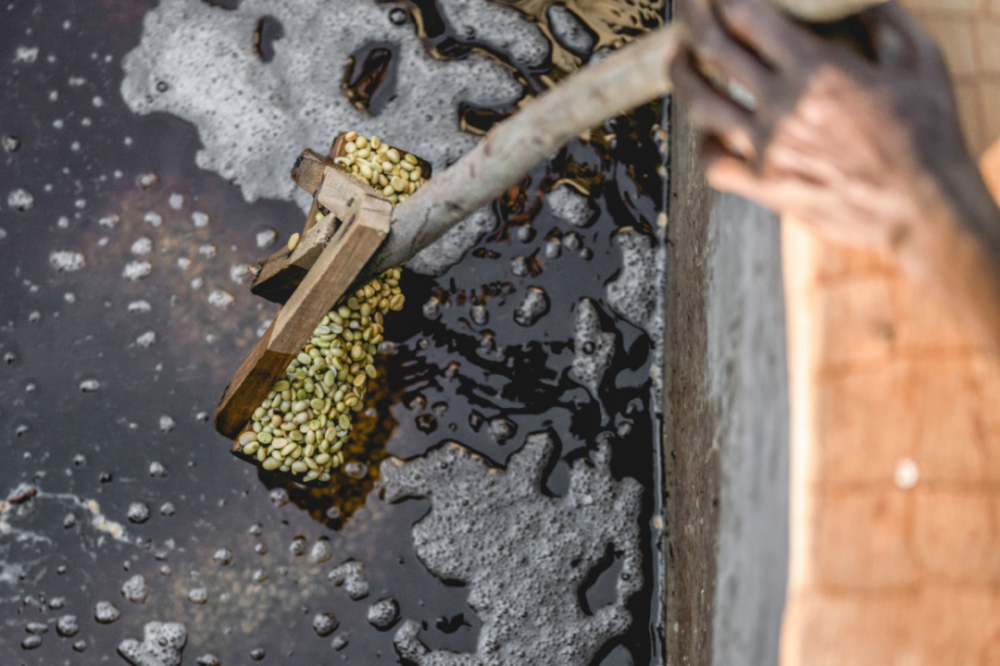
Another well-known technique closely related to double washing is the K72 washed method. As the name suggests, it precisely controls the fermentation time at 72 hours, but it actually consists of multiple fermentations and washes combined. Specifically, the K72 process is typically divided into three phases, each lasting 24 hours: an initial 24-hour washed fermentation, followed by the removal of the initially loosened pulp, then placement in a clean water tank for a second 24-hour fermentation, another round of residue cleanup, and finally, submerging the beans in a tank of fresh clean water for a third 24-hour fermentation. This long, phased fermentation design more thoroughly breaks down the pulp and impurities while imparting a brighter, cleaner, and more nuanced acidity to the beans. Many professional cuppers believe that the K72 process is one of the key reasons Kenyan coffee stands out in international competitions.
In addition to the two above-mentioned washed variations emphasizing “multiple processing,” a more environmentally friendly and water-saving approach has emerged in recent years: dry fermentation washed processing. Compared to traditional washed processing, which requires large amounts of water for fermentation and washing, the dry fermentation method, after removing the outer skin and pulp, places the parchment beans directly into a fermentation tank to rest—typically for about 6 to 8 hours—without adding extra water. This approach is somewhat similar to the initial phase of honey processing but without retaining the pulp. After fermentation, the beans are rinsed once with clean water to ensure all degraded substances are removed. Flavor-wise, dry fermented washed beans usually present a rounder, fuller sweetness, though not as bright as traditional washed, they still have their own unique character and align more with sustainable production trends.
Overall, whether traditional washed, double washed, K72 processing, or dry fermentation, the core differences primarily lie in the handling of the crucial “fermentation” step. Factors such as soaking duration, number of fermentations, whether it is controlled in phases, temperature and oxygen conditions, and whether additional additives are introduced—all are key variables that influence the final coffee flavor. For consumers and coffee enthusiasts, understanding these processing details helps capture more precise flavor cues during tasting and allows for more tailored coffee bean selection based on personal taste preferences.
The above content is compiled by CoffeeHunters, a coffee news website.


