







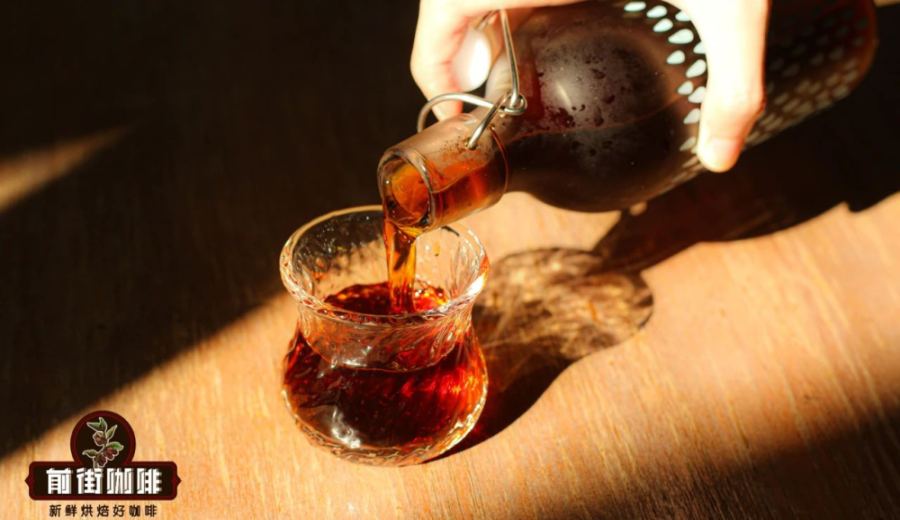
Introduction:Cold brew coffee, achieved through prolonged low-temperature extraction, delivers a flavor experience distinctly different from traditional hot-brewed or iced coffee. This article delves into the brewing principles, flavor profiles, and regional bean characteristics of cold brew iced coffee, while also providing practical guidelines on coffee-to-water ratios, steeping times, and filtration techniques. These insights will help readers master the key parameters of low-temperature extraction to craft sweet, rich, and layered cold brew creations.
Cold brew coffee (Cold Brew Coffee) has become a wildly popular cold beverage choice in the coffee scene in recent years. Its most distinctive feature is the use of cold or ice water for extended immersion brewing, typically lasting between 8 to 24 hours, with absolutely no high-temperature treatment involved. This brewing method is fundamentally different from the familiar iced coffee—most of which is first brewed with hot water and then cooled down by adding ice.
Cold brew coffee emphasizes two core elements: “low temperature” and “long duration.” The entire process unfolds slowly at room temperature or in a refrigerated environment, effectively suppressing the release of tannins, acidic compounds, and excessive bitter elements in the coffee. As a result, it highlights a sweeter, richer, and cleaner mouthfeel. This characteristic also makes cold brew concentrate an excellent base for crafting various iced coffee specialties.
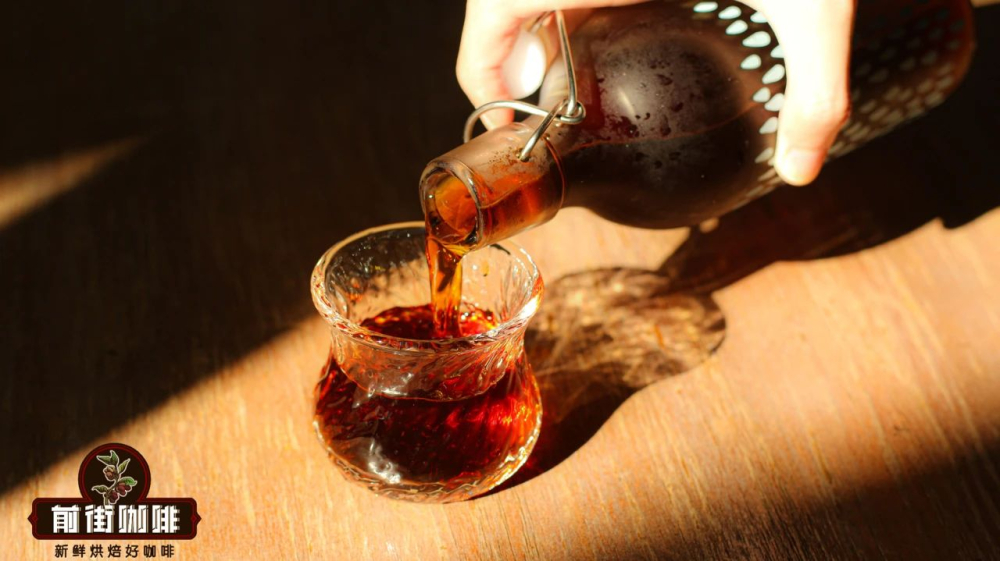
Many newcomers to cold brew often confuse it with regular iced coffee. In reality, iced coffee is usually made by quickly extracting with hot water and then cooling it down with ice cubes or refrigeration. In contrast, cold brew coffee is extracted entirely in a low-temperature environment without ever going through a high-temperature stage. For this reason, cold brew not only offers a smoother flavor but is also a more friendly option for those sensitive to caffeine or averse to hot beverages.
The mouthfeel of cold brew coffee is generally described as smooth, low in acidity, and naturally sweet, with an overall flavor profile that is more focused and clean, free from the sharp acidity or over-extracted off-notes commonly found in hot-brewed coffee. This quality makes it not only ideal for direct consumption but also highly suitable for crafting a variety of iced coffee drinks, such as those with fresh milk, sparkling water, or flavored syrups.
The final flavor profile of cold brew coffee is closely related to the origin and processing method of the coffee beans used. Generally speaking, beans from African regions often exhibit bright fruit acidity, honey-like sweetness, and a tea-like aftertaste. Examples include the Sidamo Huakui Natural, Yirgacheffe Guji Dingding Washed, or Kenya Thika Assaliya Washed—common choices among cold brew enthusiasts who prefer prominent fruit acidity.
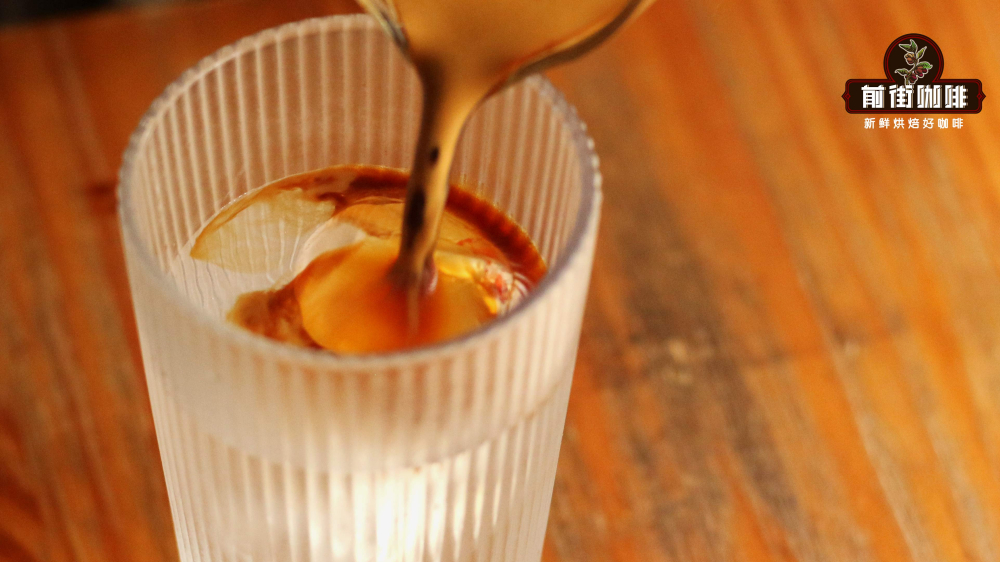 Beans from Central and South American regions tend to showcase gentle fruit acidity, aromas of nuts and almonds, along with caramel-like sweetness. Varieties such as Panama Geisha Washed, Costa Rica Tarrazu, or Guatemala Santa Barbara can all deliver smooth and layered flavors during cold brewing. Some beans processed with special methods (such as honey processing or anaerobic fermentation) may even carry fermented aromas of ripe fruits, like the Mozart coffee bean from Costa Rica.
In comparison, coffee beans from Asian regions, due to their inherently lower acidity and higher proportion of body-enhancing compounds, tend to have deeper flavors and body elements (such as bitter components) that are not as fully released under low-temperature extraction. As a result, their cold brew performance is usually less vibrant than that of high-temperature extraction, and the overall taste may come across as more restrained. However, those who prefer low-acidity and full-bodied flavors can still experiment with adjusting the coffee-to-water ratio and steeping time accordingly.
When actually making cold brew coffee, it is recommended to grind the coffee beans to a medium-fine consistency similar to white sugar. This helps increase the extraction surface area without being so fine as to cause filtration difficulties. The coffee-to-water ratio can be adjusted according to personal taste: those seeking a stronger profile may opt for a 1:10 ratio, while those preferring a balanced taste are advised to use a 1:13 ratio. Place the ground coffee into a clean, sealable container, add cold water, and stir gently to ensure each coffee particle is evenly saturated.
After completing the water addition and stirring steps, seal the container and place it in the refrigerator for steeping. A recommended steeping time is 10 to 12 hours. For a stronger intensity, it can be extended to 13 to 24 hours, though be mindful that overly long steeping may lead to over-extraction flavors. Once steeping is complete, use filter paper or a dedicated filter to separate the coffee grounds. The resulting cold brew coffee liquid is best stored in a clean, sealed container and consumed within 72 hours to ensure optimal flavor.
The above content is compiled by CoffeeHunters, a coffee news website.


