







Category: Coffee Knowledge
Ethiopia Gesha Village vs Panama Gesha: A Complete Guide to Variety Evolution, Flavor Differences & Pour Over Parameters
Gesha coffee is world-renowned for its unique floral and fruity aromas, but did you know? Though both bear the name Gesha, the beans from Ethiopia's Gesha Village and Panama’s Hacienda La Esmeralda actually differ greatly in variety origin, growing environment, and flavor profile. This article will take you through the migration history of the Gesha variety, compare the differences in altitude, processing methods, and cupping characteristics of the iconic Red Label Gesha from these two renowned regions, and offer practical Hario V60 pour over recommendations to help you better understand this [more…]
Panama vs. Ethiopia Gesha Village Flavor Analysis | Pour Over Parameters and Cupping Comparison Guide
Though both are called Gesha, the coffees from Panama's Finca Elida and Ethiopia's Gesha Village showcase distinctly different flavor profiles. How do differences in cultivation altitude, microclimate, and processing methods influence the final flavors? This article provides an in-depth comparison of the dry and wet aromas, acidity and sweetness levels, and body of two Green Label Gesha coffees, along with V60 three-stage pour over parameters tested by a barista to help you accurately highlight Gesha’s floral and fruity characteristics and bright acidity. [more…]
A Complete Guide to Panamanian Geisha Coffee Varieties & Optimal Pour Over Parameters
Wondering why Panamanian Geisha coffee beans stand out in the specialty coffee scene and boast such captivating floral aromas and bright acidity? This article dives deep into the history, regional characteristics, and grading system of the Geisha variety. It also offers practical pour over recommendations — including suitable filter drippers, water temperature, coffee-to-water ratio, and three-stage pouring techniques — so you can brew a richly layered Geisha cup at home. [more…]
Panamanian Red Label Geisha vs Colombian Hope Geisha: A Complete Guide to Region, Grade, and Pour Over Parameters
Geisha coffee is renowned in the specialty coffee world for its distinctive floral and fruity aromas and delicate flavor profile. This article delves into the Panamanian Emerald Estate’s Red Label, Green Label, and Blue Label grades, while comparing them with the regional characteristics and processing methods of the Colombian Hope Estate Geisha. It also provides detailed pour over brewing steps and parameter recommendations to help you master the brewing techniques for different grades of Geisha and appreciate the subtle differences in flavor complexity. [more…]

Mandheling vs. Yirgacheffe – A World of Flavor Difference!/Golden Mandheling Pour Over Parameters & Characteristics Explained
The two ultimate representatives of specialty coffee flavor profiles—Ethiopia’s Yirgacheffe and Indonesia’s Sumatra Mandheling—exemplify bright fruity acidity and deep, rich body respectively. This article delves into their key differences, explores the unique charm of Golden Mandheling in terms of its bold and mellow profile, and offers detailed recommendations on roasting and pour over parameters to help coffee enthusiasts find their ideal coffee experience based on personal taste preferences. [more…]
Yirgacheffe vs. Sidamo Hua Kui: A Breakdown of Washed vs. Natural Processing Differences + Moka Pot Brewing Guide
Two renowned Ethiopian coffee regions—Yirgacheffe and Sidamo Hua Kui—showcase distinctly different flavor profiles through washed and natural processing methods respectively. This article provides an in-depth comparison of their regional histories, processing techniques, and flavor characteristics, along with a step-by-step guide on brewing a well-known coffee brand’s natural-processed Hua Kui Single Origin (SOE) beans using a moka pot . From grind size and coffee-to-water ratio to heating tips, learn the key techniques for achieving a rich and intense cup. [more…]
A Comparative Analysis of Ethiopian Yirgacheffe and Sidamo Beans | Pour Over Parameters and Flavor Comparison Guide
As the birthplace of coffee, Ethiopia's two major regions—Sidamo and Yirgacheffe—are often compared. This article delves into their differences in varietal characteristics, processing methods, and flavor profiles. Through practical cupping and pour over parameters, we'll help you understand Sidamo's rich fruity notes and Yirgacheffe's bright citrus tones, offering practical advice on bean selection and brewing. [more…]
Analysis of the Yirgacheffe Red Cherry Project | Guide to Water Temperature and Flavor Extraction for Sun-Dried Pour Over
The Yirgacheffe Red Cherry Project is a quality improvement initiative launched by Dutch trader Trabocca in 2007, focusing on fully sun-dried red cherry processing that has shaped the unique flavor profile of Ethiopian coffee. This article delves into the background of the project, characteristics of the producing region, and provides practical pour over parameters and water temperature recommendations to help you easily master this bright, fruity specialty coffee. [more…]
Flavor Analysis of Yirgacheffe Red Cherry Natural Coffee Beans & Pour Over Brewing Guide
The Red Cherry Project is a key quality initiative within Ethiopia’s specialty coffee scene, selecting only fully ripe cherries to craft unique flavor profiles. This article delves into the origins, execution model, and regional distribution of the project, and provides an in-depth look at the flavor evolution of a Yirgacheffe Red Cherry Natural coffee bean from light to medium roast. It also offers practical and precise pour over brewing parameters and step-by-step recommendations, enabling you to brew high-quality Ethiopian-style coffee at home. [more…]
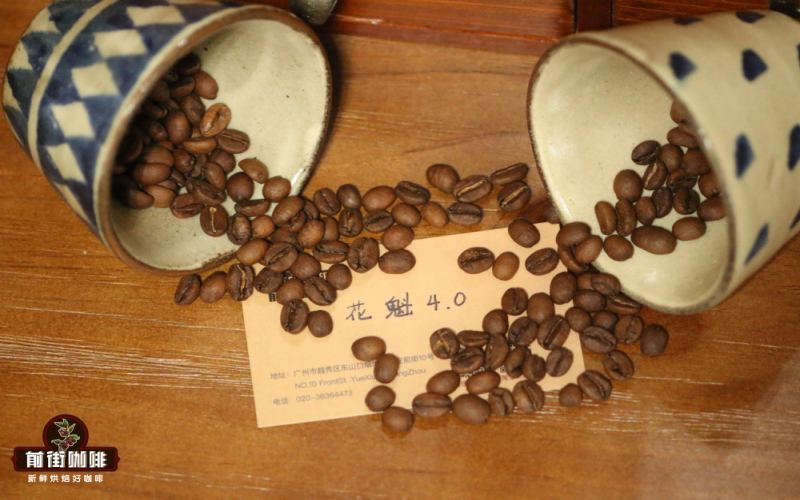
Flavor Profile of Ethiopian Huacai 4.0: A Complete Guide to Dega Variety Pour Over Parameters and Regional Evolution
From the original Huacai that won the championship in 2017 to the now more advanced 4.0 version, this sun-dried bean from Ethiopia’s Guji region continues to capture the attention of coffee enthusiasts worldwide with the unique genetics of the Dega variety. This article delves into the flavor evolution of the Huacai series, unveils the characteristics of the Dega variety, and provides professional roasting insights along with V60 pour over parameters to help you recreate the layered flavors of Guji sun-dried coffee at home. [more…]
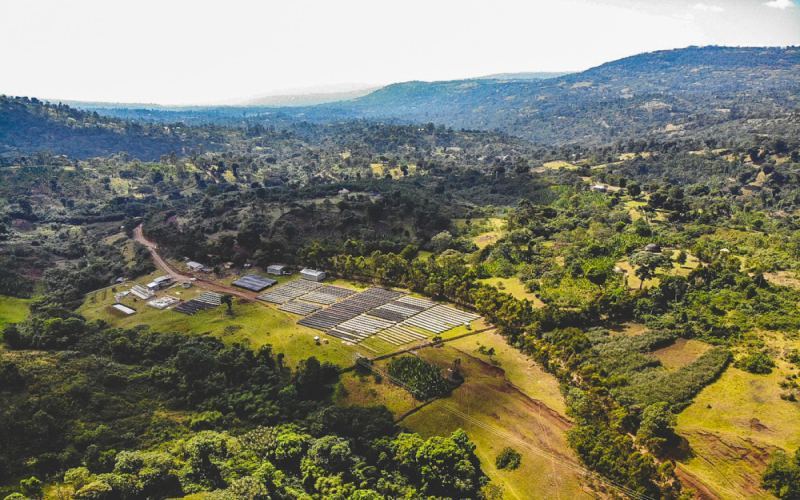
In-depth Analysis of Ethiopia's Yirgacheffe Guji Hambela Region: The Complete Guide to the Origins and Evolution of the Huakui Natural Coffee Beans
From the debut of the "Huakui" coffee beans in 2017 to the highly acclaimed Huakui 8.0 in recent years, these natural-processed beans from Ethiopia’s Yirgacheffe Guji Hambela sub-region have captivated numerous coffee enthusiasts with their unique berry and fruity floral aromas. This article not only details the geographical and climatic conditions of the Hambela region, but also delves into the origin of the name "Huakui," the history of the one and only authentic Buku Abel processing station, and shares practical roasting and pour over parameters to help you master this classic coffee. [more…]

How to Choose Ethiopian Huacai Coffee Beans? Buying Guide & Flavor Profile of the Hambella Natural Champion Beans
Huacai coffee beans are renowned natural-process beans from Ethiopia’s Hambella region, celebrated for their intense aroma and bright flavors. They are commonly brewed using methods such as pour over and siphon. But with so many products on the market, how can you identify authentic beans and select a fresh, representative version? This article provides an in-depth analysis of the Hambella region, the beans’ genuine origins, flavor characteristics, as well as recommendations on roast levels, purchasing advice, and practical brewing references to help you find the perfect match. [more…]
Ethiopia Sidamo Guji Hambella Kouji Huakui 5.0: Flavor Profile & Pour Over Parameters – A Complete Guide
The Huakui 5.0 from the Hambella sub-region of Ethiopia's Sidamo Guji zone is beloved by coffee enthusiasts for its intense juiciness and strawberry cream flavors. This article provides an in-depth analysis of its regional terroir, natural processing method, version evolution, along with professional roasting profiles, cupping data, and V60 pour over recommendations to help you master the key extraction points of this star bean. [more…]
Brazil Single-Origin Coffee Pour Over Guide | A Complete Overview of Cerrado and Fazenda Rainha Flavors and Parameters
Want to understand how Brazilian coffee has evolved from a supporting role in blends to a standout specialty offering? This article dives deep into two renowned Brazilian regions—Cerrado and Fazenda Rainha—to help you grasp the varietal characteristics of Yellow Bourbon and Red Bourbon, while also detailing the advantages of the honey processing method. It also offers professional pour over recommendations, including filter choices, water temperature, brew ratio, and three-pour techniques, to help you easily extract a balanced cup with notes of caramel, nuts, and chocolate. [more…]
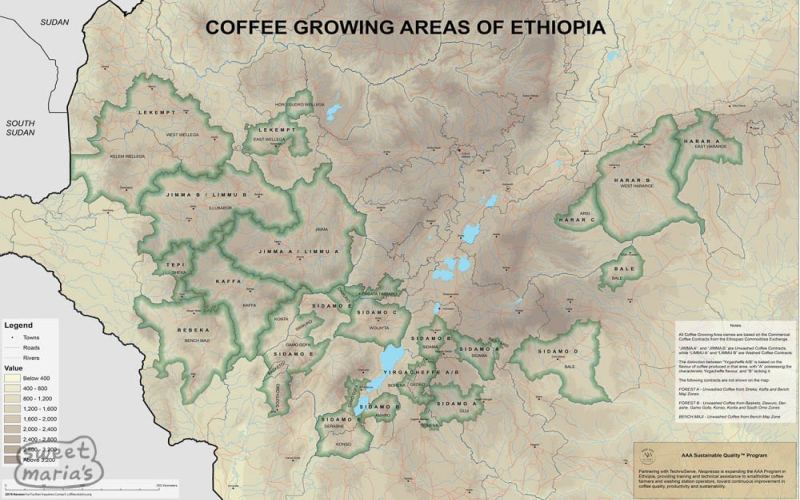
A Complete Guide to Ethiopia’s Nine Major Coffee Regions: Differences Between Washed and Natural Yirgacheffe and Brewing Tips
As the birthplace of coffee, Ethiopia is home to over 5,000 native coffee varieties, with each of its nine major regions offering unique characteristics. This article provides an in-depth analysis of key regions such as Yirgacheffe, including their altitudes, farming methods, and flavor profiles. It also compares the evolution and differences between washed and natural processing methods, and offers practical brewing parameters and techniques to help you better appreciate the distinctive charm of these specialty coffees. [more…]
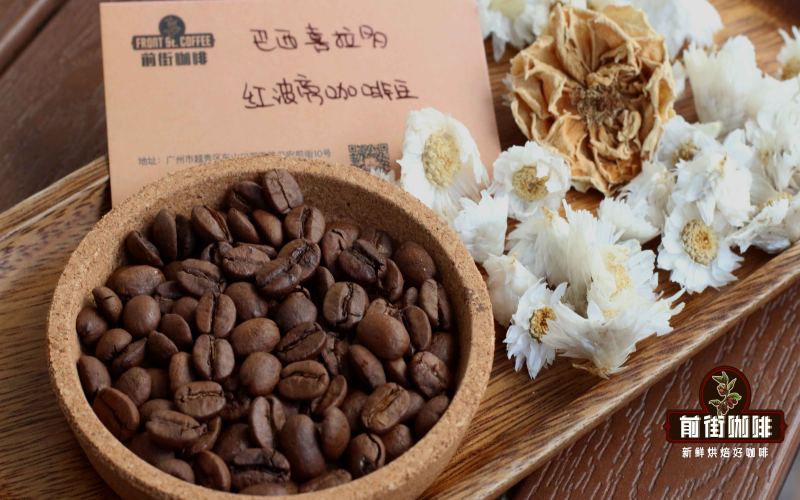
How to Choose Brazilian Coffee Beans? Medium Roast Pulped Natural Beans — Pour Over Parameters & Flavor Profile
Brazil is the world’s largest coffee producer. While it’s often associated with commercial-grade beans, it actually harbors many specialty coffees with outstanding flavor profiles. This article will delve into Brazil’s coffee grading system and regional characteristics, and introduce two representative medium-dark roast beans: Cerrado and Fazenda Rainha Yellow Bourbon. It also provides practical pour over recommendations and parameter settings to help coffee enthusiasts—from beginners to advanced—appreciate the richness and complexity of Brazilian coffee. [more…]
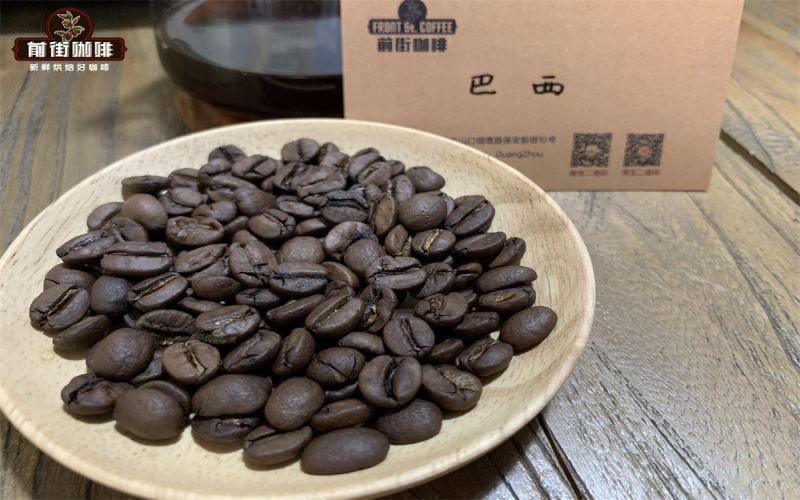
How to Choose Brazilian Coffee Beans? A Complete Guide to Pulped Natural Processing & Pour Over Parameters
Brazil is the world’s largest coffee producer, and its beans are known for being low in acidity, richly bodied, and nutty—making them especially ideal for those who prefer a balanced flavor profile. This article delves into the characteristics of Brazil’s major growing regions, the advantages of the pulped natural processing method, and offers practical pour over brewing recommendations along with flavor profiles to help you select the most suitable Brazilian beans. [more…]

Analysis of Brazilian Coffee Bean Varieties and Flavors: From Red and Yellow Bourbon to Peaberry Rare Varieties
As the world’s largest exporter of green coffee beans, Brazil’s diverse coffee varieties and unique flavor profiles are often overlooked. This article takes you on an in-depth exploration of Brazil’s major coffee varieties—including Red Bourbon, Yellow Bourbon, Catuai, and Peaberry—analyzing their historical backgrounds, growing conditions, and distinctive flavor characteristics. It also shares practical cupping experiences and purchasing recommendations to help you find the Brazilian coffee that best suits your taste. [more…]

A Guide to Brazilian Coffee Bean Grading and Flavor Profiles | Single-Origin & Blend Recommendations & Roasting Tips
Brazil is the world’s largest coffee producer, and its beans are known for their full-bodied, balanced flavor with low acidity and natural sweetness—making them ideal for both single-origin brewing and Italian-style blends. This article provides an in-depth analysis of Brazil’s major coffee varieties, grading system, and processing methods, exploring why they are commonly used as base beans in blends. It also features a curated selection of Red Bourbon and Yellow Bourbon coffees from the Cerrado and Mogiana regions, as well as classic Italian-style blend beans. You’ll find detailed notes on their flavor characteristics, growing altitudes, and brewing recommendations to help you find your perfect Brazilian coffee. [more…]
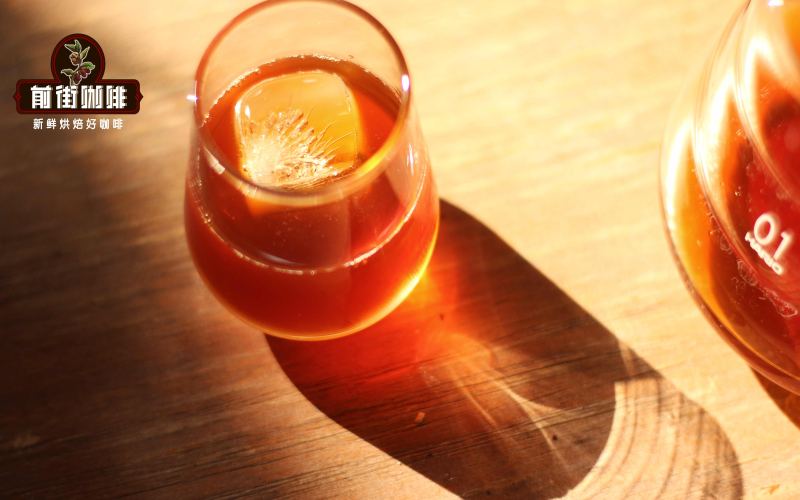
Yirgacheffe Kochere G1 vs G2 Flavor Analysis | Complete Guide to Washed Processing and Grade Differences
An in-depth exploration of the G1 and G2 grade coffee beans from the Kochere micro-region of Yirgacheffe, Ethiopia. From terroir, washed processing methods to cupping flavors, we analyze the key differences between the two. This article also provides practical roasting curves and pour over parameters to help coffee enthusiasts master the brewing techniques for this high-altitude washed coffee. [more…]