







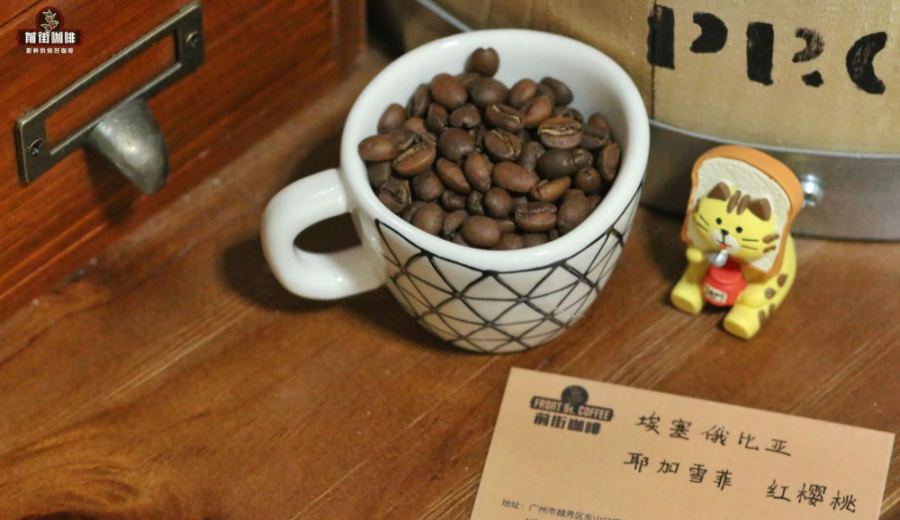
Introduction:The Red Cherry Project is a significant quality-driven initiative for specialty coffee in Ethiopia, achieved by carefully selecting fully ripe cherries to create unique flavor profiles. This article delves into the origins, execution model, and regional distribution of the project, and provides an in-depth analysis of the flavor transitions of a Yirgacheffe Red Cherry Natural from light to medium roast. It also offers practical and precise pour over parameters and step-by-step recommendations, enabling you to brew high-quality Ethiopian coffee at home.
In the world of specialty coffee, the term "Red Cherry" has long transcended being just a beautiful metaphor — it represents high-quality coffee beans sourced from Ethiopia. The name originates from the deep red hue of fully ripe coffee cherries, which bears a striking resemblance to cherries in appearance. The "Red Cherry Project" (Operation Cherry Red, abbreviated as ORC) is a quality enhancement initiative led by the renowned Dutch coffee trading company Trabocca, aiming to encourage smallholder coffee farmers to selectively harvest only fully ripe coffee cherries, thereby enhancing the flavor potential right from the source.
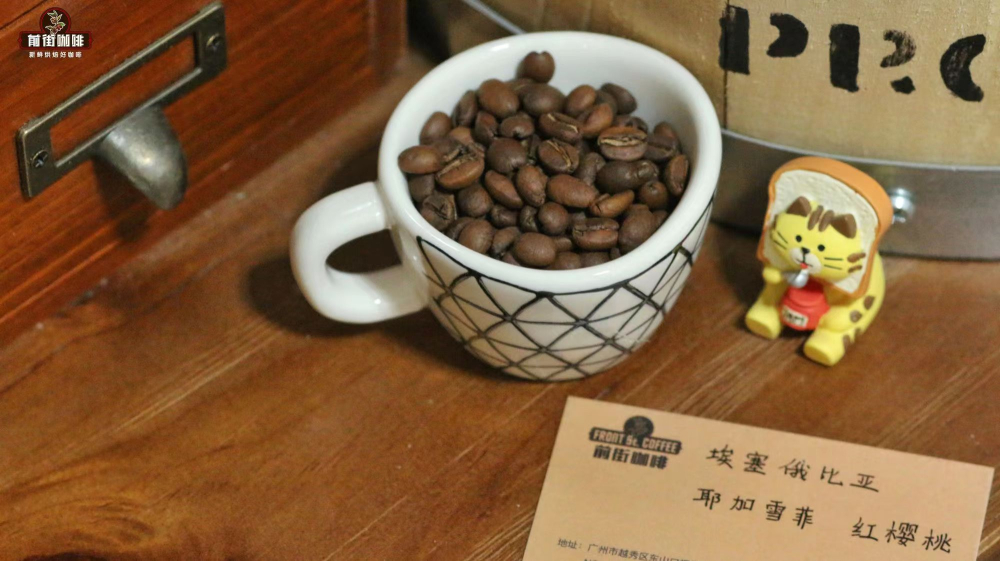
Today, labels such as "Red Cherry Natural" and "Red Cherry Washed" are commonly seen on café menus, sparking curiosity among many consumers: do these beans actually taste like cherries? Although some drinkers claim to detect cherry flavors, the true essence of the term lies less in flavor and more in the commitment to coffee cherry ripeness. The Red Cherry Project emphasizes harvesting only 100% fully red, ripe coffee cherries, as these not only have higher sugar content but also exhibit richer and cleaner flavor characteristics during subsequent processing.
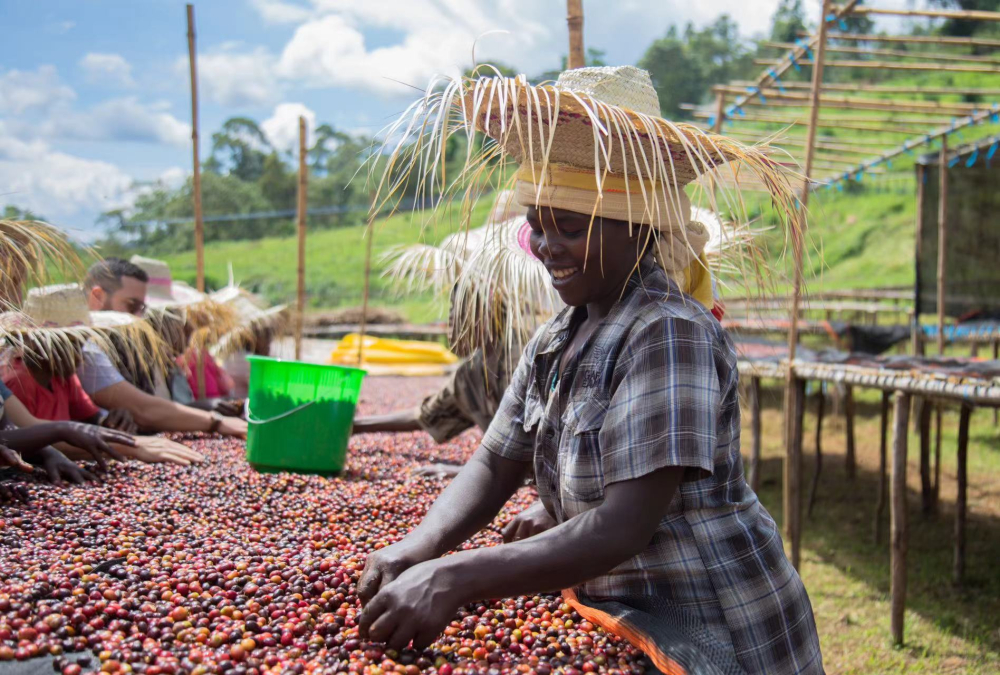
The Red Cherry initiative was first launched in Ethiopia by Trabocca, primarily in collaboration with small-scale farms. During each harvest season, Trabocca invites local farms to produce small lots of coffee beans weighing approximately 1,500 to 3,000 kilograms (about 25 to 50 bags), requiring harvesters — mostly experienced local women — to pick only fully ripe red coffee cherries. This meticulous selection process significantly impacts the final aroma and taste of the coffee, making these women one of the key driving forces behind the success of the Red Cherry Project.
This project is not only about quality control but also about upgrading the coffee processing workflow. Coffee beans involved in the Red Cherry Project encompass various processing methods, including washed, natural, honey, semi-washed, semi-natural, and even experimental processes. The producing regions span multiple well-known coffee-growing areas in Ethiopia, such as Yirgacheffe, Sidamo, Pungo Forest, Lekempti, Kembaata, Illubabor, Harrar, Limu, and the Golocha region, which joined after 2011. These areas each possess unique microclimates and soil conditions, giving rise to diverse and captivating flavor profiles.
Trabocca has strict quality requirements for coffee participating in the project. All delivered coffee beans are cupped in offices in both Ethiopia and the Netherlands. Only batches that achieve a cupping score of 88 or above are recognized as qualified "Red Cherry" coffee and are eligible for additional bonus incentives. Notably, Trabocca emphasizes that this project is not profit-driven — profits over the years have been almost entirely reinvested into the development of partner farms. The execution team consists of only four people, with other administrative tasks supported by resources from the parent company, ensuring that more profits are returned to the farmers.
Take the commonly available "Yirgacheffe Red Cherry Project Natural Coffee Beans" as an example. When lightly roasted, these beans often showcase distinct layers of peach, cocoa, honey, and lemon, with bright acidity and fresh aromas — perfect for coffee enthusiasts who enjoy fruity and floral notes. However, when processed with a medium roast, the same beans take on a completely different character: fermented fruitiness becomes more intense, citrus sweetness stands out more prominently, and the overall mouthfeel becomes rounder with a long-lasting caramel-like aftertaste.
If you'd like to brew this Ethiopian-style Red Cherry Natural at home, we recommend using the pour over method to fully highlight its layered aromas and flavors. We suggest using a Hario V60 dripper, with water heated to 90–93°C,,a coffee-to-water ratio of 1:15,,and choose and a medium-fine grind size(roughly between the coarseness of superfine and white sugar).
Here’s a specific step-by-step guide for pour over: First, place 30 grams of coffee grounds into the dripper and pour 30 grams of hot water for a 30-second bloom to help degas the coffee and release initial aromas. Then, pour water steadily until the total reaches 125 grams. Wait for the water level to drop slightly, then pour again up to a total of 225 grams, after which stop pouring and let it drip. The total extraction time is recommended to be around 2 minutes,yielding a balanced and expressive cup of Yirgacheffe Red Cherry Natural pour over coffee.
The above content is compiled by CoffeeHunters, a coffee news website.


