








Introduction:Although both are called Geisha, the coffees from Panama’s Hacienda La Esmeralda and Ethiopia’s Gesha Village showcase distinctly different flavor profiles. How do differences in planting altitude, microclimate, and processing methods influence the final flavor? This article provides an in-depth comparison of the dry and wet aromas, acidity and sweetness layers, and body of two Green Label Geishas, along with V60 three-stage pour over parameters tested by a barista to help you accurately highlight Geisha’s floral-fruity character and bright acidity.
The Geisha (Geisha) variety was first discovered in 1931 in the Gesha Forest of Ethiopia, and after traveling through Kenya, Uganda, Tanzania, and other regions, it finally bloomed with unique brilliance at Panama’s Hacienda La Esmeralda. This article systematically cup tests the Green Label from Panama’s Hacienda La Esmeralda and the Green Label from Ethiopia’s Gesha Village, analyzing key factors such as dry aroma, flavor layers, planting altitude, and microclimate one by one. Although both share Geisha lineage, the soil characteristics, day-night temperature differences, and processing method variations between the African and American producing regions have created vastly different flavor expressions in the two beans.
A team’s practical testing found that the dry aroma of the Hacienda La Esmeralda Green Label has distinct citrus and white floral notes, with tropical fruit aromas gradually released after pouring water. The taste presents clear citrus acidity, berry sweetness, and a honey finish, with the fermentation notes from sun-drying adding complexity. As it cools, berry and caramel flavors become more pronounced, with the overall sweetness being rich and the aftertaste long-lasting.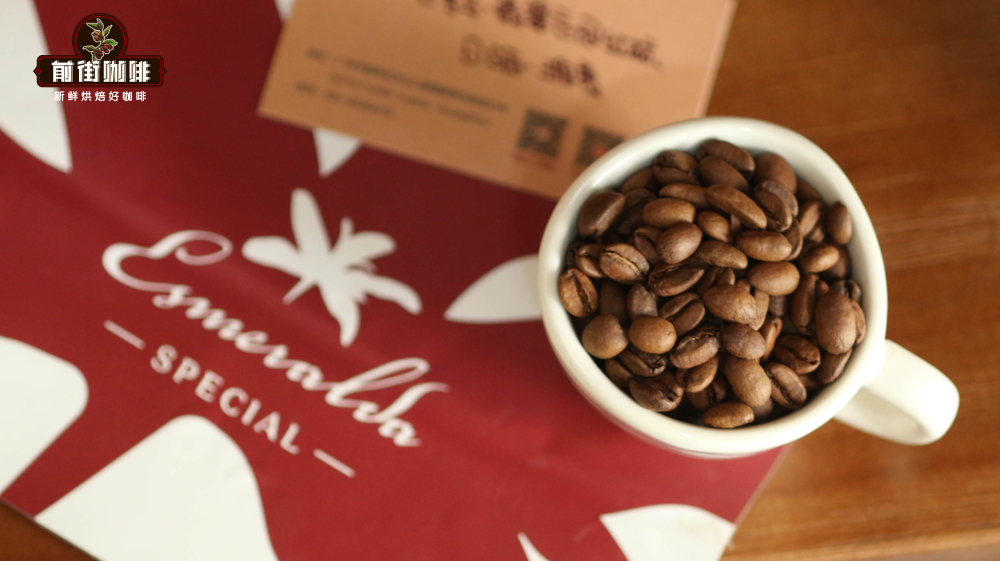
To clearly distinguish the flavor differences between the two Geishas, the test used the Hacienda La Esmeralda Green Label for standard cupping: 11.3 grams of coffee beans were ground and infused with water at 94°C, and within four minutes, rich jasmine and black tea wet aromas could be detected. The cupping results showed excellent cleanliness, a silky-smooth mouthfeel, with white floral and subtle tea notes particularly prominent. In contrast, the Gesha Village Green Label leans more toward candied sweet aromas and a higher level of sweetness, a difference partly due to planting altitude—Gesha Village’s producing areas are generally above 1900 meters, while Hacienda La Esmeralda’s highest altitude is about 1800 meters.
Panama Geisha’s core producing area is located in the western part of the country, adjacent to Costa Rica and the Pacific coast, with an average annual temperature maintained at 16-25°C and annual rainfall as high as 3500 mm. The region’s unique geographical environment forms multiple microclimates: cold air from the Pacific Ocean converges in areas above 6500 feet in altitude via the central mountain range, especially in the Boquete and Volcán regions, creating the special growing conditions required for Geisha—high altitude, cloud shade, fertile volcanic soil, and sufficient accumulated heat are all indispensable.
The Geisha variety originally came from native trees in the Gori Gesha Forest. After genetic testing confirmed their identity, researchers used morphological analysis (including leaf structure and bean size) and cupping screening to eventually revive the variety that best matches the characteristics of modern Panamanian Geisha. It’s worth noting that Gesha Village not only focuses on growing Geisha but also preserves native varieties such as Illubabor. This 471-hectare estate has gradually expanded since 2011, reaching 320 hectares in planted area by 2017, and its refined management model is considered exemplary in the industry.
The estate managers divide the producing area into 8 main blocks based on terrain and microclimate, with each block further subdivided into sub-numbers. For example, the western OMA, SURMA, and SHEWA-JIBABU plots are at higher altitudes with greater shading on the south-facing sections, while the northern areas enjoy longer sunlight exposure. This zoning strategy allows the Geisha from different plots to fully express their unique terroir characteristics—higher altitude areas emphasize bright acidity and floral notes, while lower altitude areas highlight rich fruitiness and sugary sweetness.
Observing the appearance of green beans reveals significant differences: the washed green beans from Gesha Village exhibit a transparent bluish-green color, while the sun-dried batches have an emerald hue and a jade-like smooth texture. Fresh green beans give off grassy, peach-like aromas, and a unique oolong tea-milk fragrance, these subtle characteristics can only be fully captured through professional cupping.
For the flavor characteristics of Geisha, it is recommended to use the V60 dripper for pour over extraction: its spiral flow channel design extends the contact time between water and coffee grounds, and the central large hole accelerates drainage, effectively balancing the layers of acidity and sweetness with body. Suggested parameters: water temperature 91-92°C, coffee dosage 15 grams, coffee-to-water ratio 1:15, grind size adjusted to 80% through a #20 sieve (similar to fine sugar granules). Use a three-stage pouring method—the first stage pours 30 grams of water for a 30-second bloom to form a dome, the second stage adds 95 grams of water until the coffee bed drops by half, and the final stage adds 100 grams of water until dripping is complete. Maintain a small, centered water flow throughout to avoid disturbing the coffee bed, which could lead to over-extraction. After extraction, it is recommended to gently shake the cup to even out the flavors, and tasting from the high-temperature stage onward allows for better appreciation of the layered changes in Geisha.
The above content is compiled by CoffeeHunters, a coffee news website.


