








Introduction:Want to understand how Brazilian coffee has evolved from a blend supporting role to a specialty standout? This article takes an in-depth look at two renowned Brazilian coffee regions—Cerrado and Fazenda Rainha—and explores the flavor characteristics of Yellow Bourbon and Red Bourbon varieties, while also detailing the advantages of the pulped natural processing method. Additionally, it provides expert pour over recommendations, including filter choice, water temperature, brew ratio, and three-stage pouring techniques, helping you easily extract a balanced cup rich in caramel, nutty, and chocolatey notes.
Brazil is the world’s largest coffee producer. While many are familiar with its role as the base in commercial blends, it actually also produces many high-quality specialty single-origin coffees. This article will focus on two representative Brazilian coffees—a daily-drinking grade bean from the Cerrado region and a Yellow Bourbon specialty bean from Fazenda Rainha—breaking down Brazil’s unique qualities step by step through factors such as terroir, variety differences, and processing features. It also offers practical and precise pour over brewing parameters so you can brew rich and bold Brazilian flavors at home.
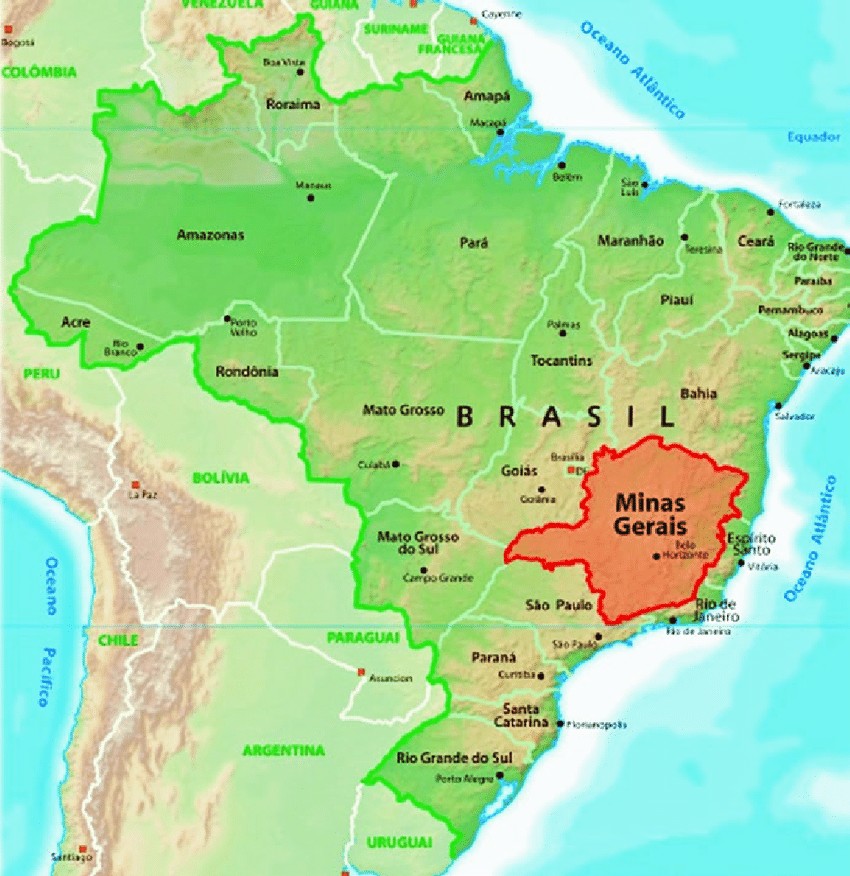
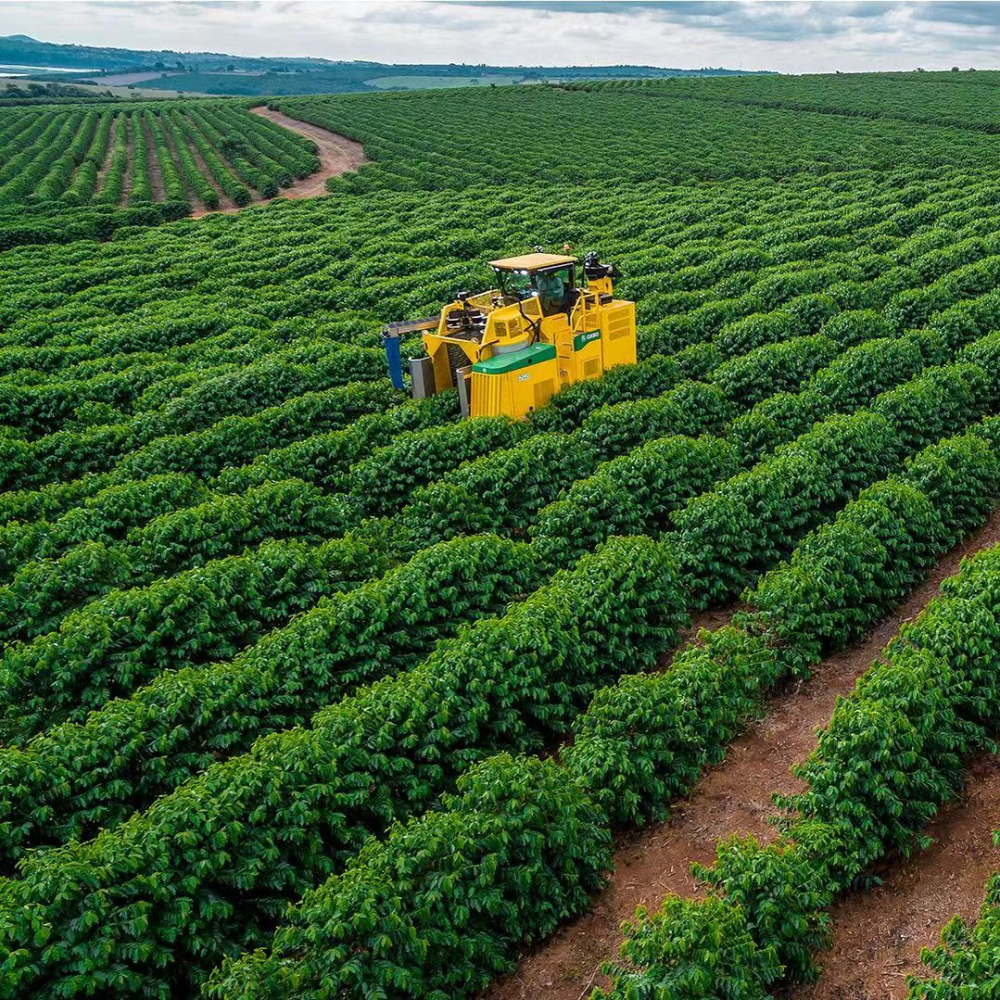
Brazil’s coffee-growing areas are mainly located in the central and southern parts of the country, spanning multiple states, including at least fourteen well-known regions such as Sul de Minas, Cerrado, and Mogiana. Among them, Cerrado and Sul de Minas are considered key forces behind Brazil’s international coffee reputation. Particularly Cerrado, situated on the Brazilian central plateau at an altitude of about 850 to 1200 meters, may not reach the altitudes of high-altitude regions like Colombia or Panama where Geisha thrives, but its flat terrain, distinct wet and dry seasons, and cool plateau climate create coffee beans that are both rich in flavor and well-balanced.

Due to geographic and climatic factors, Brazilian coffee generally features low acidity, pronounced sweetness, and high body. Common flavor notes include caramel, nuts, and chocolate, occasionally accompanied by subtle earthy or woody aromas, but rarely with strong floral or citrus profiles. This “mellow soft bean” profile makes it an ideal base for blends, while some high-altitude and specialty farm Brazilian beans also display remarkable detail and complexity.
In terms of varieties, the most commonly planted in Brazil include Bourbon, Typica, Caturra, and Catuai, among which Red Bourbon and Yellow Bourbon are two leading specialty varieties. Red Bourbon bears red fruit and offers clear flavors with bright acidity and a wine-like finish, making it one of the most common Brazilian varieties. Yellow Bourbon, a natural mutation of Bourbon, ripens into an orange-yellow fruit and is typically grown at higher altitudes. Its flavor emphasizes a nutty and chocolatey profile, with soft acidity, a clean mouthfeel, and overall brightness without losing sweetness.
The processing methods of Brazilian coffee have also evolved over time. Traditionally, natural sun-drying was commonly used, but due to the dry climate and unstable weather, it often resulted in moldy or earthy off-flavors. Since the 1990s, the industry has widely adopted the pulped natural process (Pulped Natural), which involves removing the skin and pulp while retaining the mucilage before sun-drying. This method combines the sweetness of sun-drying with the cleanliness of washing, improving the consistency of bean ripeness and overall purity while reducing the risk of off-flavors. A certain brand’s Cerrado daily-grade bean uses this method, resulting in a balanced and mellow flavor that suits various brewing methods.
When it comes to pour over, how can you extract the most captivating caramel and nutty aromas from Brazilian coffee? The key lies in precisely controlling the brewing parameters. It is recommended to use a KONO filter, paired with a 1:15 brew ratio (e.g., 15 grams of coffee to 225 milliliters of water), a medium-coarse grind (approximately 75% passing through a #20 sieve), and a water temperature of 88°C. This combination helps avoid over-extraction-induced bitterness and astringency, while bringing out sweetness and body.
For the specific pour over steps, a three-stage pouring method is recommended: start with a 30-second bloom using 30 milliliters of water to help the coffee grounds degas; in the second stage, slowly pour in a circular motion until reaching 125 grams, then wait for the water level to drop before proceeding to the third stage to pour up to 225 grams, with the total brew time controlled around 2 minutes. The design of the KONO filter features ribs extending from the bottom to the middle, with a smooth upper section, effectively gathering the filtrate and extending dwell time, thereby further enhancing mouthfeel fullness and body.
Cerrado pulped natural beans usually exhibit noticeable sweetness and subtle lemony aromas, with a main profile of nuts and dark chocolate, delivering an overall rounded and balanced taste; whereas Fazenda Rainha’s Yellow Bourbon showcases almond and cocoa as dominant notes, paired with prominent sugarcane sweetness, offering a richly layered flavor and long-lasting aftertaste. These two beans respectively demonstrate the appeal of Brazilian coffee at both the affordable everyday and premium high-end ends.
Finally, a reminder: coffee bean freshness is key to flavor performance. It is recommended to choose beans shipped within 5 days of roasting, and to enjoy them within 4–7 days upon receipt—this period is also known as the “resting period,” during which flavors reach their optimal state. If purchasing coffee powder, consume it as soon as possible to avoid oxidation affecting aroma and taste. Although pre-ground coffee does not require resting, its flavor deteriorates more quickly, so it is best to grind and brew immediately to fully experience the subtlety and depth of Brazilian coffee.
The above content is compiled by CoffeeHunters, a coffee news website.


